
As Malaysia gears up for the long-awaited Visit Malaysia 2026 (VM2026), tourism players across the country have been rolling up their sleeves to ensure everything runs smoothly, and that all visitors will get a good experience.
From January to August this year, Malaysia welcomed 28.2 million visitors – a 14.5% rise from the 24.7 million recorded in the same period last year, according to data from the Department of Statistics Malaysia (DOSM).
With the campaign, the nation is now setting its sights even higher, aiming to attract 47 million foreign visitors for VM2026.
Sarawak-based tourism operator William Chiam, 50, says the way people travel today has changed noticeably.
“There are more small groups and solo travellers now, a stark contrast to the past when big tour groups were common,” he shares.
Muhammad Mustaqim Rosden, 26, who runs a travel agency in Kuala Lumpur, agrees, noting that tour agencies have adapted to meet this shift. “Many companies have downsized or are operating on smaller scales, focusing on efficiency and productivity rather than volume,” he explains.
Travellers today seek more meaningful experiences, from engaging community or rural tourism experiences, to hands-on cultural activities. “They want to participate in things like traditional craft-making or stay at a homestay with local families,” he adds.
To keep up with the growing demand, Mustaqim is expanding his team by hiring more staff and guides to ensure smoother operations.
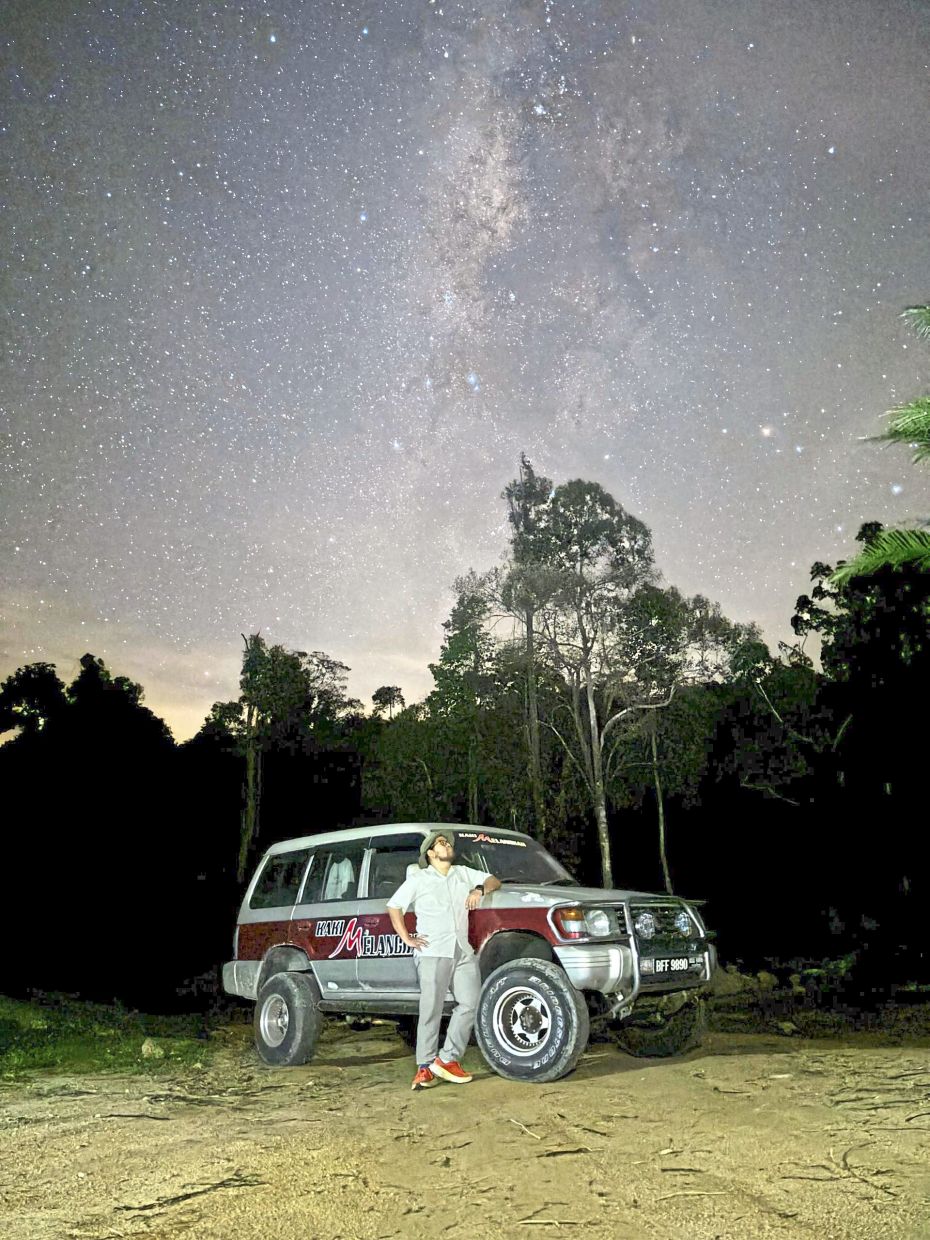
“We have also invested in new assets, including transportation and specialised equipment like camping gear and telescopes,” he shares.

When it comes to marketing, Chiam believes travel operators must strengthen their online presence to reach an even wider audience. “People are searching and booking online. Agencies have to make themselves more visible,” he says.
Mustaqim echoes that sentiment: “We are actively building our presence on online booking platforms like Klook and Airbnb to increase visibility and make bookings easier for travellers.”
He adds that they plan to tap into federal and state grants to organise events and festivals that support the VM2026 initiative.
Both operators agree that depending solely on traditional media or government campaigns is no longer sufficient. Travel agencies must embrace online platforms and have a clear niche that sets them apart.
For example, Mustaqim says, “If a company is known for promoting Langkawi, it should keep developing unique experiences there. Without a speciality, agencies risk becoming generic in a market where travellers can easily plan trips on their own.”
Apart from that, Chiam welcomes the government’s fund allocation in the recent Budget 2026 to upgrade Malaysia’s Unesco-listed sites.
While Mustaqim agrees, he stresses the importance of proper execution. “Funding is great, but it must involve local communities and stakeholders to ensure transparency and accountability. Maintenance and long-term promotion are just as important.”
With the growing number of accommodations nationwide, Chiam observes that travel trends are also shifting. “More travellers are choosing Airbnb or homestays because they prefer spacious, ‘home-like’ stays,” he says.
Shifting landscape
Malaysia’s hotel industry has grown in recent years. According to the DOSM’s Economic Census 2023, there were 14,962 accommodation establishments in 2022, a sharp increase from 4,377 in 2015.
This growth not only shows Malaysia’s economic strength throughout the decade, but is an indicator of the country’s continuous rise in the tourism industry too.
It also reflects the country’s strong reputation as one of the region’s top holiday destinations.
Whether you’re exploring bustling cities like Kuala Lumpur and Kuching in Sarawak, or unwinding on an island getaway, you’ll find plenty of places to stay, with multi-budget options.
For example, if you are a traveller who is always on the move, budget hotels and hostels are a great option. For groups or families, home-sharing accommodations and apartment hotels offer comfort and convenience. And of course, those seeking a touch of indulgence will have no problem choosing a luxury resort or hotel across the country.
Accommodations with themed rooms are also gaining traction, like Johor’s Legoland Hotel that has rooms decorated with special themes.
Sustainability is a key aspect of VM2026, and Malaysia’s hospitality scene definitely walks the talk. Many properties and hotel brands around the country focus on running mindful “green” initiatives, such as setting up a more effective water and waste management system, engaging the services of local vendors and communities, replacing single- use plastics with eco-friendly alternatives, and using renewable energy like solar.
Some “eco-friendly” stays now even carry green certifications from recognised organisations, so guests will know that the initiatives are real and purposeful, and not just an act of greenwashing.
In 2024, the Malaysian Association of Hotels, together with SGS Malaysia and Sai Matrix Integrated, launched an environmental, social and governance (ESG) certification for hotels and resorts. This initiative supports the National Tourism Policy 2020-2030, encouraging establishments to undergo sustainability training and implement effective action plans.
Sustainability has made its way into Malaysia’s culinary landscape, too.
More restaurants are embracing responsible dining, which includes mindful ingredient sourcing and reducing food waste.
Since Michelin Guide was introduced in Malaysia three years ago, a number of restaurants have been awarded Michelin stars, putting the country on the international fine dining map.
More recently, a restaurant has received Michelin’s “Green Star” for its sustainable practices, paving the way for other eateries to follow suit.
Homegrown talent continues to flourish in the F&B industry. Many Malaysian chefs are championing local produce, putting a modern spin on traditional flavours.
In KL, the ever-growing popularity of Malaysian cuisine reflects the nation’s rich diversity and evolving palate.
It’s no wonder the country has become a favourite stop for food lovers around the world. From the fragrant spices of Indian curries and the bold flavours of Malay dishes to unique Sabahan and Sarawakian specialities and comforting Chinese fare, our food is top notch.
Eating out in Malaysia also feels more exciting now than ever before. International chefs are bringing their own flavours and skills, from authentic Thai delights to refined European cuisine, adding even more variety to Malaysia’s already vibrant food scene.
Hotels, too, have stepped up their F&B offerings, curating menus that make guests return for more.
Coffee lovers are also not left behind. Most recently, Tourism Selangor held a three-day Selangor Coffee Festival, which drew caffeine enthusiasts from near and far, celebrating Malaysia’s growing cafe culture.
Food has always been a big part of the true Malaysian identity, making every visit a feast for the senses.
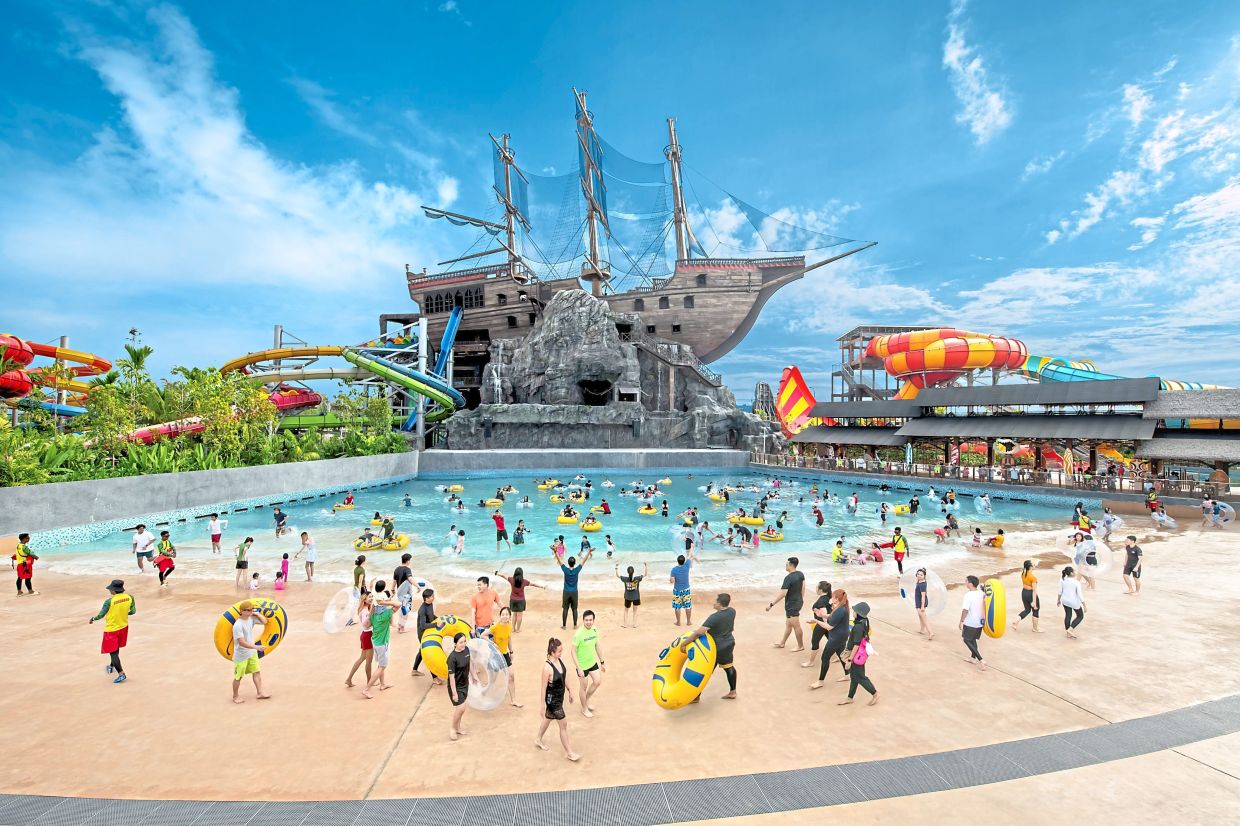
The country’s offerings do not stop there. Similar growth is evident in its leisure and entertainment spaces, where theme parks and entertainment hubs are redefining “fun” for tourists.
If roller coasters are what springs to mind, you’re not wrong, but the concept of “theme park” has evolved beyond that.
In Penang, Escape combines both wet and dry attractions, featuring Malaysia’s longest water slide and a 1km-long zip coaster that winds through tropical rainforest.
In Selangor, Splashmania draws crowds with its exhilarating water rides and activities.
Those seeking a physical challenge can check out District 21 in Putrajaya, while SuperPark in KL features obstacle courses designed to test physical and mental strength.
Newer attractions like Skyline Luge Kuala Lumpur in Rawang, which opened last year, invites visitors to take a chairlift to the top of a hill before cruising down a winding track on a gravity-powered cart – the luge. The park has since added a zipline attraction, offering even more thrill for adventurers.
These developments show how Malaysia’s theme parks are constantly changing, thinking out of the box to keep experiences fresh and unique. This not only enhances the country’s tourism appeal but also strengthens its position as a premier holiday destination in the region.
With their expanding facilities and activities, they have also become great venues for corporate outings and incentive travel, contributing to Malaysia’s tourism sector.
All geared up
An example of a place that brings all of these elements together is 1 Utama Shopping Centre in Petaling Jaya. Though not every mall offers this combination, an increasing number of Malaysia’s shopping complexes are embracing it.
“People now value experiential retail,” says Chai Ai Ping, advertising and promotions manager at 1 Utama.
“Malls are no longer just a place to shop, they are destinations to eat, socialise and have fun.”
She adds: “Shoppers appreciate convenience and quality, preferring malls that offer a good mix of stores and loyalty rewards.”
Having opened its doors in the mid-1990s, 1 Utama has transformed considerably over the years. Besides shopping, it now features experiential zones designed to engage visitors in different ways.
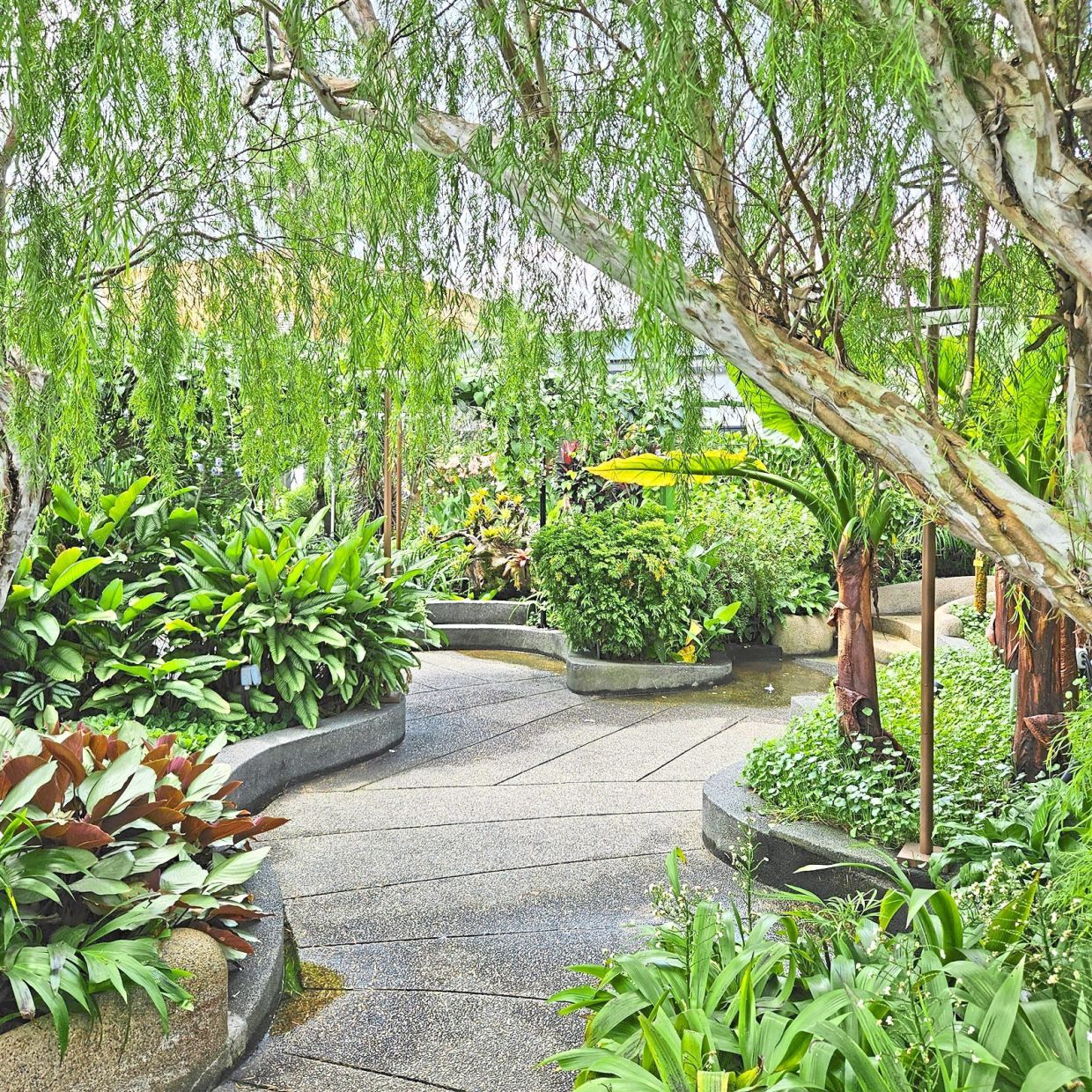
Moreover, did you know the mall is home to South-East Asia’s largest rooftop garden – the Secret Garden?
If you are feeling tired after all that walking around, you don’t even have to leave the mall to relax, just head to the garden. Covering nearly 30,000sq m, it houses over 500 species of flora.
The mall offers unique attractions such as an indoor gym and Treetop Adventure rope course, which are part of its effort to stay ahead with innovative experiences.
“These thoughtful additions encourage longer visits,” Chai explains.
Inclusivity is equally crucial. The mall provides facilities that support visitors with special needs, including an Autism Sensory Pod, wheelchair access and family-friendly spaces.
Location also plays a vital role. While 1 Utama isn’t in KL’s “Golden Triangle” (the main commercial, shopping and entertainment district in the Klang Valley), it is conveniently near public transportation and surrounded by hotels and residences.
Looking ahead to VM2026, the mall aims to further elevate its visitor experience, adding more immersive and enriching events.
“We collaborate with tourism boards and local artisans to introduce the country’s vibrant heritage through cultural showcases, traditional performances and thematic installations, especially during festive seasons,” says Chai.
“We also work closely with our tenants to refurbish their outlets, ensuring retail spaces remain fresh and aligned with customer expectations.”
History comes alive
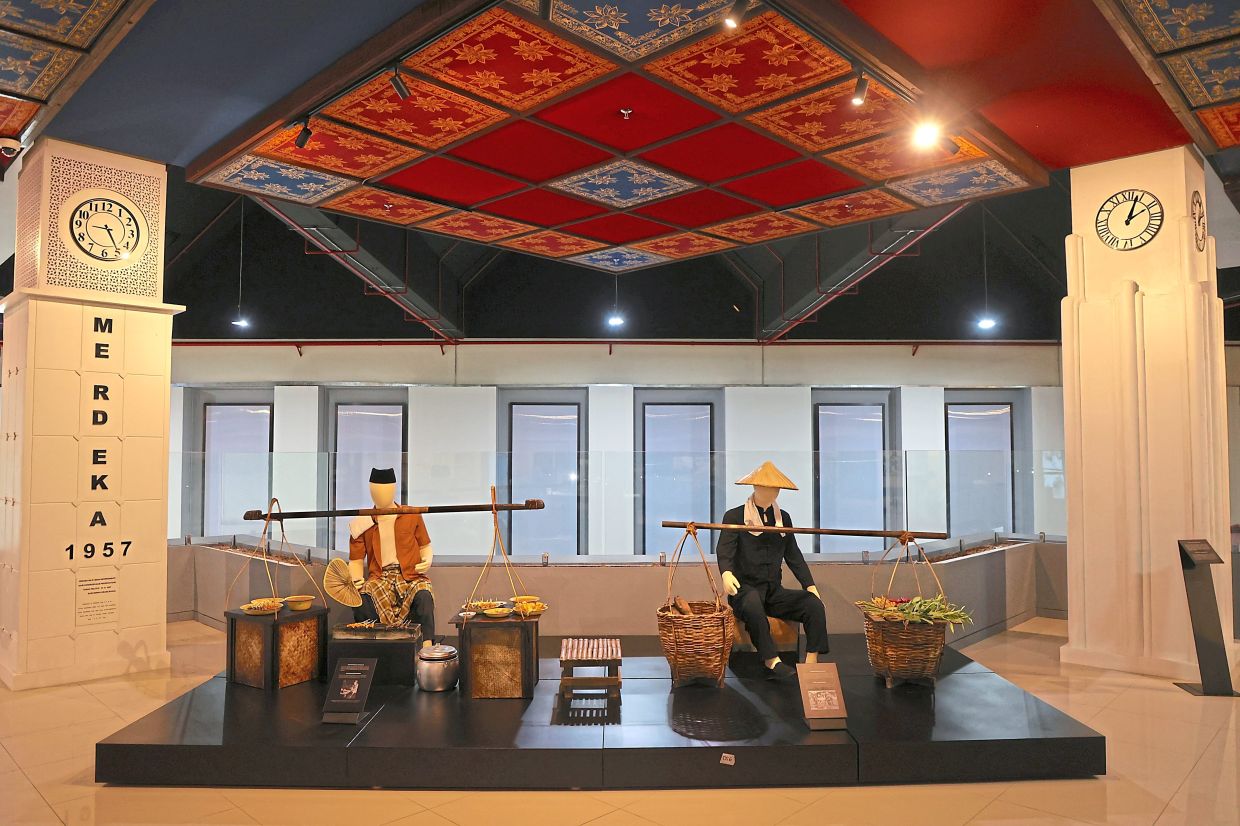
The Sultan Alam Shah Museum in Shah Alam has something in store for visitors.
For instance, the museum will be hosting two special exhibitions next year, one commemorating the 25th anniversary of the Sultan of Selangor, Sultan Sharafuddin Idris Shah Alhaj’s reign, and another in conjunction with Sukma Selangor 2026.
The first exhibition celebrates the Sultan’s leadership and contributions while taking visitors through Selangor’s rich cultural and historical journey.
“Our sports scene is worth showing. This is a great opportunity to showcase Selangor as both a dynamic and culturally-rich state,” says Rozzana Rahmat, the chief executive officer of Perbadanan Adat Melayu dan Warisan Negeri Selangor.
These initiatives aim to “position the museum as a key cultural gateway”. The museum is more than a collection of displays, it is designed to bring the past to life with immersive, family-friendly experiences.
For example, she shares, “The ‘Raja Sehari’ wedding gallery lets visitors step into a recreated traditional wedding dais, while the heritage food showcase, featuring over 100 realistic food models, sparks curiosity about Selangor’s culinary traditions. Families are encouraged to interact and take photos rather than just observe them.”
Digital elements and gamification further enhance the experience. Interactive art, projection mapping and QR-enabled storylines invite visitors to explore, while the Laman Kraf offers workshops where families can learn traditional crafts together – turning a museum visit into both educational and fun shared experiences.
These hands-on approaches stimulate imagination and make learning about Selangor’s history, culture and crafts enjoyable, giving tourists something meaningful to take home.
Rozzana highlights that the museum also collaborates with strategic partners, including Tourism Selangor, the Tourism, Arts and Culture Ministry and local authorities, to organise special programmes, heritage festivals and tourist-friendly packages.
The Malaysian International Tourism Development Association, together with Tourism Selangor and Santai Travel, recently organised the Tourism Industry Awards 2025 to celebrate the achievements and innovations of tourism industry players.
This annual event serves as a platform to encourage them to continue elevating their offerings.
It featured 80 award categories, including Best Indoor & Outdoor Theme Park, Best Eco-Tourism Experience, Best Shopping Mall, and Best Selangor Gastronomy Experience, among others.
Hopefully, with more recognition, tourism players will strive to continuously and consistently give good quality services not just during VM2026, but beyond.