
There are many Unesco World Heritage Sites, but only a few carry the Triple Crown status.
These are given to sites that are recognised with three of Unesco’s official titles, namely, World Network of Biosphere Reserves (Man and the Biosphere Programme), World Natural Heritage Sites, and Global Geoparks.
One of the Triple Crown holders happens to be located right here in Malaysia. Hint: it’s in Borneo.
Malaysia overall is blessed with an abundance of natural and historical wonders, several of which have earned a Unesco recognition or two.
Under the recently announced Budget 2026, the government has allocated RM25mil – part of the over RM700mil allocation for the whole tourism sector – to upgrade or refresh tourism facilities in the country, which includes the restoration of Unesco sites.
The sprucing up of these sites is timely as Malaysia is expected to welcome more visitors during Visit Malaysia 2026. The tourism campaign aims to attract 47 million foreign visitors next year, with offerings ranging from nature-based to culture-based experiences.
We speak to local travellers who share their suggestions on upgrades that can be done, in order to make our Unesco sites more appealing and welcoming to both domestic and international tourists.
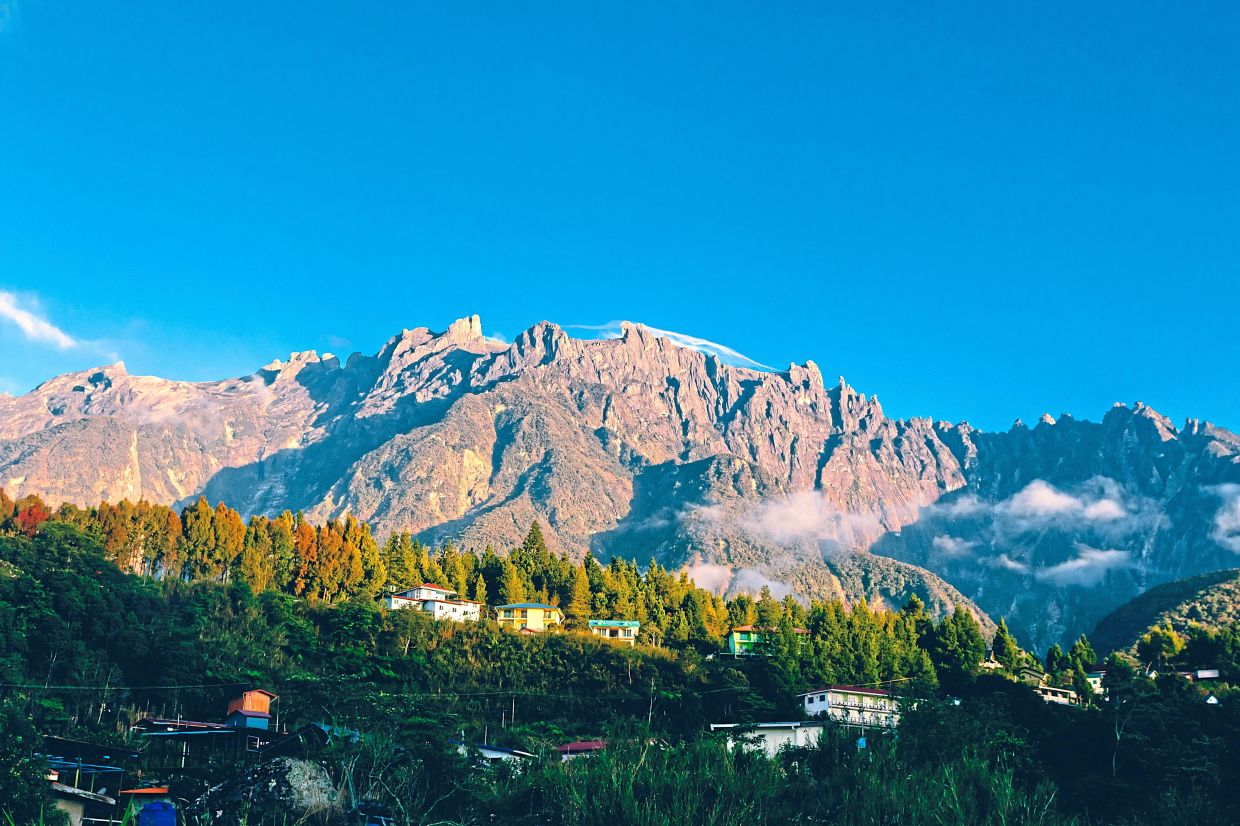
Kinabalu Park (Sabah)
Gazetted as a national park in 1964, Kinabalu Park would go on to be designated a Unesco World Heritage Site in 2000, and later a Unesco Global Geopark in 2023.
Including the Crocker Range Biosphere Reserve – designated in 2014 – Sabah is the only Malaysian state to hold a Unesco Triple Crown status.
However, Sabahan Regina Chua, 37, thinks the park still needs to be promoted more. “Promotion for the park must be amped up,” says the Kota Kinabalu-based interior designer.
The park can easily slip under the radar if visitors are only interested in climbing Mount Kinabalu or visiting the adjacent towns (Ranau and Kundasang), then heading back to KK. Most might not even venture beyond the capital city, reluctant to travel roughly 90km into the mountains to visit a park that they assume may not be worth the journey.
Proper promotional campaigning may erase doubts and also entice mountain climbers to stick around longer.
Chua notes that additional parking spots, a dedicated information centre, shuttle services to and from KK, and better road conditions can help encourage visits too, but acknowledges the fact that these improvements will require a longer period to be fully implemented.
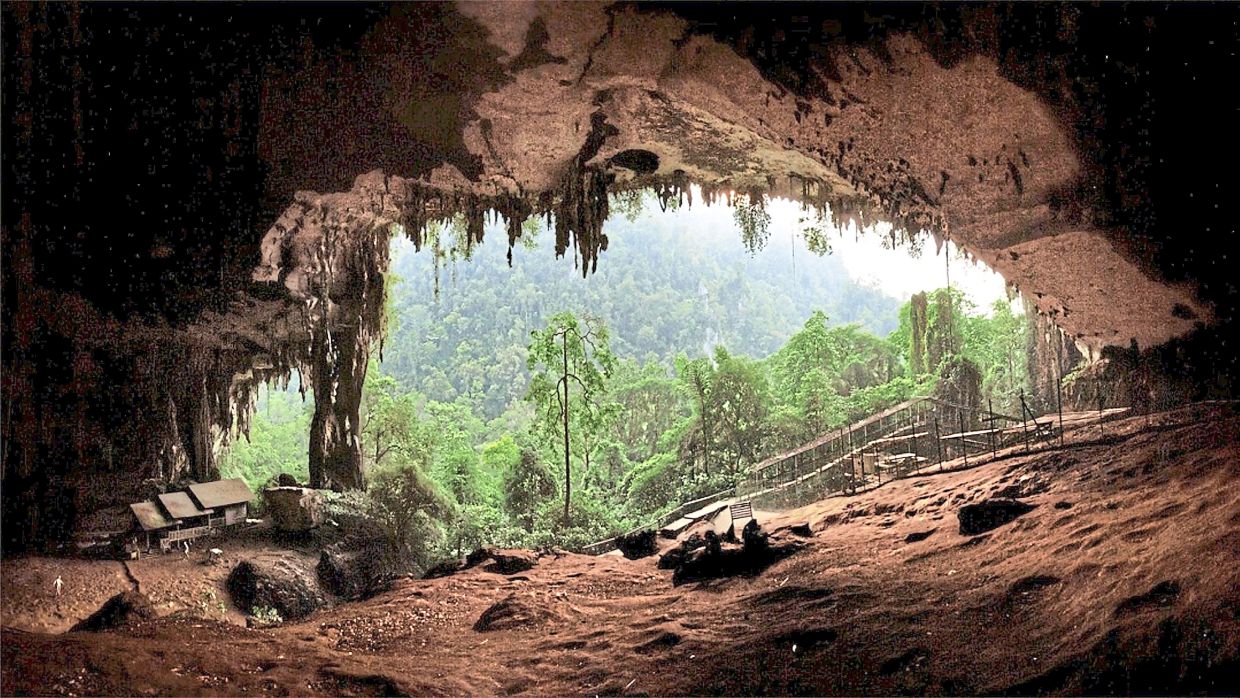
Niah National Park (Sarawak)
Sarawak-born Tan Lee, 25, who works in marketing, believes that Niah National Park could draw more visitors with effective marketing and promotions.
Cave tourism is gaining traction around the world, which is all the more reason why the park should be advertised.
Declared a Unesco World Heritage Site in 2024, the Archaeological Heritage of Niah National Park’s Caves Complex is recognised for its remarkable archaeological significance, with evidence of human settlement tracing back over 50,000 years.
The park’s extensive cave system holds the world’s longest-known record of human activity in tropical rainforest environments.
“Being a Sarawakian myself, I have visited Niah several times, but during each visit, there’s hardly anyone there,” Tan says.
“The promotion is not sufficient for a place with such a rich history,” she continues.
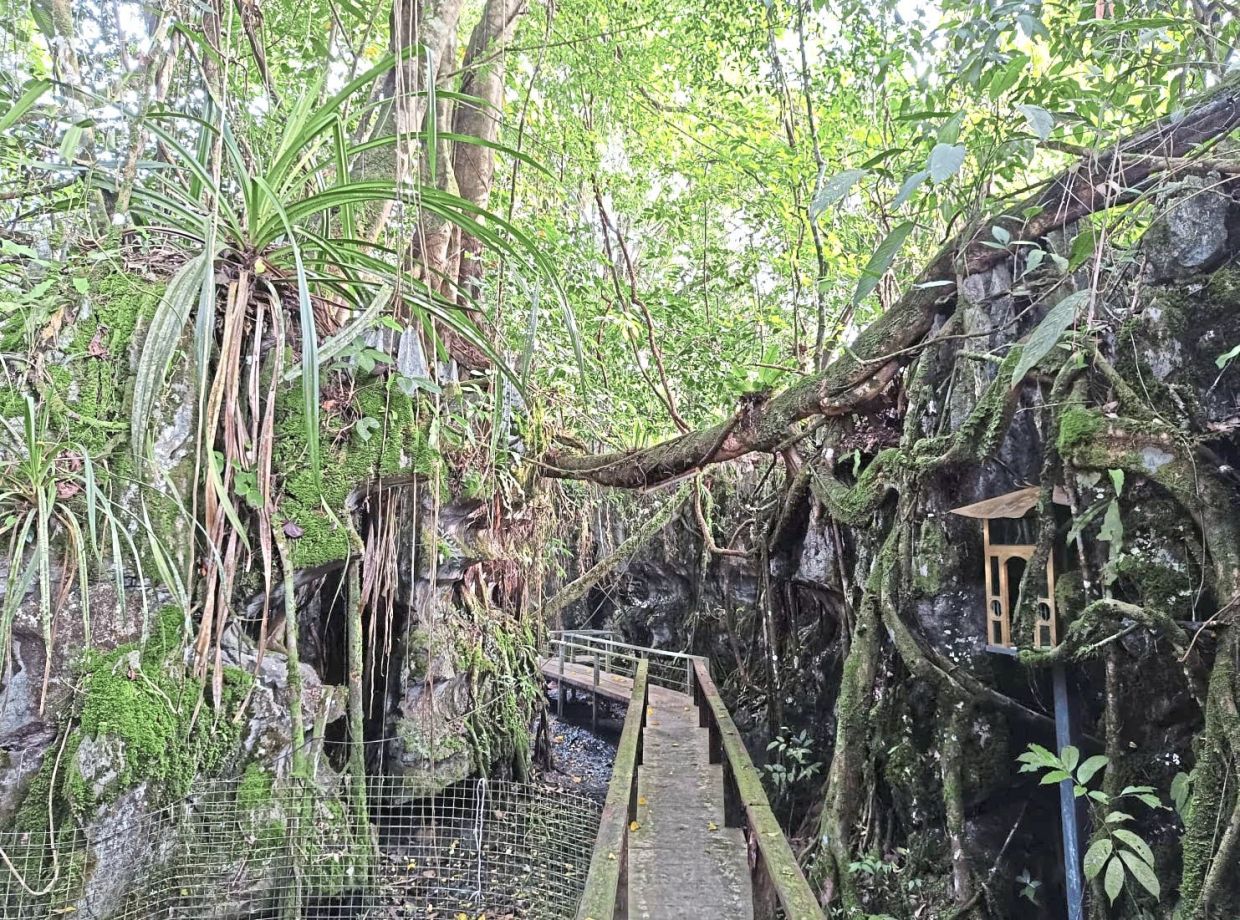
Tan expresses her concern that some of the park’s trails currently lack proper signage. Clear and concise information boards help visitors navigate the area safely, and learn more about the caves and its history.
Gunung Mulu National Park (Sarawak)
When it comes to accessibility and comfort, Gunung Mulu National Park in Sarawak could benefit from additional lighting, says Ismail Roslan, 38, a customs officer from Ipoh, Perak.
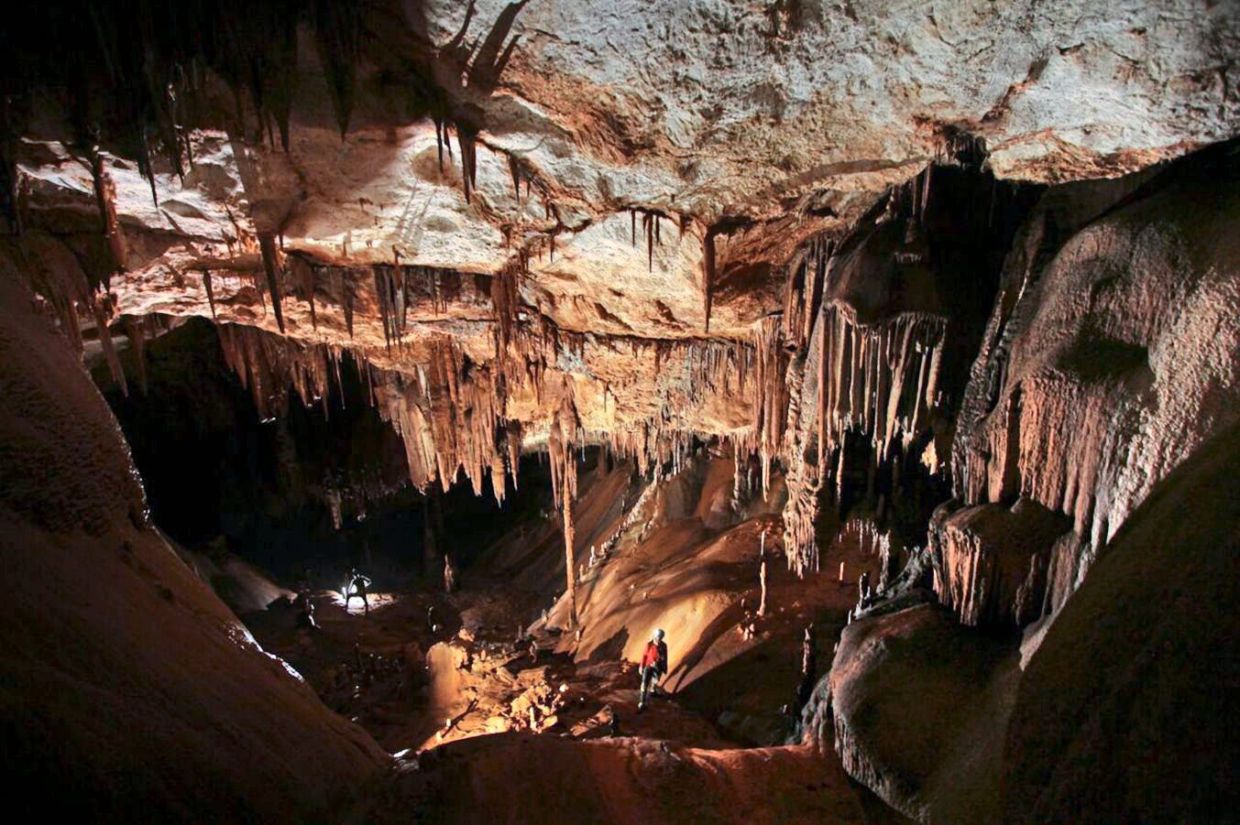
The park, inscribed in 2000 alongside Kinabalu Park, is home to the world’s largest known cave chamber, the Sarawak Chamber.
There are over 295km of explored caves and three mountains: Gunung Mulu, Gunung Api and Gunung Benarat.
Ismail has visited Deer Cave, Lang Cave and Clearwater Cave. He notes that the low visibility in some caves can hinder visitors’ experience. Without proper lighting, tourists may miss the geological and ecological wonders of the area.
He recognises the importance of preserving the caves’ ecosystem and believes it’s possible to do so without disrupting nature.
“We can install low-intensity light that reduces disturbance to the animals living in the cave, and it is also not harmful to the natural surroundings,” he explains.
Sarawak Delta Geopark (Sarawak)
Recently given a Green Card status by the Unesco Global Geoparks (UGGp) Council, Sarawak Delta Geopark – as well as Lenggong Geopark in Perak – is set to officially become part of the UGGp network in 2026.
Muhammad Mustaqim Rosden, 26, from Selangor, emphasises that this makes it even more crucial for Delta Geopark to ensure the upkeep of its facilities and infrastructure.
“Delta needs to update its official website to provide more insights about its geosites,” as this can help visitors better understand the place.
“There are 42 geological heritage sites within the delta, but only 10 currently have information on the website,” he says.
Another way that can greatly enhance visitors’ experiences is by hiring local guides. “Some geosites don’t have operators, which makes exploring them, or even learning about their rich history quite difficult,” Mustaqim, who runs a tour agency, adds.
Aside from these improvements, basic infrastructure, such as adding more trash bins, should not be overlooked.
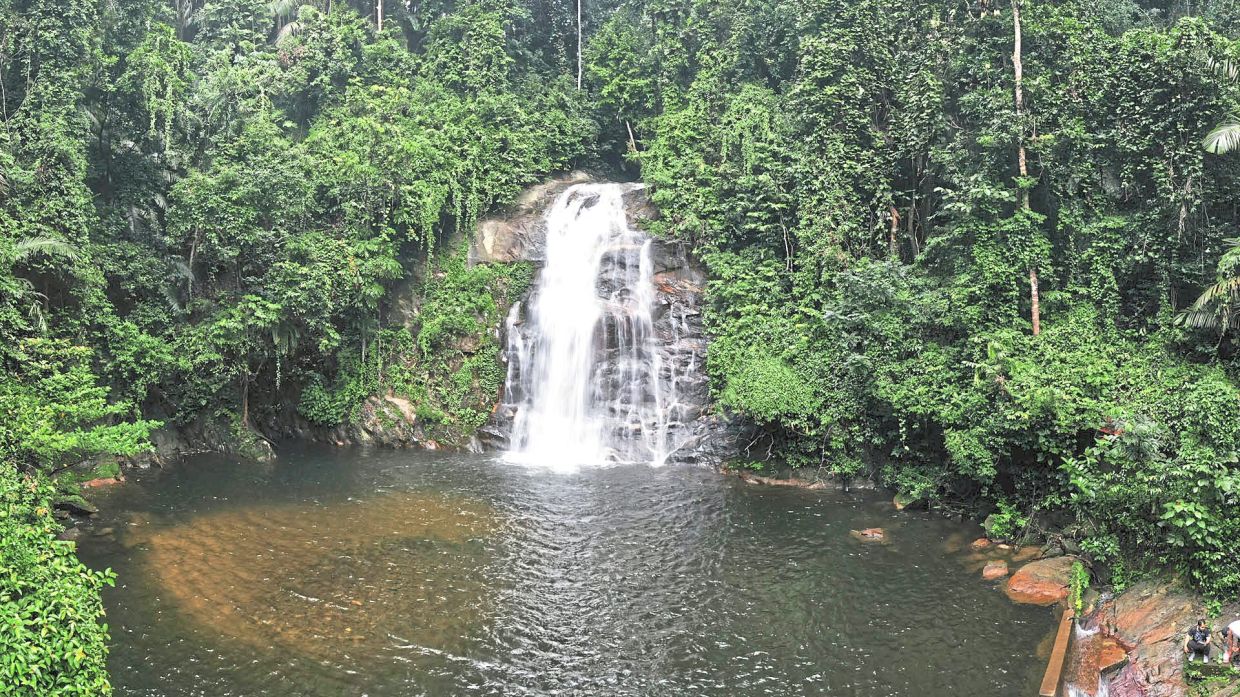
Lenggong Geopark (Perak)
In 2012, Lenggong Valley in Perak was designated a Unesco World Heritage Site. The area was also later recognised as a geopark in 2021, making it the state’s second one after Kinta Geopark.
By next year, Lenggong Geopark will formally be part of the UGGp network, joining Sarawak’s Delta Geopark.
While the park isn’t exactly unknown, Mohd Affirudin Md Zin from Kuala Lumpur is of the opinion that the whole Lenggong site still lacks recognition in comparison to its peers.
Other Unesco sites in Malaysia are better known by the general public, says Mohd Affirudin, 37, whose job as a manager at online travel agency Mynztrip gives him a first-hand insight into how tourists perceive the country’s domestic travel destinations.
He firstly suggests Lenggong add QR codes at its key sites. A more informative environment can help sustain tourists’ interest and encourage more visits.
“Boost the park’s social media presence,” he shares. Mohd Affirudin suggests posting stories and visuals of Perak Man to pique people’s interest, and to get them to come and see everything in real life.
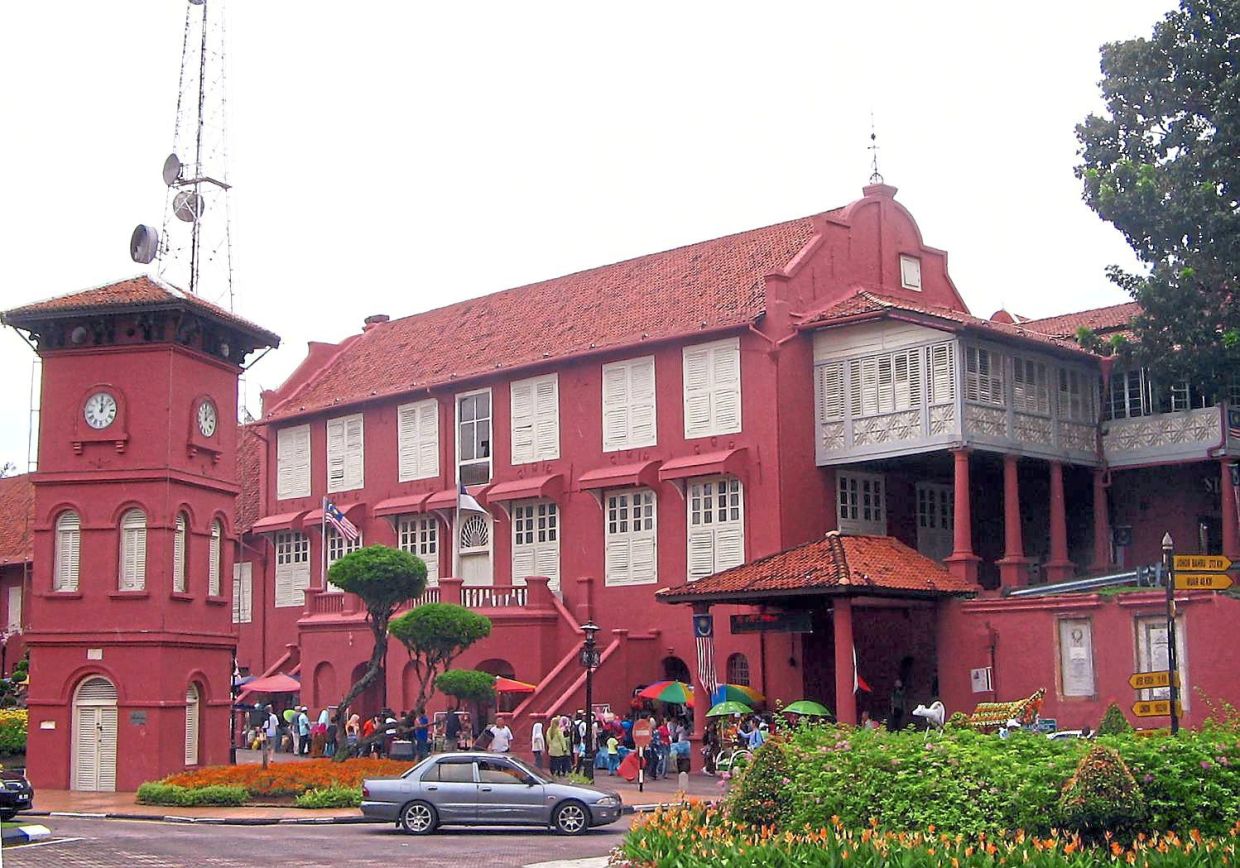
Melaka
The suggestion that Farah Syafiqah Mohd Din, 23, has in mind for Melaka is one that may also boost the historic city’s presence online.
Hailing from Klang, the fresh graduate finds it no hassle to travel to Melaka, but she does think that the city’s aesthetics can be further elevated.
“Redecorate and refurbish some of the old buildings by giving them a fresh coat of paint,” she says. She adds that their authenticity should remain intact, like how Central Market in KL was given a facelift without erasing its identity.
Melaka has many iconic buildings for folks to take pictures of, especially along the river. A refreshed look will complement the city’s current iconic red historical structure: The Stadthuys.
Jointly inscribed with Penang’s capital George Town on the World Heritage Site list in 2008, Unesco recognises both Melaka and George Town as Historic Cities of the Straits of Malacca for their unique multicultural heritage.
The early architecture and culture in Melaka were shaped by the 15th-century Malay sultanate, and would later be influenced by the Portuguese and Dutch during the 16th century.
George Town (Penang)
As mentioned, George Town in Penang makes up the other half of the Historic Cities of the Straits of Malacca.
In this coastal city, the influence of the British during the end of the 18th century is evident in its colonial buildings. Much like in Melaka, most of these now serve a modern-day purpose as retail lots or short-term accommodations.
As charming as George Town is, Penang-born Sobankumar Veerasivati, 27, feels it still needs to be made easier to navigate.
“I feel that tourists would have a hard time crossing the busy roads in Penang,” he says. Now that he is based in KL for his job as a sustainability coordinator, Sobankumar can empathise with out-of-towners’ disorientation in Penang.
Aside from improving pedestrian crossings, he also suggests placing proper signboards so that tourist spots are more easily identifiable.
“They may find the tourist spots via Google Maps, but it’s hard to spot them in real life without proper signboards,” he explains.
Forest Research Institute Malaysia (Selangor)
The Forest Research Institute Malaysia (FRIM) in Selangor was recognised as a National Heritage Site in 2012 and became a Unesco World Heritage Site earlier this year.
Spanning 545ha, the park is part of the country’s earliest large-scale tropical forest restoration projects, transforming a former tin mining area through replanting and conservation.
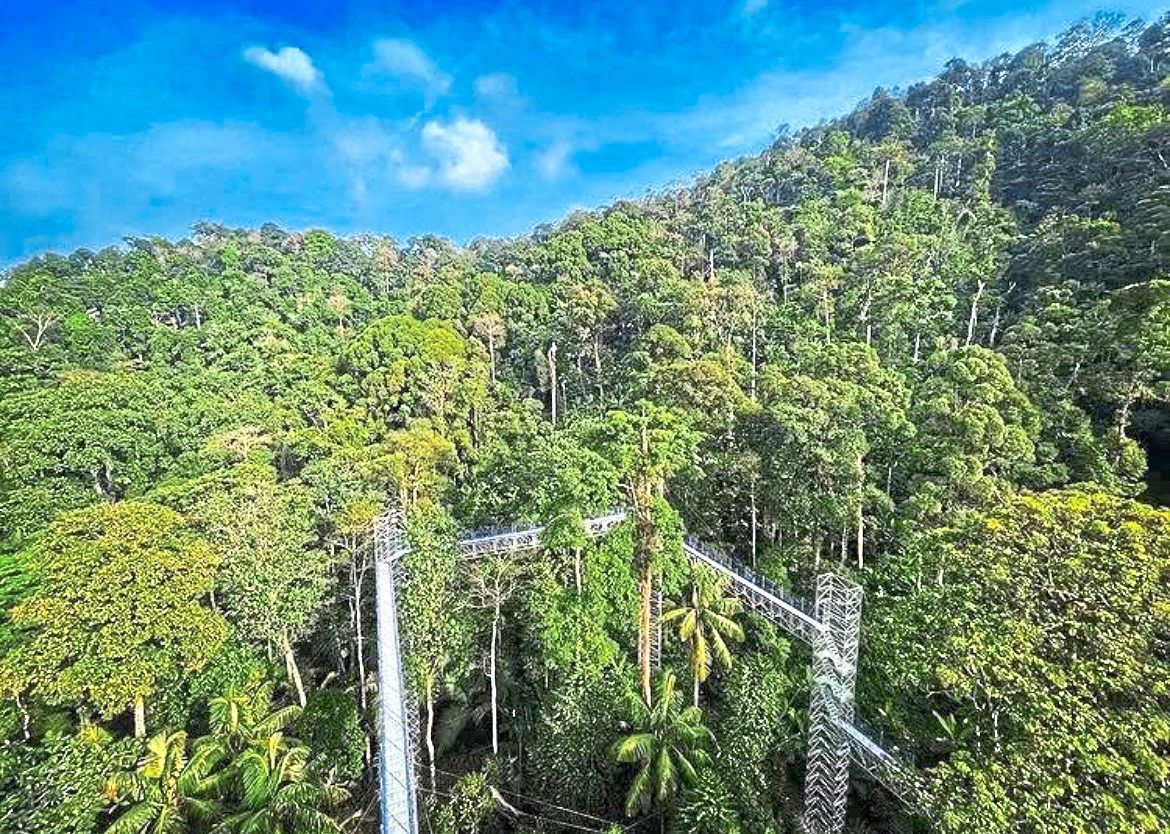
A few years ago, the Forest Skywalk was opened, adding a new attraction to the park. Made up of 11 towers and eight bridges, it lets visitors enjoy the lush greenery from above. The skywalk is especially popular on weekends, where people come for leisurely morning or evening strolls.
Unlike other parks such as Taman Tugu and Perdana Botanical Garden, where parking is free, visitors to FRIM have to pay. Emily Lee, 29, who is a real estate agent, says the fees could discourage regular visits.
“It would make more sense for people to come weekly if the parking rates were lower,” she says.
Langkawi Unesco Global Geopark (Kedah)
Being the first in Malaysia to earn the UGGp status in 2007, Kedah’s Langkawi Unesco Global Geopark is known for its ancient geological formations and unique ecosystems.
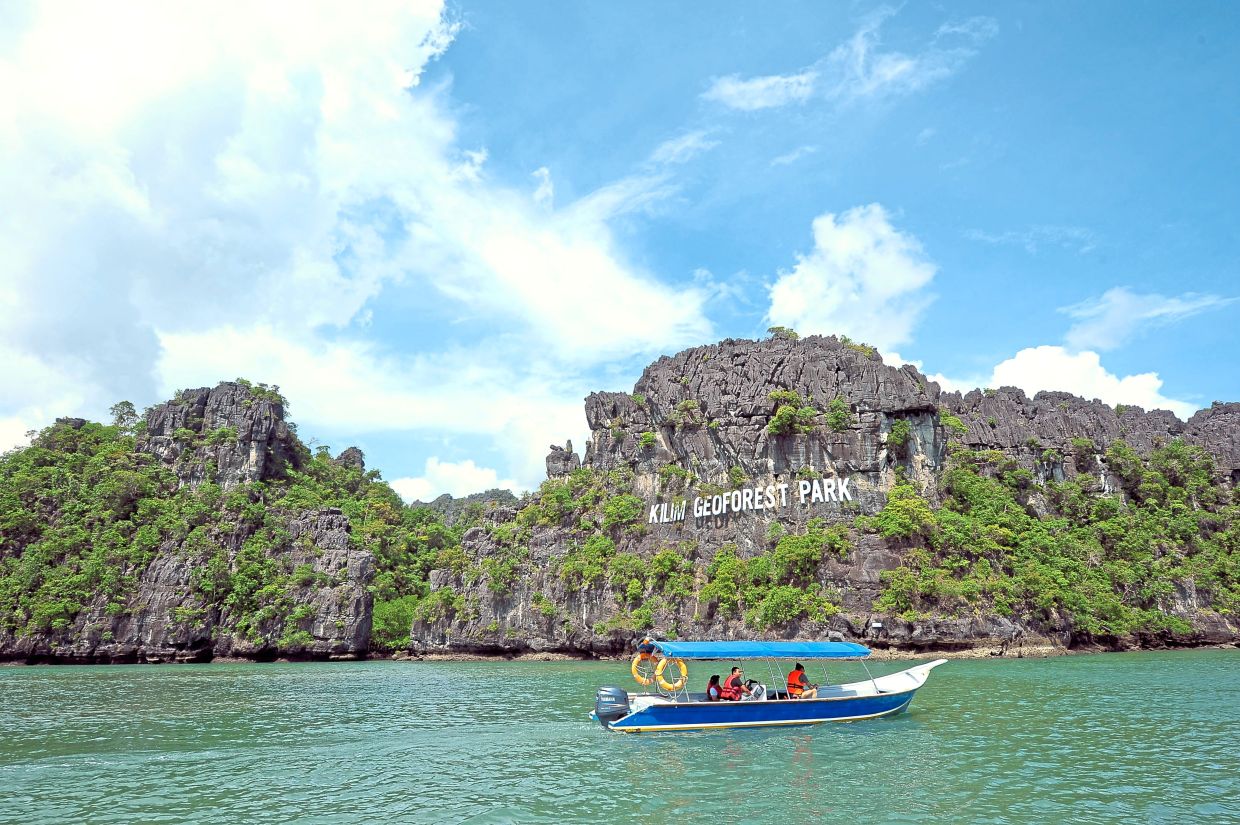
In the recent Budget 2026 announcement, plans were revealed to develop Langkawi’s geotourism attractions, which include the Kilim Geoforest Park and the Selat Panchor Cave adventure trails.
Having personally visited Selat Panchor, Perlis-born content creator Muhammad Fahim Mohamad Nazeri, 30, believes that local authorities should first prioritise maintenance.
“It’s easy to open new attractions, but the real challenge is taking care of them, and that, in my opinion, is something Malaysia’s tourism industry still struggles with,” he says.
“Langkawi is full of natural wonders, and we want to share them with people.”
He adds: “While the place is beautiful and has great potential, accessibility is poor and the trail signs are vague.
“These may seem like small things, but they make a big difference for visitors.”
Malaysia's Unesco sites
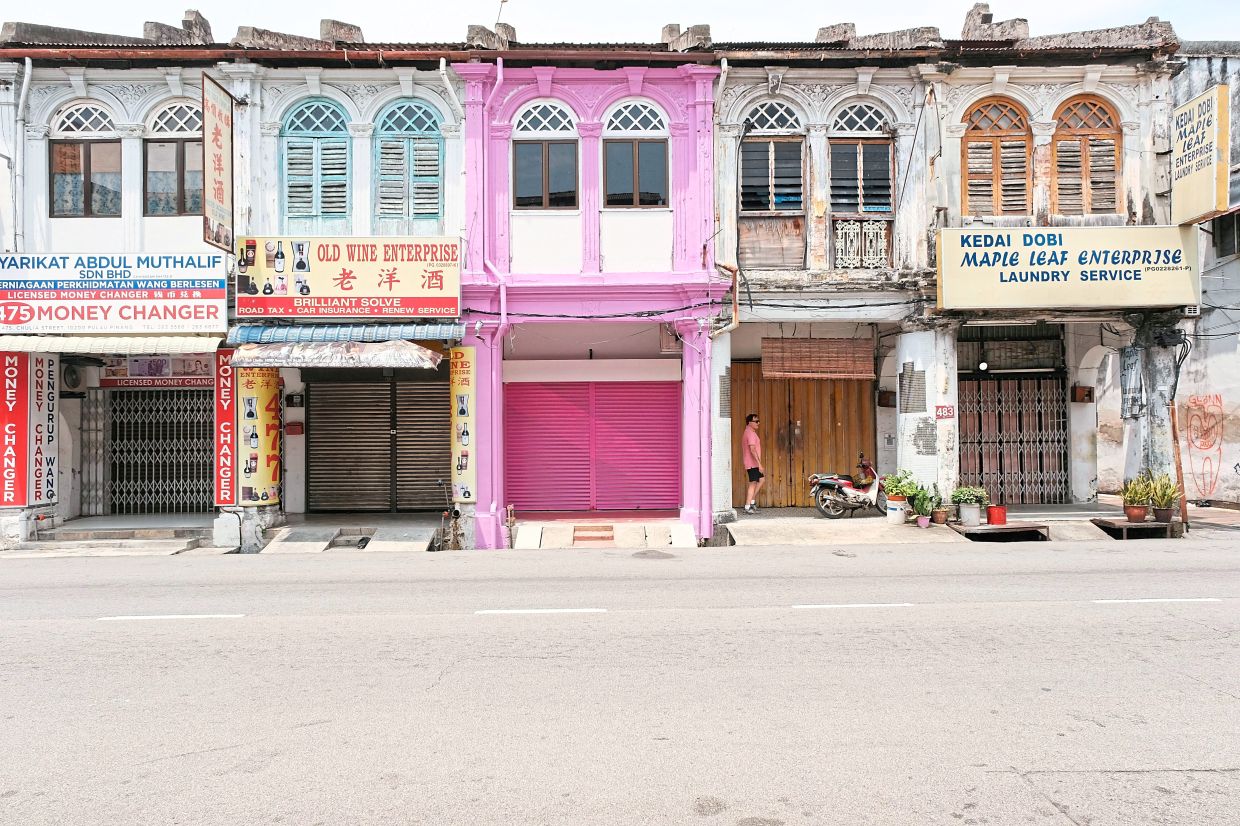
Many of the heritage buildings in George Town are shop houses and cafes. — Pexels
Mount Kinabalu is the crowning glory of Sabah’s Kinabalu Park. — Pexels
Niah National Park is recognised for its archaeological significance. — Filepic
Gunung Mulu National Park is home to the world’s largest cave chamber, the Sarawak Chamber. — Sarawak Forestry Corporation
Sarawak Delta Geopark will officially be a Unesco Global Geopark in 2026. — Sarawak Delta Geopark
Lenggong Geopark is the second geopark in Perak. — Lenggong Geopark
One of the most recognisable heritage structures in Melaka is The Stadthuys. — Filepic
The Forest Skywalk is one of the attractions at FRIM Selangor. — FRIM Forest Skywalk/Instagram
More geo-tourism attractions are planned for Kedah’s Langkawi. — Tourism Malaysia