
“Quick! Name three Japanese food!” If the only Nippon nibbles you can come up for this are sushi, ramen and mochi, this list here might help you expand your culinary repertoire.
Japan has plenty of delicacies to offer beyond its popular sushi and sake. Fresh seafood, sought-after wagyu, seasonal fruits and vegetables often feature in Japanese cuisine.
Also prominent in Japanese cooking is umami, a fifth flavour identified in 1908 by Japanese chemist Kikunae Ikeda (also the co-founder of that popular monosodium glutamate seasoning you likely have in your kitchen).
According to the Japan National Tourism Organisation (JNTO), the word “umami” can be translated to “delectable”. More specifically, it is the savoury taste that lingers on your tongue, making certain foods irresistible.
Japan is composed of 47 prefectures, which are further grouped into eight or nine regions – depending on whether Kyushu and Okinawa are counted as a single region. For the purpose of this article, we will count them as separate; even more mouthwatering foods (umami or not) that you can try!
Here are nine regional dishes to get you started on your gastronomic journey in Japan.
Hokkaido: Ikameshi
When you envision Hokkaido, you might picture an abundance of snow – and seafood. Crab dishes are arguably the region’s most famous, owing to the myriad of crab types it boasts. From king crab to snow crab, you can get your fill of the delicious crustacean here.
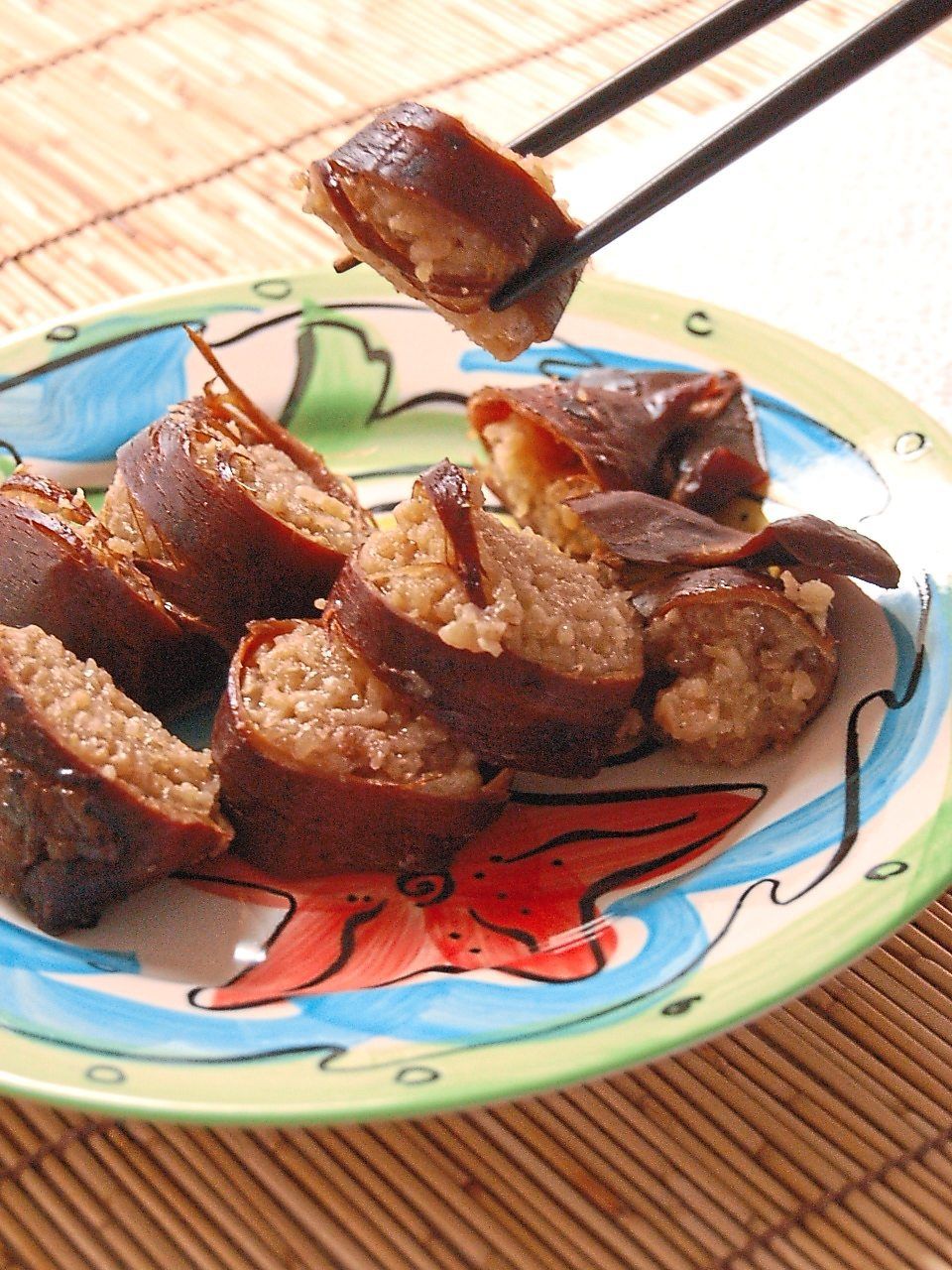
That said, you shouldn’t be neglecting another seafood dish that Hokkaido is known for: ikameshi.
Put simply, it’s stuffed squid. According to the official website of Japan’s Ministry of Agriculture, Forestry and Fisheries (MAFF), ikameshi was a wartime food invented to “save rice”, as rice – a staple food in many Asian countries – was in short supply during World War II.
It consists of a whole squid stuffed with glutinous rice. More likely back then it was filled with just uruchi rice, which you may recognise as “sushi rice”, but modern versions usually combine uruchi with glutinous rice for a more balanced texture.
Originally sold as ekiben (boxed lunch) at Mori city’s Mori Station, it continues to be sold in ekiben form to this day at the same station. You can also find it at a few other train stations, local eateries and the Hakodate morning market.
There are vacuum-sealed versions, too, which you can bring home as “exotic” souvenirs.
Tohoku: Negi soba
People who lack chopsticks skills may feel worried when dining in Japanese restaurants. Now imagine their anxiety skyrocketing through the roof when this traditional dish from the Tohoku region is placed in front of them.
Whether you’ve mastered the chopsticks or not, you’ll be facing the same predicament too if you ordered this noodle dish without prior knowledge of its ... uniqueness.
You’ll first notice the lack of utensils accompanying the dish. Next, you’ll note a large Japanese leek – the negi – sticking out among the unassuming ingredients. You’ll then look around the restaurant in bemusement, which will turn into amusement once you realise that exceptionally long leek is meant to be your “chopstick” – yes, singular.
Eating noodles with a single stick of leek may seem comical, but there is a historical reason behind this.
The JNTO website shares a theory that purports, in the olden days, it was considered bad luck to cut negi when serving it. Because negi used to be presented as gifts to the local lord, and was also widely used for celebrations.
This belief influenced the way negi was incorporated into Fukushima Prefecture’s soba (buckwheat noodles) dish.
Now, negi soba is enjoyed by everyone for its “unique utensil”, as well as for the wonderful pairing of the chewy noodles with either hot or cold savoury broth.
Best of all, after slurping down the last strand of soba in your bowl – you can eat your chopstick.
Kanto: Katsuura tantanmen
Finding truly spicy food is such a rarity in Japan – where “really spicy” tends to translate to barely a tickle on your tongue – that you might even disregard warnings of spiciness levels at Japanese restaurants.
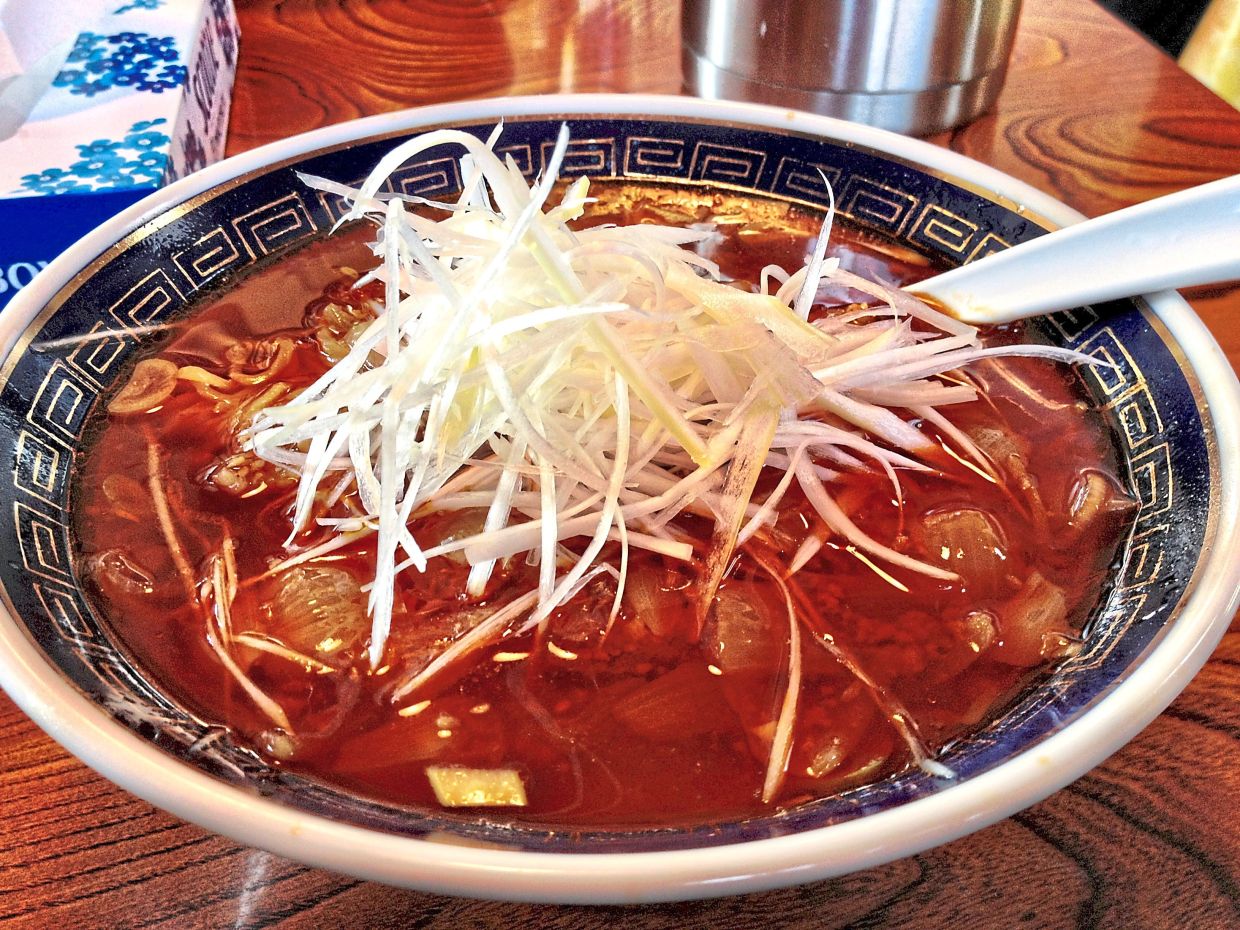
But with Kaatsura tantanmen, you know you’re in for a good spicy treat.
Named after the coastal city in Kanto’s Chiba Prefecture, this tantanmen comes with a flaming red broth that is shoyu-based.
It deviates from the typical sesame-based broth because it is said that Ezawa, who is often credited as the creator of Kaatsura tantanmen, did not have any sesame paste to include in his recipe.
But he did have soy sauce. He also had plenty of rayu chilli oil, and he included a generous amount of this to add a kick to the dish. Thus, tantanmen is born and it is now synonymous with the city as well as his eponymous restaurant.
Tantanmen, a variation of the Chinese noodle dish dandanmian or spicy Sichuan noodles, was introduced to Japan in the 1950s by Sichuan-born chef Chen Kenmin.
The spiciest iteration of this dish is reportedly the one by the restaurant Kirinen in Kyoto (in the Kansai region) – a long-time champion of the Kara-1 Grand Prix, a competition for Japan’s spiciest food.
Kaatsura tantanmen does not have this certification, but it is the winner of the 2015 B-1 Grand Prix, which celebrates Japan’s regional gourmet foods.
Chubu: Hida beef croquette
Wagyu refers to four main Japanese cattle breeds: Japanese Black, Japanese Brown, Japanese Shorthorn and Japanese Polled.
Wagyu – “wa” translates “Japan” or “Japanese”, while “gyu” means beef – is often strictly labelled by its place of origin; think how only sparkling wine from Champagne in France can be called champagne.
Kobe beef, from the eponymous city in Kansai, is the most famous type of wagyu, so much so that other just as high quality ones get sidelined. Arguably, the reason for its fame all boils down to marketing. Create enough hype, put people on waiting lists, and watch everyone clamour for it.
If you thought that waiting list part was a joke, just know that currently there is a restaurant with an almost 40-year waiting list for its Kobe beef croquette.
If you don’t fancy waiting that long, go for the “alternative”, made from beef that many meat connoisseurs consider to be better than Kobe beef.
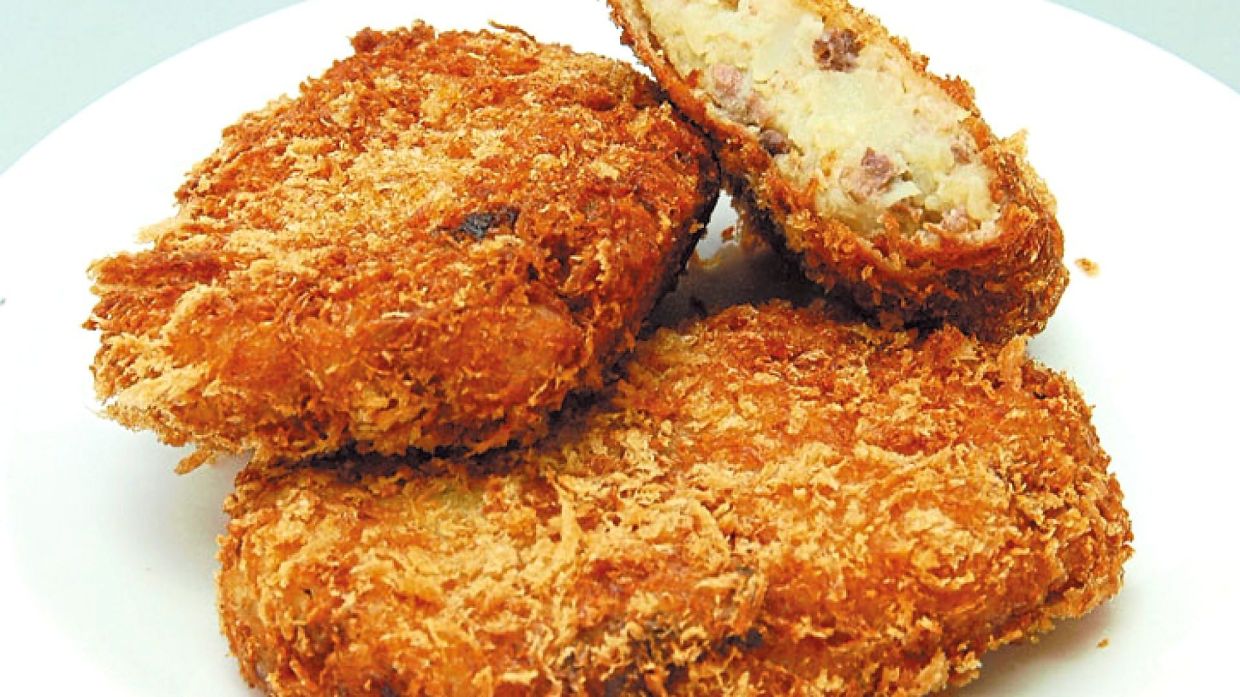
Hida beef, also from the Japanese Black breed, is among the Chubu region’s top food products. Its croquette form is a popular street snack from the Gifu Prefecture.
Croquette, or korokke, is a Japanese adaptation of the French croquette which replaces the latter’s bechamel sauce filling with mashed potatoes. In a way, it is kind of like begedil ...
To make the Hida beef croquette, the meat is mixed with mashed potatoes and vegetables, coated in breadcrumbs and deep fried until golden brown.
Kansai: Goma tofu
There is a reason Kansai has repeated mentions here, it is after all monikered “Japan’s Kitchen”.
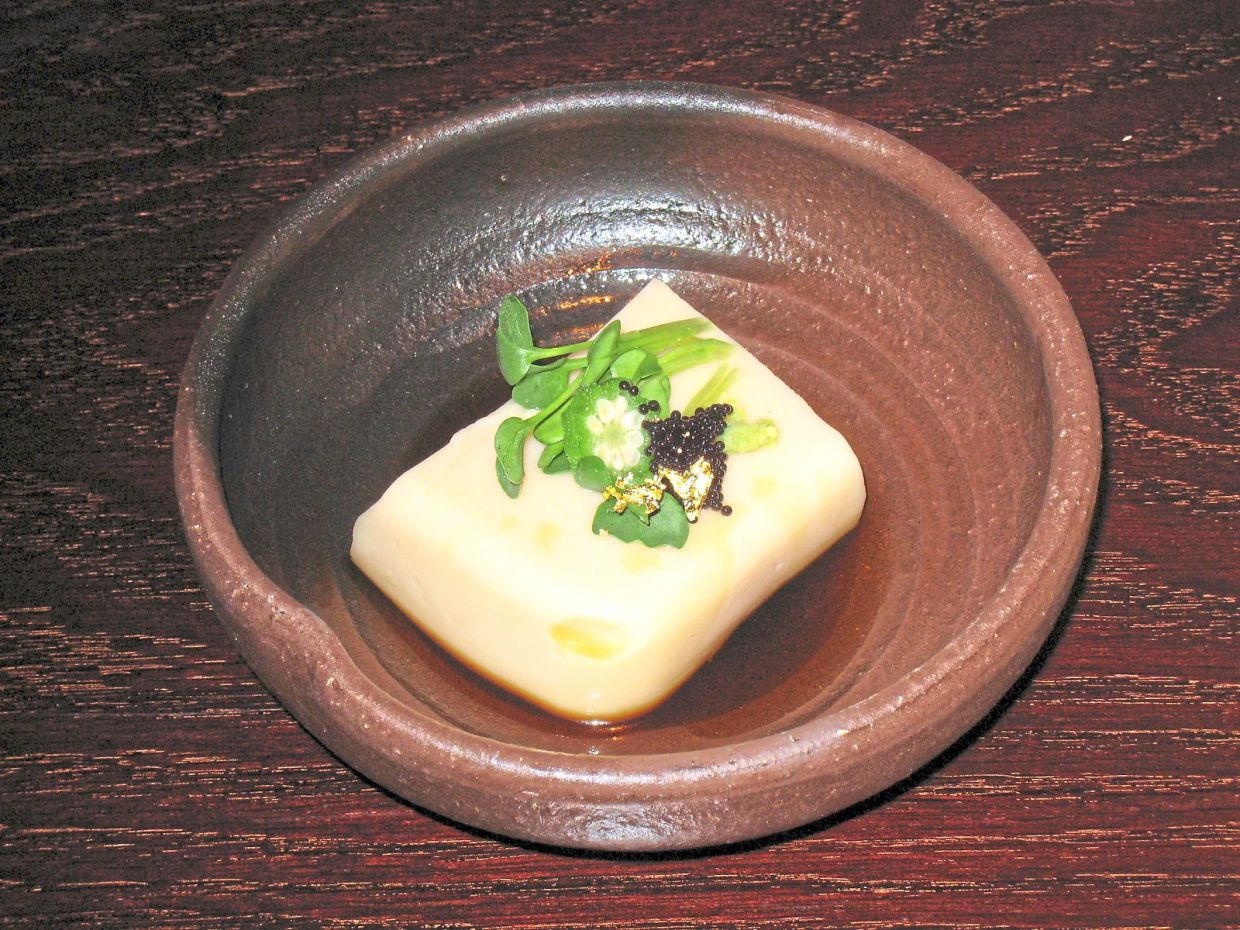
If eating all that Kobe beef and spicy tantanmen has got you craving for something lighter to cleanse your palate, look no further than goma tofu (alternatively spelled goma dofu).
Despite its name and appearance, goma tofu is technically not tofu. Instead of soymilk, it uses ground sesame paste, mixed with kudzu powder (starch powder made from kudzu plant) and water to give it that silken tofu look.
MAFF shares on its website that goma tofu’s existence can be credited to the monk Kobo Daishi, the founder of Koyasan, a temple settlement in Wakayama Prefecture.
After visiting China, Kobo Daishi brought back sesame seeds to cultivate in Koyasan. This led to the eventual creation of the sesame tofu, made by mixing raw sesame seeds with Yoshino arrowroot and water from Koyasan.
Goma tofu has since become part of the vegetarian Buddhist diet at Koyasan. It is now available beyond the temple too, served at restaurants and sold at souvenir shops.
Chugoku: Uiro
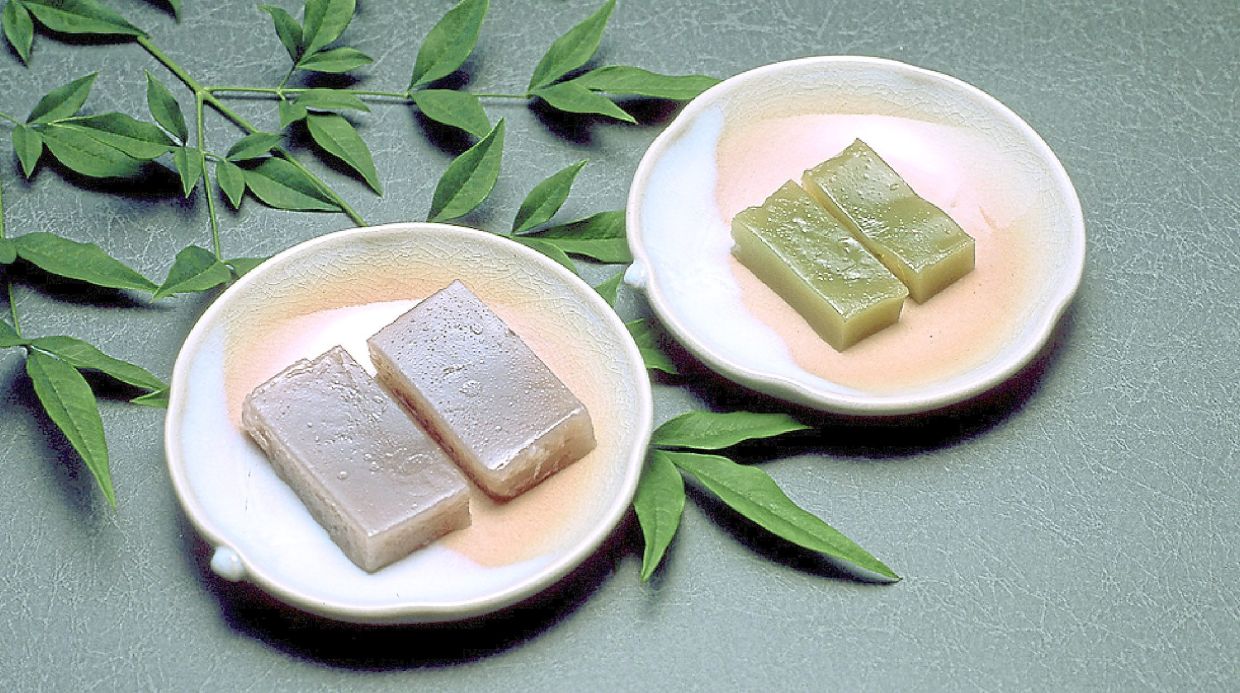
If you like mochi, you’ll want to give uiro a try. It shares a similar chewy texture, but is prepared and moulded differently.
Uiro is less sticky than mochi, the result of being steamed instead of pounded. It is shaped into block shapes and then sliced, instead of rolled into spheres like commonly done with mochi.
The uiro found in Chugoku’s Yamaguchi Prefecture differentiates itself further with its main ingredient. While uiro and mochi from other prefectures use rice flour, Yamaguchi uiro uses warabi flour or bracken starch.
This gives the Yamaguchi uiro its slightly translucent appearance. Its texture is also more elastic and smoother. Locals affectionally call this smoothness ottori, according to MAFF.
You can savour a wide variant of flavours when it comes to uiro. Choose from azuki (red bean), yuzu (citrus fruit), matcha, chestnut, strawberry and many more.
While there is no official account of this, it is widely believed that uiro was created by a Chinese official – “uiro” was his title, which he repurposed into his family name once he resettled in Japan.
The medicinal herb he started selling was naturally named after him. The dessert later introduced as accompaniment to the herbal uiro became known as the sweet uiro, and thanks to its more palatable taste, it overtook the herbal version in terms of popularity and is now the jelly-like dessert we know today.
Shikoku: Jakoten
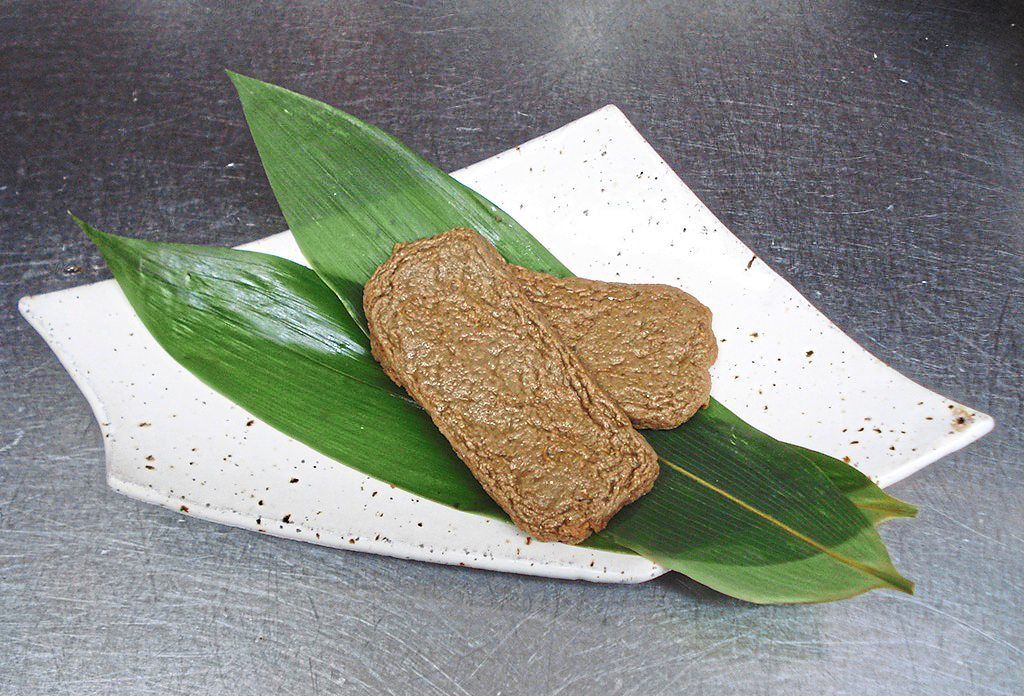
Think lekor, but in patty form. It may not be the best comparison, but at least it gives you an idea of what jakoten is.
Unlike lekor, however, which uses deboned fish, jakoten is made with the whole fish – bones and all.
From the skin to the meat, everything is ground together and added to a mix of flour, salt and egg before being deep-fried. The inclusion of the bones is said to give the fried fish paste its crispy texture and high calcium content.
Curious what that whole process would look like in person? You can always try your hand at making a jakoten yourself.
According to Tourism Shikoku, there is a workshop in Ehime Prefecture’s Uwajima city that teaches the traditional method of making jakoten, using bamboo spatulas and wooden frames (used to press the fish paste into its patty shape).
Typically, a small bioluminescent fish called haranbo is used to make jakoten. But other varieties like horse mackerel and hairtail may also be used.
Jakoten is recognised by MAFF as one of Japan’s “100 best local dishes”.
Kyushu: Yaki curry
In a way, Japanese curry is comparable to medieval animal paintings, in the sense that its very essence is almost there, but not quite.
Similar to how medieval painters had to illustrate an animal they had never seen in person, Japanese cooks only had British sailors to rely on for their knowledge on Indian curry. The result is kare, a culinary adaptation that is uniquely Japanese.
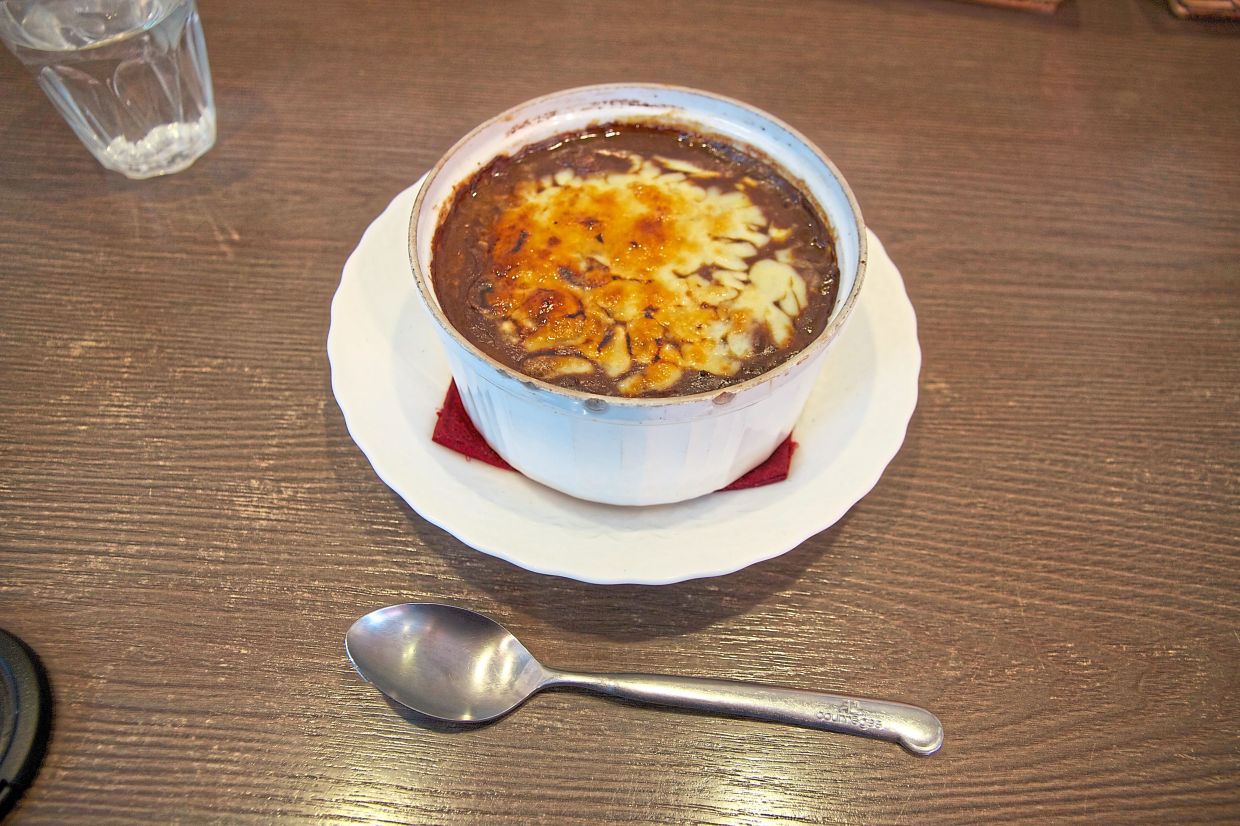
When visiting Kyushu, specifically in the Fukuoka Prefecture, you will find that kare or curry is most famously served in a baked rice version.
Yaki curry, also known as baked rice curry, is said to have been an experimental creation by the owner of a restaurant in the Mojiko neighbourhood of Kitakyushu city. The owner simply put cheese and egg on leftover curry rice – another popular curry-based Japanese cuisine, which is widely considered a national dish – and stuck it in the oven.
Now Yaki curry has become so synonymous with the area that, according to the Fukuoka Prefecture Tourism, a group of Yaki curry restaurants banded together to form the Mojiko Yaki Curry Club in March 2007.
If you’d like to get a taste of this dish, you can easily locate all the restaurants serving it via the handy yakicurrymap.com.
Okinawa: Sata andagi
Long before TikTok discovered the gem that is “saataa andagii” (sic), this meme was already going viral about two decades ago.
The meme references a scene in episode 21 of the anime series Azumanga Daioh, in which the character Osaka kept repeating the phrase in the same curiously flat yet excited tone.
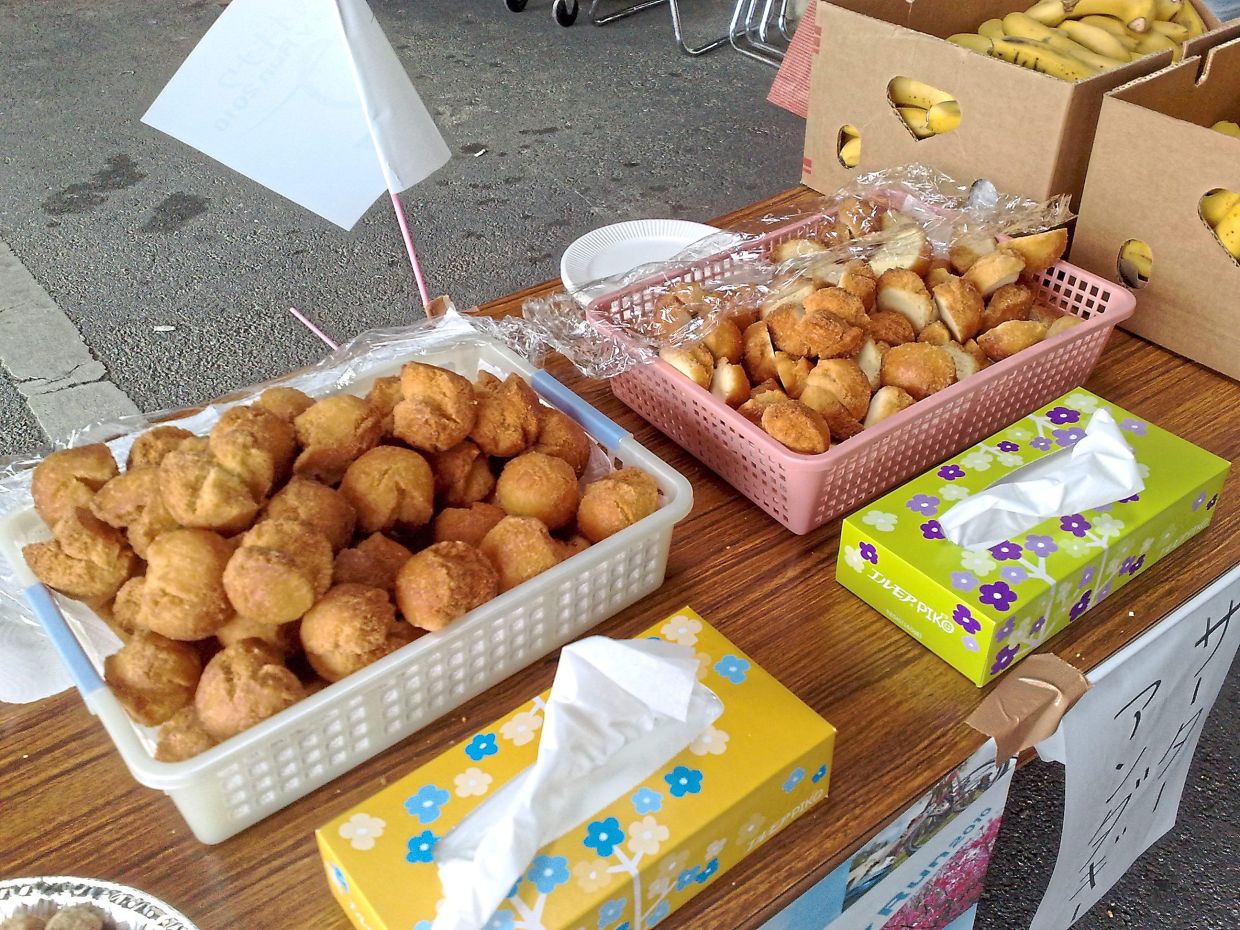
Osaka and her friends were eating sata andagi while on a school trip to Okinawa, where this doughy dessert originates in. Also known as Okinawan doughnuts, it is a traditional treat that is crispy on the outside and soft on the inside.

Its name translates to “deep fried sugar” in the Okinawan dialect, and its recipe calls for a simple list of ingredients: wheat flour, egg and, of course, sugar.
According to MAFF, sata andagi was introduced to Japan by China during the reign of the Ryukyu Kingdom. This explains why, at a glance, its appearance closely resembles the Chinese sesame ball pastry.
When you visit Okinawa Island, you can find sata andagi around the popular shopping street, Kokusai-Dori. If you happen to be on Ishigaki, another island within the Okinawa Prefecture, the Ishigaki City Public Market has an underground eatery that sells this sweet treat.