
More people seem to be chasing that “dangerous activity” high these days. For some thrill seekers, that means hiking around active volcanoes.
This daring form of travel has become a growing trend, and that’s not always a good thing. Hiking up an active volcano comes with many risks, and some hikers either don’t do enough research before doing the challenge, or are too confident of their physical and mental abilities.
Worse still are those who do not listen to or follow the instructions of their guides.
Unstable terrain, toxic gases and even landslides can turn the experience into a dangerous one. Meanwhile, rescues are often difficult in these volcanic areas, too.
In June, for example, Brazilian traveller Juliana Marins, 26, tragically lost her life after falling while climbing Indonesia’s Mount Rinjani. Marins was said to have survived the initial fall of about 300m into the crater. But while awaiting rescue, she unfortunately plunged deeper into the caldera, making it even more difficult to rescue her.
Two Malaysian climbers were also reported facing similar mishaps. One, sadly, lost his life while the other miraculously survived after plunging about 80m into a ravine.
Two years ago, tragedy struck when the famous Indonesian volcano Mount Merapi suddenly erupted, claiming the lives of 23 hikers.
This proves that no one should underestimate the risks when hiking volcanoes.
Despite these dangers, the allure of volcano trekking continues to draw many people.
We spoke to two Malaysian climbers to understand what drives them to pursue this risky yet fascinating activity.
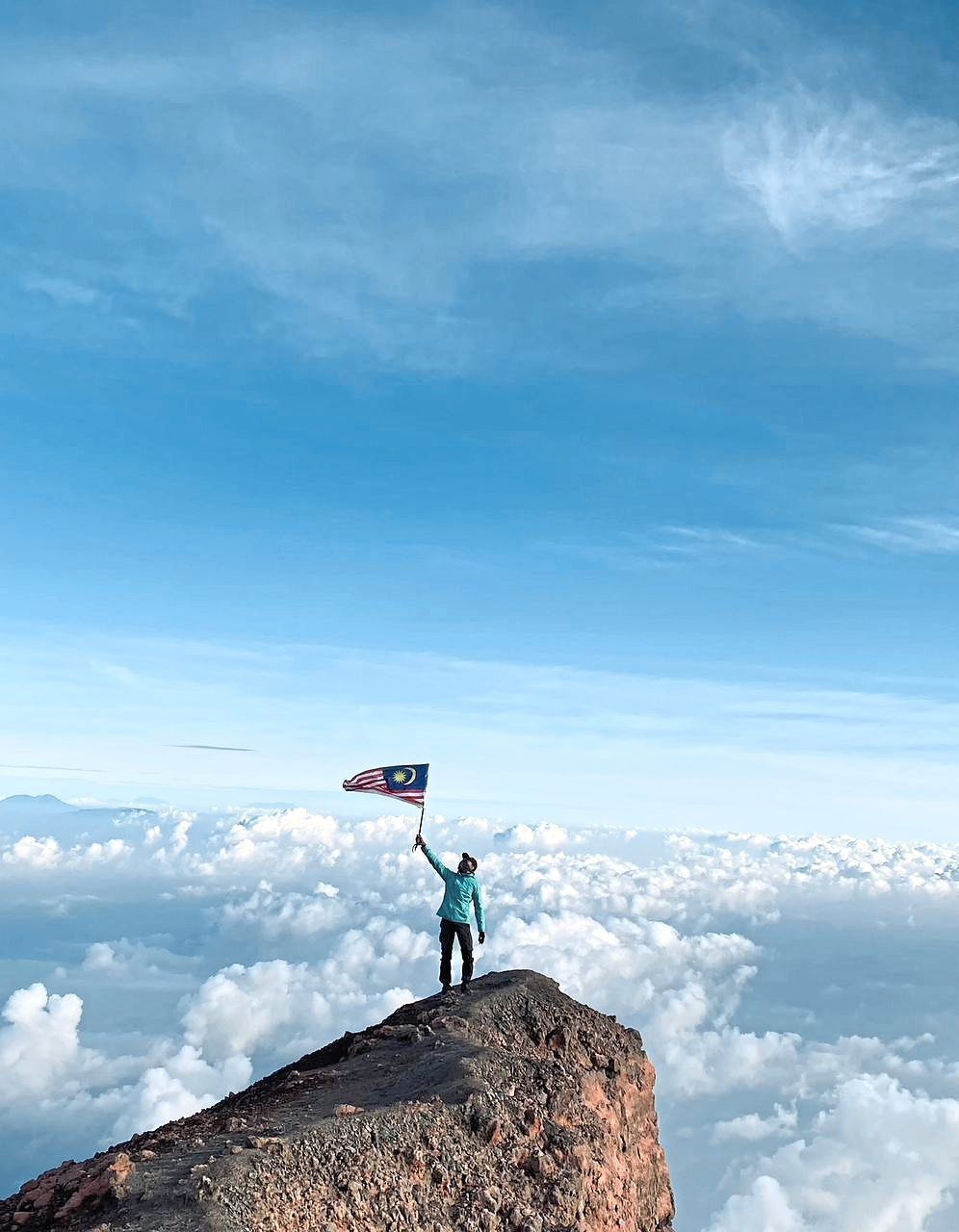
Be mindful
After spending close to a decade conquering mountains across Asia, avid hiker Iman Syamir, 24, said he began seeking a different kind of adventure, one that challenges the familiar.
“I wanted to push my limits,” he said.
That decision led him to Mount Kerinci in Indonesia – South-East Asia’s tallest volcano – often referred to as the “Rooftop of Sumatra”.
“I felt like I was on top of the world,” he recalled his first volcanic hike three years ago.
But of course, before setting out, Iman did his fair share of research, just as he would for any other climb.
He discovered that while Malaysia’s rainforests are damp and vibrant, volcanic forests are nothing of the sort. The soil is rich in minerals, yet the landscape can appear barren. On “younger” volcanoes, there’s hardly any vegetation.
“You can study and plan all you want,” he said. “But nothing compares to being there yourself.”
For Sabillah Nazifa, 29, her first attempt was Mount Rinjani. She said that while the experience of hiking a volcanic mountain is indeed unique and rewarding, it is not without its challenges.
Sabillah, who made the climb three years ago, first fell in love with the idea after seeing Rinjani’s rugged beauty on Instagram.
Her passion for hiking began in her teenage years, when she spent her spare time exploring the outdoors with her father. After his passing, hiking became her way to heal and stay connected to him.
One of the biggest obstacles to trekking on volcanoes, she said, is the weather. “When you’re up there, you never know what (kind of weather) you’re going to get.”
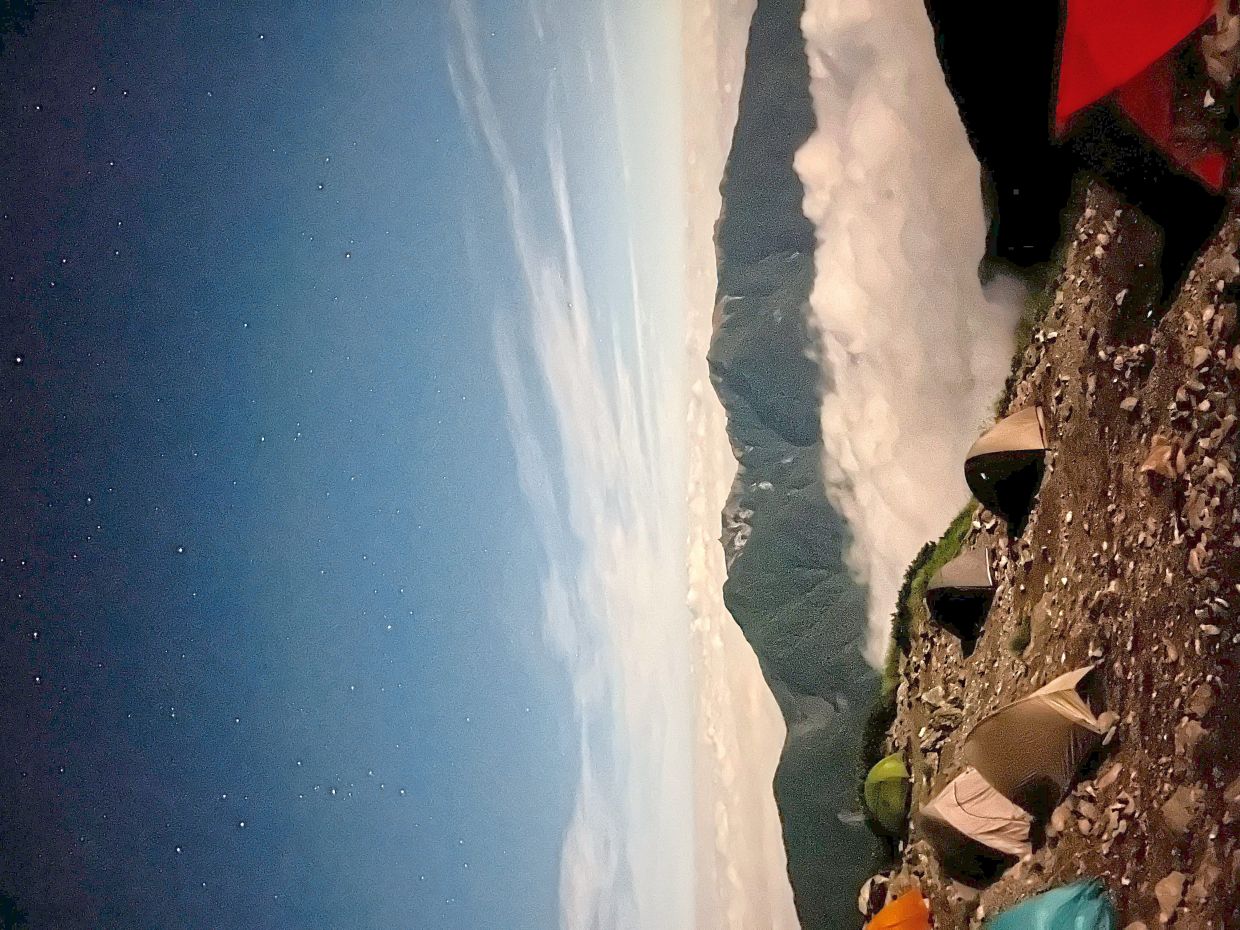
The multi-day climb demanded up to eight hours of ascent each day, where the exposed slopes also meant not having shelter from the cold wind.
“We had to hike in the freezing air, and that can easily lead to hypothermia if one is not well prepared,” she said.
“Frozen fingers, heavy breathing ... like it or not, they’re what you are fighting against up there.”
Sabillah recalled a terrifying experience involving a friend who suffered hypothermia midway through a hike.
“She was gasping for air. We were already deep into the trail, but thankfully, we acted quickly ... we gave her hot drinks to keep her warm and let her recover slowly.”
After witnessing this, Sabillah said it taught her not only to stay alert but also plan ahead to avoid any “what if” situations.
She stressed the importance of knowing your own body’s strength and weakness, and being fully prepared before any climb. “Your health is your priority,” she said.
Always carry heat packs with you to keep yourself warm throughout the journey, she said. “It’s also important to wear layers of warm clothing, and bring an emergency kit as well as snacks.”
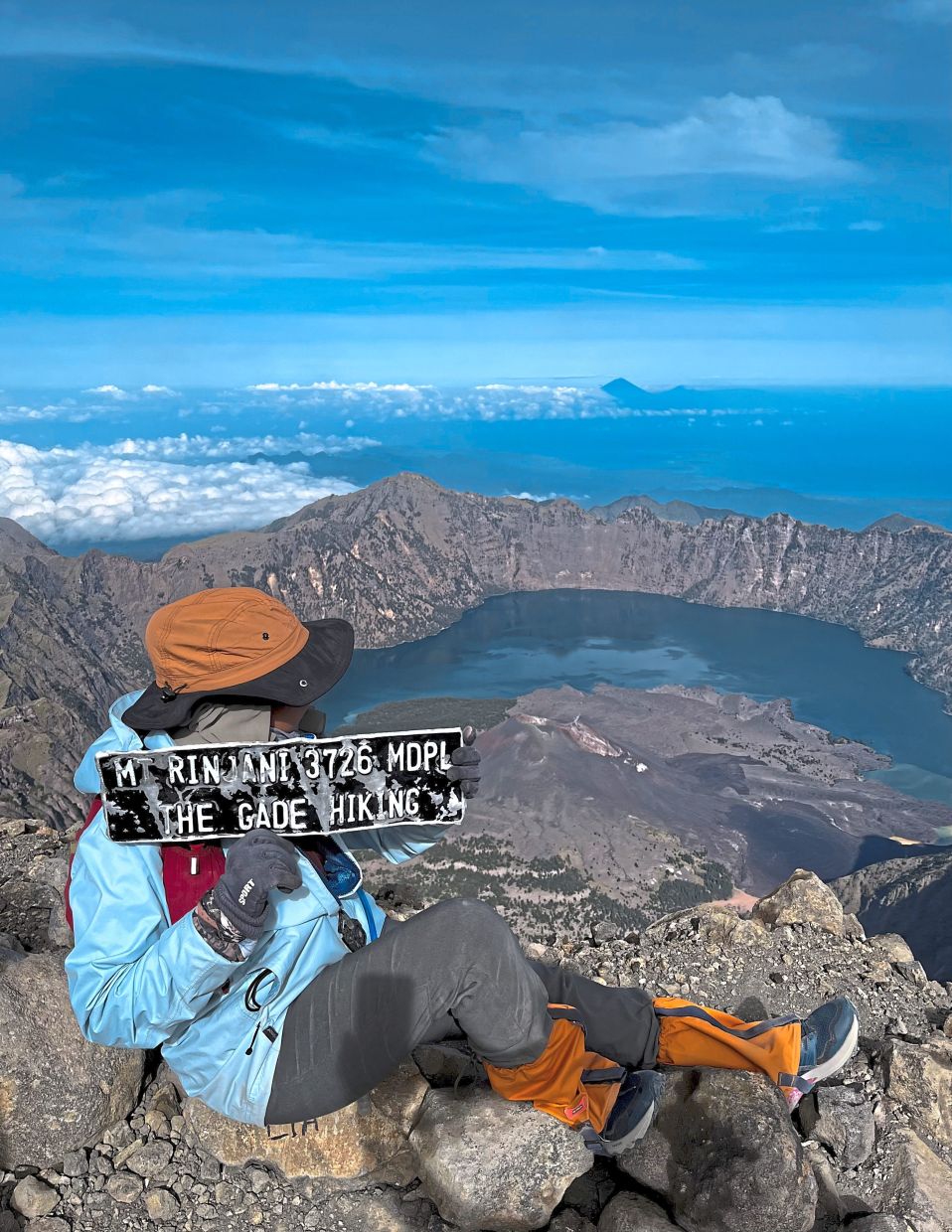
She warned that strong winds can sometimes come with typhoons and heavy rain, a dangerous situation no one wants to face at a high altitude.
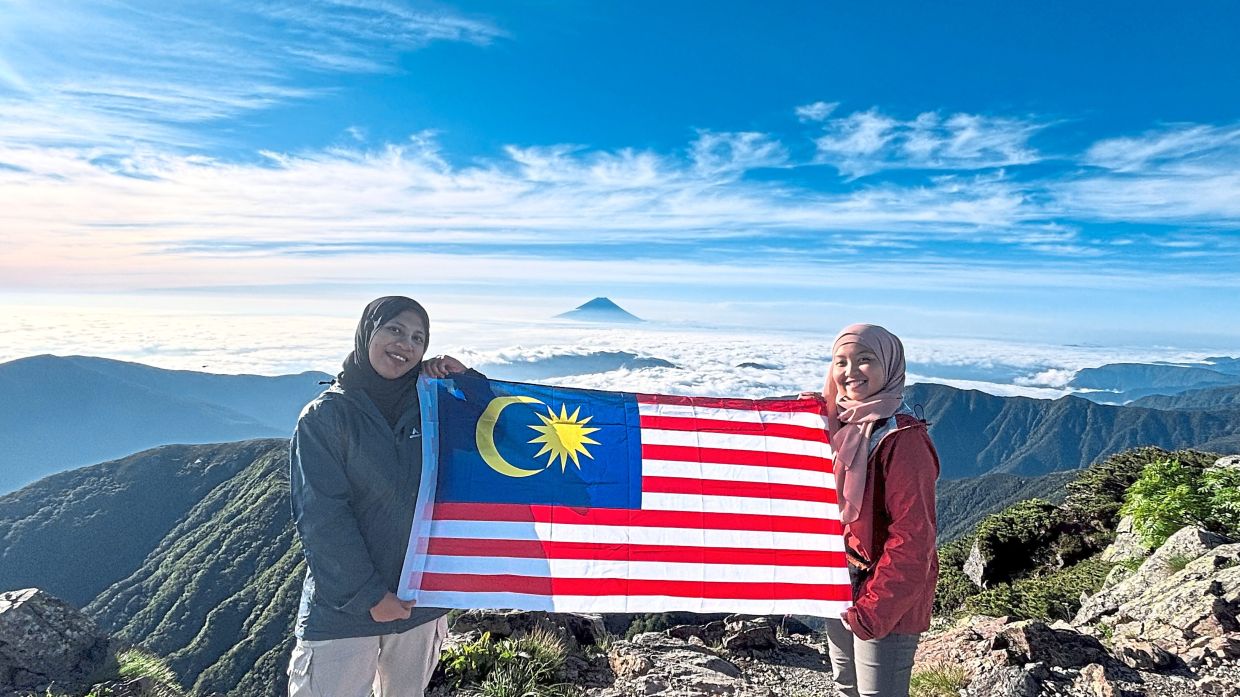
During a recent climb at Japan’s Mount Fuji, for instance, Sabillah and her friend were greeted by all three.
“The temperatures dropped drastically, and at times, the wind nearly swept us off the trail.”
The duo then made the difficult but wise decision to turn back.
“You don’t want to be stranded in those conditions, as the extreme weather can make it more life threatening,” she shared.
Climbers attempting to scale Mount Fuji will be given safety leaflets containing information on emergency contacts and evacuation exit routes, at the trail entrances.
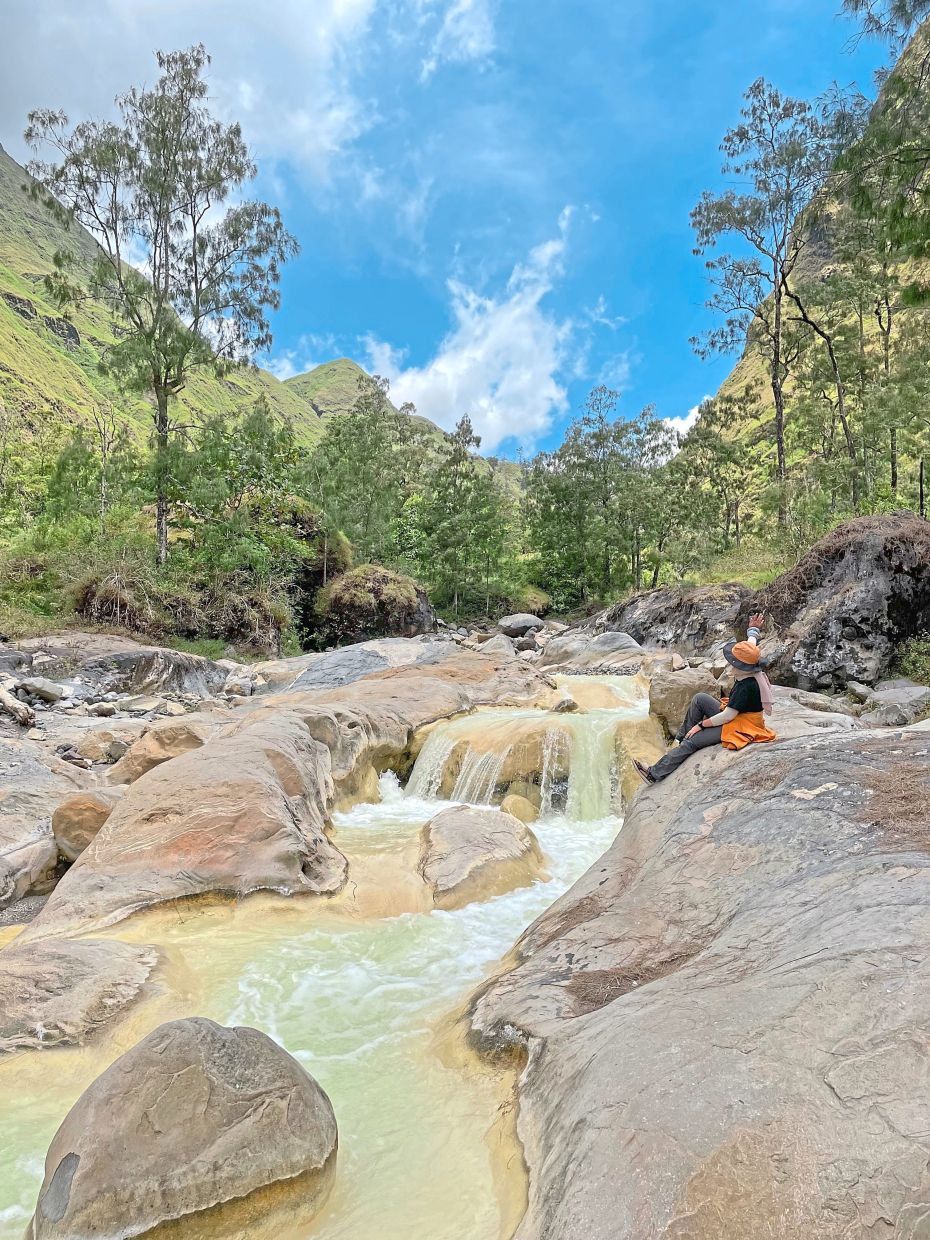
“To our surprise, there was mobile coverage on the mountain, unlike most trails which usually have inconsistent connections. Injured climbers can call emergency services for rescue.”
However, Sabillah reminded hikers not to take advantage of Japan’s free rescue services. A recent incident of reckless climbing, involving several hikers who were stranded and required rescue, had sparked debate among locals on whether those who climb during the off-peak season should bear the costs of rescue operations.
Bare and open
One thing you need to know about hiking on volcanoes is the “open exposure”.
“You are walking on hardened lava flows, jagged rocks and loose ashy ground,” said Iman.
“On many parts of the trail, you are surrounded by steep ridges on both sides, and that’s your view for hours.”
The paths aren’t just steep, they can also be narrow and uneven, demanding your full attention, he added.
“After rain, the trails can be slippery and muddy. Without roots or trees as support, you can lose balance. That’s why investing in a good pair of hiking shoes is necessary,” Iman advised.
Because of the vast, open terrain, you can lose sight of the trail, or worse, stray off course, as there’s very limited landmarks (or even vegetation) to guide you, according to him.
“That’s why it’s crucial to go with an experienced guide, who are familiar with the routes and know how to respond in an emergency,” he continued.
Both Iman and Sabillah also pointed out another hazard – sulphur dioxide.
The smell of sulphur dioxide escaping from the ground is harmful.
“On active volcanoes, you have to stay alert to the unpleasant odour. It’s a sign of gas emissions, which can make you dizzy or even cause you to faint while climbing,” Sabillah explained.
To avoid inhaling sulphur dioxide, Iman said, he always prepares at least three neck gaiters to cover the mouth and nose.
As long as you’re well prepared, it’s worth giving volcano hiking a try – just remember to always put safety first.