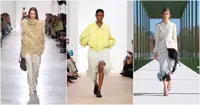
As more women include fitness into their lifestyles, expectations of modest activewear have shifted.
Today’s consumers are not simply looking for garments that meet requirements of coverage; they want pieces that perform, flatter and support them through every movement, from workouts and hikes to everyday routines.
For Malaysian modest sportswear brands and labels with activewear and athleisure ranges, it’s not about merely adding more fabric or restricting design possibilities.
Instead, it requires a rethink of how clothing is engineered – from fabric selection and construction to fit, functionality and aesthetics.
Born from the need for more inclusive options, brands are challenging the perception that modest clothing must compromise on performance or style.
Their approach reflects a growing understanding that modesty is not one-dimensional; for many women, it is about confidence, comfort and having the freedom to participate fully in an active lifestyle.
Redefining the category
A common misconception surrounding modest activewear is that it simply involves adding more coverage to existing designs.
In reality, creating clothing that provides coverage while allowing unrestricted movement requires a different approach altogether.
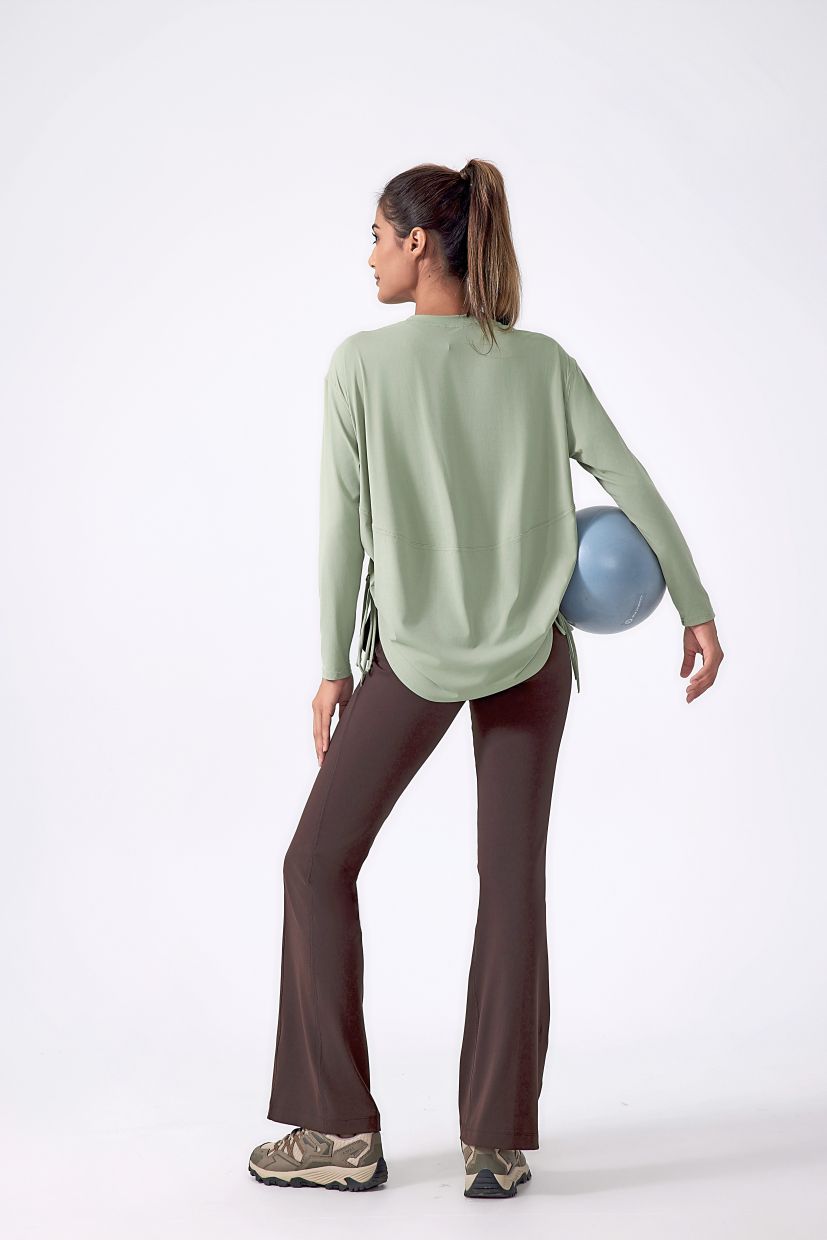
For Numa, created after founder Noor Shuhaifah Shukri struggled to find suitable activewear that aligned with her lifestyle and values, modest activewear has always been about performance first.
“It’s one of the factors that differentiates our brand from others – we design for performance athletes,” says Noor Shuhaifah.
Proof of this is the fact that the brand’s sports hijab is worn by the Malaysian Netball team, which won a gold medal in last year’s SEA Games.
“Designing modest activewear requires a completely different design approach,” says Numa co-founder Suhaizal Salleh. “Every choice of fabric and silhouette has to support movement comfort while maintaining coverage.”
The challenge lies in finding the right balance. More coverage can mean additional fabric, which, if not carefully considered, can lead to excess weight, heat retention or restricted movement.
This is especially important in Malaysia’s tropical climate, where activewear must perform in hot and humid conditions.
Read more: How modern-day abayas and kaftans stay true to modestwear codes
Another misconception about modest activewear, according to TudungPeople founder Fazrena Aziz, is that it is a religious product.
“Women cover for all kinds of reasons – faith is one, but so is sun protection, body confidence, comfort or simply personal preference,” says Fazrena.
“When you assume there is only one reason, you design for a much smaller scope than the one that actually exists,” she adds.
This is followed by another misconception: because a garment is modest, it must be for leisure rather than sport.
“The opposite is true. A woman in more layers is more sensitive to weight, breathability and odour than a woman in a crop top, not less. Every problem you would solve in ordinary activewear, you have to solve twice over.
Covering up is the harder design brief, not the easier one, she says, which is what makes the category interesting to work on.
For BodyStory, founded by sisters Rebecca and Macie Phang, modesty is not about making garments less fashionable or feminine.
They believe that elegance and femininity are not dependent on revealing silhouettes, but can instead be expressed through thoughtful design, proportion, texture and craftsmanship.
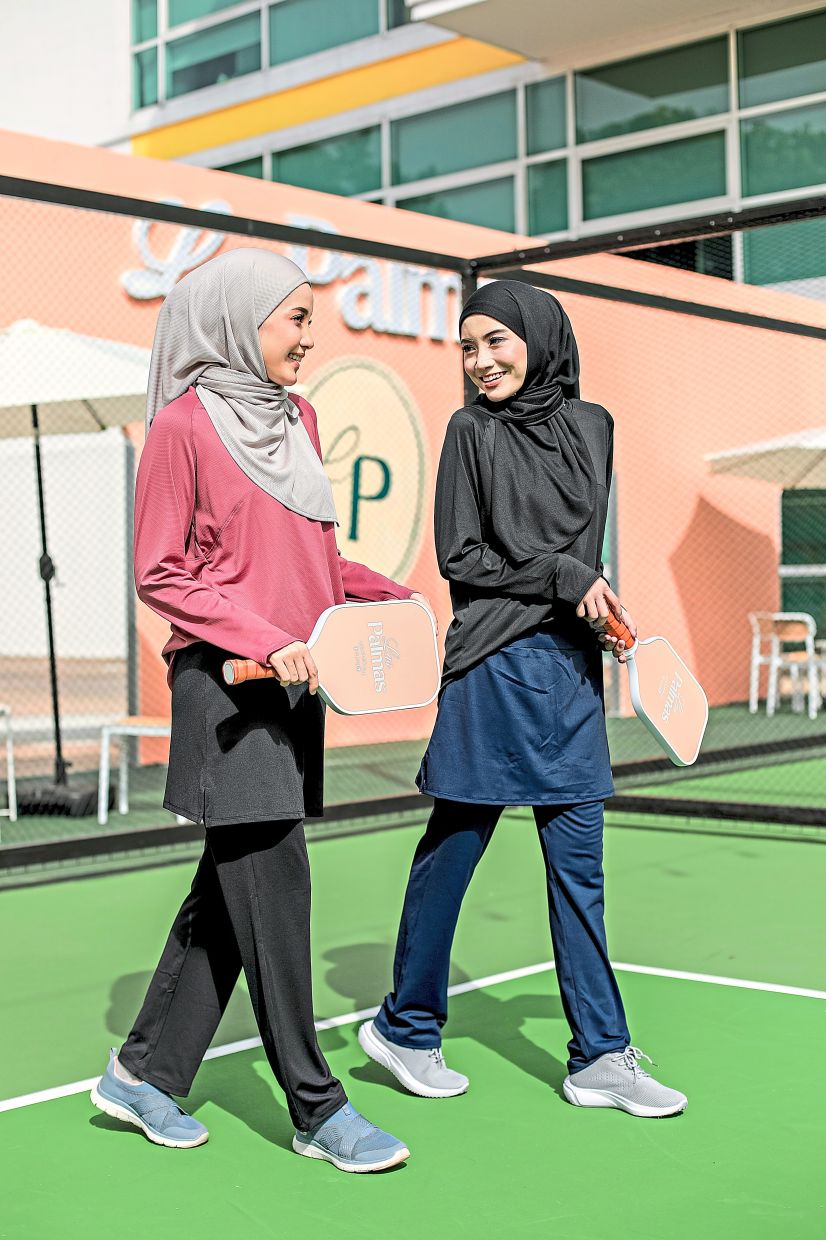
“One of the biggest misconceptions is that modest activewear has to be plain, shapeless or less feminine,” said Rebecca, noting that they were inspired to create the brand due to the lack of options available for those who prefer modest options.
“In reality, designing for modesty requires a different kind of creativity,” notes Macie.
While their collections are designed with Muslim women in mind, they have found that the appeal extends beyond religion.
“Some women simply feel more comfortable, confident, or empowered in clothing that offers greater coverage,” says Rebecca.
This shift reflects a broader change in consumer attitudes. Modesty is increasingly viewed not only as a religious consideration but also as a personal choice – one connected to comfort, confidence and individual expression.
Hwoofit co-founder Estelle Ee believes modesty should not be seen as a limitation.
“Modesty isn’t about limiting a woman’s choices – it’s about giving her the freedom to move, sweat, and show up fully as herself, without ever having to think twice about her outfit,” she says.
Comfort, performance and protection
While aesthetics are important, designing modest activewear ultimately comes down to solving technical challenges.
Brands must consider everything from fabric breathability and moisture management to movement, durability and fit.
For Fazrena, the hardest challenge is balancing opacity against weight.
“We want the fabric as light as it can possibly be, but it has to stay opaque in every condition whether dry, stretched, and soaked through with sweat,” she says.
There’s also coverage versus heat, which has to be solved at yarn and knit level.
“The only way through is to keep looking for better fabric. We began with natural fibres, a 95% cotton collection, which was comfortable, but cotton holds water, and in our climate that means heavy and slow to dry,” she says.
For Rebecca and Macie, finding suitable fabrics was one of the most challenging parts of developing its first product, the TieFit Sports Hijab.
The brand spent more than a year researching materials, studying products from across South-East Asia and working closely with suppliers before finding a fabric that met its expectations.
“Great design starts long before the first sketch – it begins with understanding the fabric,” says Macie.
Ee highlights that even seemingly small design details can have a major impact on performance.
The brand’s leggings, for example, went through multiple rounds of sampling to achieve the right waistband construction, compression level and fit.
“We built in a special construction because confidence matters as much as fit,” she says. “The best activewear is the piece you don’t have to think about while you’re moving.”
Another challenge brands face is educating consumers about technical fabrics.
The BodyStory co-founders note that fabric performance is not determined simply by whether a material is labelled polyester or nylon as different grades and constructions can result in vastly different performance characteristics.
There’s a common misconception that polyester is automatically inferior to nylon simply because it is often associated with lower-priced products.
In reality, both polyester and nylon exist in many different grades and constructions, each with distinct performance characteristics.
Fazrena lists creating the ideal silhouette, which works with movement, as another challenge.
“We design for coverage, but always with movement in mind. The question never changes: how do we keep a garment modest without it getting in the way of the sport?” she says.
Value beyond price
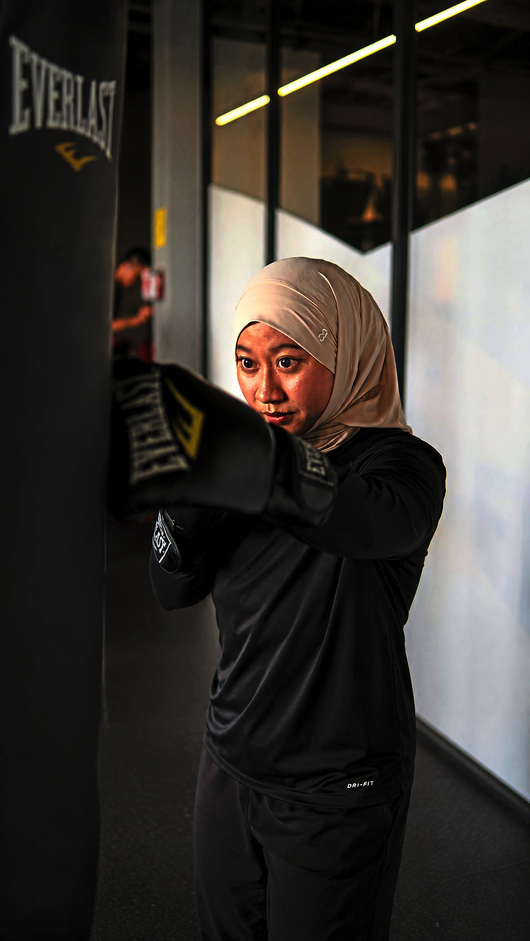
As the demand for modest activewear grows, brands face the challenge of keeping products accessible while maintaining the quality consumers expect.
For these brands, accessibility does not mean competing to create the cheapest option. Instead, it means delivering long-term value.
“We believe quality shouldn’t be a luxury,” says Suhaizal. “Our approach is to invest where it matters most – the fabric, fit and construction rather than unnecessary embellishments or excessive branding.”
To Fazrena, accessibility is not the same thing as being cheap, and is not achieved by quietly downgrading fabric.
“TudungPeople is a data-driven business and we grow within our means. Every risk is calculated. Every design goes through round after round of testing before it reaches a customer,” she notes.
“Where we hold the price is in restraint, being disciplined about how many styles and how many colours we carry, rather than cutting specifications. Keeping the range tight is how we keep the price honest, and it is a far better answer than reaching for a cheaper fabric,” she adds.
Ee focuses on refining signature pieces rather than producing frequent seasonal drops.
“Better fabric, better construction, better quality control on the products that matter most, rather than spreading ourselves thin,” she says.
This focus on longevity also reflects changing consumer expectations.
Today’s customers are more informed, asking questions about fabric composition, compression levels, construction and versatility.
Read more: Modestwear goes viral on social media, becomes a hit with the Western audience
New expectations
The modern modest activewear customer is no longer looking only for coverage.
She wants versatility – clothing that moves with her throughout the day.
According to Noor Shuhaifah, women increasingly expect activewear that is “comfortable and stylish rather than just a boring activewear used for going to gym or daily runs.”
To them, this has shaped the development of collections that can transition from workouts to everyday activities.
Ee has also observed that customers now wear her brand’s pieces beyond the gym – from work and errands to family activities.
“Our customers don’t just wear our creations to the gym anymore,” says Ee. “They wear it from morning to night, through workouts, work, errands, and time with family.”
Such feedback demonstrates how consumers are pushing modest activewear brands to continue innovating. They are looking for products that can support different sports, environments and lifestyles.
Ultimately, the growth of modest activewear reflects a larger movement within fashion – one where inclusivity is not simply about adding more choices, but creating better ones.
As Noor Shuhaifah puts it, modern modest activewear is no longer about choosing between performance and modesty. “Women expect both, and rightly so.”