With a background in architecture, Fuzana Mokhtaza brings a trained eye for proportion, structure and balance to her bridal, bespoke and ready-to-wear designs.
When she is designing, the relationship between the garment and the body – how something falls, where the volume sits, how the silhouette is constructed – is always at the forefront of her mind.
“Even when I’m designing something very soft or feminine, there is usually some kind of structure behind it. Architecture also taught me that something shouldn’t only be beautiful, it needs to work,” she adds.
After years in the industry, Fuzana is equally invested in the bigger picture.
Her focus extends beyond her own eponymous label, from strengthening Malaysia’s fashion ecosystem and preserving local craftsmanship to developing an identity that can stand confidently on the international stage.
Read more: Framing fashion: Bibo Aswan, the photographer shaping Malaysia's visual style
According to her, the industry faces its fair share of challenges, and one of the biggest ones is finding that balance between being creative and actually running a sustainable business.
“As designers, of course we want to create beautiful things and keep pushing ourselves creatively,” Fuzana notes.
“But at the end of the day, you also have to think about production costs, your team, skilled labour, pricing and whether there is actually a market for what you’re creating.”
These days, she says, the market is flooded with so many choices, from other Malaysian designers to international brands as well as fast fashion.
“So, I think the challenge for us is to give people a reason to choose Malaysian design – not because it’s local, but because the design, quality and story genuinely have value,” she adds.
How do you think Malaysia’s fashion industry compares with those in the region?
I think Malaysia actually has a lot to offer. We are such a multicultural country, so naturally there are so many different influences, traditions and perspectives that designers can draw from.
When I look at some of our neighbouring countries though, I think they have been very good at building a strong identity around their local fashion industry.
You can immediately recognise what is coming out of certain markets.
Malaysia has the talent. We have very good designers, creatives and craftspeople. Maybe what we need more of is that collective confidence and a stronger ecosystem supporting the designers.
I would love to see Malaysian fashion becoming more visible internationally and for people outside Malaysia to really understand what our point of view is.
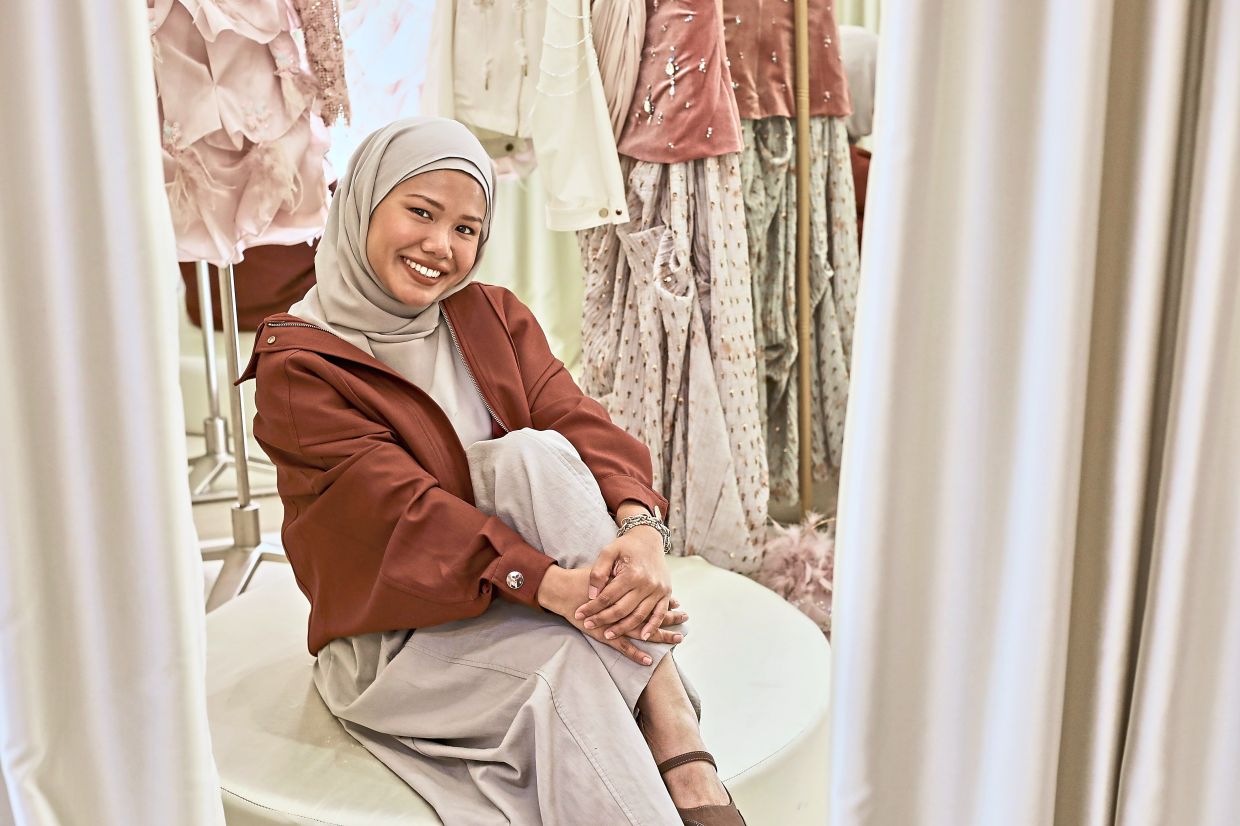
What do you think the Malaysian fashion industry needs to improve on?
For me, it’s the ecosystem. Sometimes we focus so much on the designer or the final collection, but there are so many people and processes behind that.
You need good pattern makers, seamstresses, manufacturers, textile suppliers, photographers, stylists, retailers – the whole system needs to grow together.
I also think we need to build more appreciation for original design.
People see the finished garment, but they don’t always see how much development goes into creating it. There are fittings, samples, construction, fabric development and so many decisions before that piece reaches the customer.
I think once we start appreciating that process more, we’ll also start seeing Malaysian fashion differently.
How can Malaysian designers balance cultural identity with contemporary fashion?
I think sometimes we feel that if we want to represent Malaysian culture, it has to look obviously traditional.
I don’t necessarily believe that. You can take something from our heritage – a proportion, a technique, a textile, a detail or even simply the philosophy behind the way we dress – and interpret it in a completely contemporary way.
For me, it’s about understanding where something comes from first.
Once you understand the history and meaning behind it, then you can start asking, “How would the woman of today wear this?”
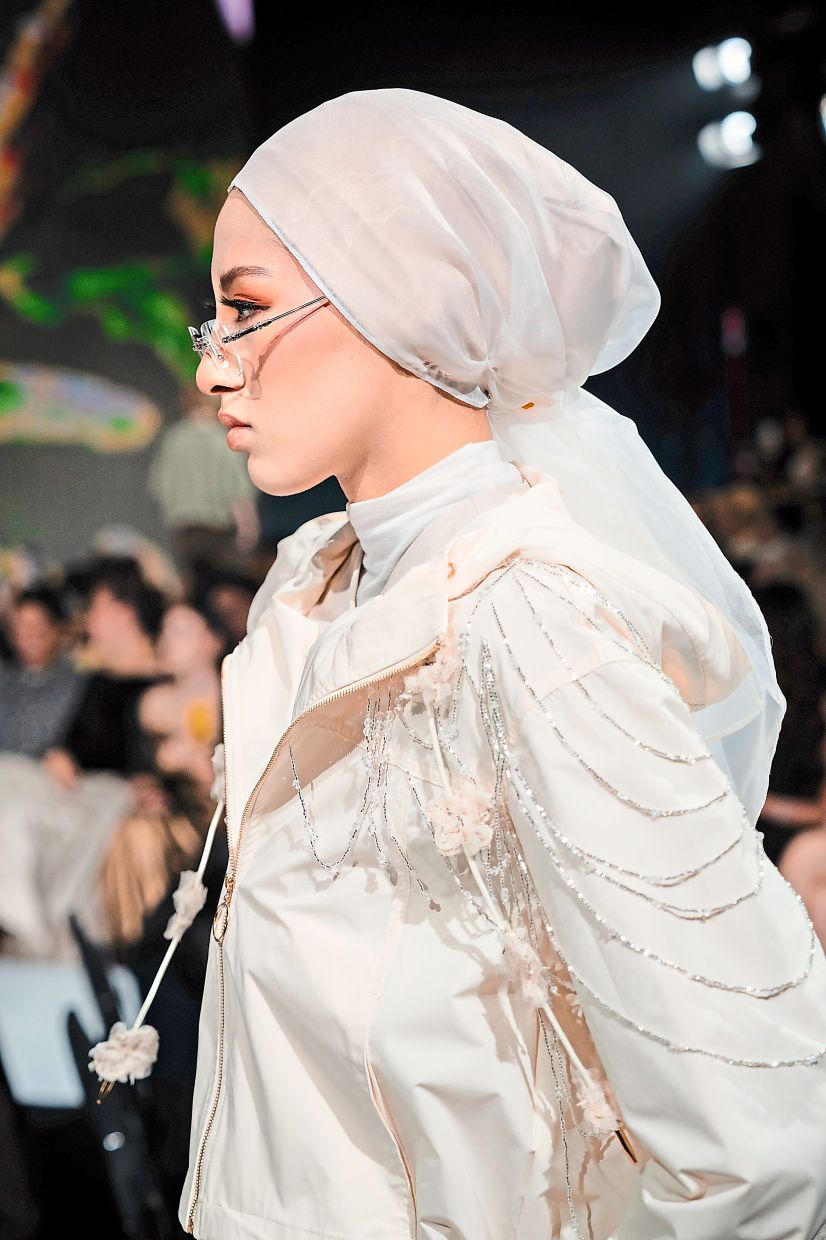
We want our clothes to feel modern, but there is still that sense of femininity, modesty and cultural sensitivity behind them.
It doesn’t always need to be very obvious. Sometimes the cultural identity is in the feeling of the clothes.
Read more: Bagging rights: Designer Nazifi Nasri looks beyond the viral fashion moments
What is the hardest part of running a fashion business in Malaysia?
I always say designing is one part of the job. Running the business is another completely different job.
You can have all these ideas as a designer, but then reality comes in. You have production timelines, cash flow, inventory, staffing, suppliers, customers – and sometimes everything happens at the same time.
In Malaysia, we also have very strong seasonal periods, especially around Raya, so you have to plan very carefully.
There can be months of preparation behind what customers eventually see as one collection.
Over the years, I’ve realised that you have to learn how to adapt. There are things that don’t go according to plan, and that’s just part of running a business.
What role should designers play in preserving Malaysian craftsmanship and heritage?
I think our responsibility is not just to preserve craftsmanship, but to keep it relevant.
If we only treat traditional craftsmanship as something that belongs in the past, eventually younger generations may not see a future in continuing it.
So as designers, we can help by finding new ways of using these techniques and bringing them into contemporary fashion.
But I also think we have to be responsible about it. We need to understand where these crafts come from, respect the people who have carried that knowledge for generations and give proper value to their work.
For me, preservation doesn’t mean that something can never change. Allowing craftsmanship to evolve is one of the ways we can keep it alive.
What changes would you still like to see in the industry?
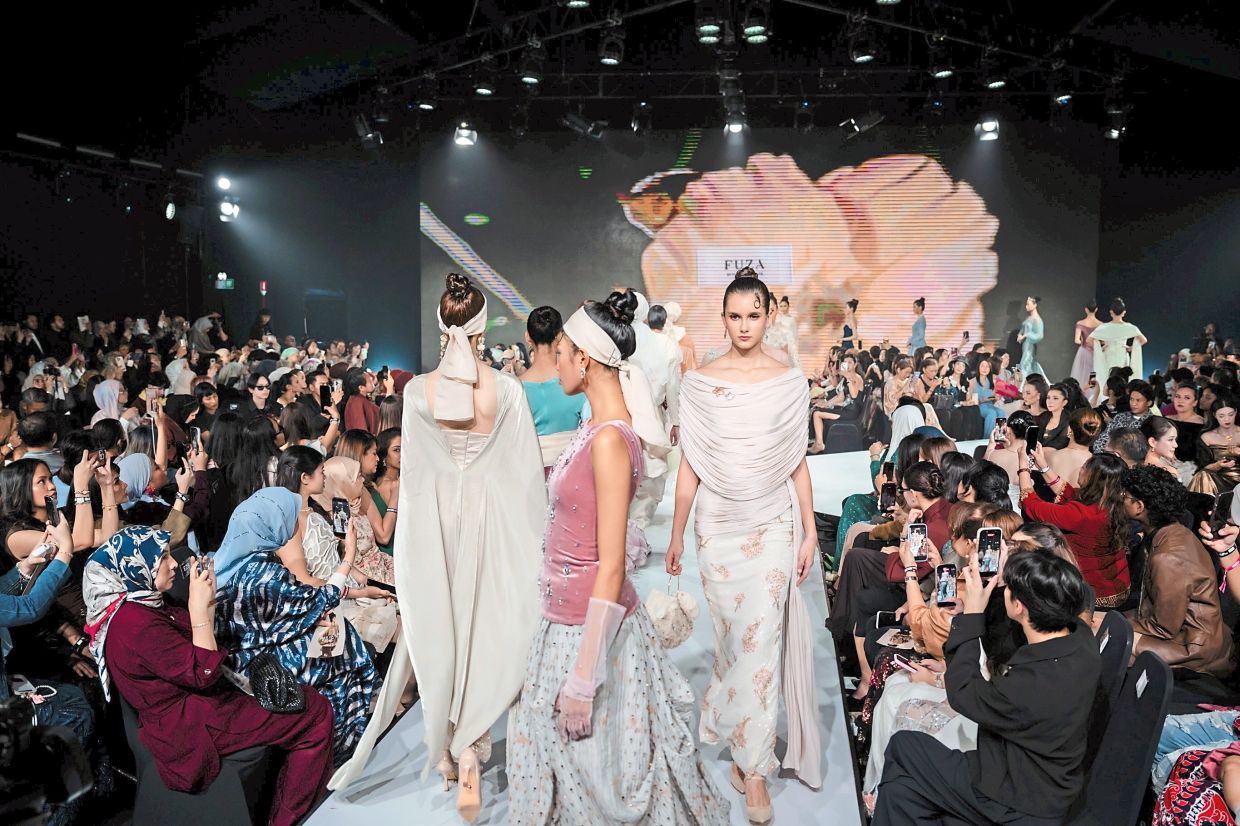
I would love to see Malaysian fashion become more confident. We have so much talent here, but sometimes I think we’re still looking outside for validation.
Of course, we should understand what’s happening internationally – we’re part of a global industry, but at the same time, we shouldn’t feel that we have to become something else in order to be recognised.
I’d also like to see more support for designers who are trying to build long-term brands.
Fashion moves so quickly now, and there’s always pressure to produce something new. But I don’t think longevity comes from constantly chasing trends.
For me, after being in this industry for many years, I’m much more interested in creating something that has a lasting identity.
And I hope that’s where Malaysian fashion is heading as well – that eventually, when people see Malaysian designers internationally, they recognise that there is a certain confidence, sophistication and identity coming from Malaysia.
We shouldn’t just be following the conversation. We should be part of shaping it.