Designing clothes for children involves far more than simply making smaller versions of adult outfits.
While parents may be drawn to colourful prints, adorable designs and the latest trends, there are other considerations that matter just as much, from the choice of fabric and construction to how comfortably a child can move, play and grow.
For childrenswear designers, the challenge lies in balancing these practical requirements with creativity, while keeping prices reasonable for parents whose children may outgrow their clothes within months.
Comfort comes first
Unlike adults, who may occasionally sacrifice comfort for style, children are far less willing to put up with clothing that feels uncomfortable.
Maison Q founder and creative director Suhana Ab says designing for children requires an understanding of how they move and behave throughout the day.
“Children have zero tolerance for discomfort and they will tell you immediately if a label pinches, a seam scratches or a waistband digs in. That raw honesty completely changes how you approach the design process,” says Suhana, whose designs include reversible options for children to wear in different ways.
Fabrics must not only feel soft against the skin but also withstand the demands of everyday activities, from running around the playground to repeated washing.
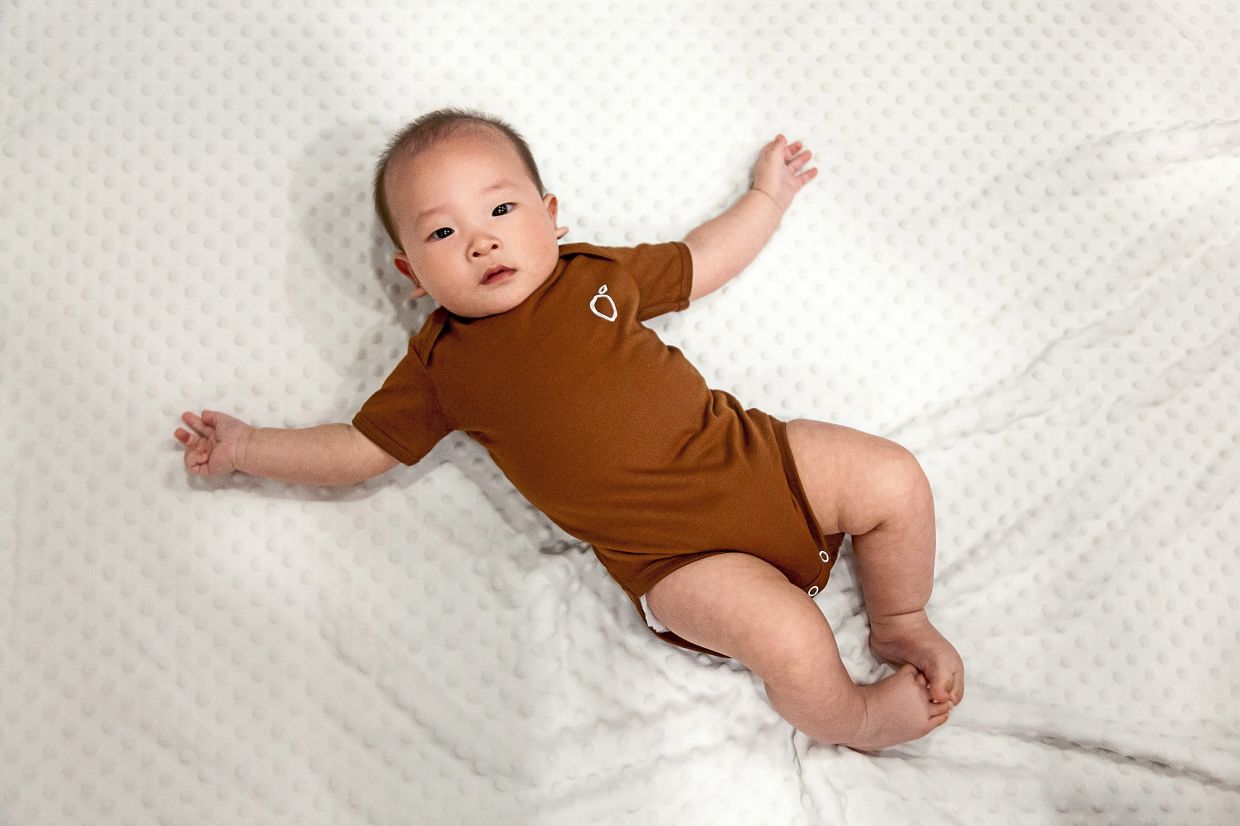
Meanwhile, the mother behind homegrown brand Limau, Pua Yee Ying, approaches childrenswear from the perspective of a mother of two, drawing on her own experiences when developing clothing for babies.
“A baby can’t tell you what’s uncomfortable, so comfort comes first, and that starts with fabric. I decided on 100% cotton first, then chose 170gsm (grams per square metre) – heavy enough to hold its shape wash after wash, light enough to be comfortable in Malaysian heat.”
Read more: How to navigate pregnancy fashion with style, comfort and practicality
Her own baby became the test model, with samples repeatedly worn, washed and dried before the designs were finalised.
While comfort remains the priority, Pua believes there is still room for individual style, particularly through the use of colour.
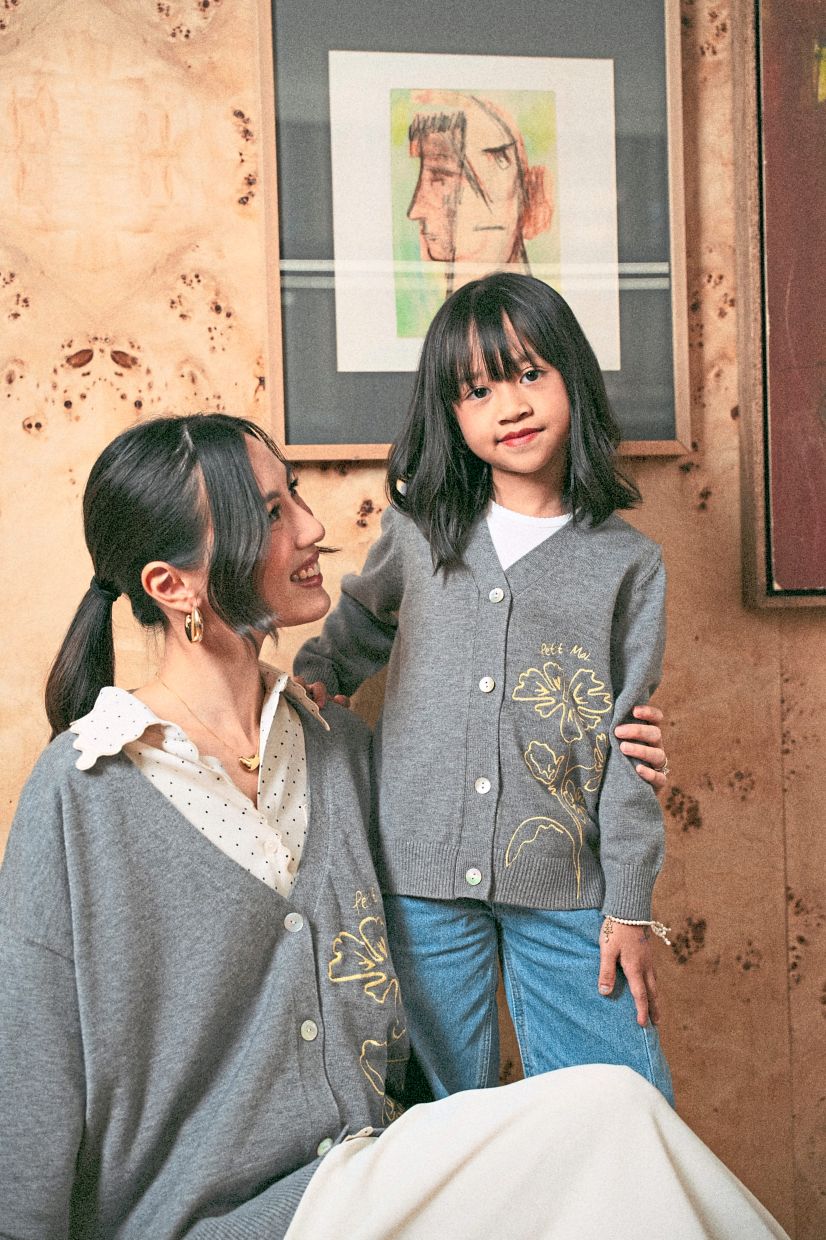
For Petit Moi branding and creative marketing manager Alyssa Johaan, designing for children does not necessarily mean departing from the styles and silhouettes found in adult fashion.
The label’s girlswear collections often feature designs similar to its womenswear, including cardigans, jumpers and baju kurung, although comfort and practicality remain important considerations.
“While there is a shared aesthetic between our womenswear and girlswear, each piece is still designed with its wearer in mind. It’s really about bringing together the design elements we love with the comfort and ease that children need in their everyday wear,” says Alyssa.
The price of quality
Children’s clothes may require less fabric than adult garments, but that does not necessarily translate into significantly lower production costs.
According to Suhana, the smaller proportions can make certain stages of garment construction more demanding.
“Handling tiny sleeves, tight armholes and small collars requires immense precision from an artisan. The skill set needed to cut, stitch, and line up patterns on a micro scale takes just as much time – if not more – than assembling an adult piece.”
For reversible garments, both sides must be properly finished, adding to the time and labour involved.
Safety considerations, including suitable fastenings and dyes, can also influence production costs.
However, Pua points out that the price of childrenswear is not determined by manufacturing expenses alone.
“Honestly, a big part of kidswear pricing is brand positioning. Some brands present themselves as premium, imported or trendy, and parents expect to pay more for that. Certifications can add cost too, and they do reassure parents, especially those whose kids have sensitive skin.”
She explains that manufacturers must also account for minimum fabric orders, production commitments and unsold inventory.
For parents, however, a higher price does not automatically guarantee better value.
Instead, Pua recommends considering the quality of the fabric, how well a garment holds up after washing and whether it can be worn by younger siblings.
Suhana similarly believes that the usefulness of a garment over time matters more than its initial price tag.
Well-made clothing that can withstand regular wear and be passed down to another child may ultimately offer better value than cheaper pieces that deteriorate quickly.
Finding the right fit
Buying clothes for growing children can be particularly frustrating when sizes vary considerably between labels.
A garment marked for a two-year-old, for instance, may fit differently from another carrying exactly the same age recommendation.
Suhana explains that this is partly because children grow at different rates and have different body proportions, while individual manufacturers also adopt their own approaches to sizing.
“Age labels are really just an industry approximation of what a child of a certain age might measure – rather than a strict rule.”
She advises parents to pay attention to measurements such as chest width and garment length, rather than relying solely on the age printed on the label.
Choosing clothes with sufficient room for movement is equally important, particularly for active children.
Pua agrees that parents should consult size charts and take their children’s measurements before purchasing.
She also cautions against buying too many newborn outfits in advance, as babies can outgrow them surprisingly quickly.
Alyssa cautions that buying a larger size is not always the best solution, particularly when garments are designed with a particular silhouette in mind.
“While sizing up can sometimes allow for a little more room to grow, particularly with more relaxed styles, it may not always work for every design, as some garments can lose their intended shape or become less comfortable when they’re too oversized.”
She recommends considering a child’s height and measurements alongside the intended fit of the garment, rather than relying solely on age-based sizing.
Read more: Ever wondered why fashion still buttons up along gender lines? Is it sexism?
Little models, big responsibilities
Beyond designing and producing children’s clothing, fashion labels must also consider the wellbeing of the young models featured in their campaigns.
Unlike adult fashion shoots, working with children requires greater flexibility, patience and sensitivity to their routines.
For Suhana, parental involvement is essential, from obtaining consent to ensuring children feel secure throughout the session.
“Having parents present on set is an absolute, non-negotiable requirement. Parents sign a detailed consent form and handle all outfit changes themselves unless they approve that my team assists them with this. We keep shooting windows intentionally short as their attention spans cannot go for too long. Our sessions are 90 minutes max,” she says.
Rather than expecting children to follow rigid instructions, the aim is to capture natural expressions while allowing them to enjoy themselves.
Pua takes a similarly child-centred approach, often organising shoots at the family’s home, where babies are more familiar with their surroundings.
Schedules are planned around feeding and sleeping routines, with breaks whenever necessary.
“It’s important to follow the baby’s cues, so we take photos when they’re in a good mood and let them rest when they’re tired. A shoot usually runs four to six hours, including those breaks,” she says.
For Alyssa, creating a familiar and enjoyable atmosphere is equally important, particularly as children have different personalities and comfort levels.
“We also want them to have fun and enjoy the experience, so giving them time to settle in and feel at ease in front of the camera is important. Having a parent or familiar adult around also helps them feel more comfortable in an unfamiliar environment.”
Simple gestures, such as playing children’s favourite songs or chatting about their interests, can help them relax and behave naturally in front of the camera.
While fashion trends will continue to change, the need for clothing that allows children to enjoy being children remains constant.