
You might think a T-shirt is simply something you reach for on a lazy day at home, pulled from the cupboard without much thought.
Fashion’s idea of dressier tops has often leaned toward pieces like satin blouses and silk camisoles, but notions of what reads as high-effort chic are changing.
Yes, the T-shirt has always been a clothing staple – but how, where and for what occasion it is worn has changed.
Those souvenir tees you pick up on your travels? The ones most would dismiss as kitschy and touristy?
They are now high fashion, as seen at the Chanel Metiers D’Art runway show, where an “I Love NY” T-shirt was styled under a matching tweed jacket and skirt.
The fact that it took place in a New York City subway station feels almost beside the point.
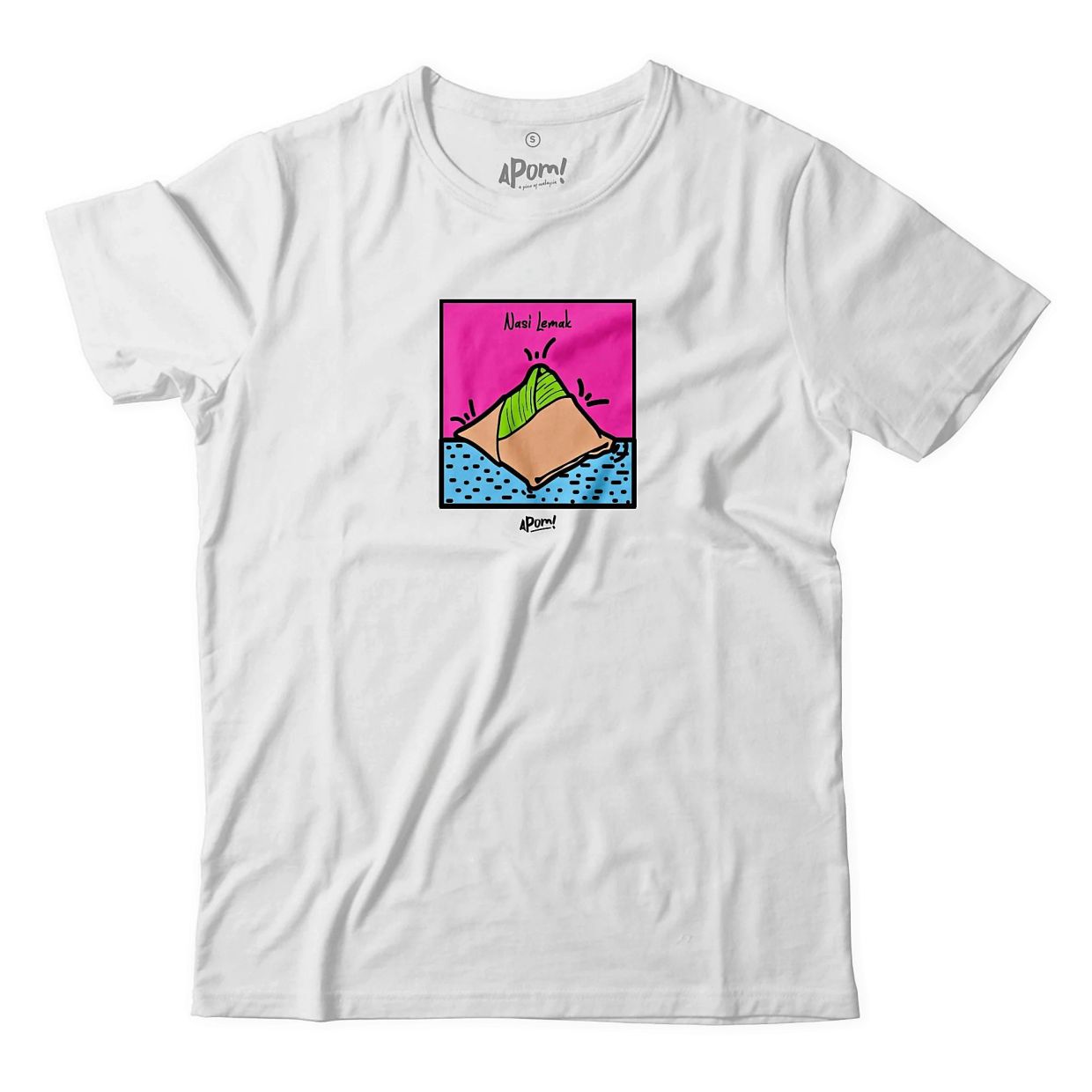
If it is good enough for Chanel, then the playful designs depicting Malaysian pop culture found at Kuala Lumpur’s Central Market – sold by lifestyle brands like Apom – can just as easily be considered fashion-forward.
Slogan T-shirts are also making a comeback.
The trend first gained traction in the 1960s as a vehicle for anti-war messaging, before evolving in the 1970s into a form of personal expression tied to punk culture.
By the 2000s, slogan tees had shifted again, becoming a tongue-in-cheek way to signal humour, attitude and identity at a glance.
It was in the decade after that fashion houses began producing their own versions, turning graphic statements into runway-ready objects of desire.
Dior’s “We Should All Be Feminists” T-shirts in 2016, under Maria Grazia Chiuri, remain one of the most defining examples of the era.
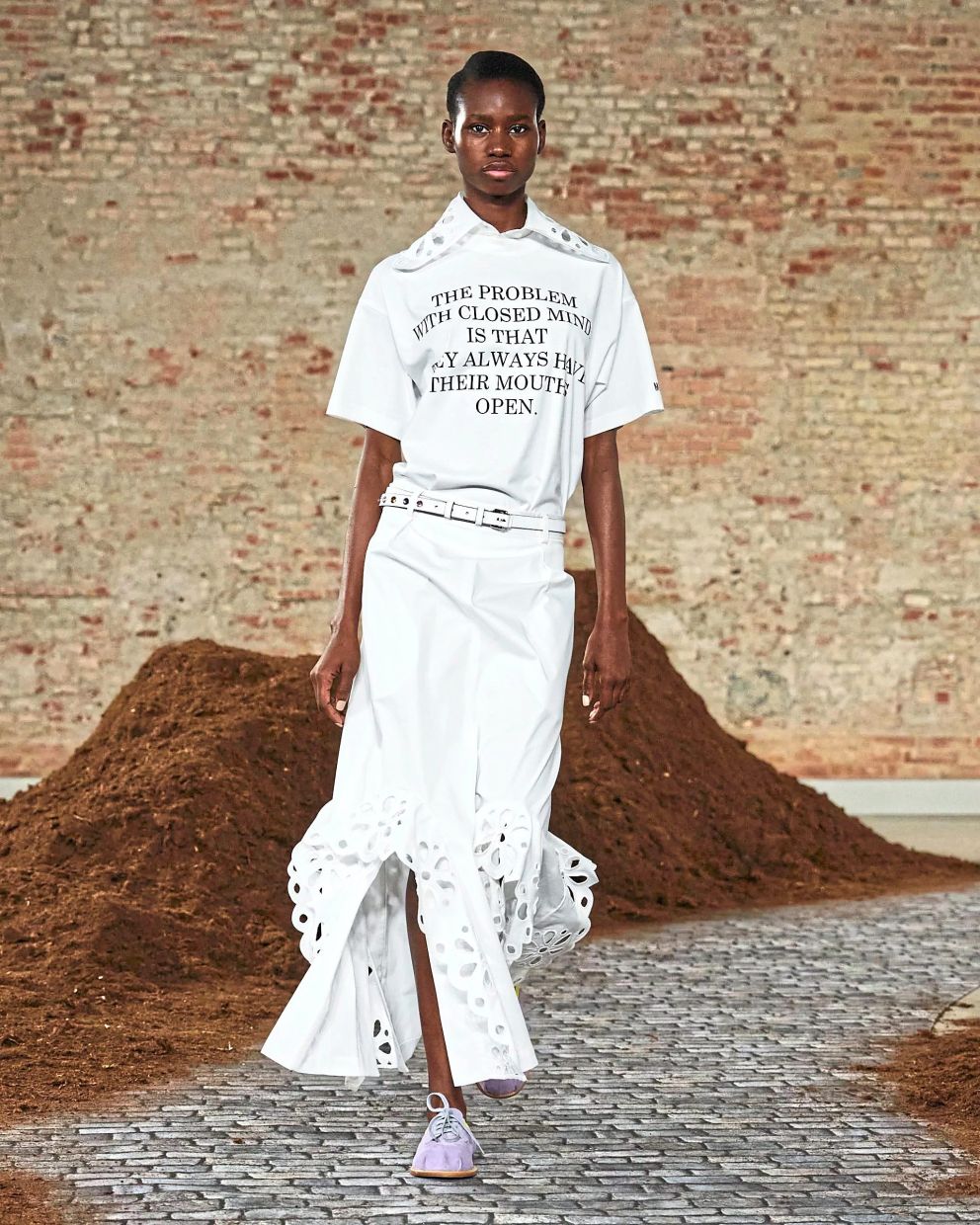
At Moschino’s Autumn/Winter 2026 show in February, one read: “The problem with closed minds is that they always have their mouths open.”
Elsewhere, designers are using them as a form of pointed commentary.
When Marie Lueder opened London Fashion Week the same month, a long-sleeved T-shirt emblazoned with “sorry no budget” nodded – some said wryly – to the pressures facing the creative industry.
Even the way the T-shirt is styled is being reconsidered.
Instead of being worn without thought, it is now layered, styled and deliberately exposed.
British model and television personality Alexa Chung recently paired hers under a sweater, allowing just a flash of collar to peek through – an approach fashion magazines have dubbed the “cool-girl” way of wearing a T-shirt.
Chung, notably, is also a fan of slogan tees, often sharing looks on Instagram that centre on statement-making designs.
Read more: From festivals to runways, boots are breaking free of winter fashion rules
Then there is the plain white T-shirt that has somehow become a cult object in its own right.
Celebrities including Katie Holmes, Nicole Kidman and Emma Stone have all recently been spotted in the Margo T-shirt by Los Angeles-based label Leset, prompting debate online about what makes such a minimal piece so desirable.
Model Kendall Jenner, meanwhile, has long championed the white tee (from various brands) as a foundation for everything from off-duty looks to high-fashion layering.
This perhaps is where a T-shirt’s power lies precisely.
Stripped of embellishment or loaded with meaning, it continues to shift shape with the culture around it – quietly proving that even the most ordinary piece in your wardrobe can be anything but that.