Every first Monday in May, the steps of the Met come alive with celebrities in their most head-turning outfits.
The gala marks the opening of the New York museum’s annual fashion exhibition, while also serving as a major fundraiser for the institution.
This year’s dress code, “Fashion Is Art”, led to an eclectic mix of interpretations, with its open-ended nature resulting in a wide range of looks on the red carpet.
Some guests took the theme literally, while others approached it with more subtlety and creativity.
Tennis star Naomi Osaka wore an intricate design by couturier Robert Wun.
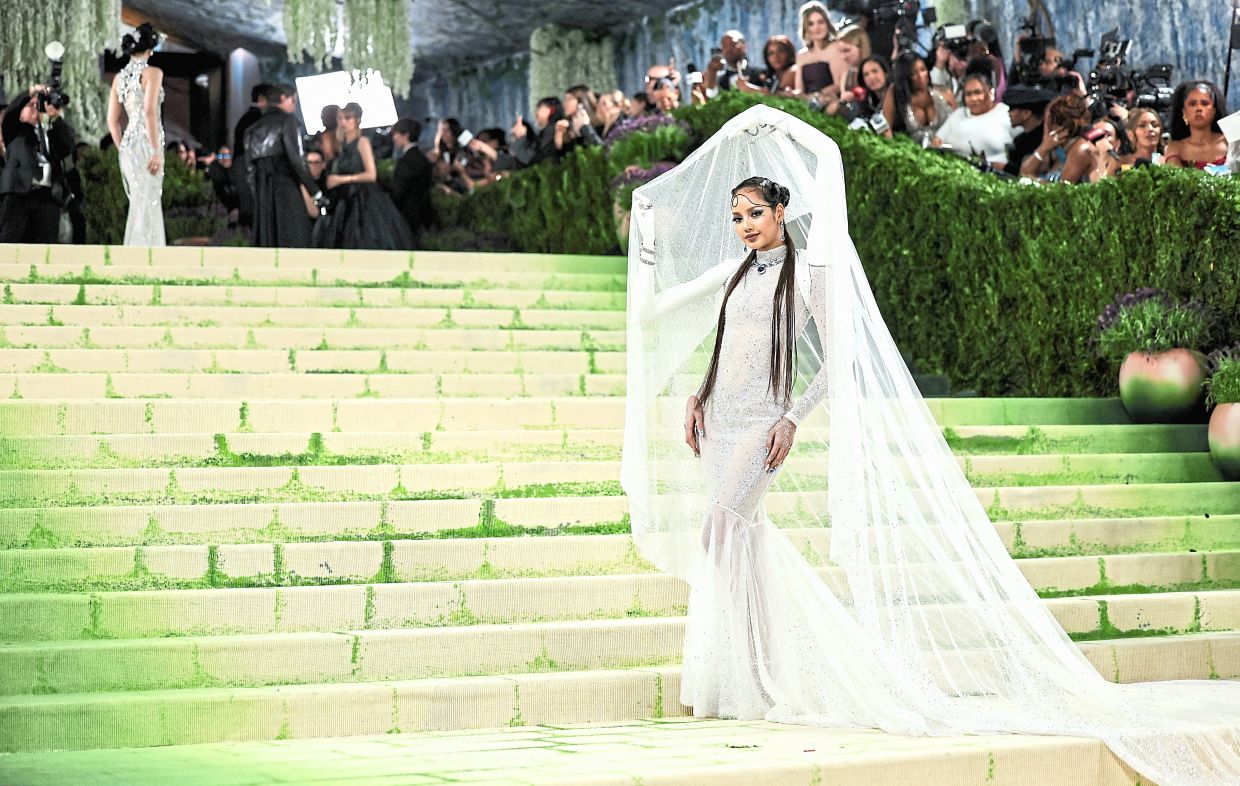
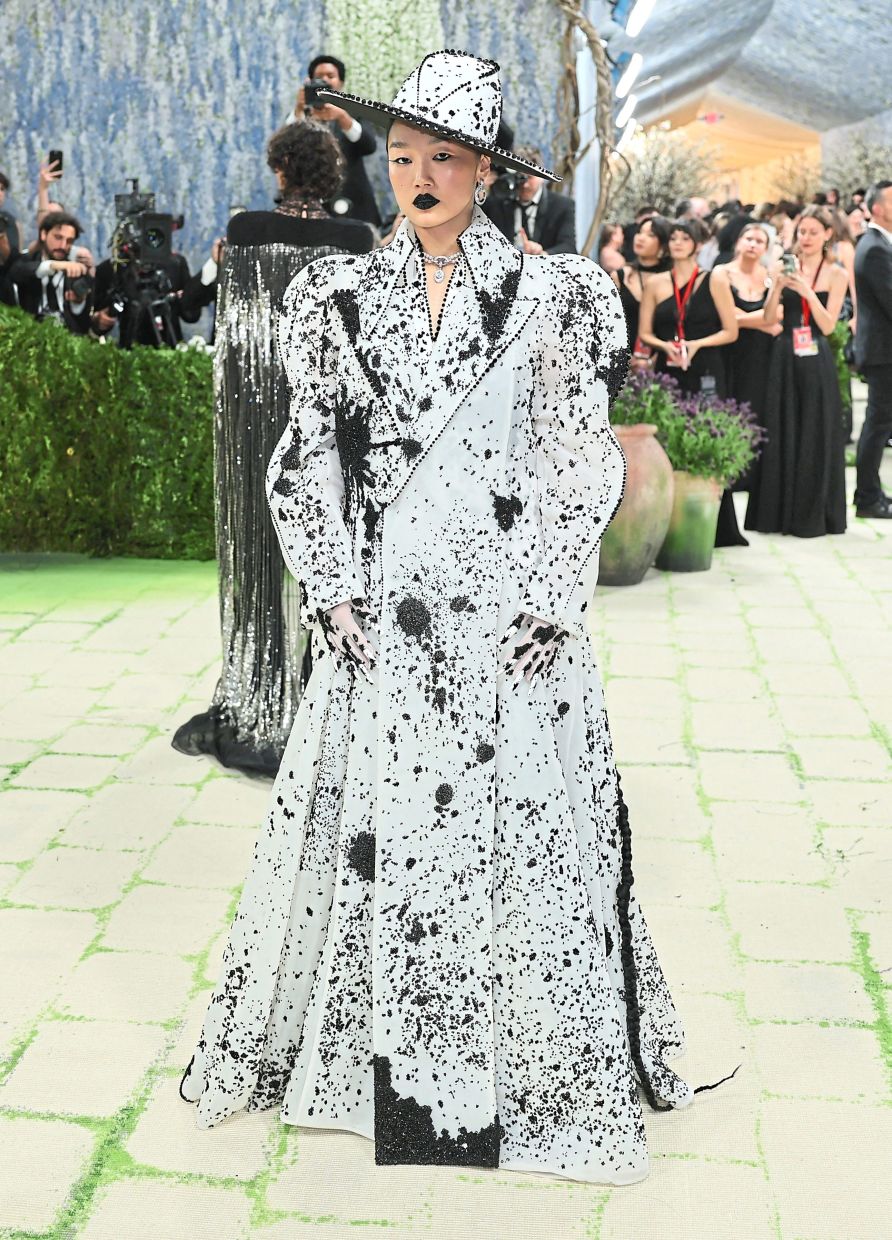
Other celebrities opting for Robert Wun creations included K-pop star Lisa, whose look included an extra-arms sculpture extending from the shoulder, and singer Audrey Nuna, whose outfit resembled a blank canvas splattered with ink.
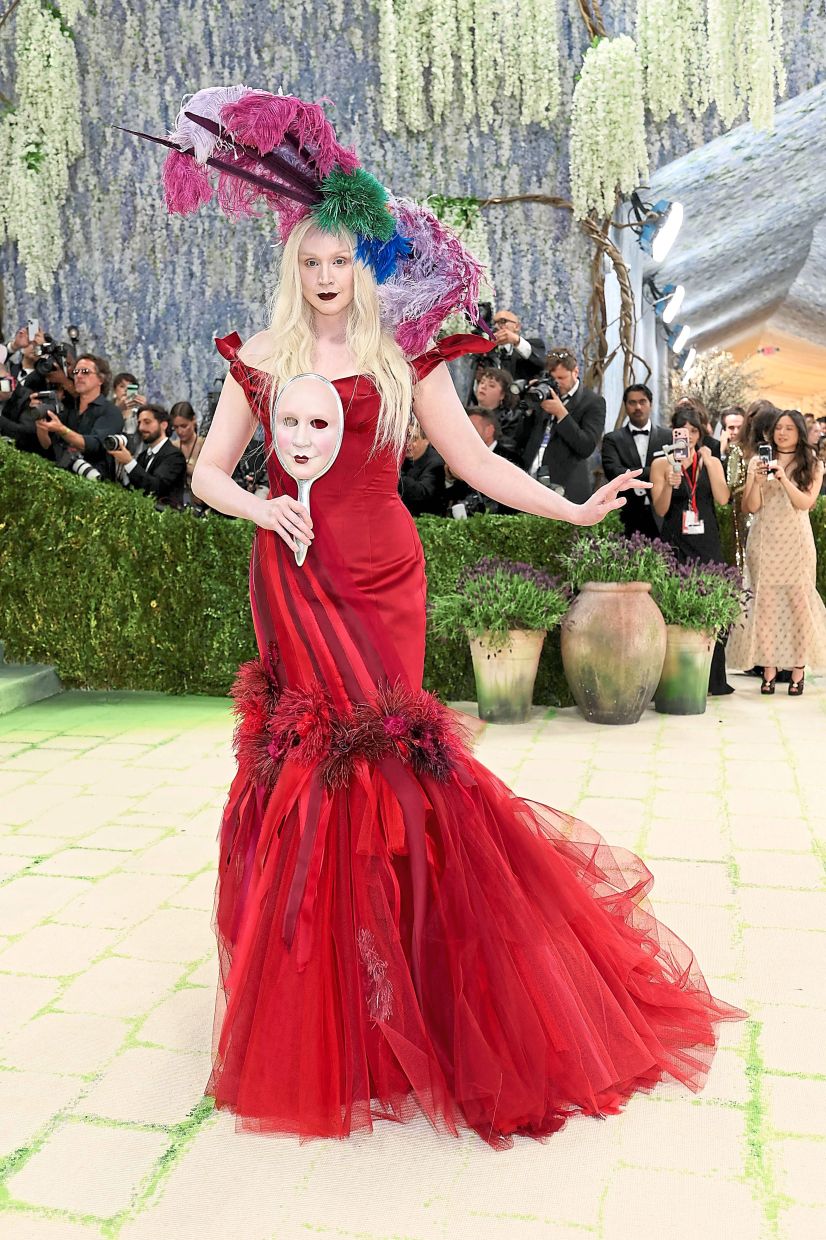
Actress Gwendoline Christie stepped out in a Giles Deacon dress with a cinched waist and mermaid skirt.
She carried a mask of her own face – an artwork created by British artist Gillian Wearing for the occasion.
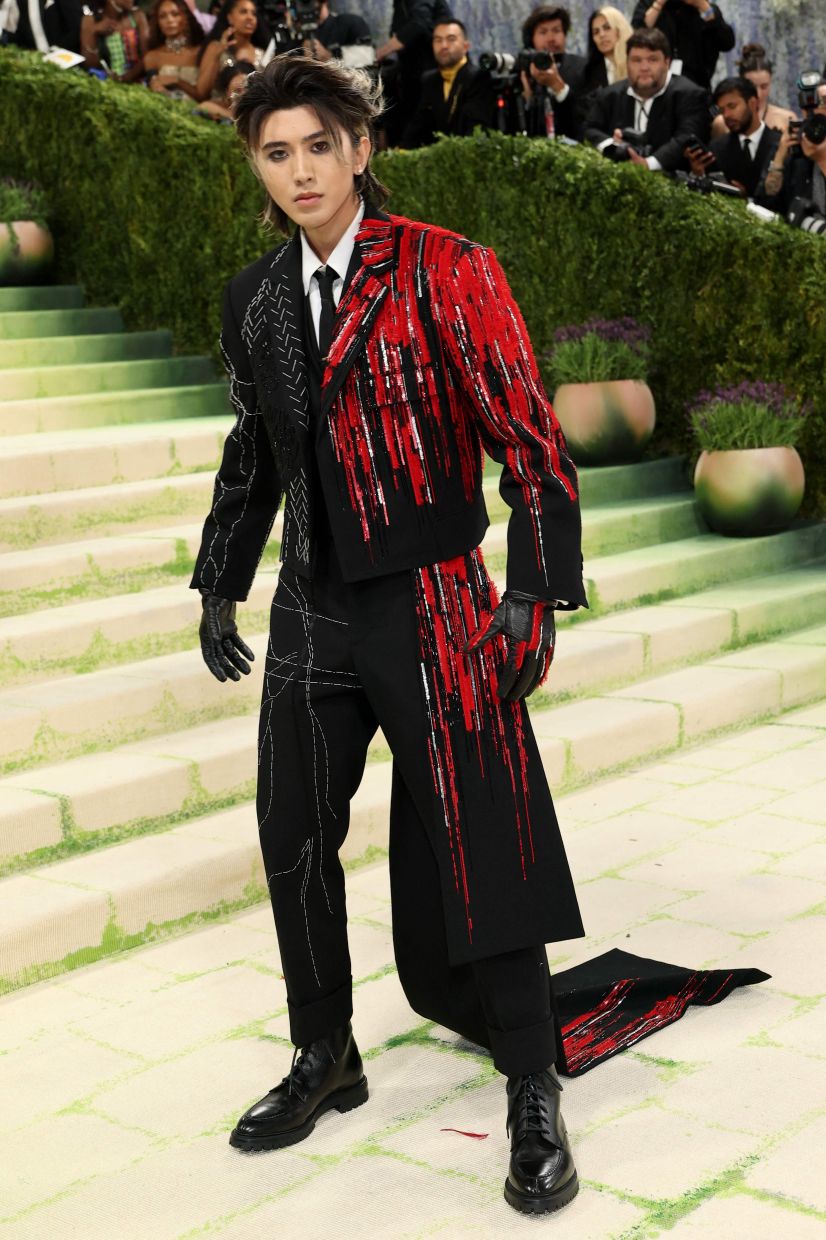
Turning heads in Thom Browne was Chinese singer-songwriter Cai Xukun, who brought an anime-inspired edge with a jacket that appeared to drip with paint on one side, paired with a single red contact lens.
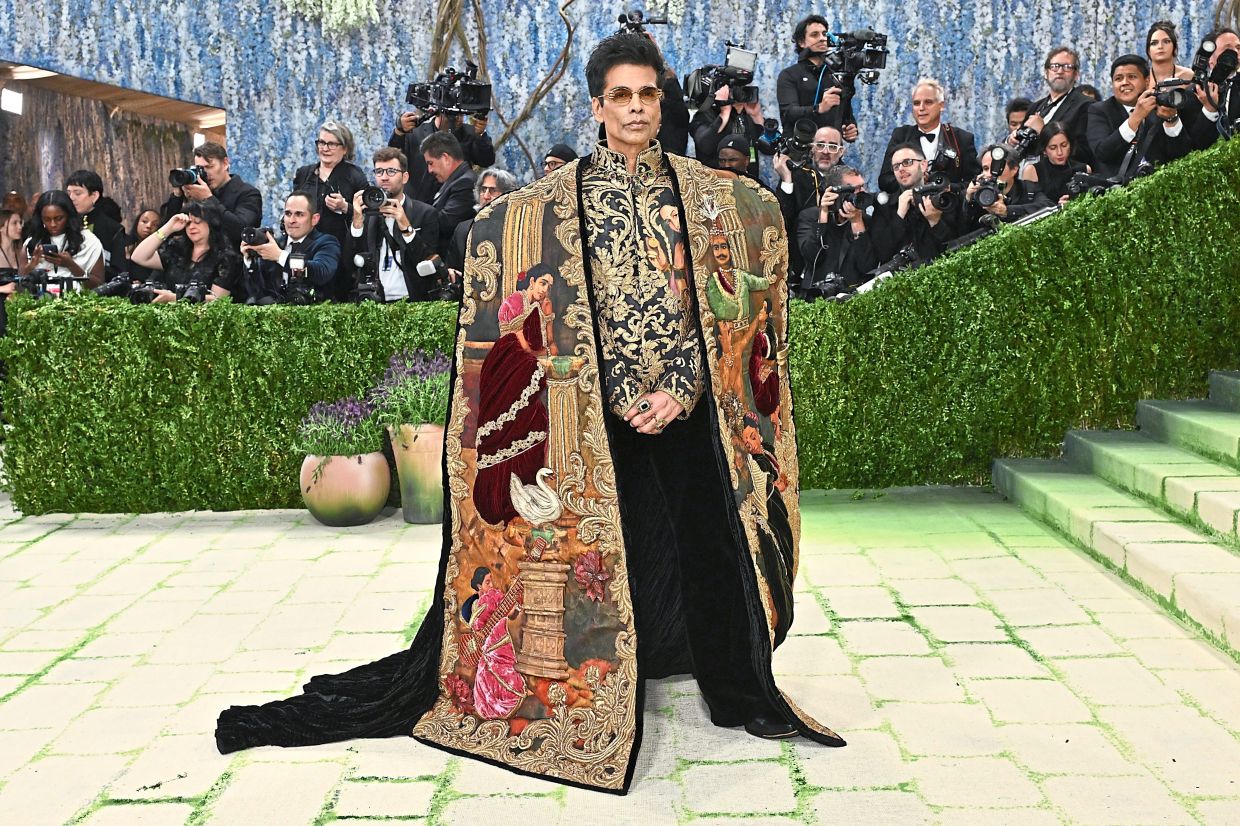
Filmmaker Karan Johar used the Met Gala as an opportunity to tell a story.
His look, inspired by Indian painter Raja Ravi Varma and designed by Manish Malhotra, made use of intricate embroidery finished with acrylic and oil treatments, creating the effect of a painting rendered in fabric.
The night’s fashion, however, can be best described as a study in contrasts.
While some guests pushed the theme to extremes – with Heidi Klum appearing as a marble statue, many others played it safe, opting for classic eveningwear with minor artistic flourishes.
Read more: Fashion is art! Met Gala red carpet stuns with bold style statements
Global scrutiny
The Met Gala itself is very much a worldwide event. It draws intense scrutiny as every look is dissected and debated across social media.
For those in the industry, it can be a platform where designers and brands showcase their creativity on one of fashion’s most visible stages.
With trends being global, the Met Gala is relevant all over the world, especially when runway creations make their way onto the red carpet.
Yet, for the average Malaysian, the Met Gala remains something to look forward to.
Dylan Lim, 36, shares how he just enjoys looking at the parade of looks every year.
“But it is all in good fun. Whether you’re a fashion insider or not, I always think that everyone should be able to have an opinion about celebrity dressing.”
Twenty-five-year-old Yee Jia Ee says she usually scrolls through photos shared online when the Met Gala takes place.
“I think what a celebrity wears reflects their personality. It’s interesting to see how different looks match their vibe, even within a shared theme,” she says in an interview ahead of the event.
“One that immediately comes to mind is Jennie from Blackpink last year,” she adds, pointing to the Chanel black jumpsuit with an overskirt as an unexpected choice for a K-pop star.
Others, like 27-year-old Nathania Abdullah, do not actively follow red carpet events such as the Met Gala, but still take notice when it comes around.
She says you do not have to be deeply interested in fashion to be aware of it – even here in Malaysia.
“It’s such a big event that you can’t really avoid it when people start talking about it on social media,” she adds.
Read more: Met Gala’s US$100,000 ticket – does the fashion industry see the money?
A fashion conversation
The Met Gala may seem frivolous to those outside the style industry, but it centres on pertinent conversations about fashion and its function in society.
This year’s exhibition, titled Costume Art, aims to spotlight a crucial aspect of the trade.
Together with the dress code, it reinforces the idea of fashion as an integral form of creative expression.
Prominent Malaysian designer Datuk Seri Bernard Chandran says people should never forget that clothes are not merely something you put on.
“Fashion is wearable art,” he stresses in a casual conversation last week.
“It is a creative expression, born out of the hard work of designers themselves. Most collections come with a narrative and a story to tell.”
As for the red carpet event, he says he would likely design something artistic, but not costume-like, if invited to do so.
“I think the best way to approach a more open-ended dress code like this year’s Met Gala is not to take it too literally,” he explains.
“For me, I would probably play around with the art of textiles – embroidery transformed by the craft of tailoring. Also, maybe incorporate motifs that highlight my Chindian heritage.”
“Sculptural art,” he says tersely. “That’s how I view my designs, and I’m always happy to put them on display for everyone to appreciate.”
The Met’s fashion exhibition also aims to spark discourse important to the industry.
Despite the prominence of classical body ideals throughout art history, curator Andrew Bolton has ensured there is a strong emphasis on body positivity across the displays.
Mannequins are modelled on diverse, real bodies, reshaping how the dressed form is seen and understood.
Usha Gopalan Nair, founder of Malaysian adaptive wear label Dawn Adaptive, lauds the inclusion of disability fashion in the exhibition.
She cautions, however, that while it is a positive and encouraging step, it does not signal completion.
“True movement forward in diversity is not measured only by visibility in exhibitions or campaigns, but by systemic change across the entire fashion ecosystem.”
Usha adds that disability has been positioned outside of fashion for too long – seen as a limitation rather than a lived reality that deserves visibility and dignity, often overlooked or treated as an afterthought.
“The industry has, at times, engaged with diversity in ways that are momentary or symbolic.”
Ultimately, the Met Gala’s spectacle is only the surface of a deeper shift within fashion – one that challenges who gets to be seen, represented and celebrated.
Whether this momentum translates into lasting structural change remains to be seen, but the conversation is, at least, moving forward.