As the cost of dining out continues to rise, everyone from college students to empty-nesters is looking for ways to re-create the restaurant experience at home.
And they’re doing it creatively, with a surge of interest in artisanal tabletop products found in thrift stores and high-end boutiques alike.
Interior design has always been an expression of taste, but it’s now top of mind at dinner parties, where the platter that holds the fancy green salad is just as vital to articulating the host’s style as the food itself.
“I don’t remember it ever being like this,” said Sue Fisher King, of the rush for tabletop goods in her namesake San Francisco housewares emporium, which she has operated since 1978.
Her customers used to live for decades with the plates and cutlery they received as wedding gifts, she said, but these days they “buy them for themselves because it’s fashion”.
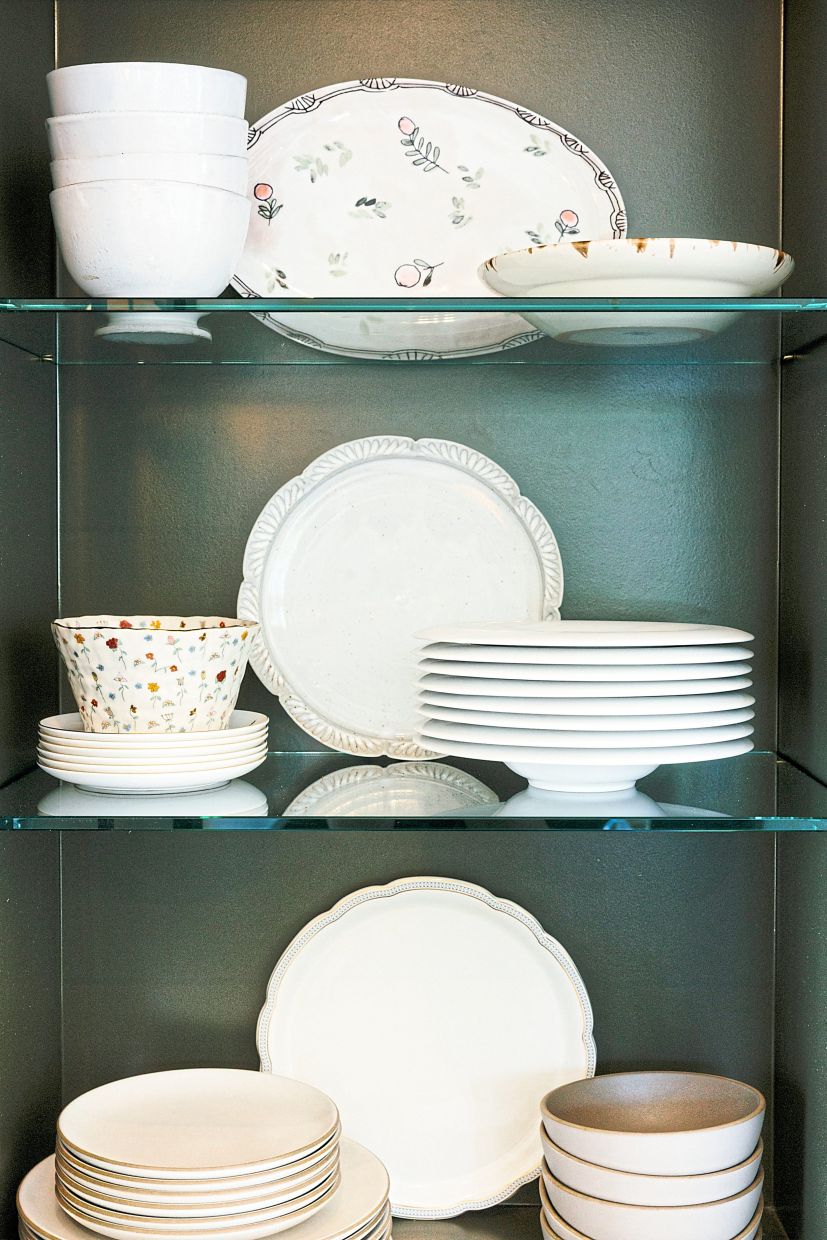
Sales of tabletop goods like flatware have recently ballooned, she said, while accessories of the past, like napkin rings, are also seeing a revival among some of her youngest clients.
“I think there is an inherent want for cosiness and comfort,” said Kerrilynn Pamer, who has been hosting more dinner parties at her Los Angeles home in the United States.
Pamer, 55, the founder of the skincare line CAP Beauty, described pairing her collection of ceramics and tabletop objects with homemade food as “one of the most intimate, kind, supportive acts”.
It can also be a cost-cutting measure. An evening out in Chicago can cost around US$400 (RM1,590), said Devin Kirk, accounting for child care costs, taxis and the meal itself.
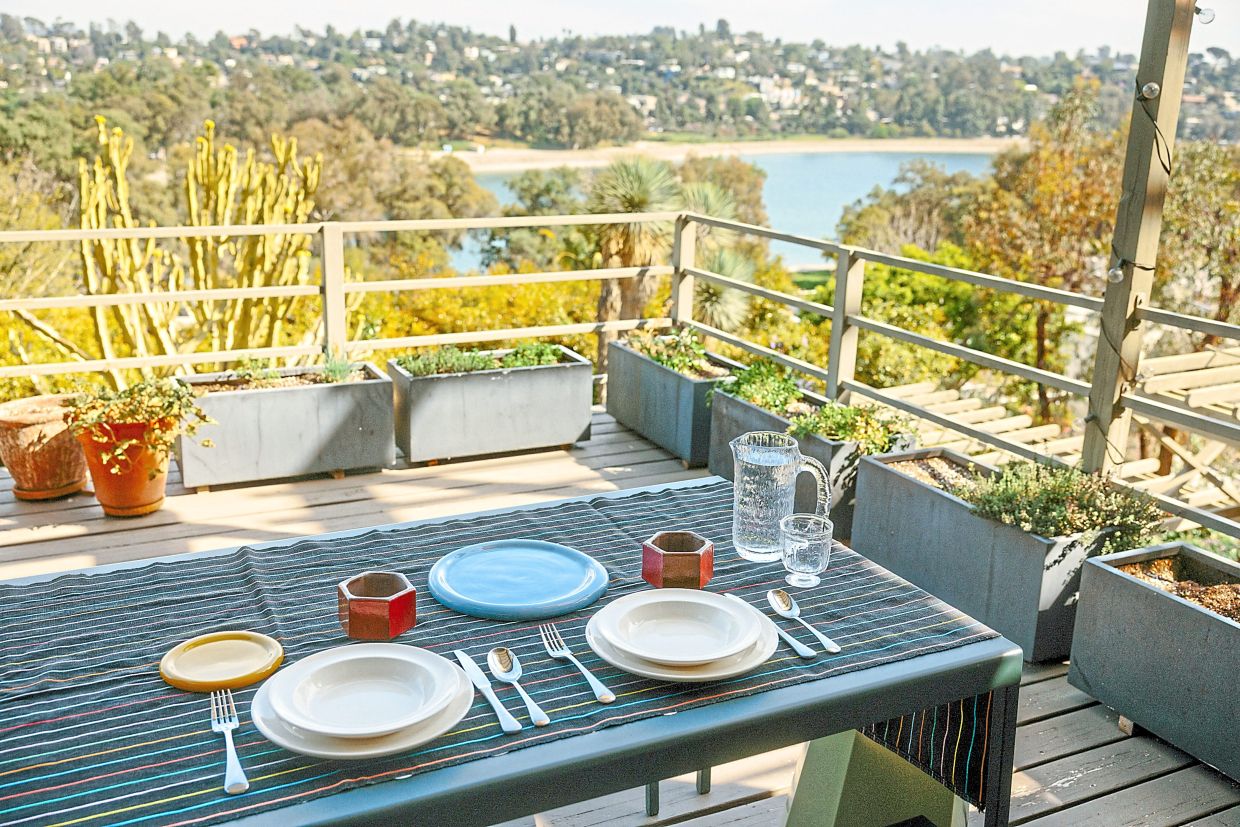
Kirk, the chief creative officer of the housewares boutique and online store Jayson Home, said that he and many of his friends are now spending that money on serving platters and other tabletop items that can cost around US$150 (RM595) apiece, and using them to elevate even the simplest meals.
“It’s more fun to me,” said Kirk.
Kirk and other retailers say that sales of tabletop items – everything from tapered candles to plates – are rapid-fire growth drivers, outpacing other categories of decor like bedding and decorative objects.
Don Macciocca, West Elm’s senior vice president of merchandising, is so bullish on these household accoutrements that he called the dining room table a “renewed destination in the home”.
With demand surging, West Elm is planning an expanded rollout of tabletop products with designs that, contrary to the brand’s reputation for minimalism, will show a wider range of pattern and colour – and prices. It’s an effort to reflect the change in culture around setting the table, towards one that enables a greater sense of individuality.
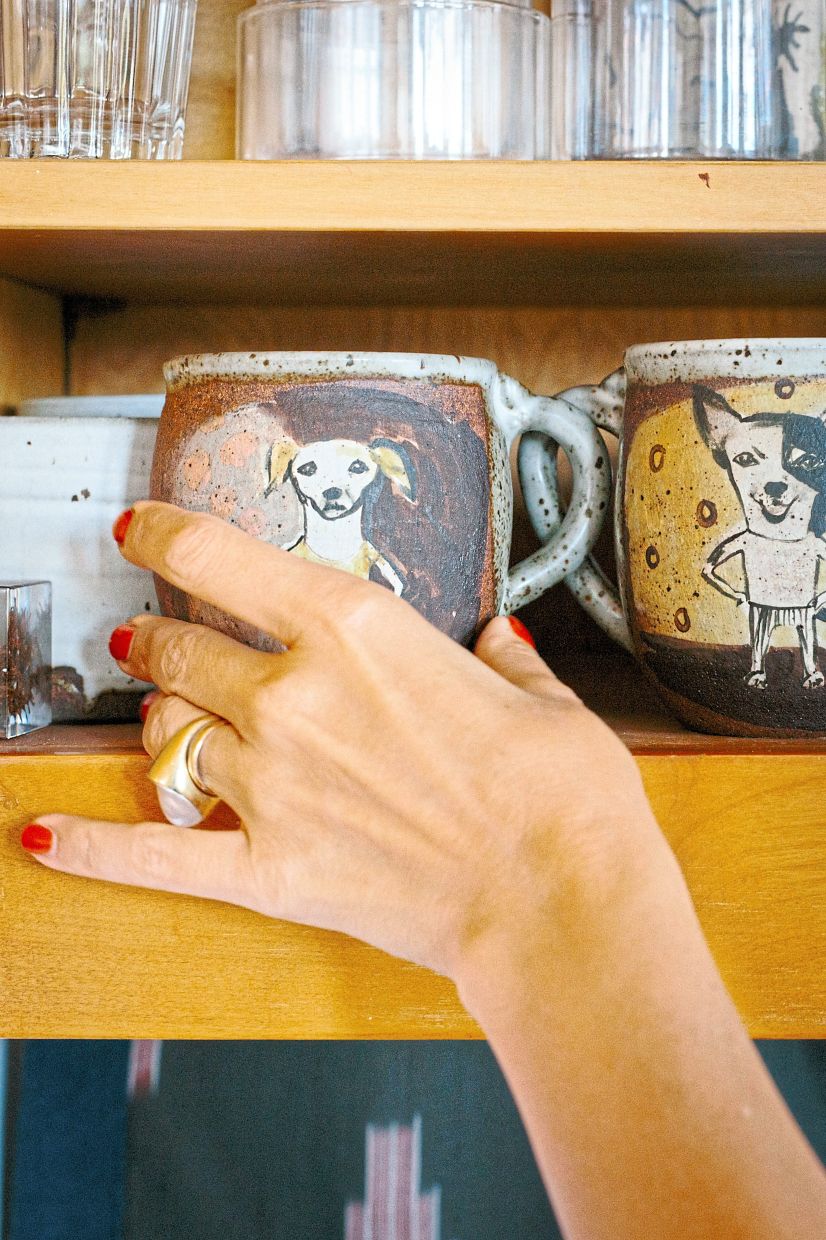
In decades past, most dinner party tables would be set in matching motif applied to everything from soup tureens to dessert plates. On today’s tables, it’s common for no two forks to match. Sometimes the only thing place settings have in common are the people who picked them out.
Monica Padman, who hosts the podcast Armchair Expert with actor Dax Shepard, likes to serve martinis in a mismatched collection of glasses sourced at historic bars, like the Connaught Hotel in London and Bemelmans Bar in Manhattan. She recently moved into a house and feels the “pull” of hosting, partly because setting her table allows her a certain creativity and projection of style, much like her love of fashion.
“I get a lot of self-esteem from cooking and presenting and hosting people,” she said.
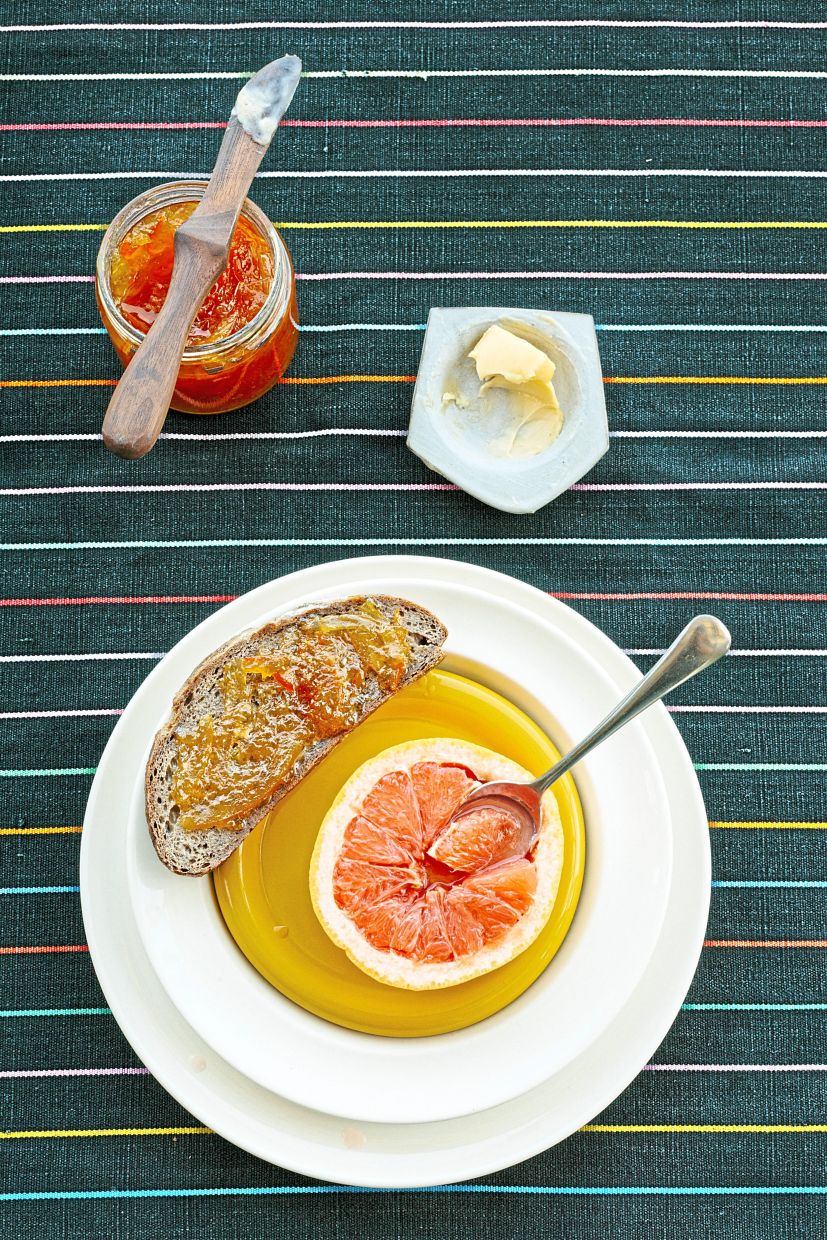
Today’s popular tablescape often resembles an expensive country retreat, with an emphasis on rustic materials like stoneware and hand-turned wood.
While some tables tend toward all neutrals, and others bright patterns, the overall look of the moment is characterised by “not being too precious”, said Helen Johannesen, a partner in the Los Angeles grocery, cafe and housewares store Cookbook Market, which counts colourful Japanese glassware (US$11/RM44) and Colombian stoneware pitchers (US$80/RM318) among its bestsellers.
Johannesen added that Americans’ love of cooking, honed during the pandemic, has merged into this moment of at-home entertaining.
The trend for tabletop goods is even taking root among an audience that, a decade ago, might have preferred paper plates.
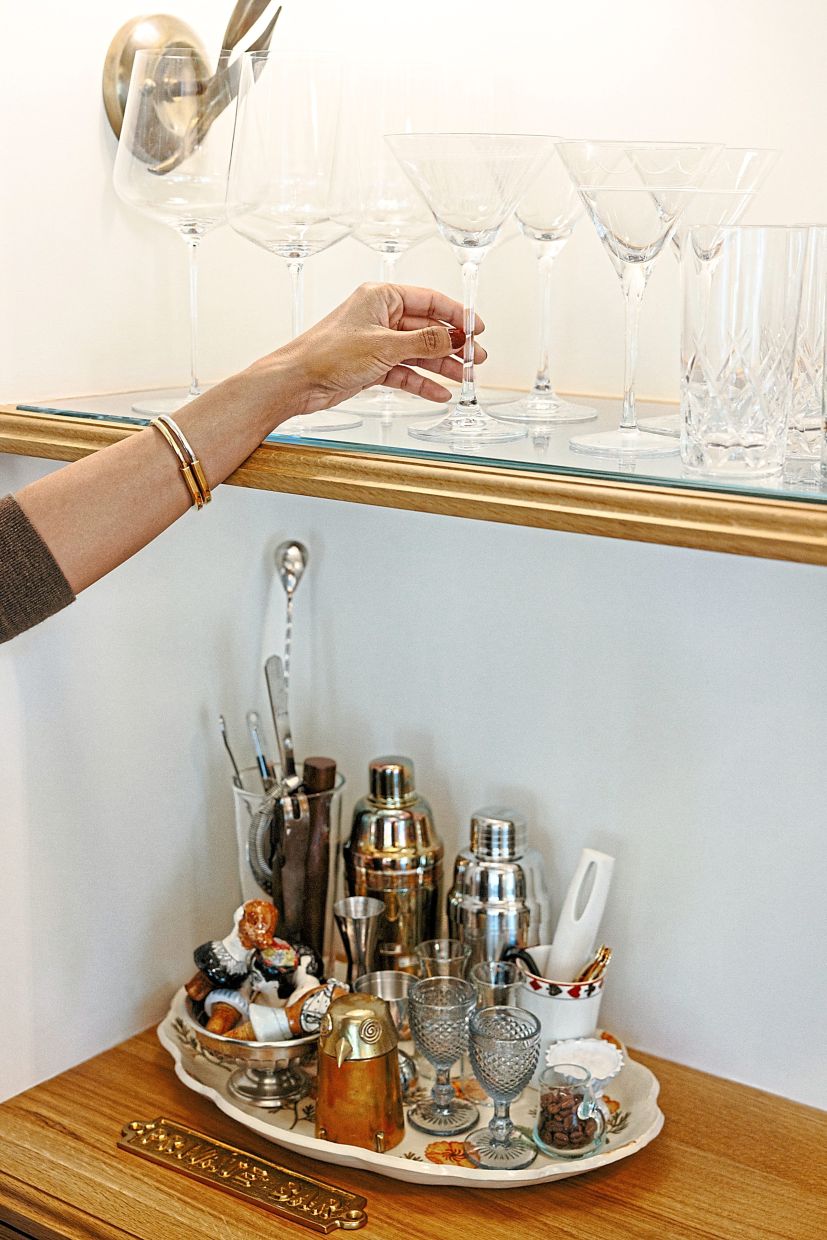
While older shoppers may spring for a full table’s worth of products, said Sofia Stephens, a founder of the Los Angeles housewares and provisions store Bucatini, younger clients are purchasing a single Ginori oval dish (US$220/RM874) or one place setting of Sabre flatware (US$94/RM373) to spruce up at-home meals.
The trend is often on display at the potluck dinners that have become a weekly cost-saving tradition for Jillian Minahan, a senior at the Berklee College of Music in Boston. Minahan, 23, said that she and her friends approach each meal as an opportunity to showcase plates and glasses found at local thrift stores – an expression of personal style as much as a move towards more eco- conscious dining.
“It’s always real wineglasses and genuine ceramic bowls,” Minahan said of the tables at those meals.
“The only time I use Solo cups is if I’m having more than 20 people over.” – ©2026 The New York Times Company