
Sake is something of an oddity in the world of beverages - and is increasingly in the spotlight as sommeliers select it as a drink that sets the scene for a fine meal.
You may think of it as a wine but, like a riddle, it is neither wine nor spirit nor beer. Wine is made from grapes and beer from barley malt but sake is based on rice.
Not a fan? No worries. In the artisanal world of sake, the rice is stripped of its distinctive ricey flavour.
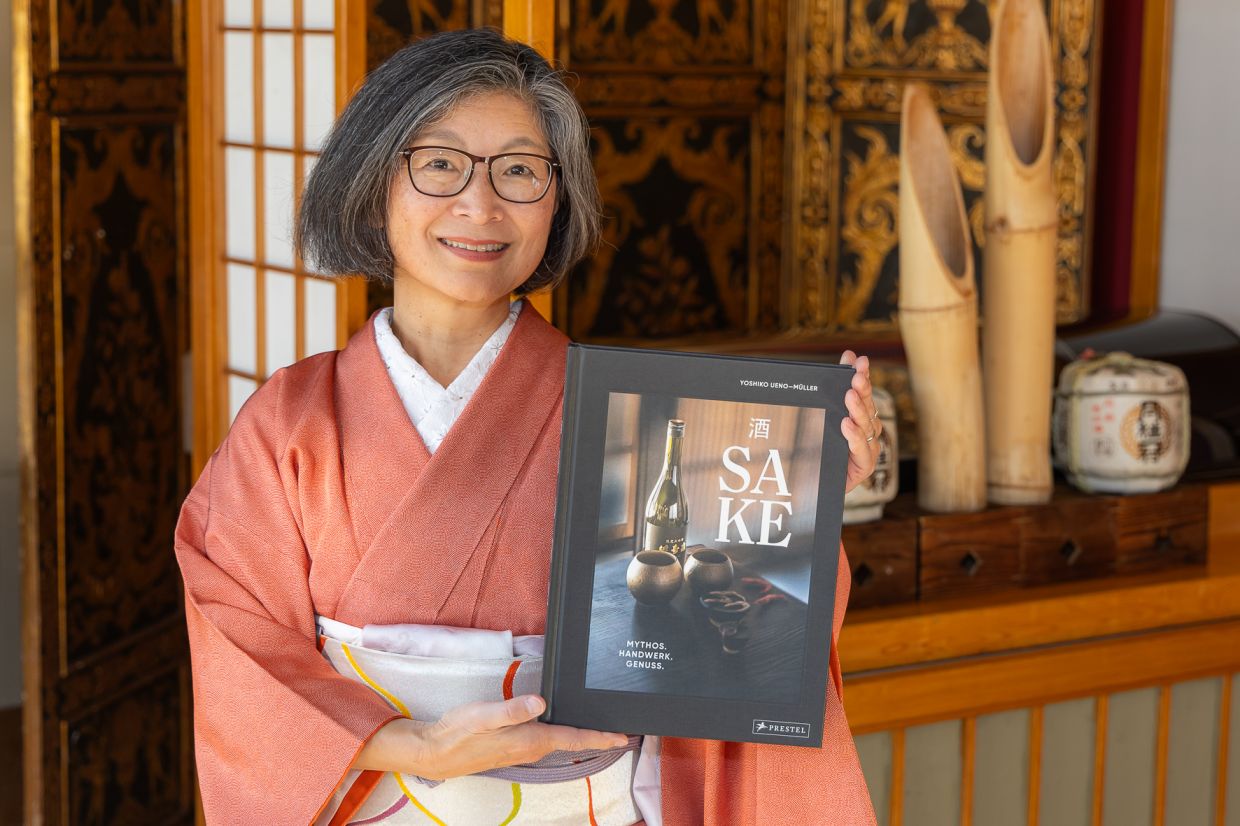
That is part of the production process. “It is brewed similarly to beer, but enjoyed like wine,” says sommelier and Master of Sake, Yoshiko Ueno-Müller. But the brewing process is more complicated than that of beer as rice alone doesn’t do anything, you need a fungus, she says.
You do not need much to make sake, merely rice, water, yeast - and koji fungus.
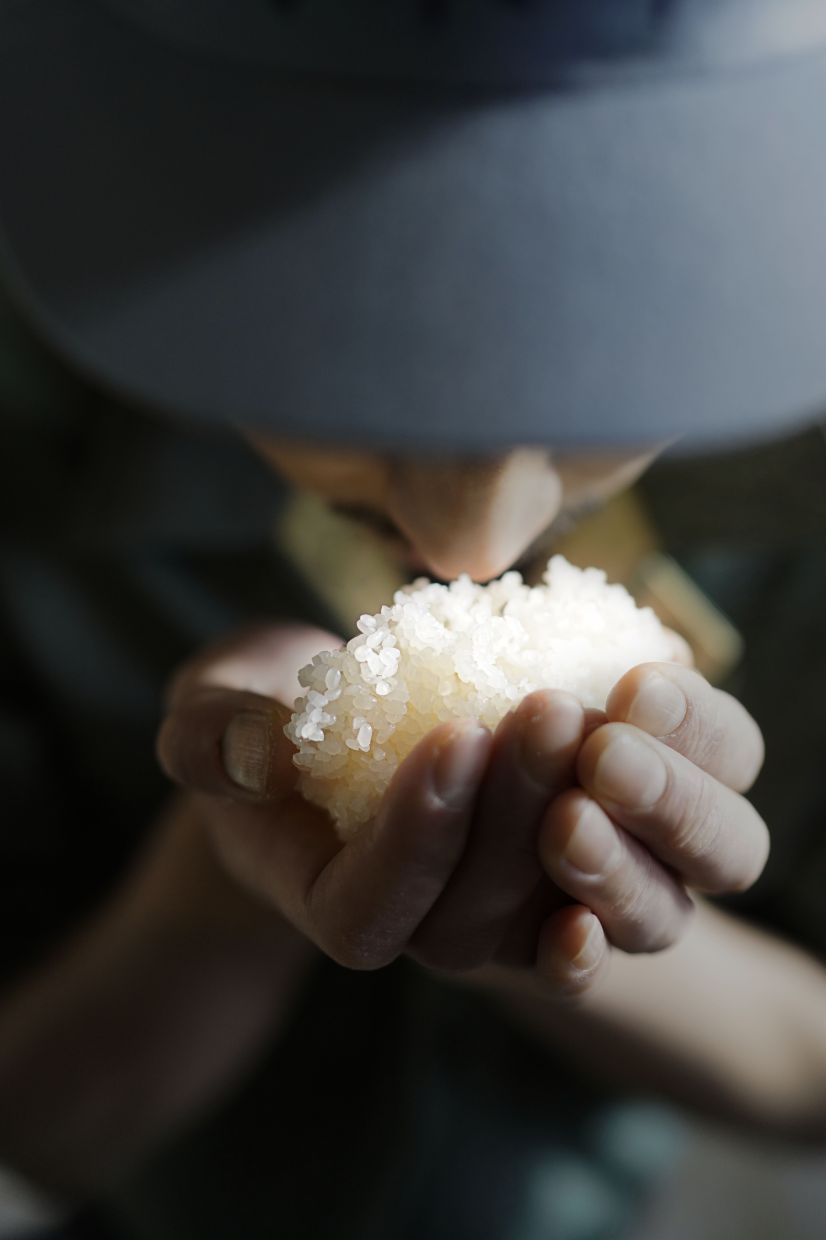
First, the rice is polished – sometimes a little, sometimes a lot. The more of the outer layer is removed using a centrifuge and a ceramic stone, the finer the sake will taste later. Once polished, the rice is washed and steamed.
Now comes the koji fungus, refined over 2,000 years. It is sprinkled over the rice, then, 48 hours later, the rice is coated with an enzyme, much like Camembert cheese. The specially cultivated mould culture enables the starch in the rice to be fermented and also lends the flavour.
Sake does not have a single particular flavour, however. The drink is a bit of a chameleon - you find some that are fresh as pears, others that have a nutty taste. You find varieties that are creamy and full-bodied like a fine cherry with soft rice notes that melt in your mouth.
But what all sake have in common is that they possess that comforting umami flavour. “In alcoholic drinks, this is otherwise only found in cherry liqueurs or some champagnes, but there it eventually dissipates,” says Ueno-Müller.
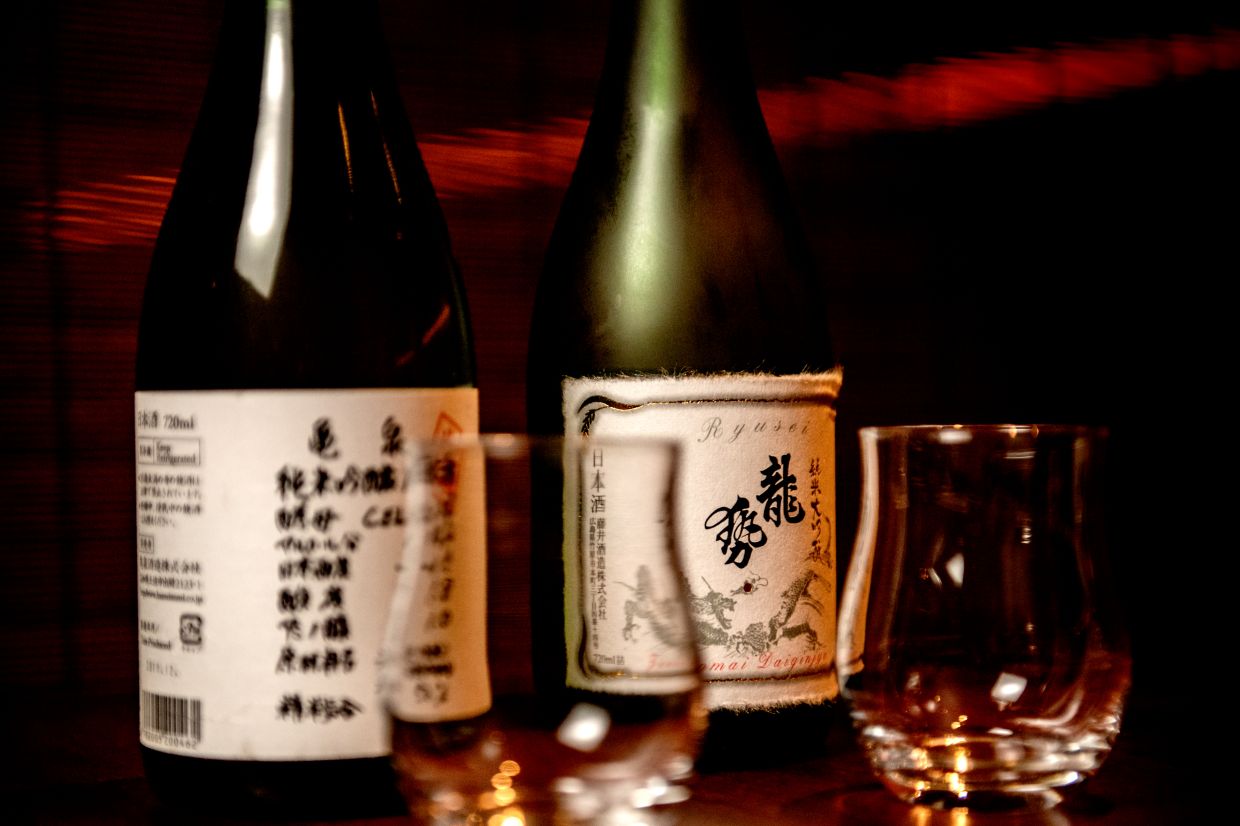
“Most sake comes from Japan and has been in family hands for 200 to 300 years, and is also produced by hand,” she says.
Much has changed in recent decades and these days, you don't tend to serve it warm as the finesse and fruity notes evaporate – it’s like drinking mulled wine,” says Ueno-Müller. Also, warm sake goes off more quickly.
In the past, people drank sake from ceramic bowls but wine glasses have since become the norm, partly as you can better smell the aromas, which in turn enhances the flavour.
Do not use a water glass though, as no aroma unfolds in them, says Ueno-Müller.
Most sake have an alcohol content of between 12% and 13%. “There are also bottles with 15%. But be careful, you don’t usually notice it because the flavour is so broad,” she warns.
You can also find sparkling sake with 6% alcohol by volume. “This is bottle-fermented and very similar to Prosecco,” she says.
In general, the fruity-sweet sparkling sake is a lovely introduction to the world of sake. With its gentle effervescence from bottle fermentation, it also pairs well with the complex flavours of a slice of cheesecake or fruit-based dessert and would make a good alternative to coffee.
If you are venturing out into the world of sake, here are the main varieties at a glance and what they pair well with
Honjozo: Polishing ratio of 70% or less, a fruity, light all-rounder
Junmai: Polishing ratio not defined, mild, rounded, ideal with food
Ginjo: Polishing ratio 60% or less, aromatic and crisp flavour
Junmai Ginjo: Polishing ratio 60% or less, fruity and fresh, light
Daiginjo: Polishing ratio 50% or less, elegant, floral, almost luxurious
Junmai Daiginjo: Polishing ratio 50% or less, harmonious and particularly umami
“You can’t drink too much sweet sake – at most one glass,” she says, as it is too filling. It goes wonderfully with panna cotta and mango sauce.
You can also find rosé sake or red sake which are brewed from black rice – and are perfectly suited as an accompaniment to goose meat and its rich sauces. Subtle fruity notes and well-balanced acidity provide an umami kick.
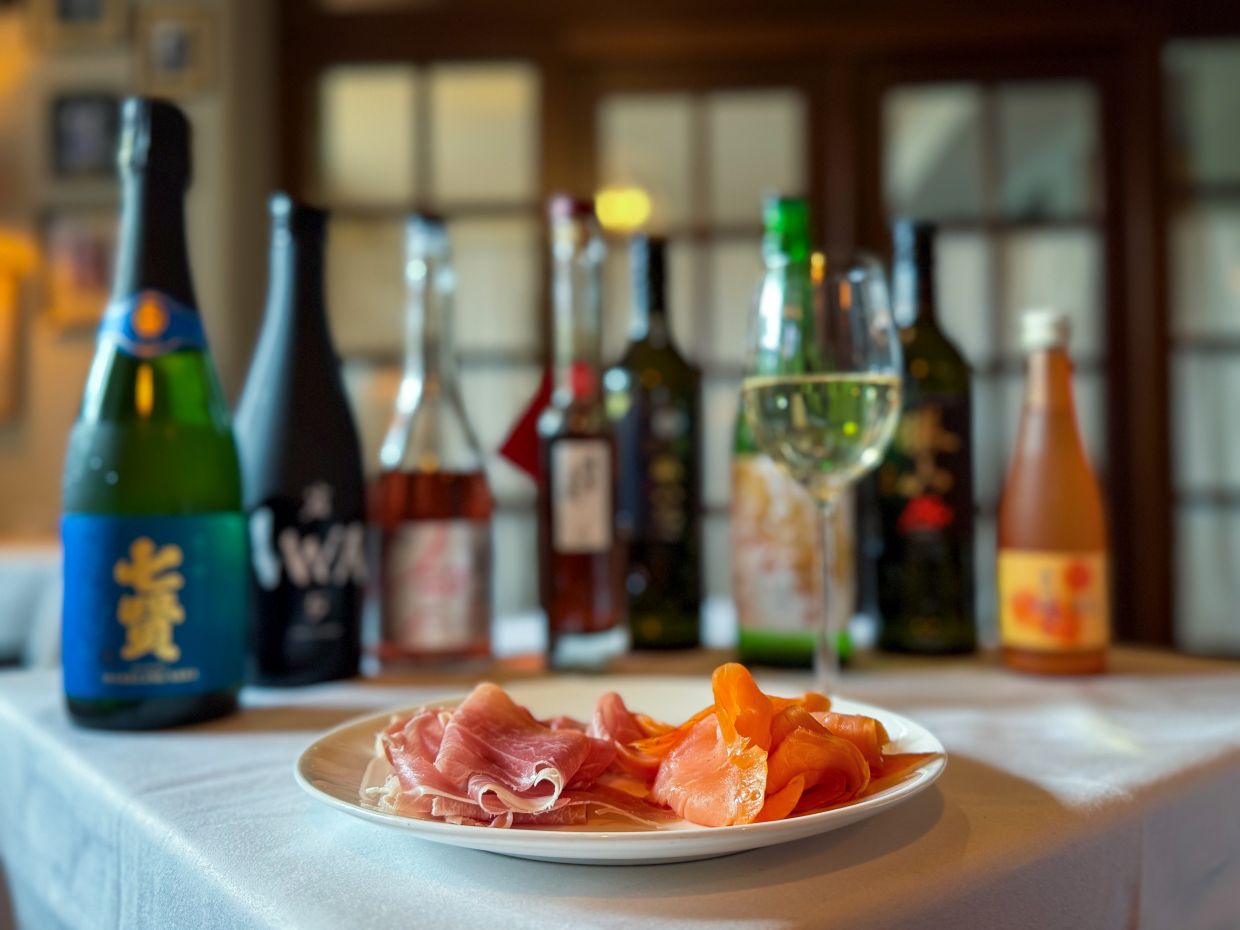
“When sake is fermented in wooden barrels, it pairs sensationally with salmon,” says Ueno-Müller. She suggests you try combining salmon with sake instead of sweet mustard.
In general, she recommends pairing sake with smoky notes. “Prosciutto is often paired with honeydew melon, but in my view, sake goes even better with Parma ham as a contrast to its smoky yet sweet notes,” she says.
If you are scanning the bottles in a shop, you won't find a vintage on the label as you would on wine. “It only states a bottling date. From that point onwards, sake should be drunk young. That means within two years,” Ueno-Müller says.
When it comes to prices, sake that costs less than US$10 is usually mass produced. It is thinner and doesn’t have quite such a harmonious flavour, she says.
And if you are trying sake for the first time, start with premium sake, with a polishing ratio of 70%, 60% or 50%. “The lower the polishing ratio, the more of the rice has been polished away and the better the sake,” she says.
Armed with that knowledge, what is left to be said but "kanpai" or cheers. – by Claudia Wittke-Gaida/dpa