It's exceedingly expensive to own a pet, prompting owners to delay veterinary visits or reconsider adopting one in the first place. Yet, animal health companies’ earnings keep growing.
That’s down to the unwavering love between owners and their pets.
While some owners might extend the time between their pets’ annual wellness visits to save money, they’ll shell out when their darling is truly sick or hurt, and that care is often the most expensive – and lucrative.
Last year, Matthew Joseph, a 41-year-old New Yorker, spent US$11,000 (RM44,220) on lifesaving spleen surgery for his now 14-year-old pooch Frankie. “The amount that we spend on Frankie, you could probably buy a Hyundai, or finance one at least.”
Animal diagnostic testing and pharmaceutical companies like Idexx Laboratories, Zoetis and Elanco Animal Health, along with pet store companies like Petco Health & Wellness and Chewy are reaping the benefits.
Pet-care costs have been rising faster than overall inflation. The consumer price index for all urban consumers increased 2.4% in February from a year earlier, while pet services – including veterinary care – jumped 5.1%, according to data from the Bureau of Labor Statistics.
Total vet visits declined 3% in the fourth quarter of last year, marking the 16th straight quarter of declines, Bloomberg Intelligence analyst Ann-Hunter van Kirk wrote in a note, adding there’s only low correlation with the performance of pharmaceutical pet companies. Last month, vet visits fell 1.7% year-over-year, according to data provided by Vetsource.
“People in a down economy, they may not be taking their pet to the vet quite as often as they need to, but they also still know the main things that they need to do – those maintenance therapies – and they’re still doing that,” van Kirk said in an interview.
Pet owners are still spending, Zoetis Chief Financial Officer Wetteny Joseph said at the Leerink Global Healthcare Conference on March 9, specifically for visits that incur “higher prices” such as emergency hospital visits.
Essential visits only
Andi Lichtenfeld – who, like most owners, doesn’t have pet insurance – only takes her two dogs, three-year-olds Marilyn and Wayne, to the vet for emergencies, or when they don’t seem like themselves. The 37-year-old says this is similar to how she treats herself; if she’s sick, she goes to the doctor. For their vaccines, Lichtenfeld takes them to pet wellness company Petco.
Petco shares surged 35% on March 12 after the company’s forecast beat estimates, although its revenue is still pressured as it works to turn around operations.
Idexx’s long-term growth should be fuelled by “heightened spending by younger consumers and increased pet life expectancy that requires more expensive care,” according to BI’s van Kirk.
“A lot of these companies don’t expect the macro dynamic to change in 2026,” Jefferies analyst Keith Devas said, but “we saw over the last 18 months that the vet visit trends are not very correlated to these companies’ results.”
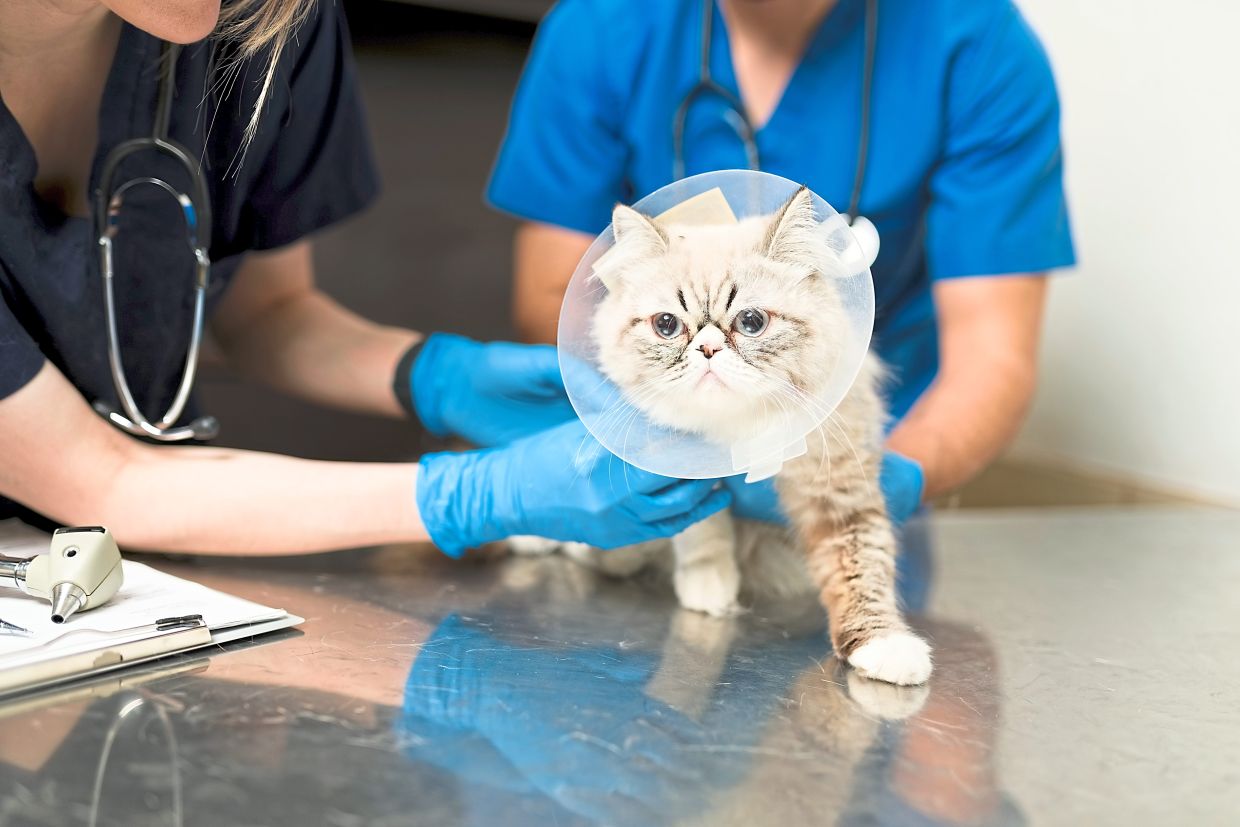
The lack of correlation between declining vet visits and related companies’ earnings speaks to the growing humanisation of our furry friends.
As pets have moved “from the yard to the kitchen into the bedroom,” owners’ bonds deepen and their willingness to spend increases, said Harold Herzog, professor emeritus at Western Carolina University, who studies the psychology behind human-animal interactions.
Treating pets like family has accelerated as more people delay or forgo having children due to cost or personal choice, said Ingrid Tague, a professor at the University of Denver who has written a book about pets in British history. “The more we treat them as people, the more we get caught up in that same kind of consumerist cycle that we have for ourselves.”
For example, pet food used to just be kibble and canned meat, but now includes foods humans could salivate over – ribeyes, salmon fillets and flamboyant multicoloured cakes fit for a child’s birthday party.
That explains why many pet owners are willing to stomach rising costs.
“I would never use the word expensive because to me the ROI is better than anything else I would spend,” Joseph said, noting Frankie’s “unconditional love and companionship.” – Bloomberg