
Australia is well-known for its headlines involving dangerous animals. However, in recent months, Sydney has been in the news with an unusually high number of shark attacks.
A particularly severe incident occurred in January, when a 12-year-old died following a suspected bull shark attack, drawing attention from around the world.
In the state of New South Wales (NSW), where four human-shark encounters occurred within 48 hours in January, nets are deployed along 51 beaches to keep away the main offenders: Bull sharks, great whites and tiger sharks.
Shark nets aren't unique to Australia and are also being used in South Africa. However, several places that previously deployed them, including New Zealand, Hawaii and the Indian Ocean island of Reunion, have since transitioned to public education, enhanced monitoring and non-lethal technologies.
Leaving the beach
Critics, including activists and scientists, argue that the nets do not reliably protect swimmers and often catch non-target species, causing injury or death.
Each year, the nets are removed from all beaches for several months to avoid bycatch, particularly sea turtles during migration season. Some councils in NSW, however, have long considered removing them altogether.
Visually, these nets resemble massive volleyball nets, placed about 500m offshore. They differ from shark exclusion zones, which act like a fine-mesh cage and fully enclose a specific area – though those only work in calm waters, making them useless for most of Sydney's surf-heavy beaches.
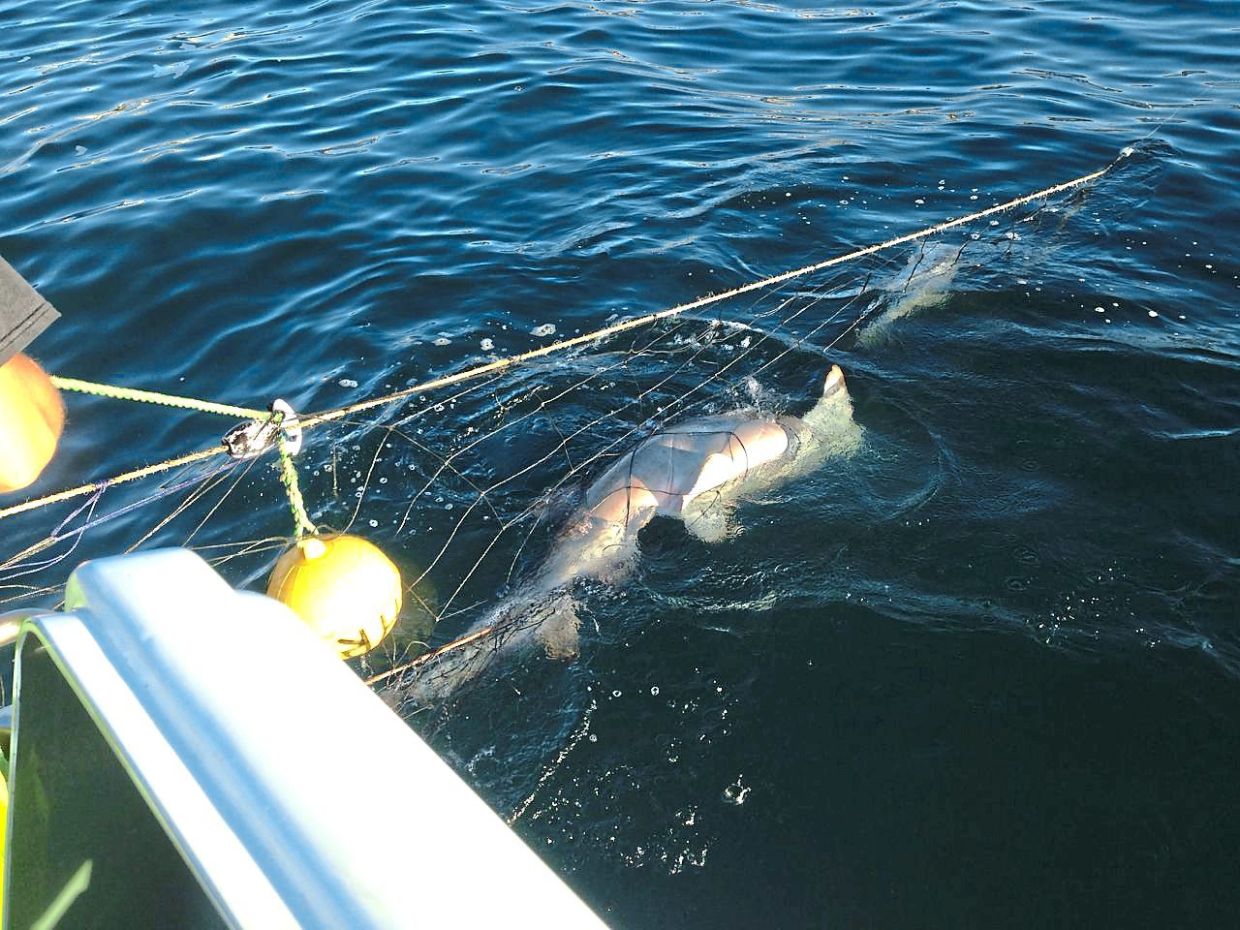
"Many sharks that are caught in the net are actually swimming away from the beach," says Robert Harcourt, a marine ecologist and emeritus professor at Macquarie University in Sydney. "They've already been in and they're coming out."
Harcourt explains that the nets aren't meant to be a literal wall. Their primary goal is to catch and kill sharks deemed dangerous to humans, effectively acting as a permanent fishing net checked every two to three days. For large sharks such as great whites, which need to keep moving to breathe, becoming entangled is often a death sentence.
"The nets are often said to deter sharks, but they are commercial gill nets designed to entangle and kill fish and sharks."
When nets were first introduced nearly a century ago, they significantly reduced shark encounters, Harcourt notes.
"They're certainly not perfect but when they were implemented, they greatly reduced the number of people being killed."
Over time, the numbers of sharks caught in the nets – as well as the overall number of sharks – have declined. This was also due to the expansion of commercial fishing of shark populations, which started in the mid-1900s in Australia, Chlebeck says.
Recent shark catch data
In the 2024/25 season, 223 animals were trapped, of which 74 were released alive, according to the NSW government's annual report on its shark meshing programme.
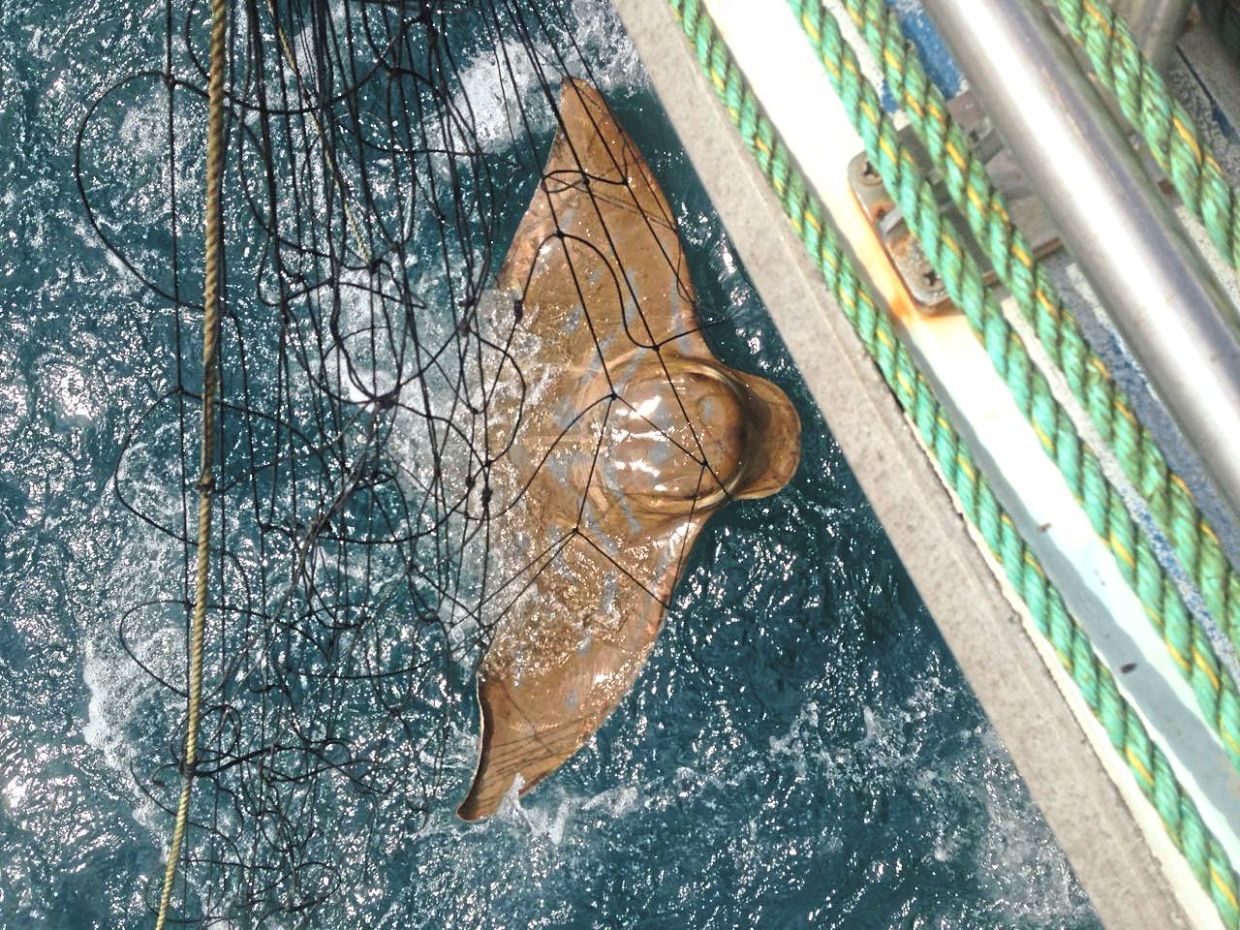
Twenty-four of the overall caught animals were target sharks: 18 great whites, four bull sharks and two tiger sharks. The rest included 117 non-target sharks, 56 rays, 13 turtles, four dolphins and various finfish.
When a dolphin or turtle gets tangled, it often struggles to escape, thrashes around and eventually dies. This can even attract sharks, Chlebeck says, adding that researchers have pulled out carcasses with large bite marks from the nets.
Public and scientific outrage is fuelled by the existence of modern alternatives. Drones that monitor the beaches are frequently used, though they're most reliable in clear, calm water.
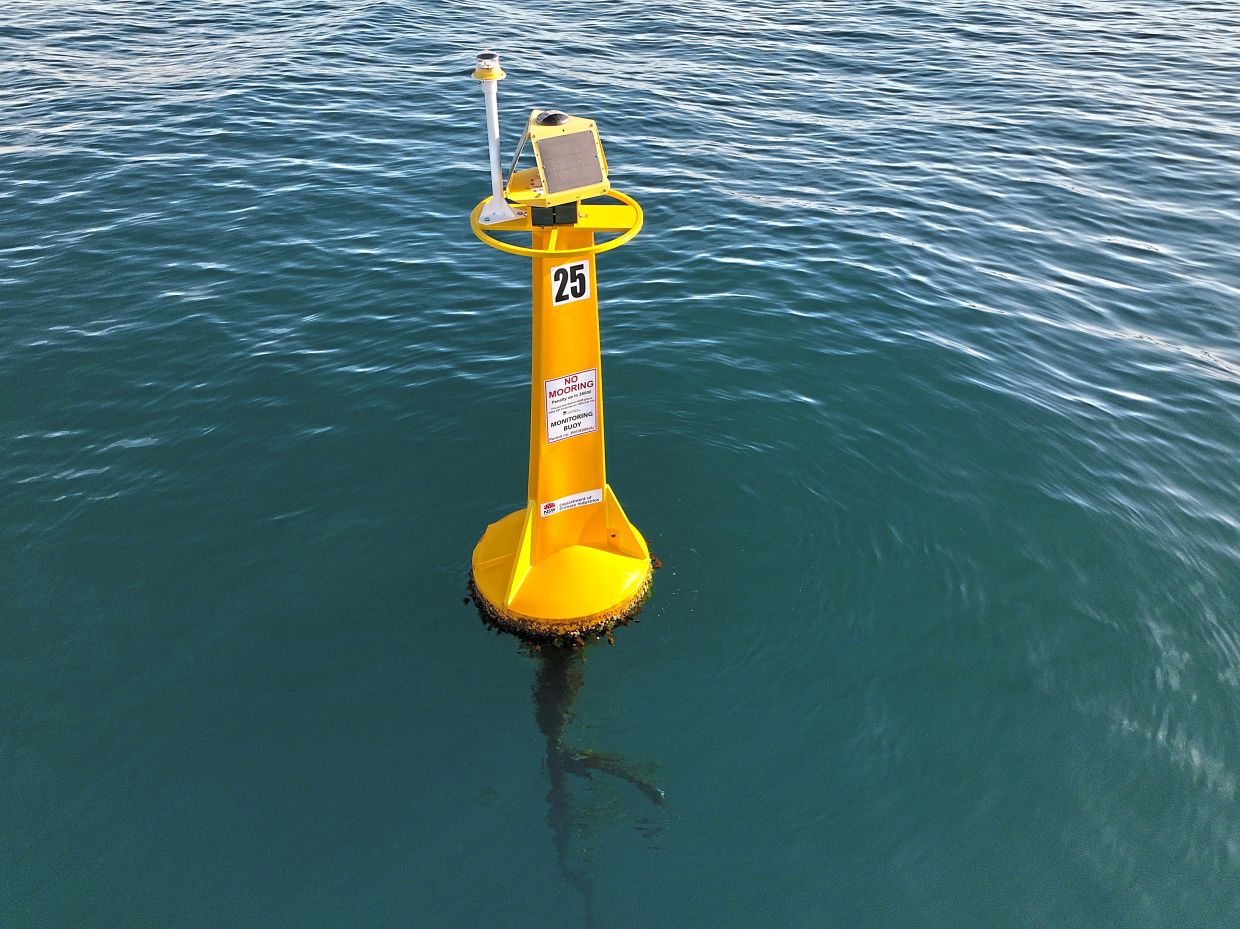
Another method is shark tracking via acoustic or satellite-linked tags. If a tagged shark approaches a listening station close to a beach, the tag alerts users through the free Shark Smart App, which is available in New South Wales and Western Australia.
Tagging great white sharks
Tagging a shark involves so-called SMART (Shark Management Alert in Real Time) drum lines, which are baited hooks attached to a float that send an alert the moment a shark bites. A team then heads out by boat to remove the hook, tag the shark, and release it.
Timing is crucial because if the shark is not reached within roughly 30 minutes, it risks death from exhaustion or suffocation. Because of this narrow window, SMART drum lines can't be deployed just anywhere.
According to Robert Harcourt, the NSW government has tagged well over a thousand great white sharks, as well as hundreds of bull and tiger sharks.
Chlebeck emphasises that one of the most effective defences against shark attacks is public education: Avoid swimming in the sea at dawn and dusk and steer clear after heavy rain. Rain can muddy waters and wash organic debris into the ocean, drawing small fish – and hungry sharks.
Some sharks also prefer to hunt in murky waters and rely on other senses to detect prey, sometimes taking a test bite in the process.
Paused trial
With alternatives available and the unintended bycatch problem, three NSW councils had planned to fully remove the nets from certain beaches in coordination with the government. But just before the start of the trial, a fatal shark attack occurred in Sydney's north, leading authorities to leave the nets in place.
One of the three councils said that it does not have any information about when or if a trial will happen in the future.
"Council does not support ocean shark mesh nets and instead encourages the NSW [Department of Primary Industries] to consider alternatives and to fully utilise all available technology, including aerial surveillance with drones, community education programmes, shark listening stations connected to a Shark Smart App, lifeguard towers, Smart drum lines, and personal deterrents," the Central Coast Council said.
The NSW government has not yet decided on next steps for the 2026/27 season. Scientists, however, are confident that sooner or later, modern technology is likely to replace the nets. – dpa