



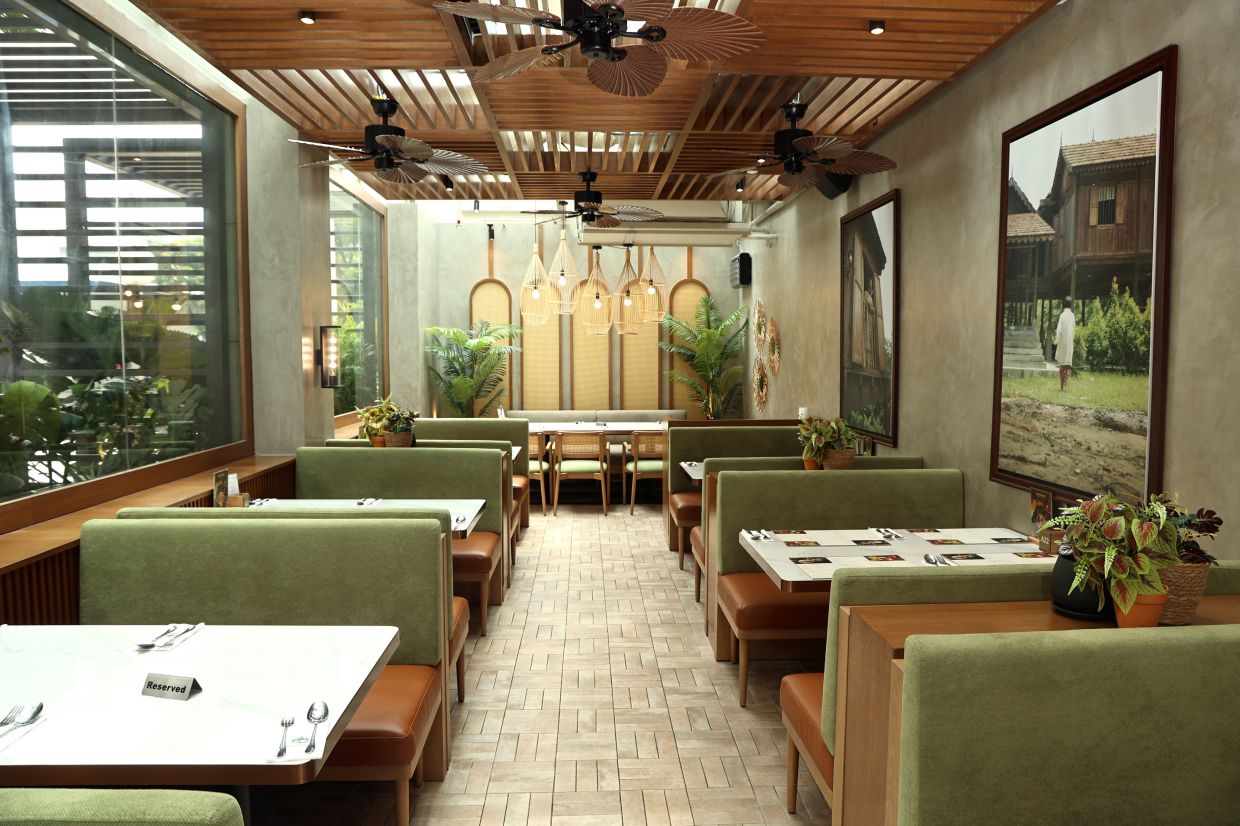
At 12.30pm on a regular Wednesday afternoon, Rumoh Mekda is bursting at the seams, every conceivable table filled with diners clamouring for meals from the Pantai Timur (East Coast of Peninsular Malaysia) culinary canon.
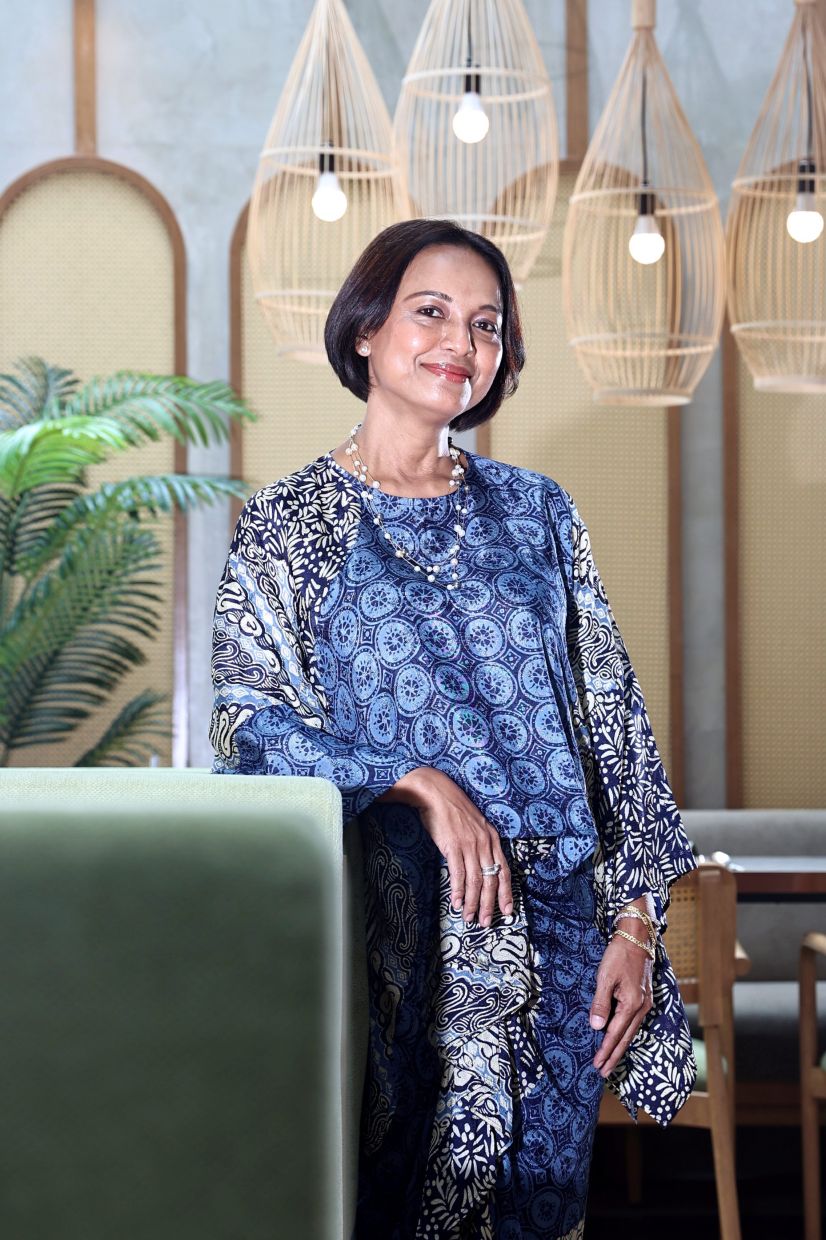
The restaurant is a new entrant in the Klang Valley dining scene – the brainchild of bubbly, beautiful Norhelinda Daud, 54, better known as Mekda.
Mekda grew up in Kuala Lumpur but her family hails from Kelantan. She recalls a childhood filled with food. In fact, it was practically an everyday occasion for her parents to pass food to neighbours or invite people over and cook up a storm.
“My family loves to cook. When I was growing up, I saw my mum cooking all the time – the table was always filled with a variety of food. So it was always makan, makan, makan (eat, eat, eat).
“Food was everything and my parents liked feeding people. I used to help in the kitchen by cutting up ingredients and eventually, I loved to cook too,” says Mekda, laughing.
Once she married and had her two daughters, Mekda continued cooking for her little family as well as friends, relatives and neighbours – pretty much everyone in her circle was offered the food that she cooked.
As their daughters got older, Mekda and her husband started a small business supplying food items like sandwiches to petrol stations. But after a scary road accident, she stopped driving and eventually started a nasi lemak food truck instead.
When the Covid-19 pandemic hit, she pivoted and launched a small catering business, which eventually grew as her reach spread. Soon, she was catering for family events, office parties, corporate orders and even for members of the nobility.
But nestled deep inside her was the desire to one day open her own East Coast-inspired Malay restaurant. When she had a heart attack two years ago, she knew the time was right to finally take the leap and ensure her family’s culinary legacy was preserved.
“The heart attack was one of the reasons I wanted to open Rumoh Mekda. The day the restaurant formally launched, I had tears in my eyes. I couldn’t believe that at 54, I finally had a restaurant to call my own,” says Mekda.
At the restaurant, Mekda has entrusted a reliable and talented chef with her family recipes. But she and her husband supervise all the proceedings to ensure that the spice pastes and kitchen rituals are followed to her exacting standards.
The menu is lean but filled with all sorts of East Coast goodies. For starters, try the Nasi Kerabu Ayam Percik (RM34).
The dish is now recognised as a heritage dish by the Department of National Heritage and is typically made up of rice (often dyed with blue pea flower) served with an assortment of julienned herbs and vegetables (sometimes up to 10), salted egg, solok lada (chilli stuffed with fish paste and coconut), keropok (fish crackers) and a fiery sambal belacan, sambal tumis and budu (fermented anchovy sauce) to tie it all together.
Here, the only anomaly is that the rice is yellow. Otherwise this is a wonderful, classic rendition of nasi kerabu with herbs and vegetables like long beans, cucumbers, bean sprouts, torch ginger bud and laksa leaf.
Toss it all together with the sambal belacan, sambal tumis, budu, solok lada and crackers and enjoy the riotous explosion of flavours that follow – a lively confluence of herbaceous elements, fiery nuances, aquatic underpinnings and a wonderful tropical edge to round out this celebratory affair.
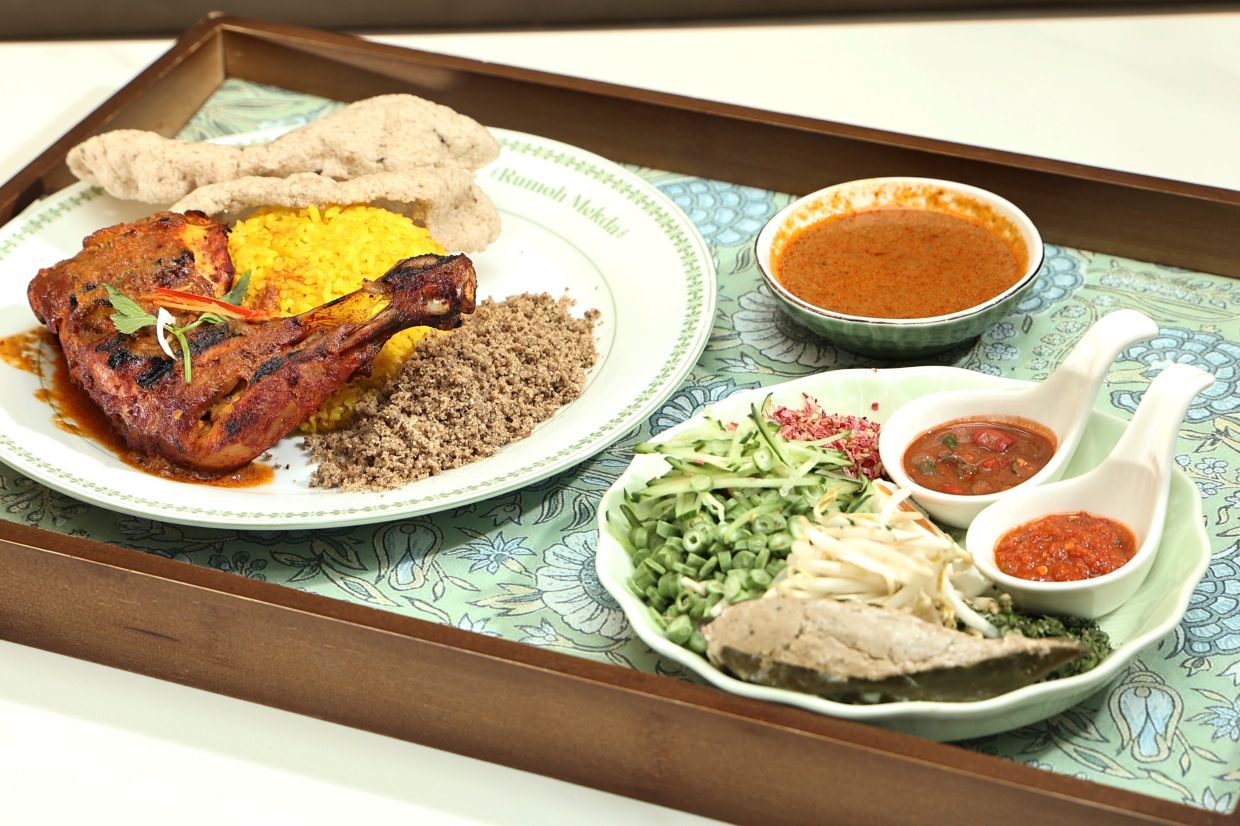
The ayam percik has also been done to perfection, retaining a charred surface, spice-riddled undercurrents and tender, juicy flesh.
In Kelantan, nasi kerabu is often paired with the cholesterol-busting dish of Lemak Bakar (RM30). The dish is essentially beef fat marinated in a spice mix and grilled and rendered until it attains intoxicatingly charred edges and bulbous, buttery fat.
Here, the dish delivers on both premise and promise, serving up an unctuous treat with brown, crusty edges spiked with spices and bolstered by fat that wiggles and jiggles as enticingly as a belly dancer. This stuff is lethal and addictive – a potent combination from whose charms it will be hard to disentangle yourself.
Mekda’s Daging Tumbok (RM48) is one of Mekda’s signature dishes, a carnivorous offering whose meaty overtures will be met with instant, rapturous approval.
The unique aspect of daging tumbok is that the meat is first boiled or par-boiled then finely cut before being fried. After this, it is often pounded to attain a fluffy consistency, then cooked with spices and aromatics.
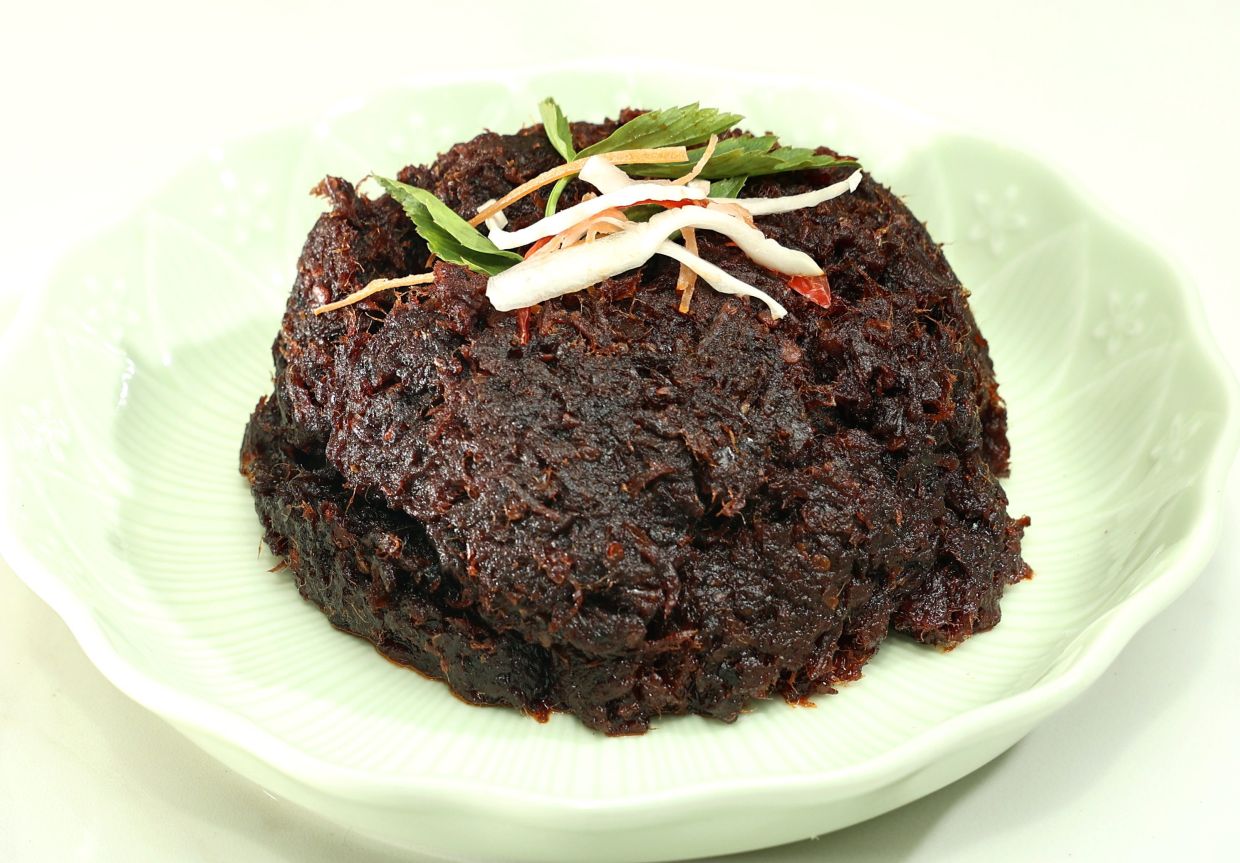
At the restaurant, the daging tumbok is sensationally good – the meat tender and limber while still eliciting some bite.
The spices really come through strongly here while the heat levels are set modestly low – titillating enough to be present but not enough to blast your guts with fire. It’s a really lovely dish that is also the perfect accompaniment to a steaming plate of rice.
The Ikan Patin Goreng Sambal Tempoyak (RM78) is a Pahang specialty dish that is essentially fried marinated fish cooked alongside tempoyak (fermented durian paste).
Patin is a freshwater catfish known for its oleaginous qualities. Here, that fattiness is tempered by the tempoyak, which lends it a wildly funky, lightly sweet coating that is rich and permeates through both the core and pores of the fish, giving it a potently unusual, yet delicious dynamic.
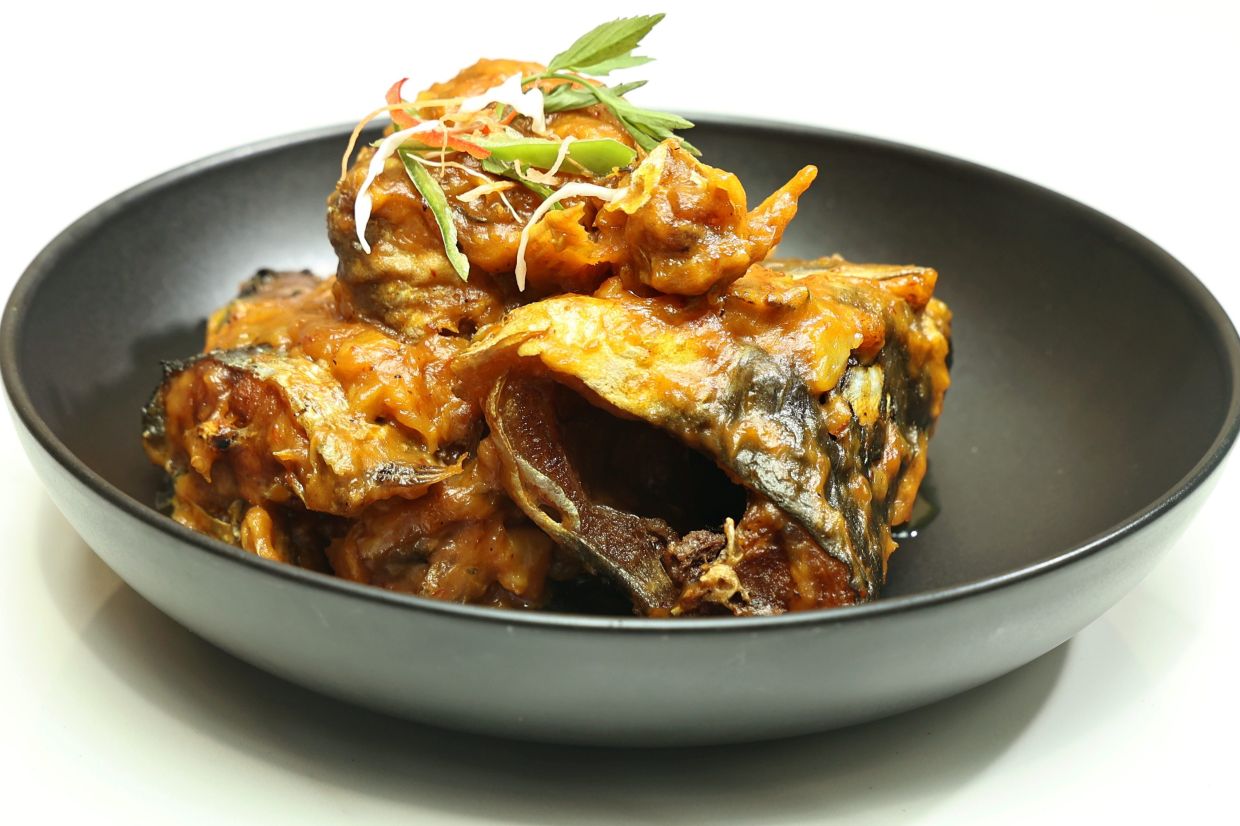
Eat it while it’s hot otherwise the rich sauce clots and seizes up, becoming a wizened version of the original iteration.
Next up, try the Ayam Goreng Mekda (RM38) which is marinated pieces of chicken that are deep-fried.
The recipe was developed by Mekda after the restaurant opened and is a solid fried chicken entrant – although some pieces are perhaps a little over-fried, resulting in wiry meat.
The pieces that are done perfectly are delightful – crisp on the outside and tenderly succulent within.
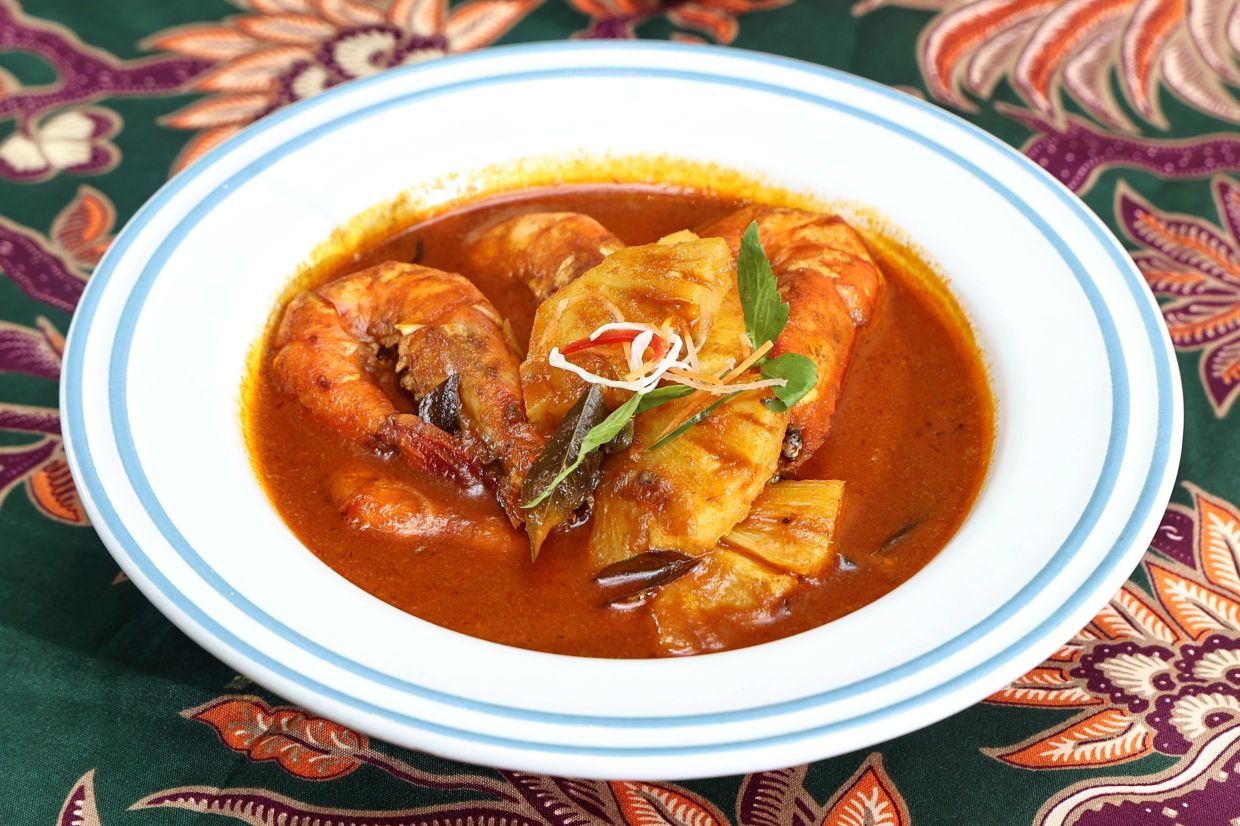
End your meal with the aquatic-themed Kari Udang Nenas (RM65) which as its name implies, features large prawns cooked alongside pineapple chunks in a spice-buoyed gravy.
The prawns and pineapple intersect well, like a solid marriage where each person understands their role. Here the prawns offer plump, firm flesh and aquatic leanings while the pineapple delivers floral, fruity notes.
Ultimately for Mekda, the restaurant is the fulfillment of everything she has long hoped for. Will she open another restaurant? She isn’t sure – for now, she’s just content to enjoy the moment.
“I’m so happy – this has been such a blessing. I just feel like it’s a dream come true,” she says.

