
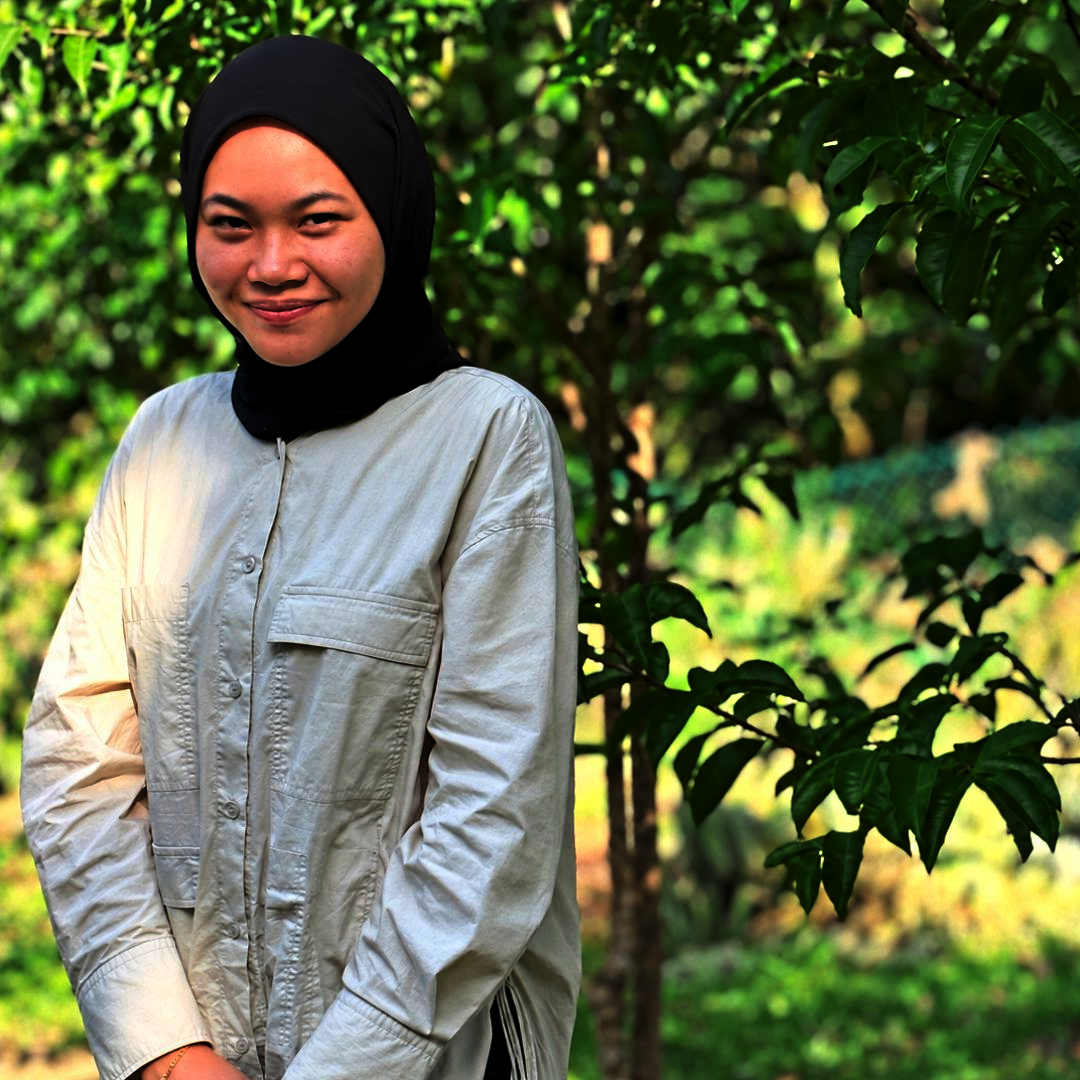
About four years ago, Nur Diyana Zawiyah Ramli, 35, and her husband began staying on a homestead in Sungai Buloh in Selangor. At the homestead, the duo started a journey of self-sufficiency – rearing and selling chicken and learning how to grow their own food.
Those three years taught them the foundations of farming and tending to the land. This year, they turned that experience into something entirely different when they started managing a seven-acre coconut plantation in Melaka.
“Actually the owner of the plantation is old and he’s my relative. He wanted someone to manage his plantation and since my husband and I have a background in farming, he trusted us to do it,” says Diyana.
The thing is, Diyana didn’t really know what to do with coconuts. So she enrolled in a course with Jabatan Pertanian Melaka to learn how to manage and fertilise the crop and also figure out what products could be made with the coconut itself.
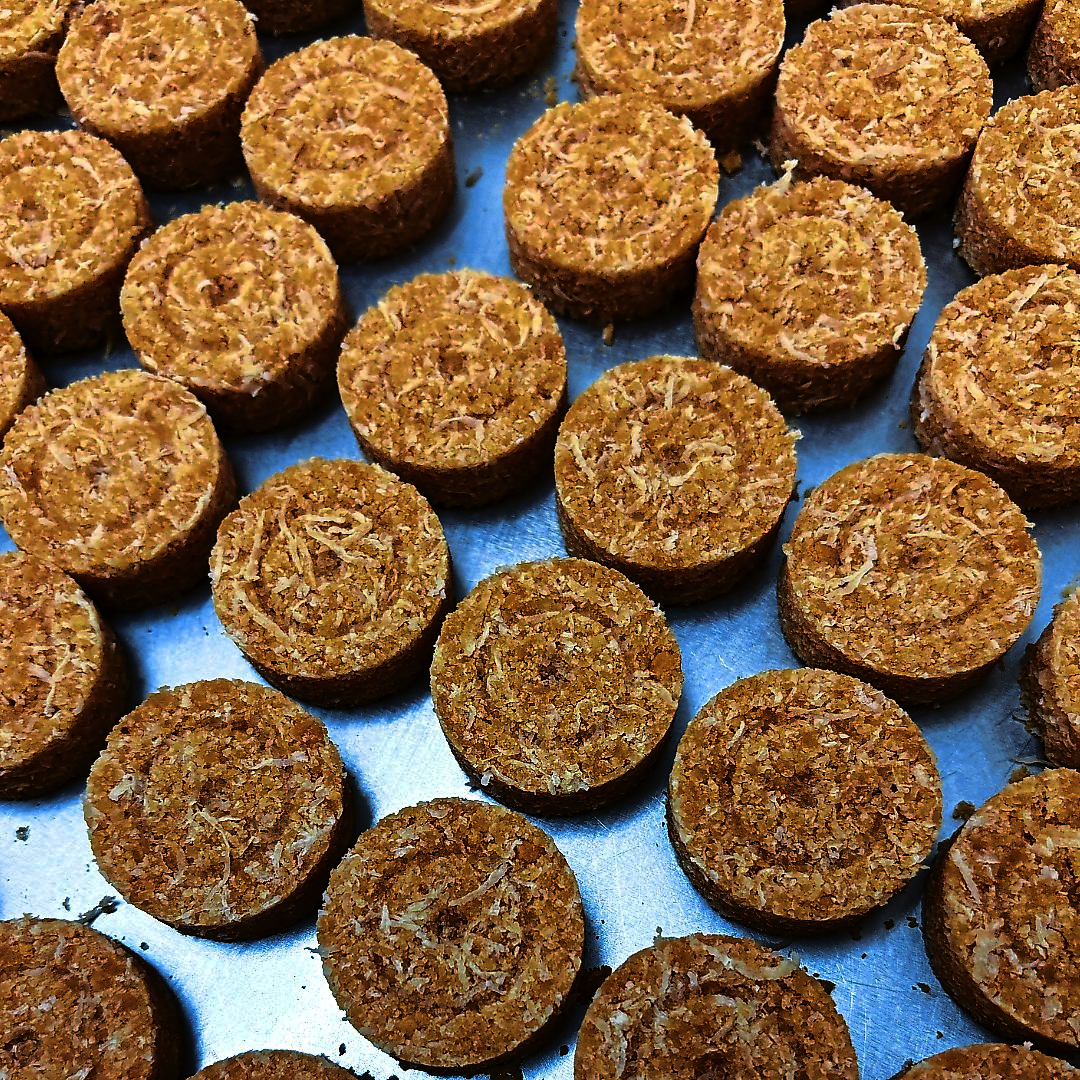
The course lodged the kernel of an idea to develop her own range of biskut kelapa, an old-fashioned disc-shaped biscuit made out of grated coconut, sugar and biskut tongkat (a Malaysian style of rusk).
Although biskut kelapa is rooted in tradition, Diyana wanted to create a more premium, shelf-stable farm-to-table version of biskut kelapa, hand-crafted using the coconuts she and her husband painstakingly harvest on their farms.
But the road to crafting the biscuits wasn’t all smooth-sailing. Diyana says freshly grated coconut is hugely different from commercially desiccated coconut – something she learnt the hard way.
“They (commercial and freshly grated coconuts) behave differently. The one we use is often younger and it has more moisture, so we had a lot of issues with the texture of our biscuit at first. Then after a while, we got a grasp on how to treat the ingredient,” she explains.
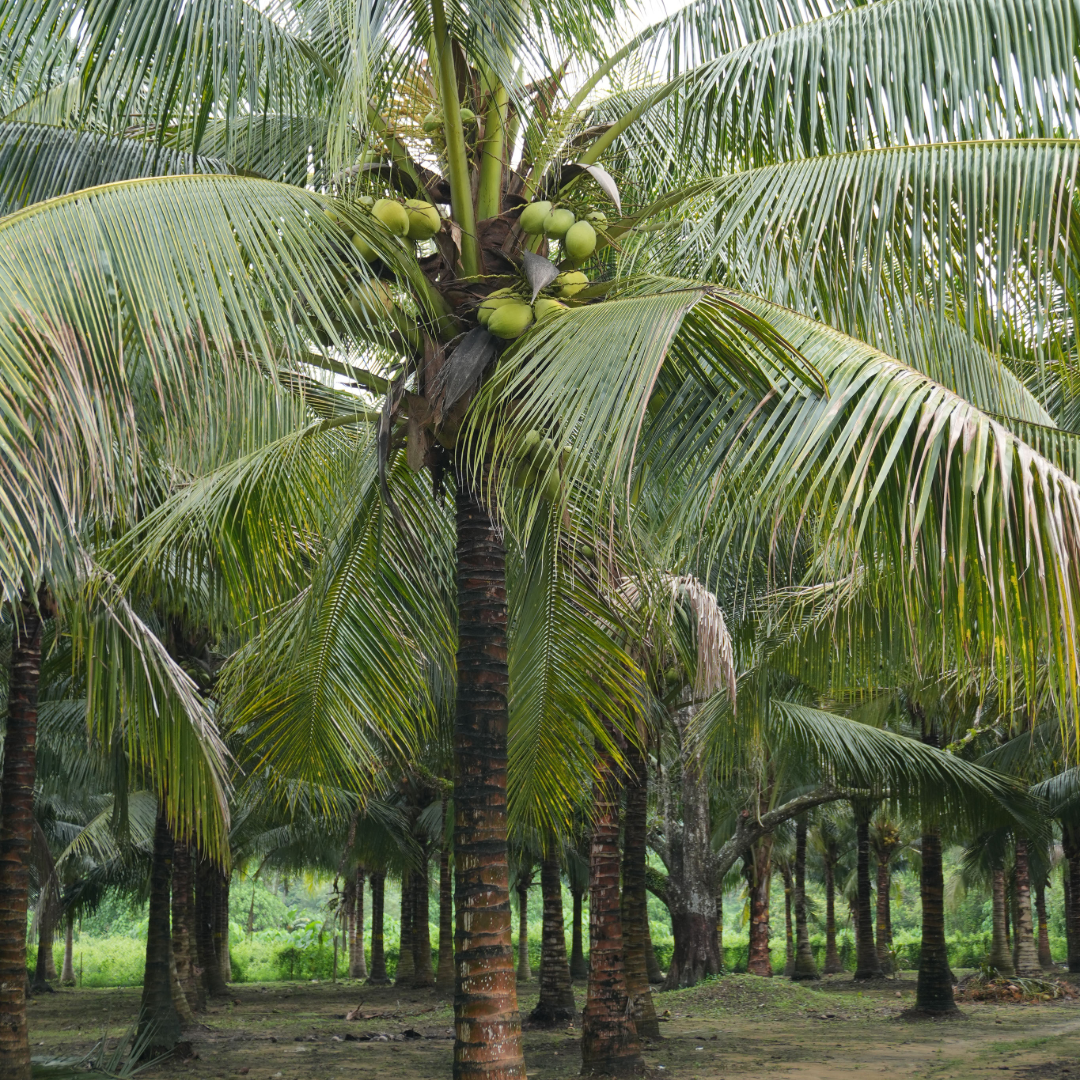
The process of making biskut kelapa involves Diyana’s husband collecting coconuts, de-husking them, grating them manually and then vacuum-packing the coconut. After this, Diyana takes over making the biscuits herself, grinding the biskut tongkat (which is what she uses for her recipe) and mixing it with sugar and farm-fresh coconut before baking. In a day, she can produce 480 biscuits. The couple are currently working on the product themselves with no other external help.
This small, artisanal style of making the snack is what has given her company Grove Farm’s Straits Coconut Biscuits a compelling edge. The biscuits themselves are delicious, a crisp outer core yields to an interior interspersed with rich bursts of freshly grated coconut.
Diyana launched her biscuits this August and has already sold over 600 biscuit tins online since then. She sells the tins at RM49.90 for 30 individually wrapped biscuits or RM19.90 for a smaller pack of 13 biscuits and is intent on making a better version of the biskut kelapa many Malaysians grew up with.
She says that she has gotten a lot of positive feedback for her traditional snack, as consumers are now more discerning about where their food comes from and she has in turn been very transparent about how she makes the product from scratch using coconuts from her plantation.
“We show our farm and our daily life on our website and social media posts, so people can connect with it and trust the brand and our story,” she says.
Moving forward, Diyana is hoping to move from her home-based kitchen to a commercial one and eventually apply for halal certification. The end goal? To make the biscuits a must-have for gifting and snacking among Malaysians and then eventually export the product overseas.
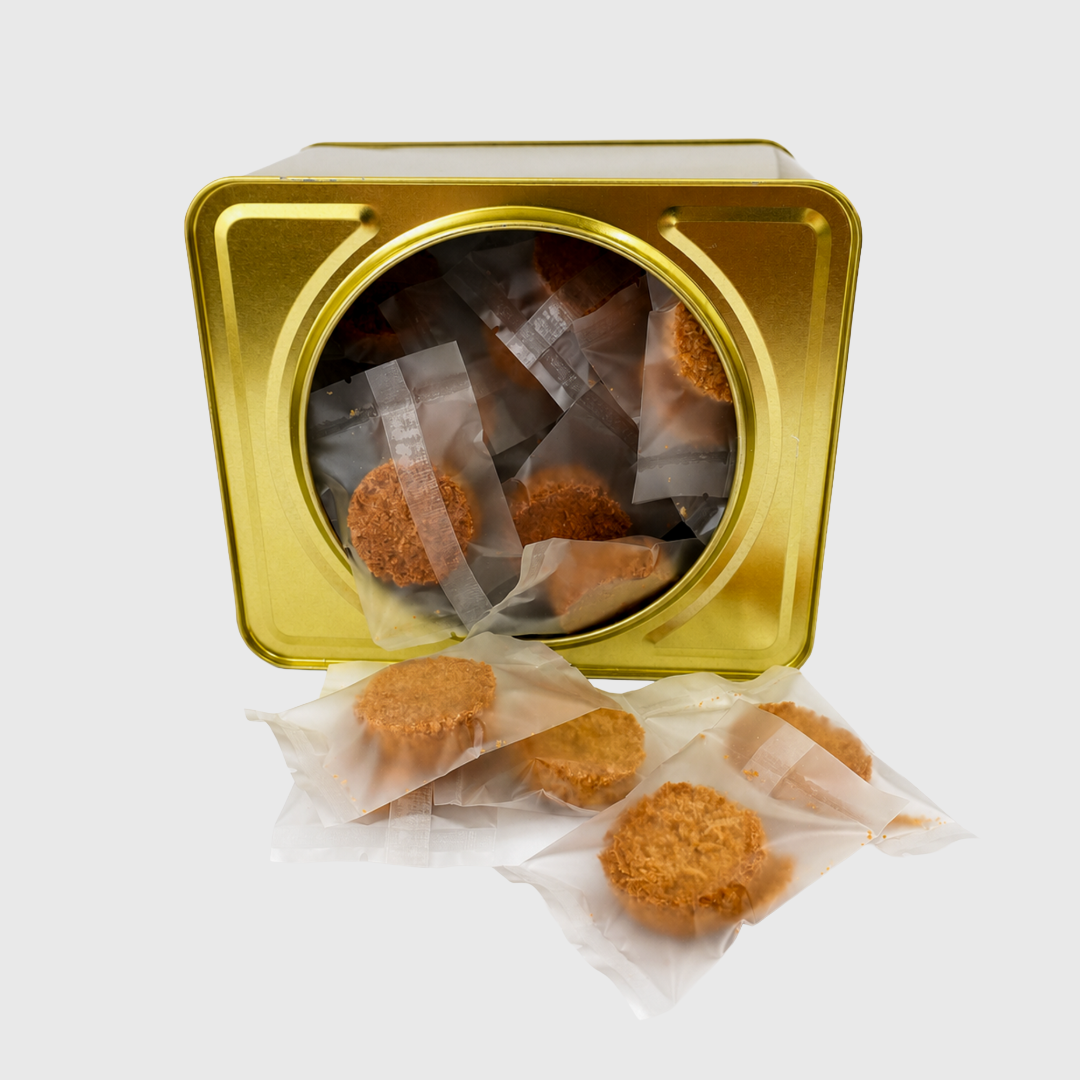
“Biskut kelapa is a traditional Malaysian snack and it is something that people of all races in Malaysia are familiar with, so yes, we want to export the product, but we also want this to be something people look for when they visit their friends and want to bring a buah tangan (gift),” says Diyana.