
The Malaysian Chinese community here has roots that can be traced all the way back to the 15th century, when traders arrived in the bustling port hub of Melaka. Some chose to stay and married local women, sparking the birth of the Peranakan communities in Malaysia.
In the 19th and 20th centuries, British colonial policies encouraged an influx of southern Chinese labourers in search of better prospects. Chinese women arrived later, resulting in marriages, and eventually descendants that built bustling communities alive with cultural practices, clans and customs.
Yet tradition cannot remain static, especially in a new land. Which is why the foods of the many Chinese communities in Malaysia – namely the Cantonese, Hokkien, Fuzhou, Teochew, Hakka and Hainanese – began to take on new iterations – to reflect the ingredients and food opportunities of their new homeland.
It is this cultural convergence and the journey that shaped this culinary narrative that is the focus of renowned chef Johnson Wong’s new Penang restaurant Root House by Gen.
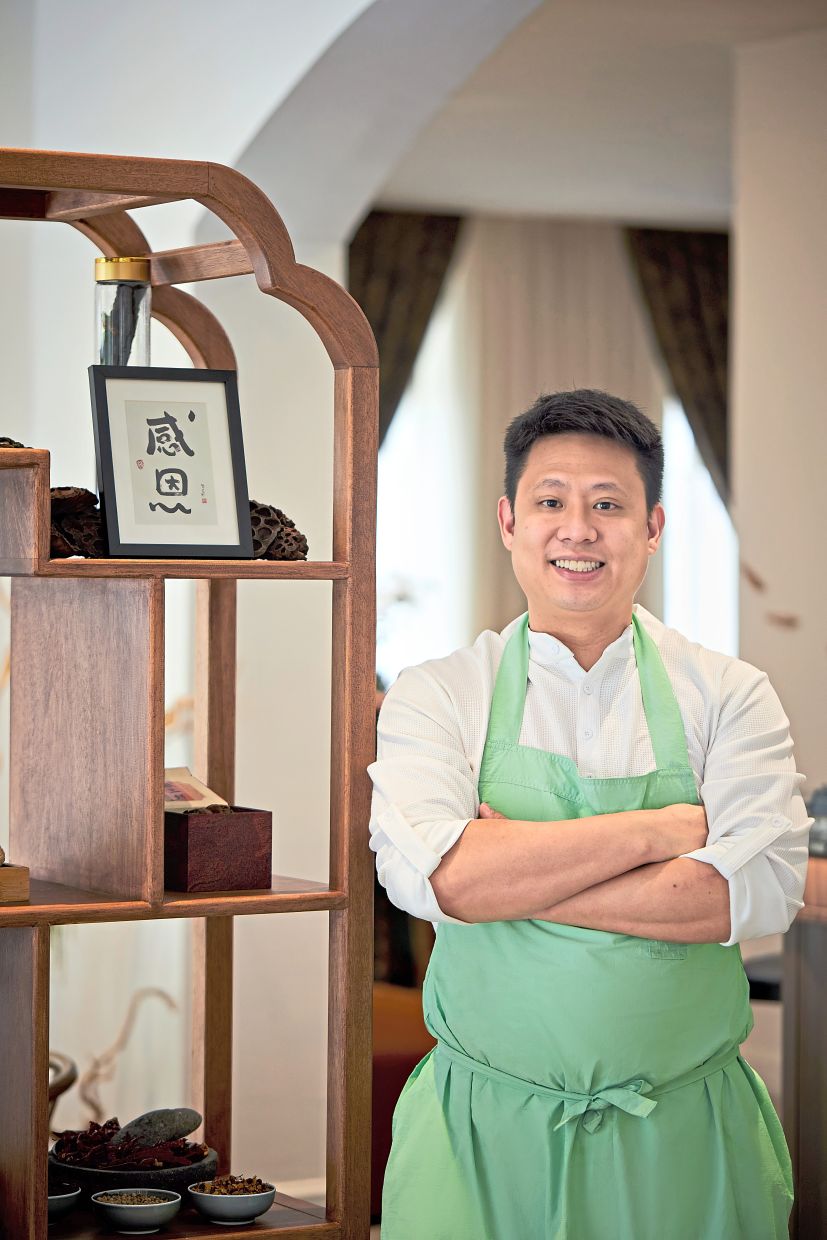
Wong is the creative force behind famed Penang restaurant Gen, a Michelin Selected eatery that is also ranked #89 on the Asia’s 50 Best Restaurants 2026 extended list. At Gen, Wong embraces local ingredients and Malaysian stories interspersed with Western culinary techniques.
At Root House, the focus is on the Malaysian Chinese narrative. It’s a story Wong has been keen to tell after making numerous trips to China over the years.
“After the Covid-19 pandemic, I went to China quite a bit and I was very impressed with the level of Chinese dining – how sophisticated it is and how Chinese ingredients are treated.
“In Malaysia – besides street food – immigrant Chinese food is very centred on Cantonese cuisine – not really Hokkien or other communities. So I wanted to introduce different perspectives.
“That’s why we did a lot of research on how food transformed from China within the different dialect groups after they came to Malaysia,” says Wong.
Wong says there was also a lot of trial-and-error and R&D in terms of developing the recipes, especially ones that he was unfamiliar with.
“It really depends on the dish. I am Hakka, so Hokkien dishes are not so familiar to me because they were not something I grew up with. Usually when I am not familiar with things, I need more time to experiment,” says Wong.
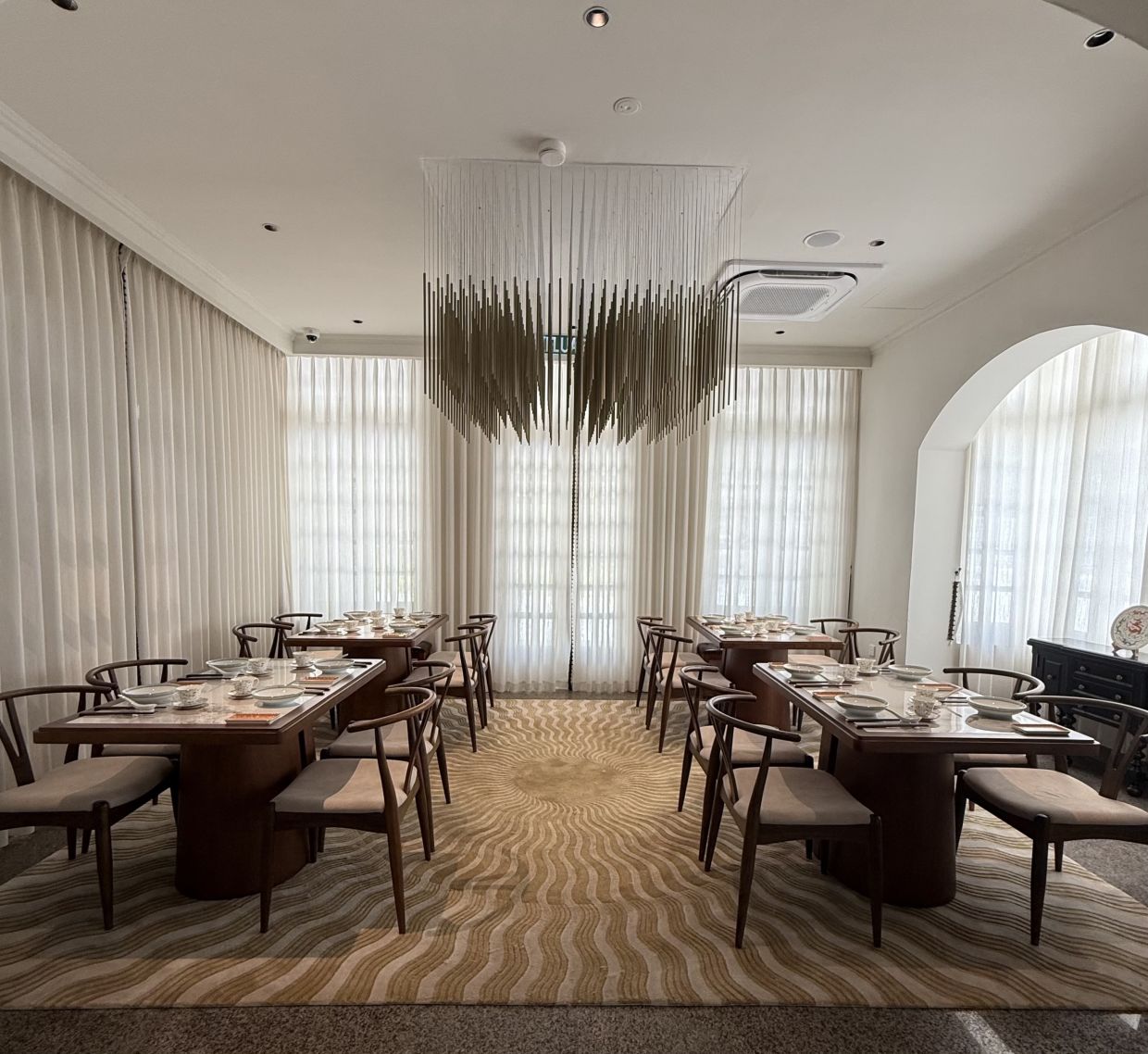
Ensconced within the new 1926 Heritage Hotel in Penang (a century-old former British administrative residence), the restaurant is small but very aesthetically pleasing, bookmarked by an entrance that hosts a decorative frame filled with an assortment of traditional Chinese ingredients.
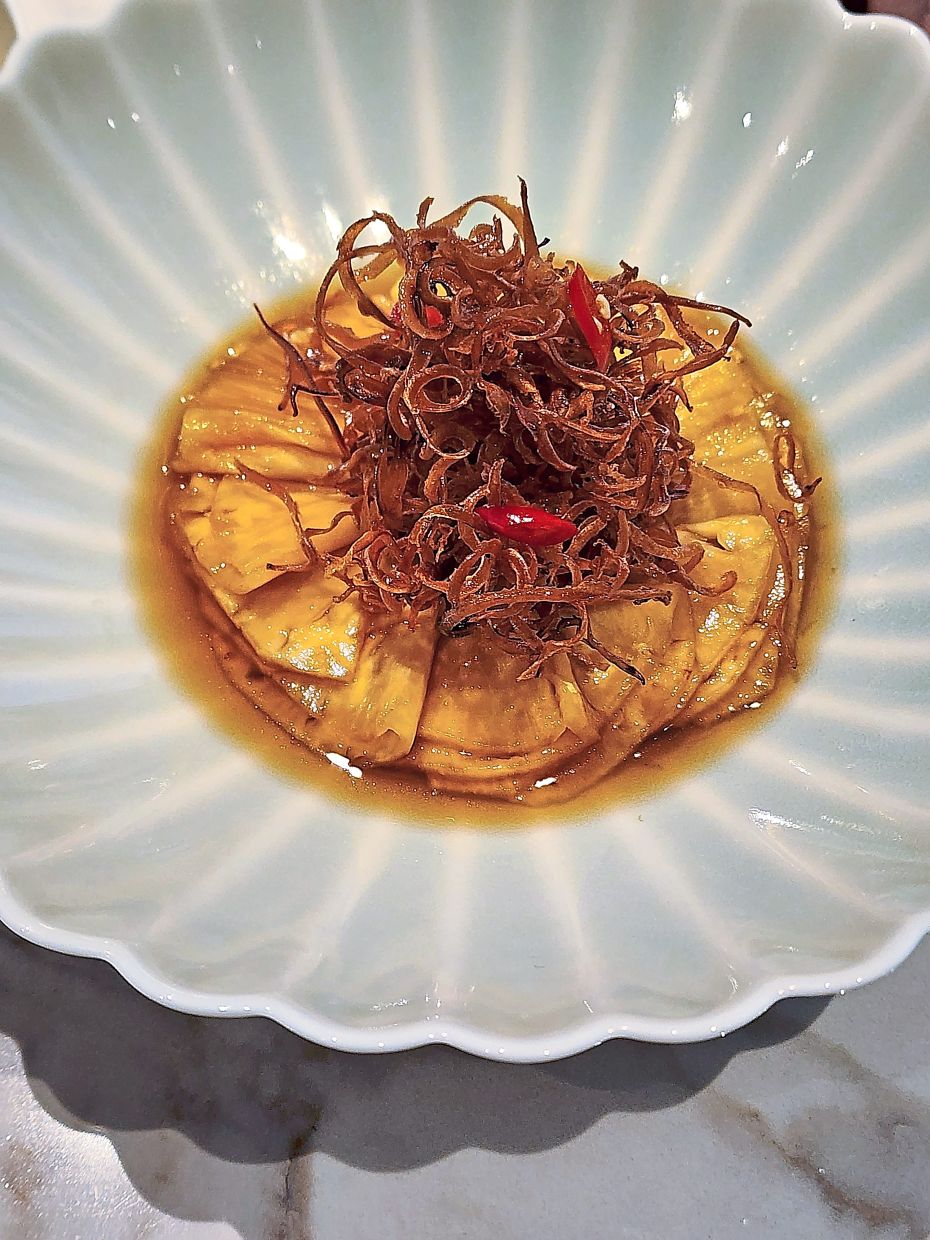
From what’s on offer on the menu, look at indulging in the Pineapple Pickles with Cuttlefish (RM30) which features pineapples against dried cuttlefish.
The dish is an ode to an old-fashioned Chinese accompaniment of pineapples and soy sauce.
In this iteration, the pineapples are pickled with soy sauce and chilli and topped with deep-fried cuttlefish.
The dish offers an interspersion of sweet and sa- voury flavours, lacing the fruity astringency of pineapples against the rich umami contrasts of soy and cuttlefish. This is a case of opposites attracting and creating an unstoppable force.
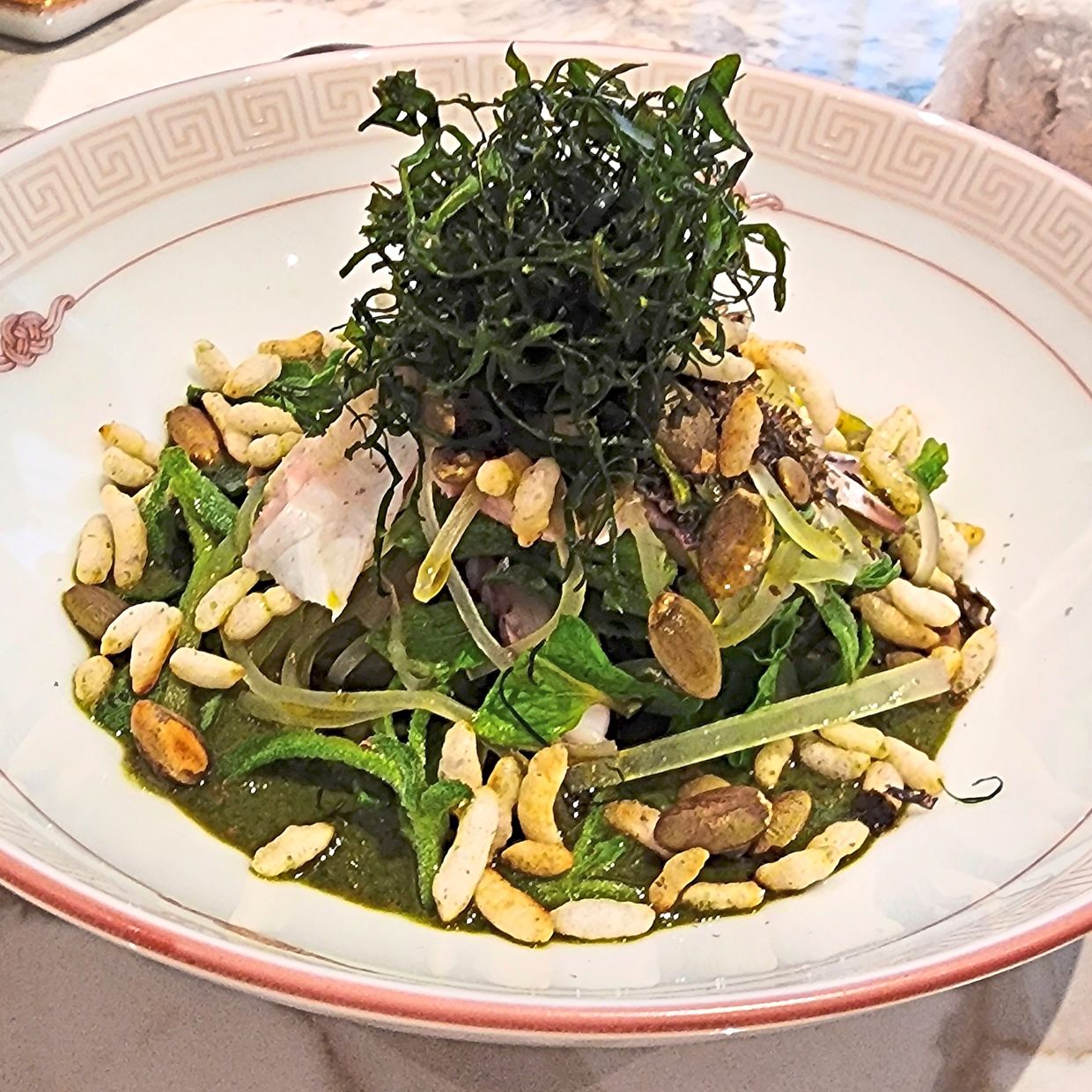
Then there is the Celtuce Thunder Tea (RM38) a modern take on the classic dish of Hakka lei cha.
While the dish is normally a warm, nurturing affair, in this instance, it is served as a cold salad, with blanched octopus, ice plants, rice puffs and deep-fried kalian mounted atop.
There is plenty of cold comfort in this dish, which bears the soul of lei cha, laden with a modern twist. How much you like this meal will depend on how much you like the original, because the green, earthy, vegetal notes of lei cha still prevail here, albeit with different textural connotations.
Ultimately, you’ll find that it’s very rustic and beautiful in the way natural beauties tend to be, but conversely if you’re looking for bedazzling adornment, this won’t be it.
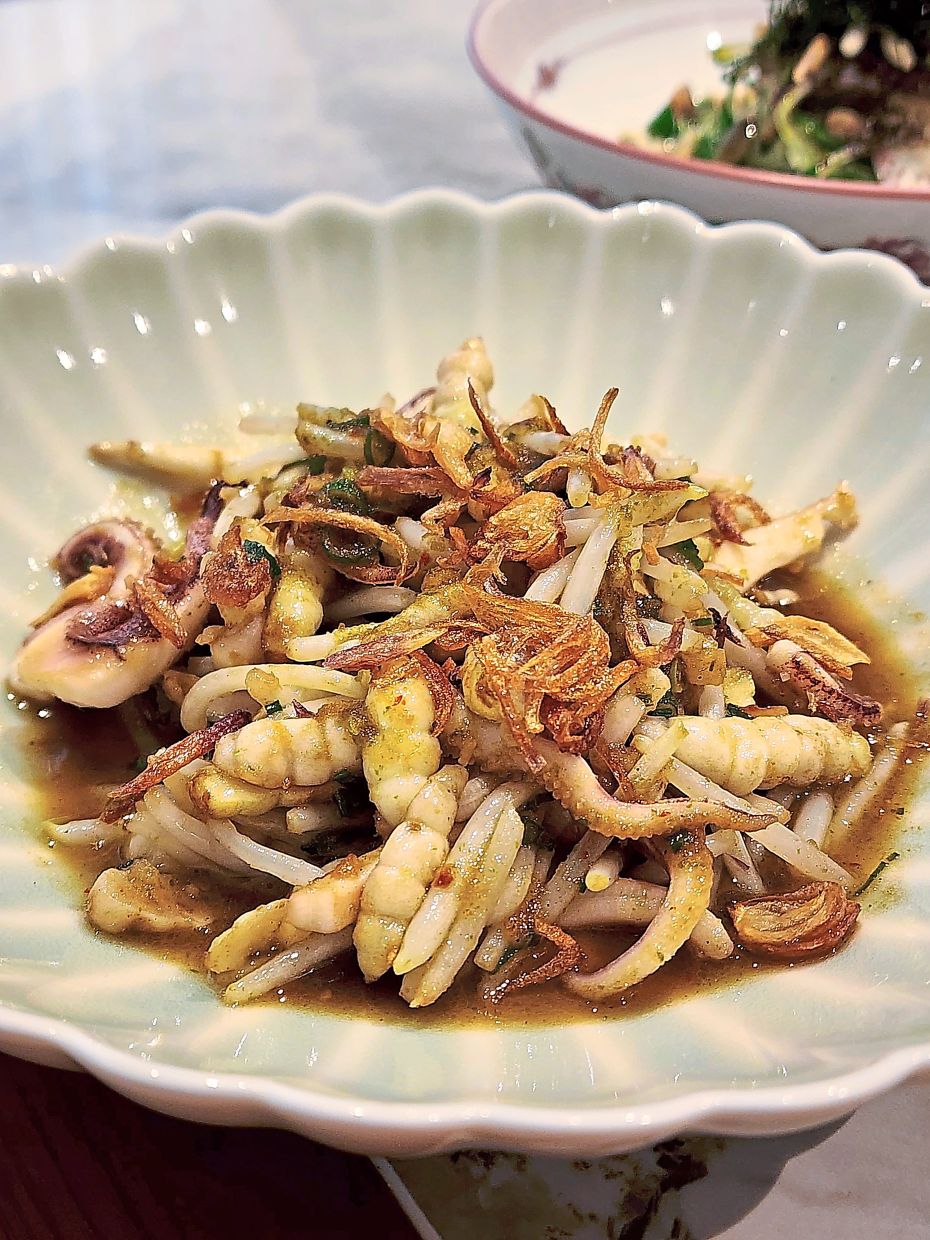
Follow this up with the Crones & Beansprout with Squid (RM38).
This is an incredibly easy dish to enjoy – the crones (also called Chinese asparagus) offer a hearty crunch that matches the juicy vibrance of the beansprout.
The squid meanwhile provides sea-faring notes that add a layer of depth to the dish, which is honestly one of the best things on Root’s menu right now.
From the soup options, try the Jungle Garlic Black Chicken Soup (RM42) which features oil extracted from kulim, a Malaysian jungle garlic that has truffle-esque undertones. This is buoyed by old cucumber and black chicken.
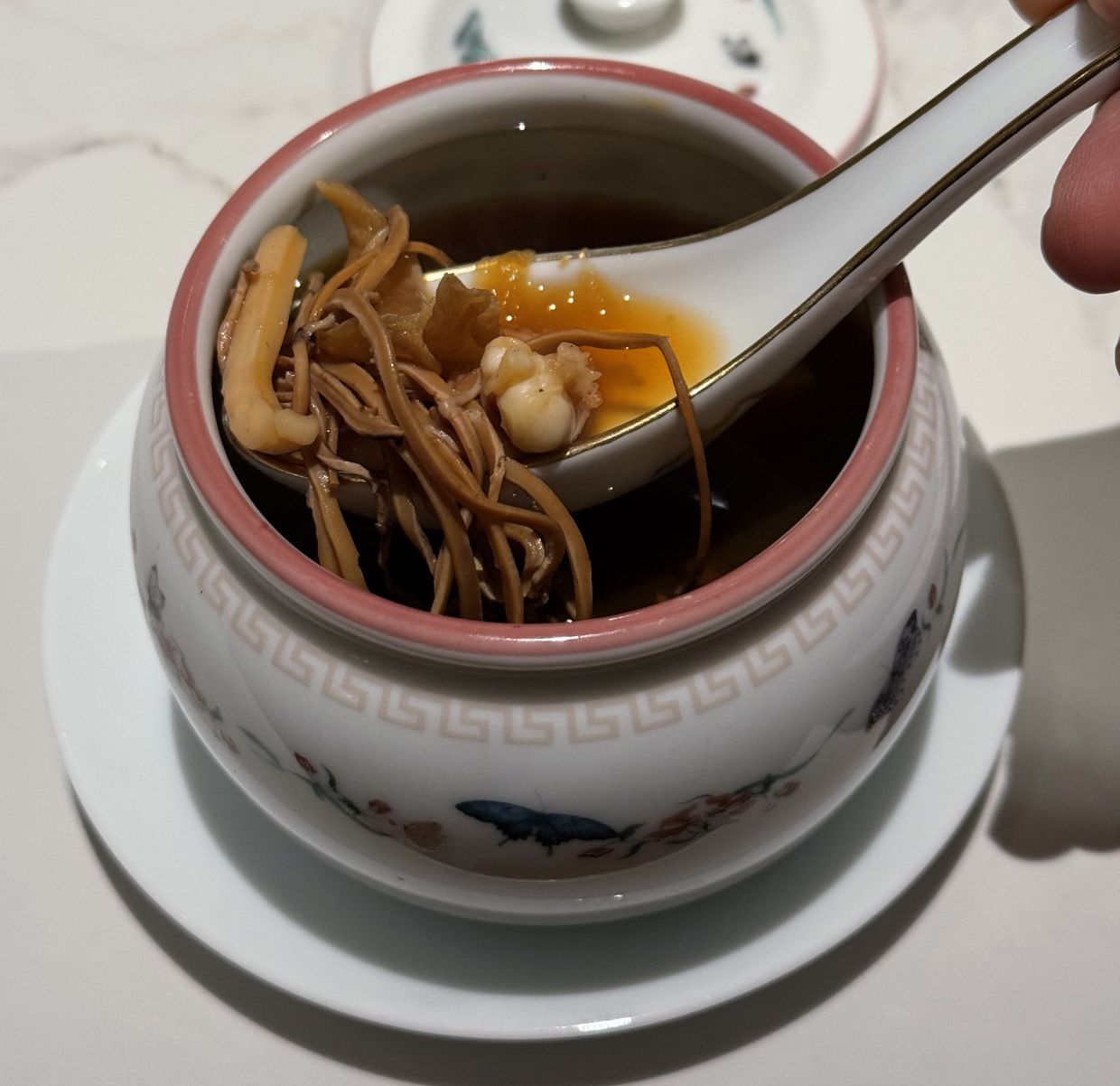
The soup is simultaneously simple and yet has a complexity and decadence courtesy of the kulim in the configuration, which takes it to whole new levels.
It may be a tad overpowering for some diners but if you like woody, hedonistic notes in your soup – you’ll really enjoy this.
From the seafood family, you could opt to try the Curry Oil Steamed Threadfin (RM128), a dish that is rooted in traditional Cantonese steaming methods as well as the multiculturalism so prominent in Malaysian cuisine.
“In the Canton region (in China), they use chicken fat to steam the fish, but here we incorporate a bit of curry flavour with the chicken fat. So I think it’s a very good example of what we want to do – introduce very old methods against a modern approach with local flavours,” says Wong.
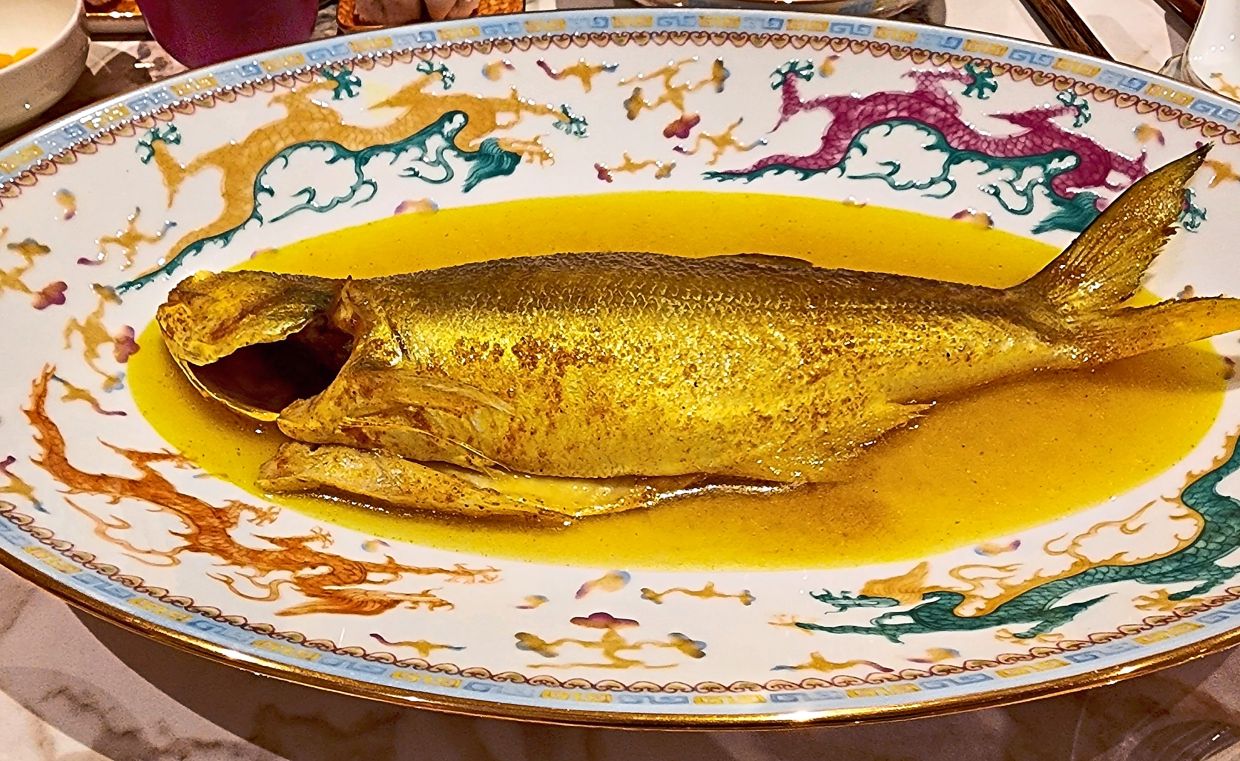
The fish has been steamed beautifully – retaining flesh that has a slight firmness but is otherwise supple and very tender. The curry sauce has a light countenance that has been clearly crafted so as to accentuate the fish without being so bold as to steal the limelight entirely from the lead star.
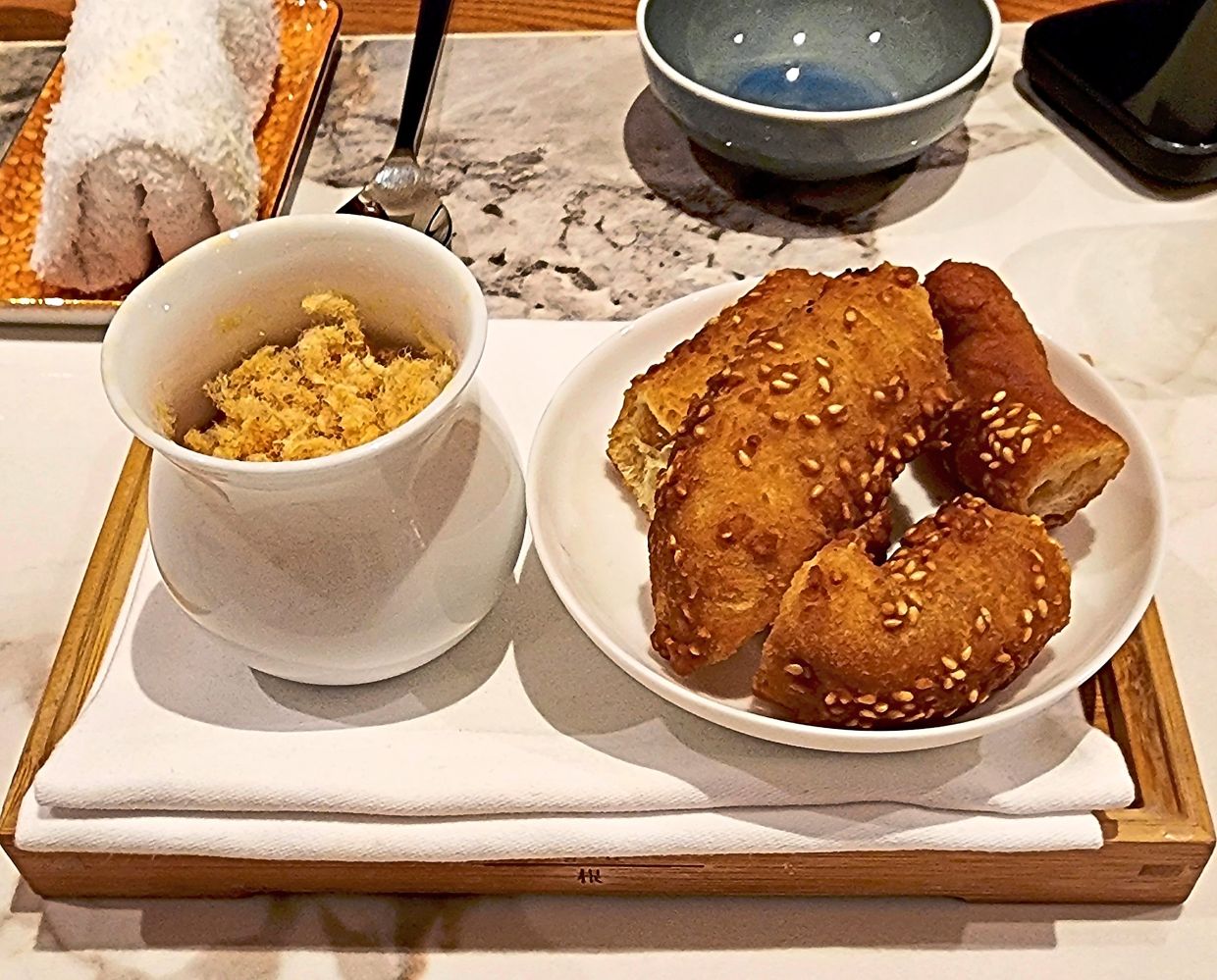
To end the meal, there is the Horse Hoof Doughnut with Warm Taro Custard (RM38). Horse hoof doughnuts (also called ma kiok) are traditional Chinese deep-fried pastries designed to resemble a horse’s hoof.
Here, the warm, crisp doughy affair segues perfectly with the custard, which offers sweet, earthy notes and a wholly comforting end to the meal.
Root House also offers a tasting menu, priced at RM228 per person which offers diners the option of indulging in eight different dishes, from small plates to soups, main courses and desserts.
Wong says launching Root House has really opened his eyes to the wonders of Chinese cuisine and the ways in which Malaysian Chinese cuisine intersects with this. The possibilities to reinterpret are endless and Wong is having fun researching and experimenting with various options and ingredients.
“The different Chinese communities here have such a long history with both China and Malaysia. So the research keeps going on and we will never run out of new recipes to develop. And for me, it also gives me different ideas and angles when I go back to my other restaurants like Gen.
“It has benefitted me tremendously and helped me understand different things. I needed a spark, so now when I go back to Gen, I feel that all sorts of new ideas just pop up,” says Wong.