Over 18 years ago, Syed Elyas began collecting and planting an assortment of local herbs. An engineer by profession, Syed Elyas grew up in a family with a strong accumulated knowledge of the medicinal value and consumption benefits of homegrown herbs. This passed-down wisdom formed the basis of his interest in local medicinal and edible plants.
As an adult, he started volunteering at a herb park in Perak which is when he realised that there were fewer young Malaysians who understood the health and dietary benefits of local herbs. Additionally, Syed Elyas also felt that there were very few one-stop spaces where Malaysians could learn more about these herbs, especially rarer varieties that grow wild in the jungle.
So, he began sourcing and growing a smorgasbord of local herbs – both medicinal and edible – travelling to villages and small towns to gather knowledge from older generations about the proper usage of these herbs.
He also visited Orang Asli settlements in places like Simpang Pulai in Perak and Ringlet in Pahang to learn their ancient plant value systems and wisdom. Syed Elyas boosted this heirloom information with decades’ worth of study and research on the scientific properties associated with these herbs.
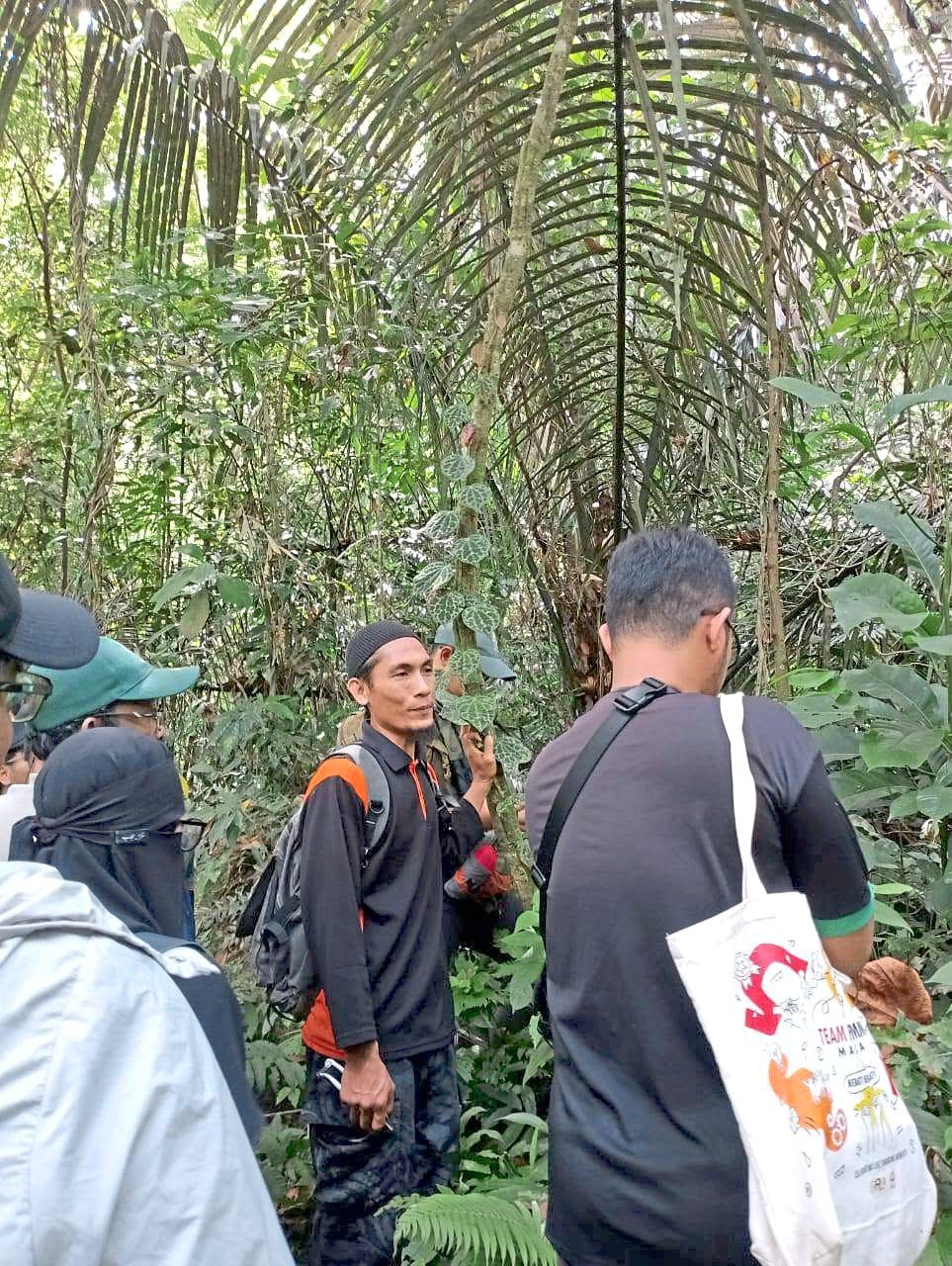
“When you’re talking about local herbs and ulam, people today want evidence-based information. So that’s why I wanted to combine local knowledge with scientific knowledge,” he explains.
In 2014, he opened Paya Asli Herbal Valley Qudrifarm in Kuala Nerang, Kedah. The farm reflects the nearly 20 years of hard work he has put into collecting over 1,000 local herbs and is open to visitors on an appointment basis.
The road to setting up the farm wasn’t an easy one, though. Despite collecting many samples and cuttings of local herbs, Syed Elyas says growing them was often an uphill battle.
“The land that the farm is on was previously a place where buffalo roamed. There was nothing there except for a few coconut trees and the grass was unkempt. As a result, the soil wasn’t very fertile. I tried to resuscitate it and turn it into a thriving green area alive with local herbs.
“Aside from the soil, there were a few other challenges in setting up the farm. The first was finding and collecting local herbs and the second was the difficulty in figuring out whether these herbs could be ‘kept alive’ in their new environment,” he says.
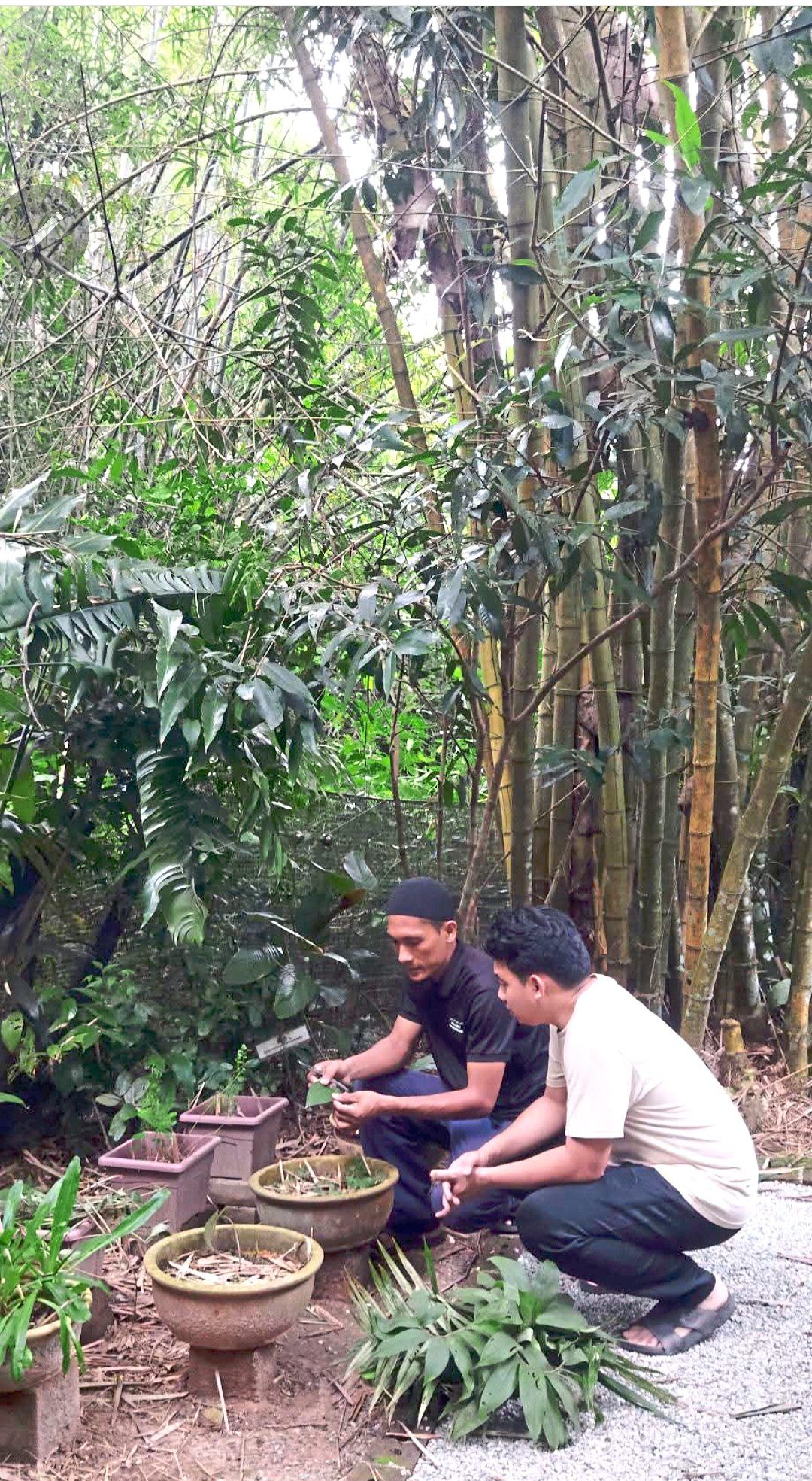
He gave the example of a herb he found that originally grows on a hilly area. “I had to recreate its habitat here. This took four or five tries and even till today, there are still some herbs that I have to re-plant every year.”
One of the main points of differentiation about Syed Elyas’ farm is that he doesn’t just grow well-known local medicinal herbs like kacip Fatima (a flowering plant whose scientific name is Labisia pumila) and misai kucing (also known as Java tea). Instead, he grows a wide range of both kampung varietals as well as wild, jungle-sourced herbs.
To date, he has grown over 1,400 varieties of medicinal and edible herbs, around 80% of which are entirely Malaysian herbs. This includes around 150 local ulam, 114 of which can be eaten raw and 38 variants which require some sort of cooking – boiling, steaming, blanching, salting, etc.
“We have lots of local edible herbs and plants, like sayur manis, ulam pokok hutan (petai, jering and pucuk midin), pokok asam kandis (a sour species of mangosteen), pokok medang sarsi (a wild jungle herb that smells like sarsaparilla), ulam beberas (a wild shrub whose white flowers and shoots are eaten fresh or blanched), nipis kulit (wild jungle herb), akar lemak ketam (its shoots are eaten as ulam), pokok asam udang (a wild ulam), ulam tepus hutan (wild jungle herb) and pokok cememar.
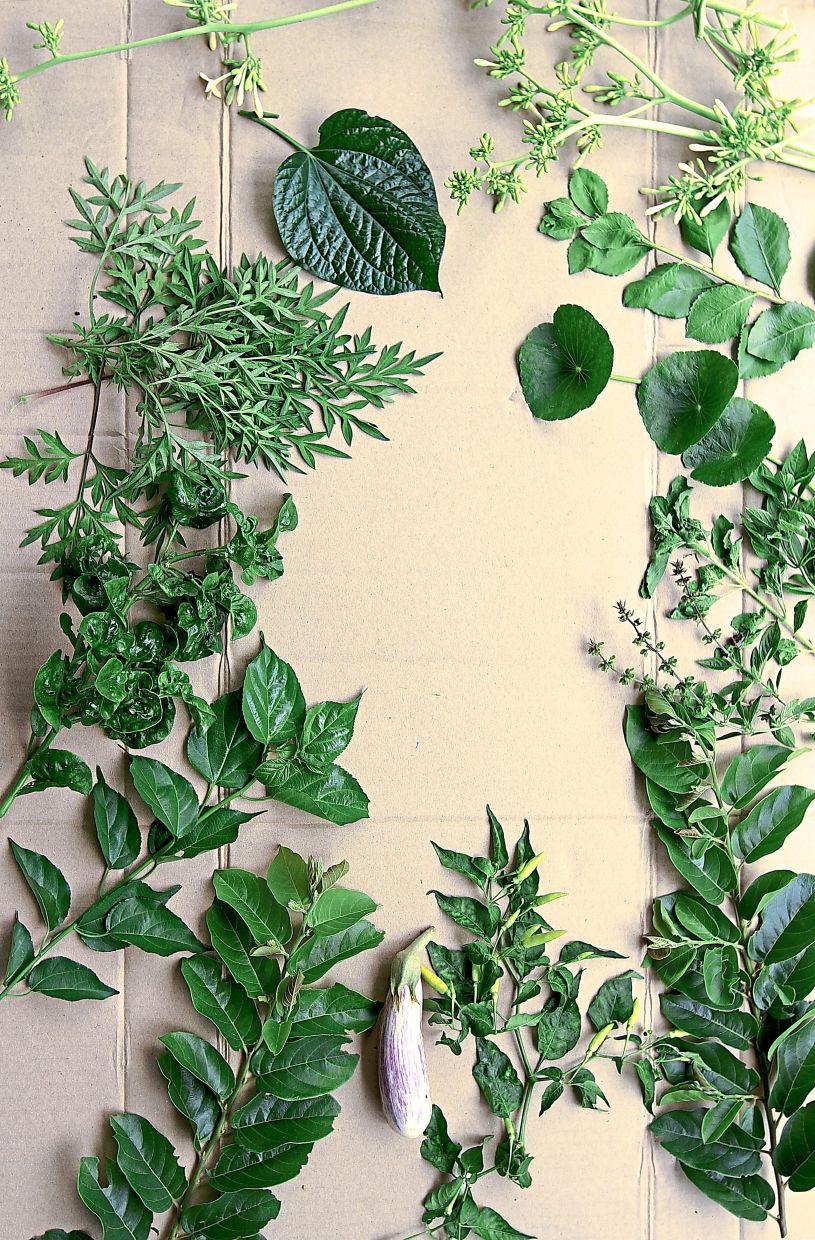
“Some of them like ulam tepus hutan are very rare and many people don’t know about them because they grow wild in forest areas,” says Syed Elyas.
Syed Elyas says operating farm tours on an appointment basis gives him the opportunity to interact with visitors and take them on guided walks so that they truly understand each herb’s properties. Doing this also prevents misunderstandings about dosages to take as well as precautions that must be administered with each herb.
“A lot of local herbs like asam kandis are good for health conditions like high blood pressure, but people have to understand that these are not medicines. These are foods that can and should be consumed in certain quantities. Some people will eat 10 herbs at one go when the safe amount is just three!”
He adds that he prefers to guide visitors so that he can give them more information and important details about each herb.
“A lot of people who come to visit the farm are motivated by viral stuff like the ‘pokok Ajinomoto’, which has become popular in wellness circles because it has a natural umami flavour. But many don’t know that it must be boiled first otherwise it can cause liver damage.
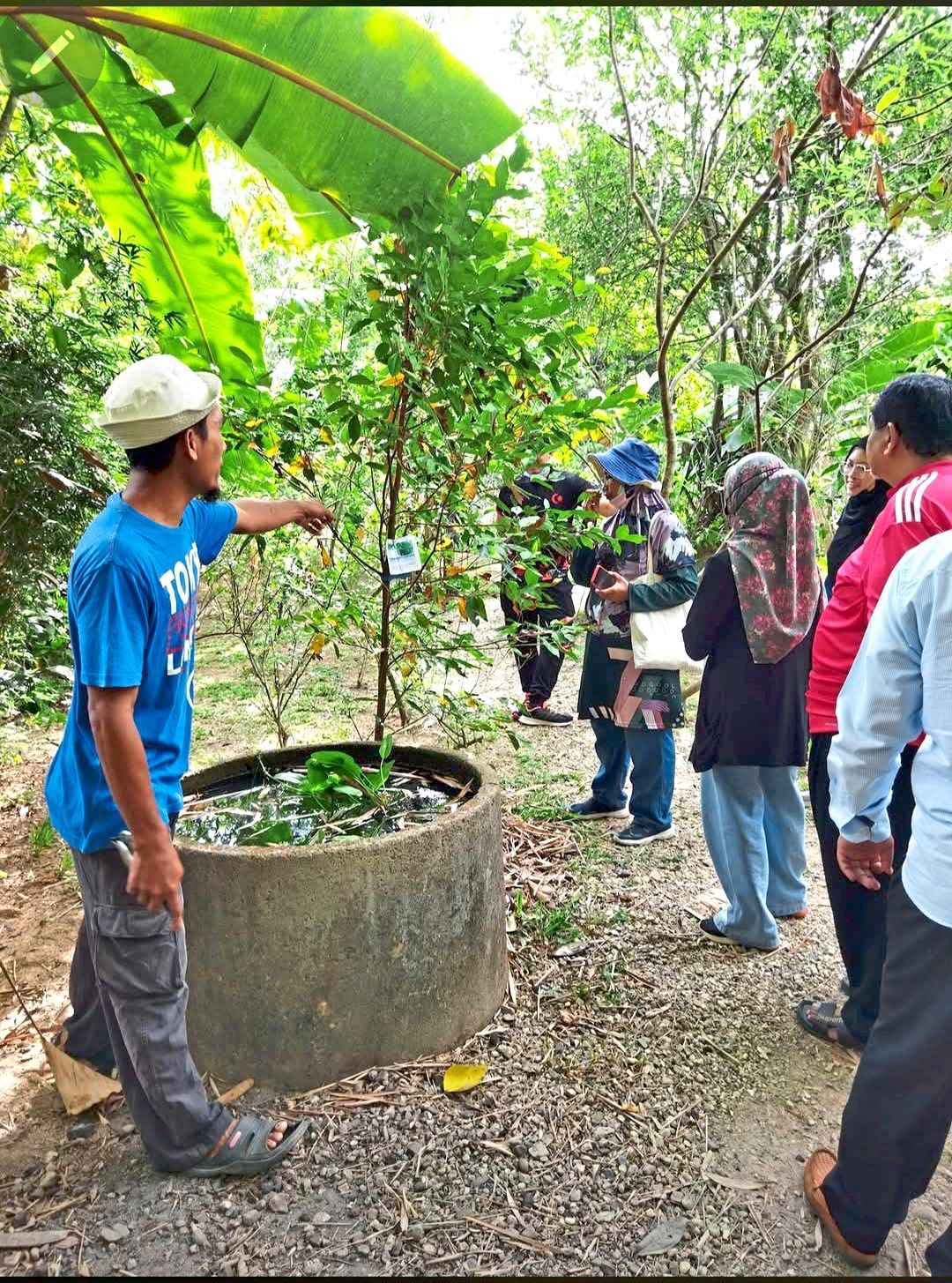
“The reality is that while Malaysian herbs can be good for you, many are actually unsafe if not administered or consumed correctly,” Syed Elyas warns.
He says this is exactly the sort of knowledge that has been lost over the years as urbanisation and deforestation has led to people growing less ulam, and simultaneously having less access to it, resulting in knowledge about local herbs being gradually phased out.
What Syed Elyas is doing is very important in the sense that his farm acts as a vanguard for preservation of local herbs and more importantly, the wealth of information passed down from previous generations. His hope is to create an arboretum of sorts to sustain interest and knowledge in Malaysian herbs.
“I focus on local medicinal plants and herbs because my goal is to evoke interest in local edible ulam and plants among current and future generations. I feel like awareness on the intrinsic value of these herbs might be increasing but the knowledge about them is gradually diminishing.
“My mission is to preserve these herbs for the future,” says Syed Elyas.