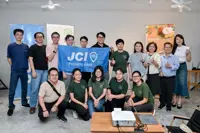
At a recent collaboration dinner held at Penang’s famed Michelin Selected restaurant Gen, Malaysian chef Johnson Wong of Gen and Hong Kong chef Siu Hin-Chi of Hong Kong restaurant Jee worked seamlessly together for two nights straight.
From diners’ vantage point during dinner, the two seemed like brothers-in-arms – there was gentle laughter and shared camaraderie and, above it all, a bond cemented by passion and a desire to learn from each other and discover new ideas.
Although they operate on a different ethos – Siu’s focus is on Cantonese cuisine while Wong has his lens pointed at Malaysian ingredients and the varied cooking styles in the country – there was a clear spirit of convergence in what they were trying to do.
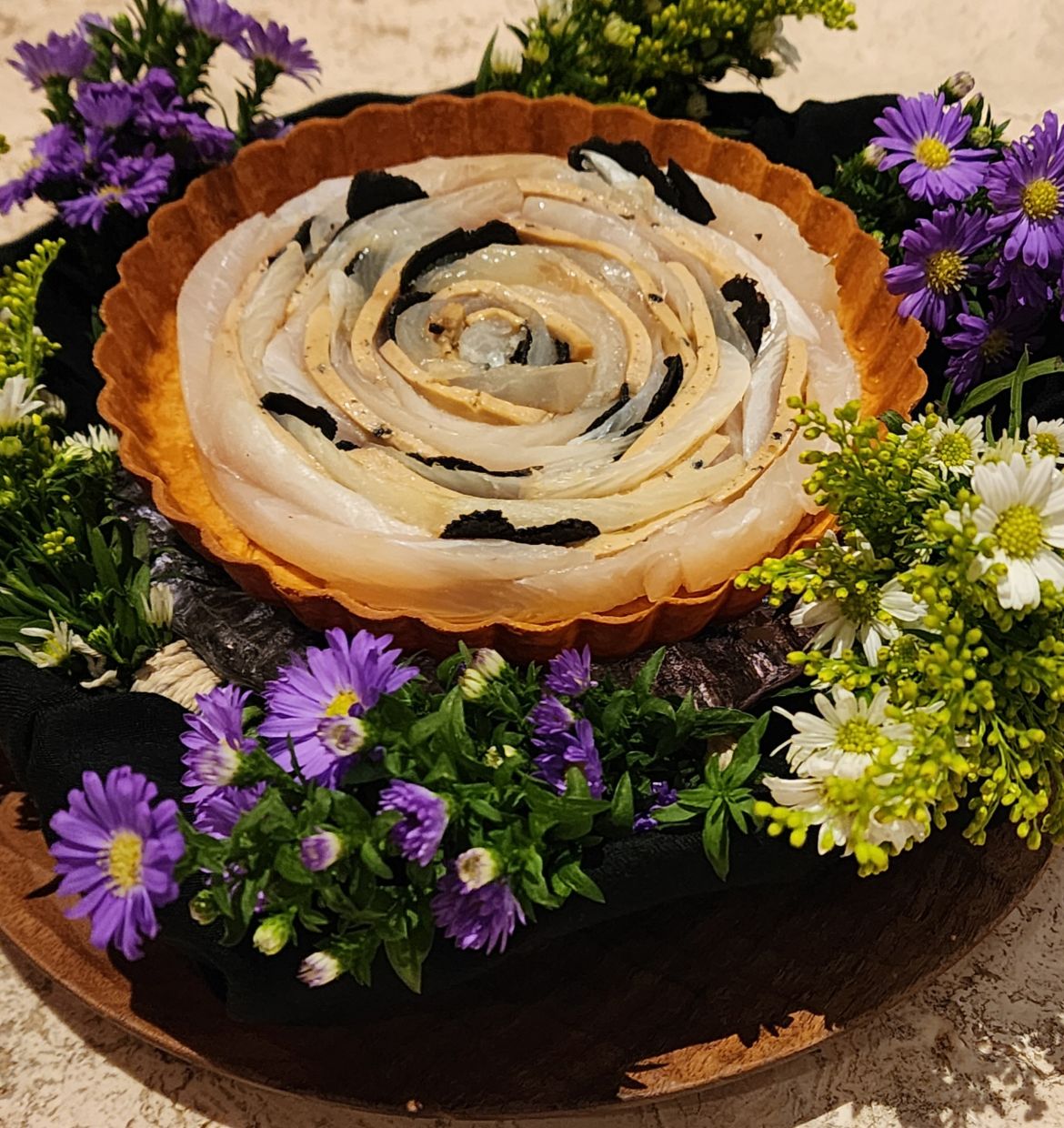
The result was a smorgasbord of culinary treasures in the form of deep-fried quail leg with fermented red beancurd; a moreish dish of beltfish smoked with Longjing tea juxtaposed against foie gras and truffle; and an absolutely delightful sticky red date pudding enhanced with cognac and aged tangerine peel.
It was a meal to remember, simply because even if the two collude together again – diners won’t get these same range of dishes ever again.
This exclusivity is what has spurred the growth and development of collaboration dinners in upscale restaurants in Kuala Lumpur and Penang.
“Yes, I feel that there are a lot more collaboration dinners in the local dining scene now because the day-to-day business is hard so we need all these collabs as a reminder that we’re still around. Taking on these sort of projects means there is press coverage, so it brings in more business and exposure,” says Chong Yu Cheng, the chef behind Michelin-starred Terra Dining in Kuala Lumpur.
Not about the money
So what is a collaboration dinner? A collaboration dinner is when two or more chefs get together to host one-night-only or sometimes two-night-only special dinners. Sometimes these can be entirely local affairs, for example, two chefs from the same country or city getting together to cook for a collaboration dinner.
But these days, international collaborations that involve one or more chefs flying in from different countries to a host country/restaurant to do a special dinner together have gained an incredible amount of traction.
These dinners are the equivalent of having two or more superstars perform for a one-night-only concert. The combination of having international top chefs in attendance as well as the fact that these mash-ups run for an extremely limited window of time is also what drives demand and interest from diners.
A few months ago, chefs Aidan Low of Michelin-starred Akar Dining and Shaun Ng of Michelin Selected Hide KL did a collaboration dinner at Akar with renowned chef Jerry Tian from Avant in Shenzhen, China.
Tian’s restaurant has been recognised in the prestigious Black Pearl Restaurant Guide (China’s equivalent of the Michelin Guide) and he is hugely popular in China.
As a result, the collaboration dinner was sold out within an hour of being announced!
“Yes, it was sold out pretty quickly because when you bring in certain personalities like this, it’s something off-the-books, so a lot of diners want to experience this and get to know the personalities that we’ve brought in,” says Low.
Despite being such star-studded limited-time events, collaboration dinners are not money-making endeavours. In fact, most chefs admit that they often either lose money or just about make enough to break even during these events.
“You’ll be lucky if you don’t lose money. Because there are more expenses that need to be applied for these dinners, including flying in the chefs and their teams, so actually we can make more money during normal operations,” says Kim Hock Su, the acclaimed chef behind Penang’s Michelin-starred Au Jardin, now the highest-ranked Malaysian restaurant on Asia’s 50 Best Restaurants 2026 list.

Kim’s views are echoed by Chong – better known as YC, who simply says, “You basically slave away and don’t get paid for it – it’s like an internship.”
So given that financial incentive is taken out of the equation entirely, why do more and more chefs want to do collaboration dinners?
Culinary crossovers
Collaboration dinners are often organised between chefs who have befriended each other or met through networking events.
Sometimes interest in a particular chef might inspire a third-party organiser or public relations specialist to reach out to them to gauge interest in working with their clients.
When both parties agree to do the dinner, dates, logistics and menus are drawn up and the entire marketing machinery is put into motion to promote these dinners.
Because a collaboration dinner is either a drain on a restaurant’s finances when conducted locally or requires the participating chef to leave his/her own restaurant for a period of time in order to fly overseas, most chefs are extremely selective about which restaurants and chefs they want to work with.
“We have done a fair bit of collabs and in fact we have cut down on the number of collaborations we are doing. Now we are very, very selective on who we collaborate with also – that’s why this year, I have only done nine collaborations. Because I think at the end of the day, we still have to focus on our actual restaurant operations,” says Kim.
This year alone, Kim has collaborated with renowned Indian chef Prateek Sadhu of Naar (ranked #30 on the Asia’s 50 Best Restaurants 2026 list); chef Sam Aisbett of the Michelin-starred Akuna in Vietnam and celebrated chef Talib Hudda of Beijing’s Old Tower, all of whom flew in to Penang to collaborate with him at Au Jardin.
The fact of the matter is, whether chefs choose to do very little or very many collaboration dinners, there are tremendous intangible benefits to organising these events. First and foremost, these one-off meals offer diners something entirely new to sample – creating a buzz of excitement around restaurants that have already been around for a while.
“Running a restaurant in Penang is about the whole community and the island. Tourism is good in Penang, but we have to care about the locals here, so it’s always nice to bring something exciting for Penangites so they get to taste new things. So most of the time when I do collabs – it’s with locals in mind,” says Wong.
Collabs can also spark curiosity in a restaurant team who may be used to operating a particular way and cooking specific things and now get to experience something entirely new.
“I don't think it only benefits the diners. I think it also benefits the chefs and the staff.
“Because the thing is, I think it kind of accelerates what they get to see in the kitchen. Because every chef has a different perspective on things. So sometimes inviting these chefs in, it kind of excites the staff also; rather than seeing my face all the time,” says Kim, laughing.
Kim also says organising these dinners gives him the opportunity to pick the brains of some of the best chefs in the world and learn new aspects of the culinary world, which in turn can sometimes inspire new menu ideas, ingredients or even cooking techniques.
“Sometimes we see new things that inspire us to create new dishes. So it’s about getting inspired by different chefs’ perspectives and how they look at things, because when you sit down and have a dialogue with a guest chef, you realise that every chef really thinks and works differently,” says Kim.
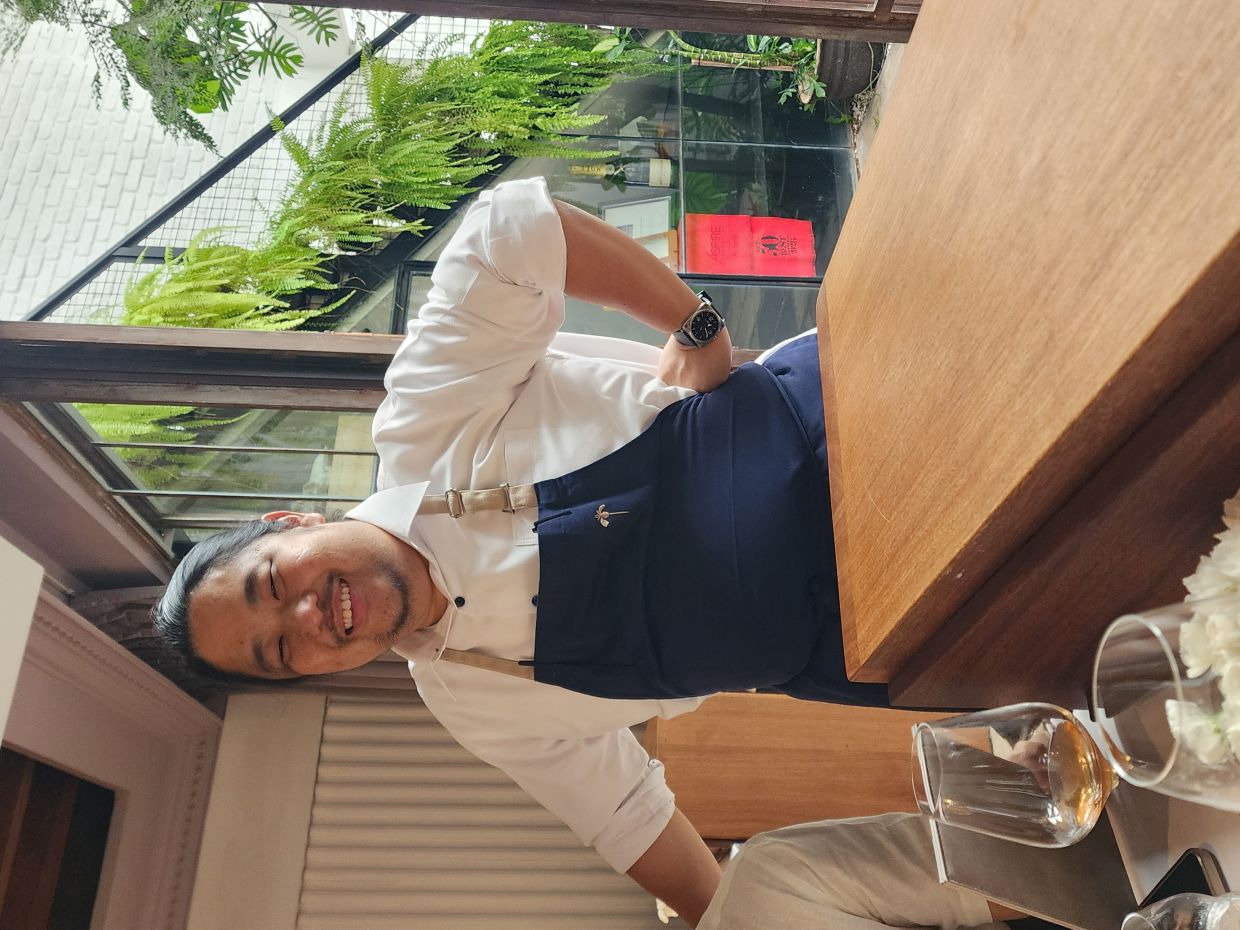
For Wong, meanwhile, the opportunity to gain knowledge from different chefs is what he finds very appealing about collaboration dinners.
Wong’s new restaurant, Root House by Gen, for instance, is devoted to the migratory journeys of the Malaysian Chinese. Naturally, working with international chefs from Hong Kong like Jee’s Siu offers him the chance to develop both a broader understanding and a different lens of Chinese cuisine.
“I think a modern or different approach to Chinese ingredients is something I am interested in and that I am trying to do for Root House as well. I think this goes back to the fact that most immigrants from China who came to Malaysia over 100 years ago were very poor, so they couldn’t afford premium ingredients.
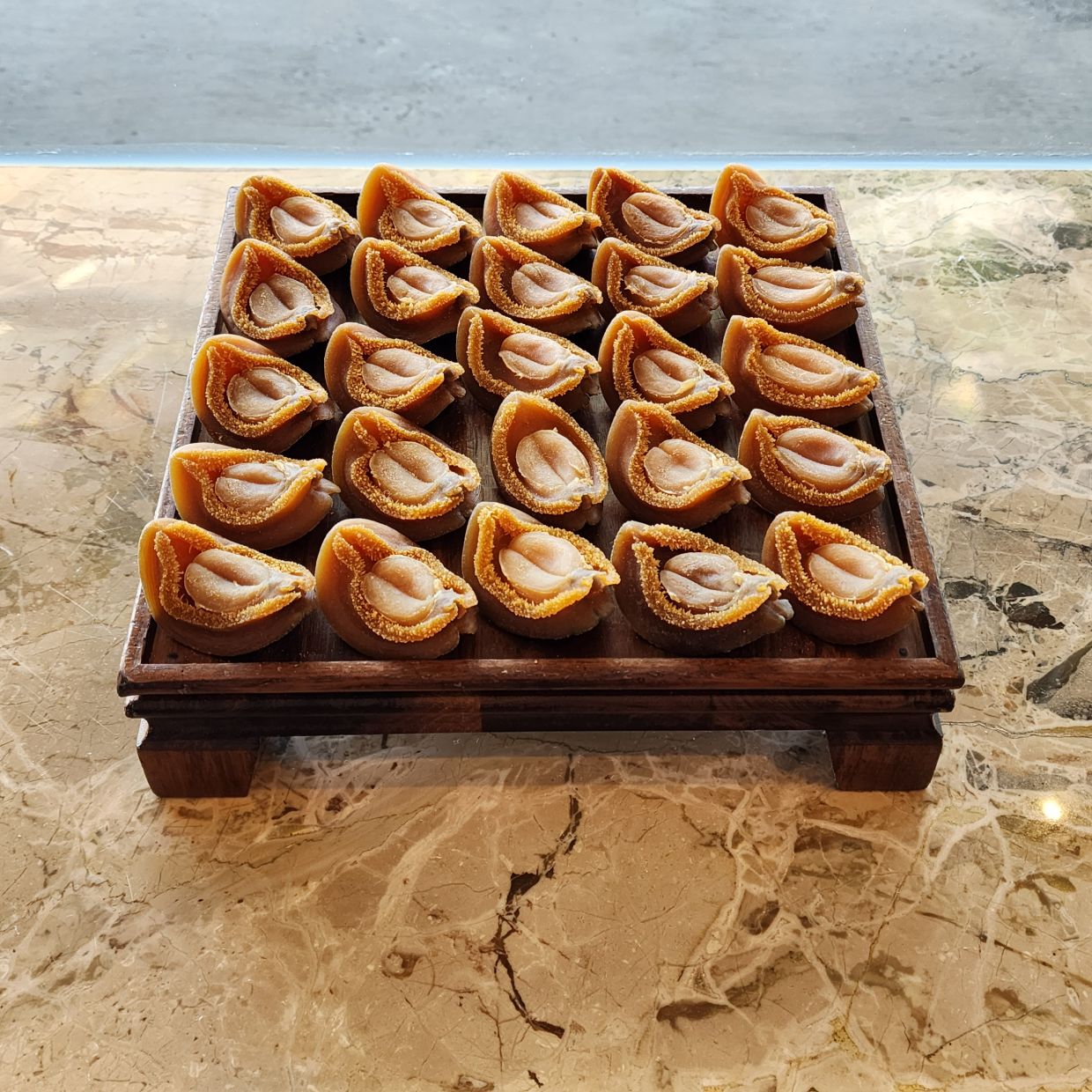
“Chinese restaurants that use fish maw or shark’s fin only started about 30 years ago in Malaysia. We don’t have a longer history of using these ingredients, like aged mandarin skin or abalone, whereas it is something that people in China have been using all the time in different regions. That’s why many of these chefs from Hong Kong and China – their level of understanding is much more than we have, so that is something I am keen to learn about,” says Wong.
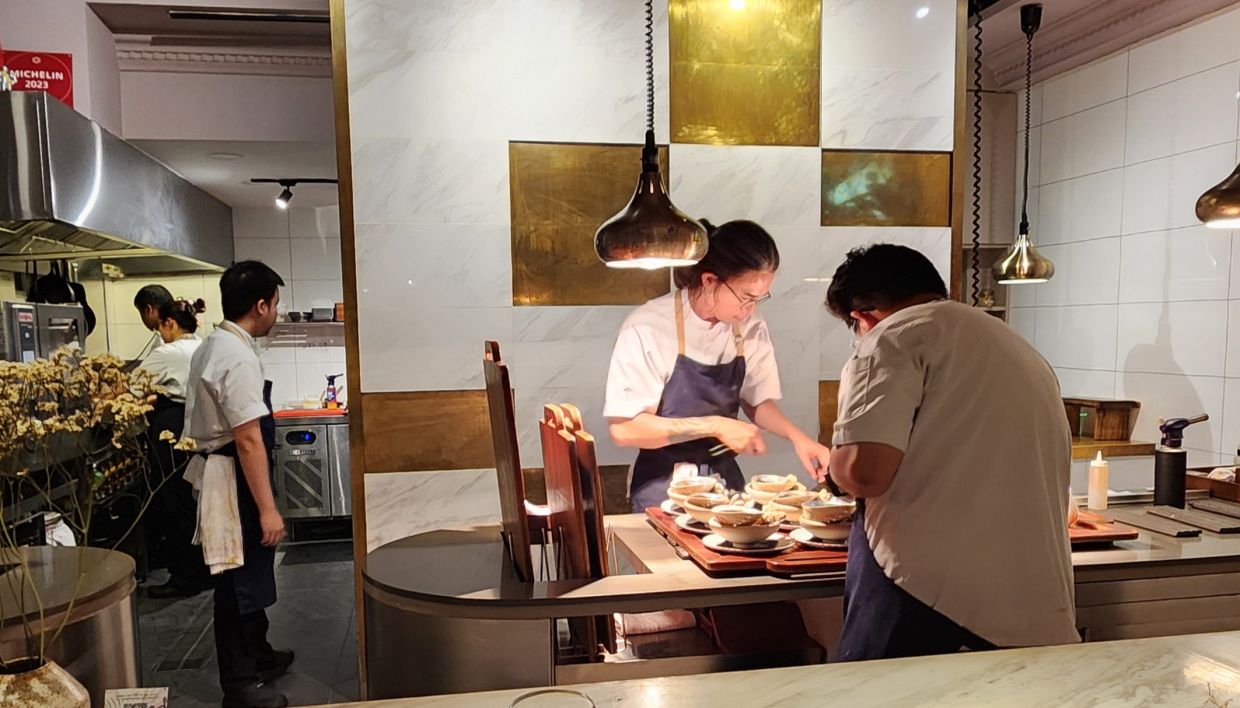
With collaborations held on Malaysian soil, there is also intrinsic pride in showcasing local ingredients or helping international chefs understand the intricacies of Malaysian cuisine, produce and culture.
In so many ways, it is both a cultural exchange and a sense of national pride in showing off the diversity and breadth of local fare to chefs who may not have any understanding of it.
“A lot of the time, it’s a lot of just exchanging cultures and making a friend or two. The idea is to have the chefs come here and get them acquainted with local ingredients. And if they’re willing to use local produce, they can include it in their dishes as well.
“It’s also to show how the local restaurant scene can be kind of standing side-by-side with international restaurants as well. And the experience is always unique because you’ll never see the same things in either my restaurant or their restaurant ever again,” says Low.
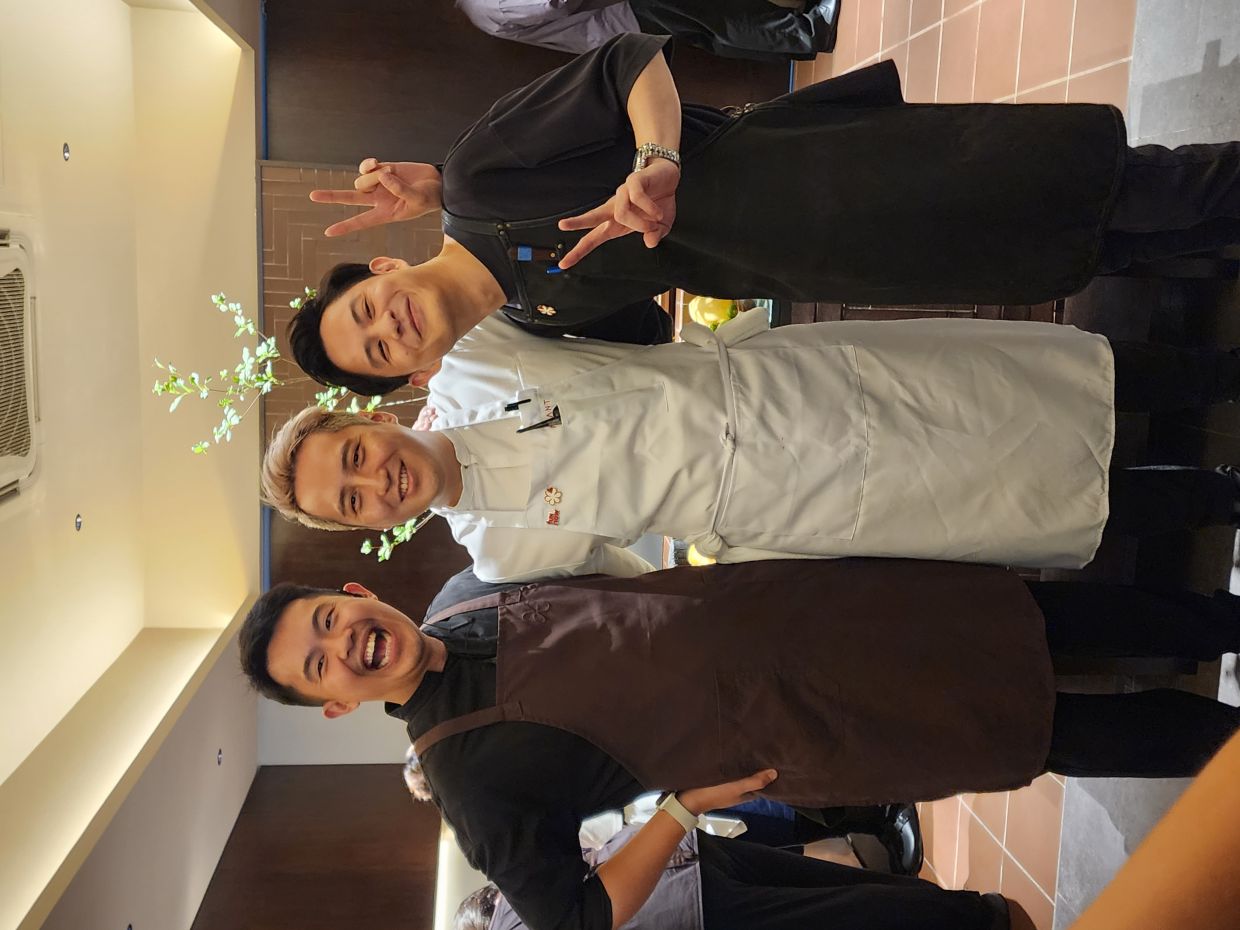
Flying the Malaysian flag
Aside from hosting collaboration dinners in KL and Penang, many of Malaysia’s top chefs are increasingly flying overseas to participate in these dinners – as their reputation has grown over the years.
This has given many local chefs the opportunity to gain invaluable global experience and knowledge.
“I would say that we try to do outbound collaborations where we are able to learn something. Like I’ve never been to India, but at the end of this year, I am going to be doing a two-week kitchen residency in a hotel in India. I wanted to go there because I am interested in cooking with local Indian ingredients.
“And in October, I will be going to Guangzhou to do a collaboration with chef Fei from Jiang by Chef Fei (a two Michelin-starred restaurant). He is a Teochew Chinese chef, so I am sure I can learn something from that guy because whatever he is doing is not something we have been doing,” says Wong.
YC, meanwhile, is a little more conservative when it comes to collaborations, but when the opportunity to do a vegetarian mushroom collaboration dinner in Kunming, China, came about, he didn’t hesitate for even a second before making a decision.
“So the Kunming one was very eventful – we were out till the wee hours of the morning every day – going to the mushroom market and even foraging for mushrooms, so it was very physically taxing.
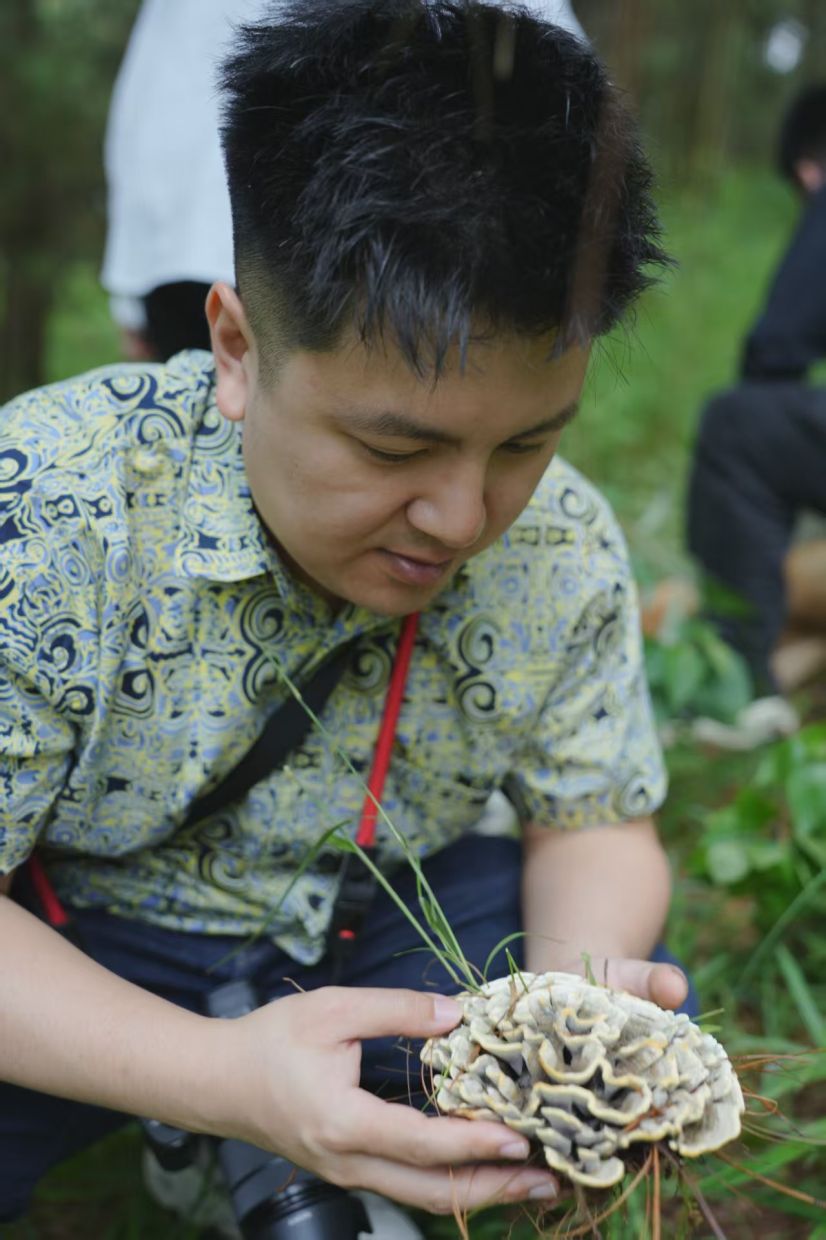
“We had two nights to R&D and prep, and that was it. I cooked two dishes from scratch in a foreign land and it was such a thrill to taste different ingredients and discuss with other chefs,” says YC.
Many local chefs also feel that when they venture to foreign shores for collaborations, it offers the opportunity to foster a deeper understanding of Malaysian food culture and ingredients among people in the international food community. These sorts of cross-collaborations also help fuel soft power and inseminate the idea that Malaysian chefs and Malaysian cuisine can be elevated to international standards.
“In countries like China, Nanyang cuisine (the food of the Malaysian and Singaporean Chinese diaspora) is all the rage because there is a Singapore series called The Little Nyonya Story which has become very popular.
“So when Malaysian chefs go there for collaborations, we can bring our ideas, recipes and flavours and let people there taste and understand what we have to offer,” says YC.