Melaka'sPeranakan community is one of the oldest in the country, preceded only by the Chetties in Melaka (a community borne out of the intermarriage between Indian traders and local women).
The Melaka Peranakan (the word means “child of the land”) Chinese community traces its roots as far back as the 15th century when Chinese traders arrived in Melaka, liked what they saw and ended up staying and marrying local women.
Peranakan Melaka culinary culture arose out of that cultural interspersion, resulting in a rich array of dishes that eventually became a part of the traditional Peranakan culinary canon. The Peranakan kitchen has always been intrinsically matriarchal, which means recipes were closely guarded and only passed down to other women in the family.
Peranakan Chinese food is also typified by rigour – cooking requires back-breaking labour that often involves pounding spices and pastes (rempah) using traditional implements like pestles and mortars (batu lesung) and huge, heavy millstones (batu giling).
Sadly, the passage of time and the sheer impact of modernisation have rendered many of these time-treasured methods obsolete and even the recipes themselves increasingly rare, with some wiped out to the point of extinction.
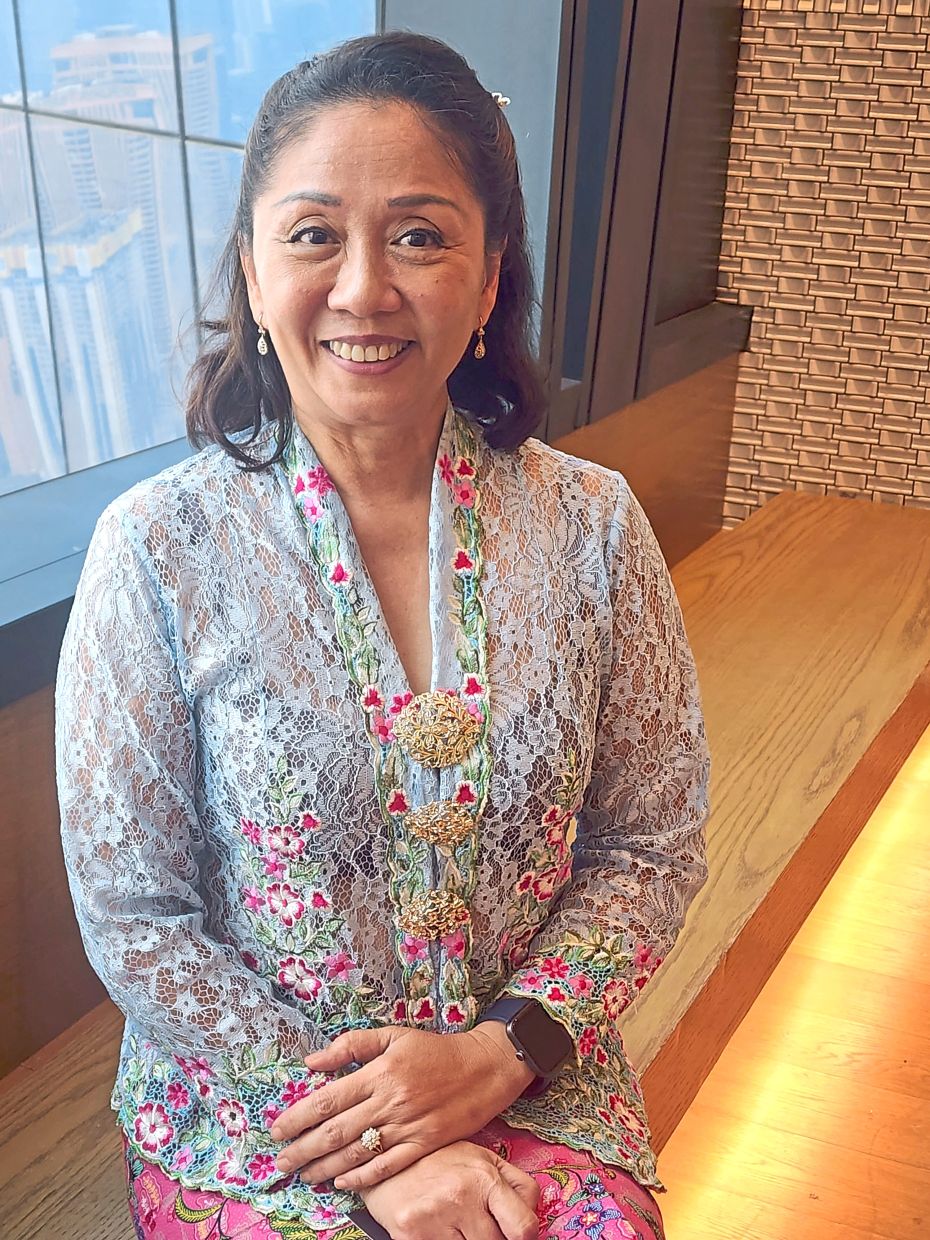
And yet, there are still culinary flag-bearers in the community determined to keep the culture, tradition and cuisine alive.
Sharon De Souza is one of these culinary custodians whose cooking reflects a halcyon time when Peranakan matriarchs spent hours in the kitchen producing veritable feasts.
“Our food is fusion food from the 14th century – a mixed marriage between Malay and Chinese communities. No other cuisine in the world can say that, right? So we have to keep it alive,” says De Souza.
Early days in the kitchen
These days, De Souza is probably most well known for her high-demand, frequently booked-out private dining endeavour, Nyonya Supper Club in Kuala Lumpur where she cooks and champions rarely-seen dishes in the Straits Peranakan culinary tapestry.
And yet, her induction into the Peranakan kitchen began long before the idea for a supper club even took root.
As a child growing up in Melaka, De Souza lived between two worlds – her father is Kristang (Portuguese Eurasian) while her mother is Peranakan Chinese from Melaka. This made her cultural identity somewhat unique.
And yet, it was her maternal grandmother that helped cement most of her culinary underpinnings, especially as her mother coaxed her father into buying the house next door to her grandmother’s home.
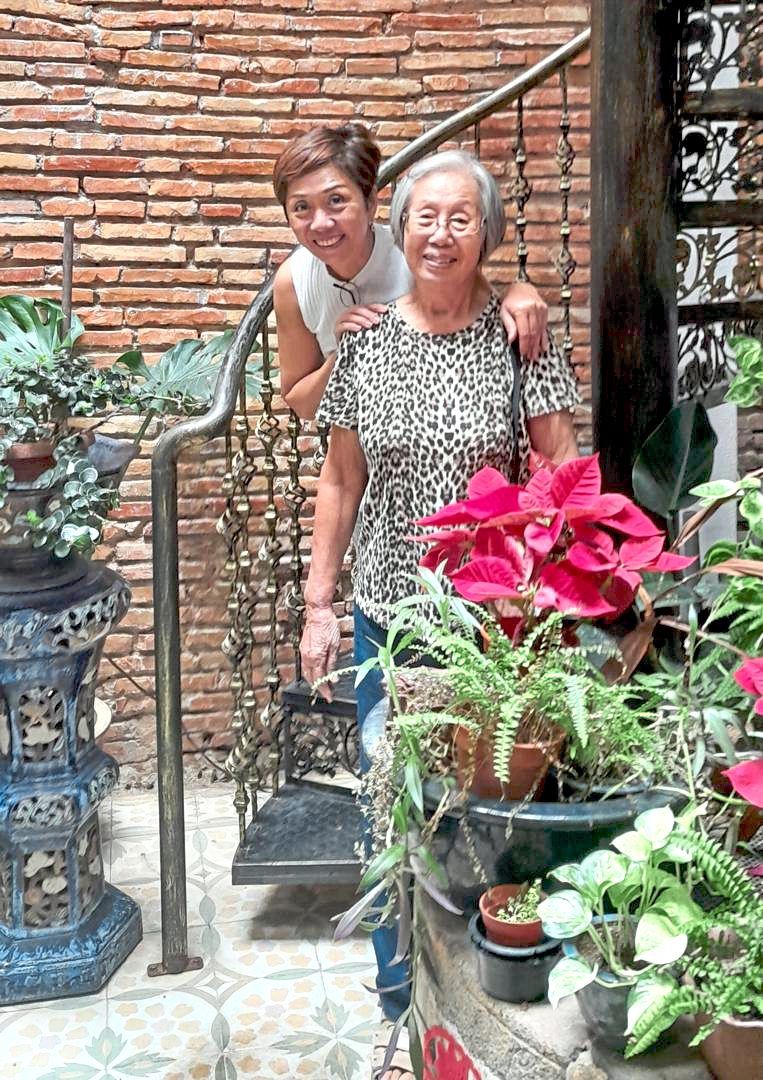
“My parents were working adults and we lived next door to my grandmother. I was the eldest granddaughter, so it was my duty to help her in the kitchen.
“But I was just an apprentice doing menial work – I was not allowed to touch the ‘senduk’ (ladle) or anything like that. Only the senior cooks could do that. My eldest aunt (my grandmother had six daughters) lived with my grandmother, so my grandmother was the head chef and my aunt was the sous chef. I was just the scullery maid,” recalls De Souza, laughing.
Still, De Souza spent a large part of her childhood performing various tasks in the kitchen, from removing the tails on bean sprouts to washing vegetables and her special pet skill – pounding sambal belacan using an old-fashioned pestle and mortar.
“Yeah, that’s why till today, it’s much easier for me to pound the sambal belacan using a pestle and mortar, rather than a blender, because I had so much practice when I was younger,” she says.
Starting a supper club
Eventually, De Souza went to university. Her mother was determined that she get a good education – ironically so she wouldn’t end up like her grandmother.
“My mother grew up with this cuisine and she told me, ‘You better study hard and go to university – otherwise for the rest of your life, you’ll be chained to the kitchen like your grandma!’” says De Souza.
That piece of advice set De Souza down the path of becoming a banker. It was only when she married, had her son and turned 40 that her life took a different turn.
Yet again, it was her mother, Yeow Qwee Foong, who – while at first cautioning her daughter against a life in the kitchen – eventually became the catalyst for her supper club.
“So when I had my son, my mother said, ‘You better start learning all our family recipes while I still can remember them.’”
“All the recipes were not written down, so she said I should write them down, but I absolutely had to practise making them because Peranakans have a particular taste profile and she said I had to understand that profile, otherwise it wouldn’t matter how many recipes she wrote down for me – I would never be good if I couldn’t understand the taste profile. And the only way to master that was to cook,” says De Souza.
The problem was that De Souza’s tiny family wasn’t quite the audience for her food. Her Scottish husband wasn’t a fan of spicy food at the time (he has since seen the light) and her son was only a baby. So her mother suggested she start inviting friends over for dinner.
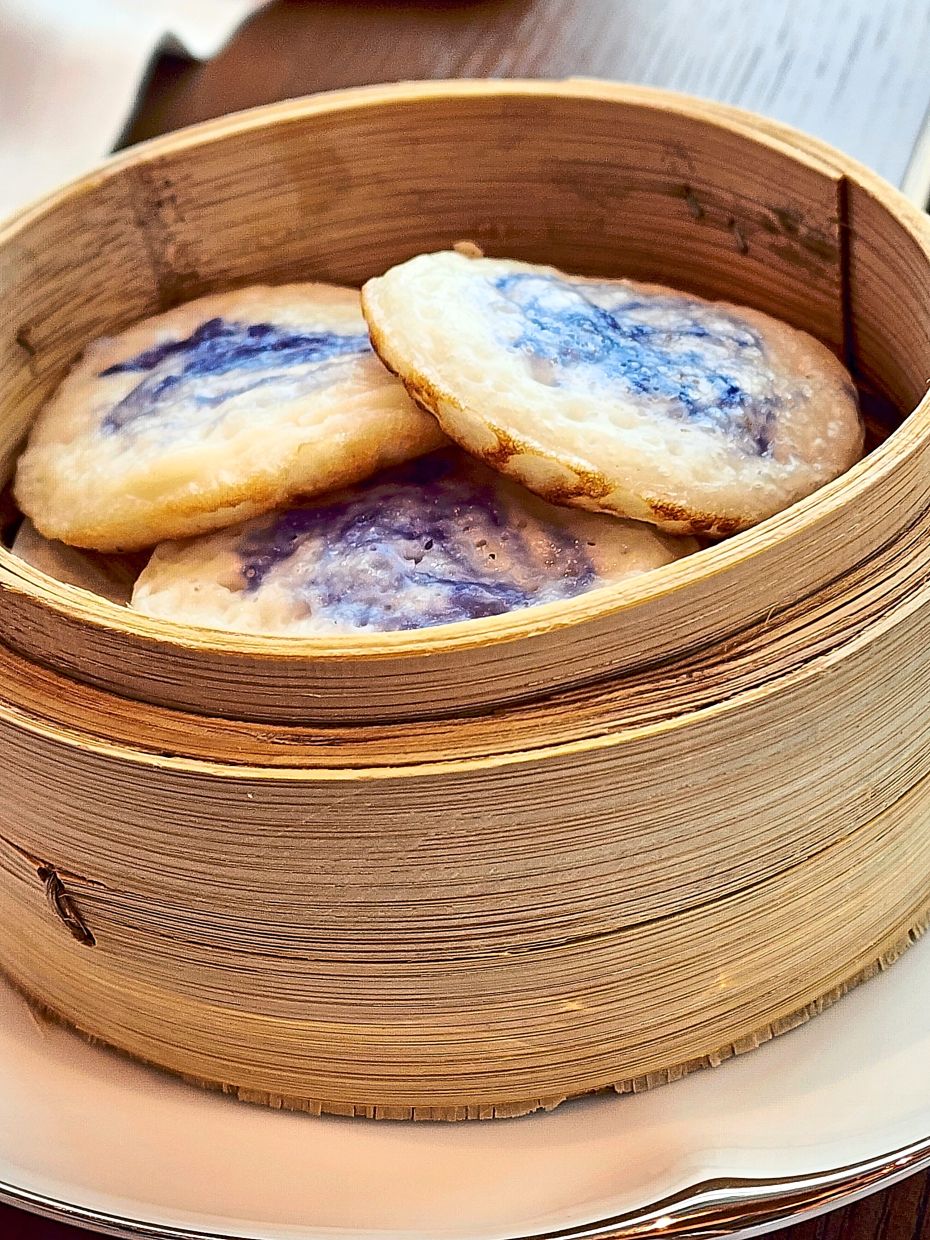
So that’s exactly what she did. The response to her food was so enthusiastic that one thing led to another and nine years ago, she started helming the Nyonya Supper Club twice a week out of her home in Kuala Lumpur.
De Souza’s mother was aghast at this new development, as she wanted her to cook to learn and understand her heritage, not to slave away cooking for other people.
“At one stage, my mother said, ‘It’s good that you learnt how to cook, but if you told me that you would earn a living out of it, I would never have taught you because it’s a hard life,’” recalls De Souza.
At the beginning, De Souza was skeptical about her own abilities and was unwilling to even promote what she was doing. Thankfully, she has gradually eased into her role.
“I only opened a Facebook account after three years of running the supper club because I really was not confident that I was going to continue doing this. And people would say, ‘If you don’t market it, then of course, nobody’s going to know about it.’ And I was like, ‘Correct.’ I don’t want anybody to know. It’s fine,’” she says, laughing.
Spreading the culture
De Souza runs the supper club out of pure passion for her Peranakan heritage. Every meal she makes is churned out using purely traditional, back-breaking kitchen methods and comes with a side serving of the stories and symbolism behind the food.
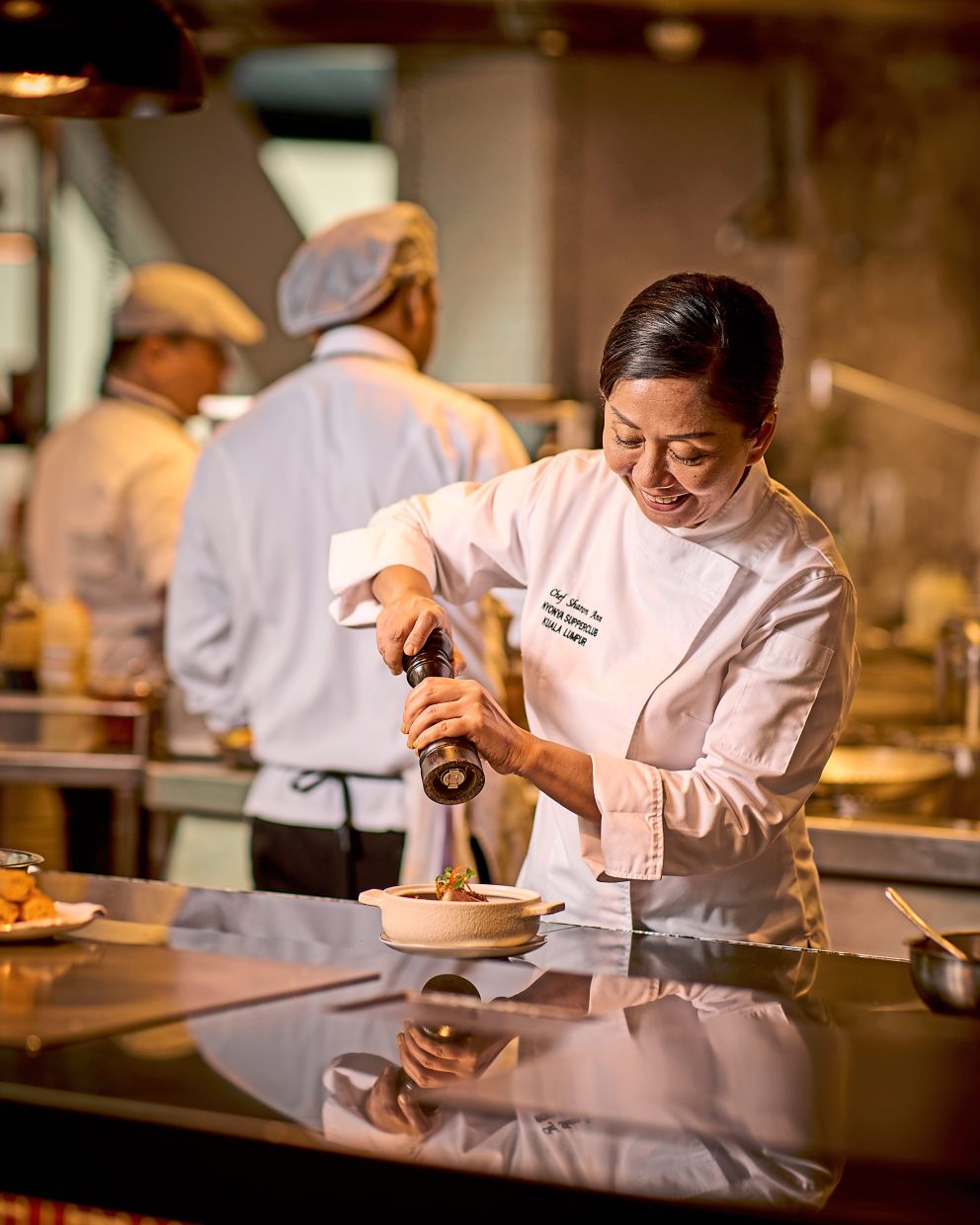
To share her particular brand of authentic Nyonya food with more people, she also teaches Peranakan kitchen techniques at local culinary schools and does select collaborations with hotels. She previously collaborated with Eastern & Oriental Penang and Hyatt Centric Sabah. Her most recent collaboration (which ended last Sunday) waswith Park Hyatt Kuala Lumpur, where diners were able to savour a range of her authentic Peranakan dishes like nasi ulam, Nyonya laksa, kuah lada and tulang rusuk kapitan.
An interesting facet of both her supper clubs as well as her collaborations is that she often cooks both Melaka Peranakan and Penang Peranakan dishes, giving diners a chance to understand the similarities and differences that define both cuisines.
“The whole idea behind the supper club and the collaborations is always to show the difference between Melaka and Penang Peranakan food. Not many people know that they are very distinct.
“Because the Baba Nyonyas in Melaka are the OG ones, and then nearly 400 years later Penang was founded, right? And then the Peranakan community that formed there thrived because they had a lot of traders coming from Thailand and Burma that basically shaped their tastes.
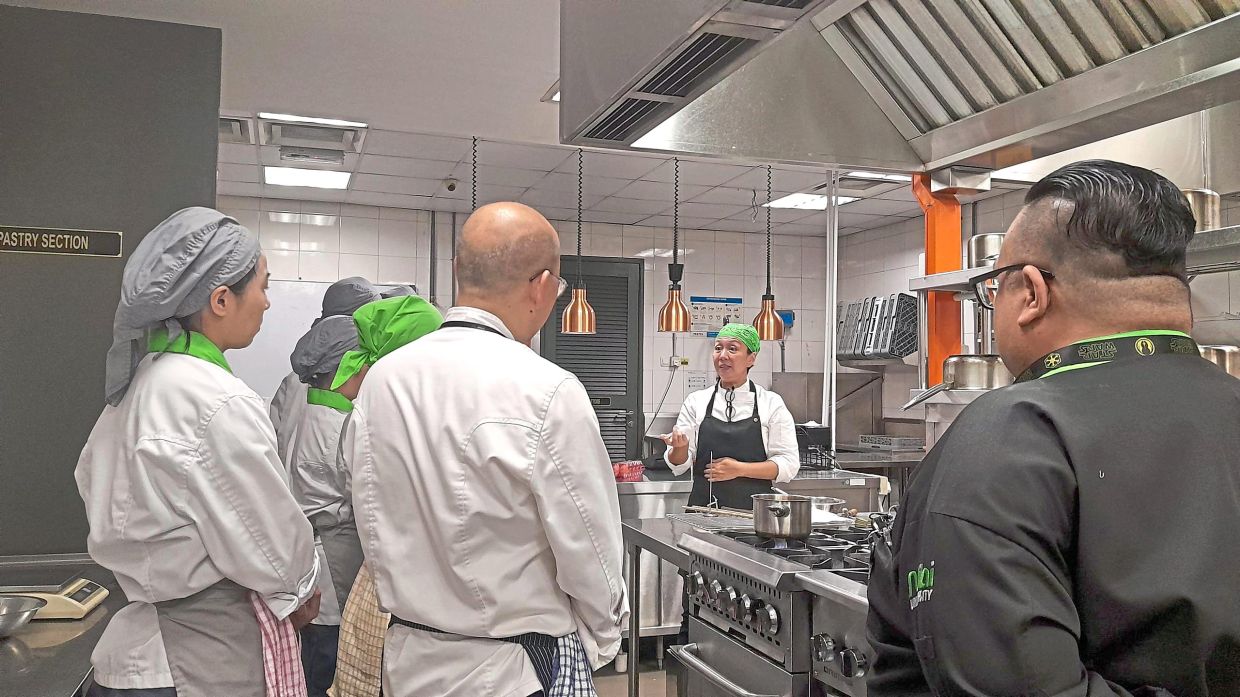
“And with Melaka Peranakan food, I think there’s a distinction between what restaurants serve and what we eat at home. So here we try to introduce dishes that we actually serve at home,” she says.
The food that makes up the mosaic of her Peranakan fare includes her grandmother’s famed Nyonya ayam satay, which contrary to its moniker, has no relation to grilled skewers of chicken satay. Instead, this is a rich, coconut-milk enlivened curry buoyed by coriander powder, lemongrass, belacan and a whole host of other ingredients.
“Satay ayam is my grandmother’s specialty and I used to think grandma’s Bahasa was so bad, because when I went to school, I realised ‘satay’ meant something else,” says De Souza, laughing.
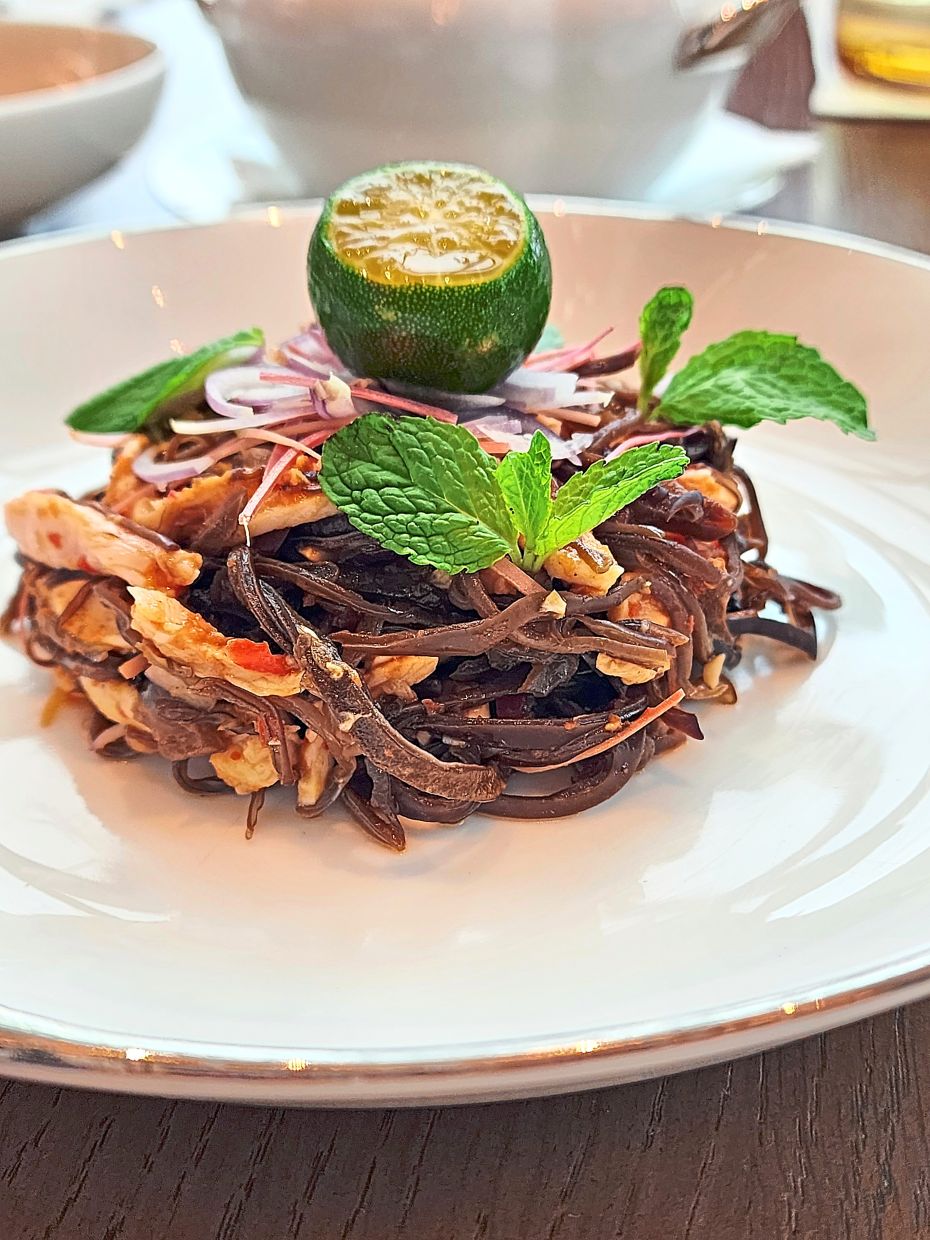
Then there is her famous Peranakan-style nasi ulam, an intensely herbaceous affair packed with herbs, roots and flavour elements, including daun cekur, daun kesum, bunga kantan (torch ginger bud), mint leaves, lemongrass, shallots, salted fish and hae bee (dried shrimp).
“Peranakan nasi ulam is more ulam than rice and what distinguishes the Peranakan version from Malay nasi ulam is the hae bee (dried shrimp) because Peranakans put hae bee in everything,” says De Souza.
Each leaf has to be julienned by hand using a sharp knife and the labourious work is intensified by the fact that the leaves are of varying sizes. The trick to getting it right? De Souza says the leaves have to rolled like cigars and then sliced.
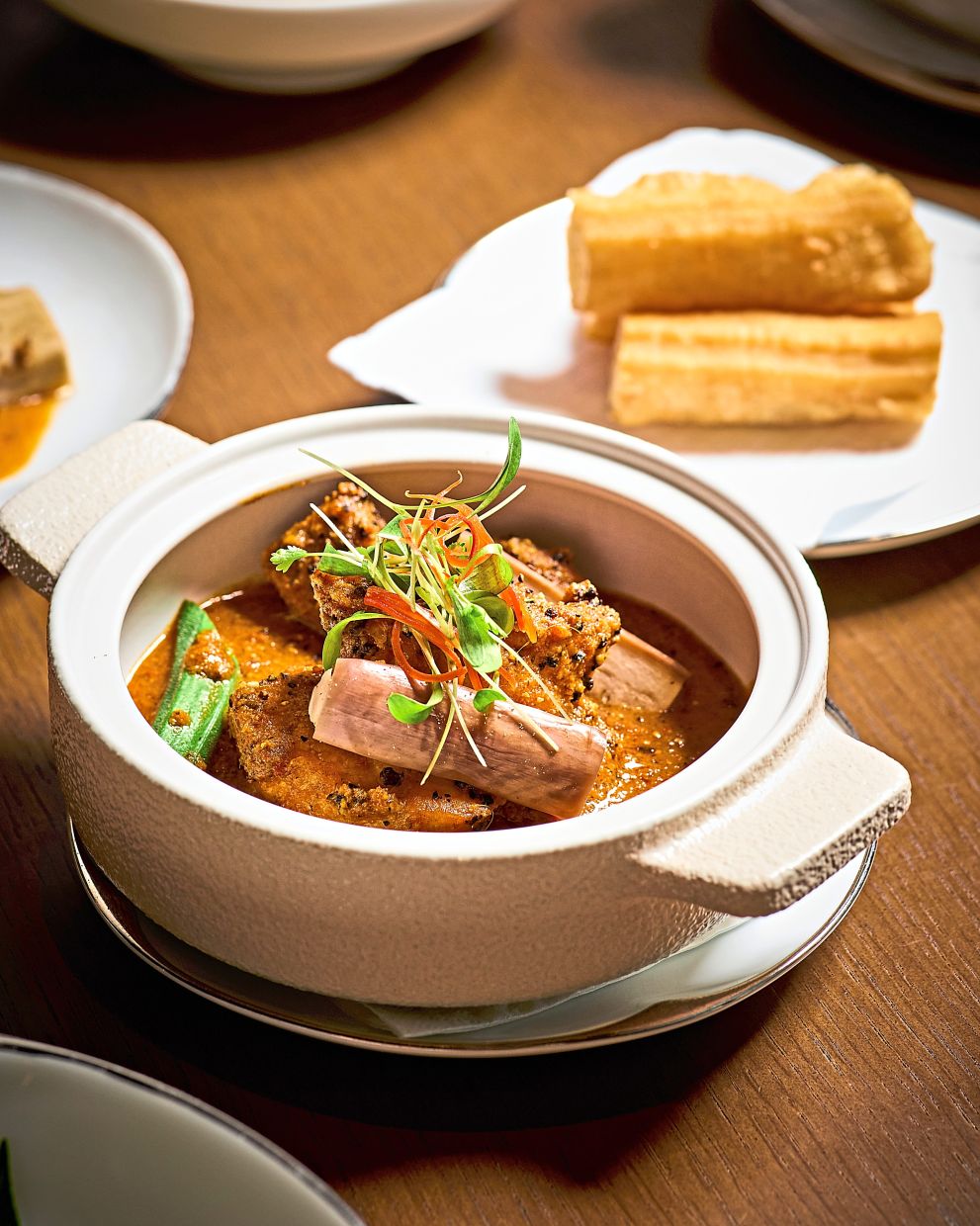
A very rare Baba Nyonya dish that De Souza continues to make is kuah lada, a tangy, nose-tinglingly robust dish which features snapper simmered with tamarind, turmeric and black peppercorns. The Chinese fried dough sticks (yu char kway/yu tiao) are often served alongside the dish, although there is a story behind this.
“It is one of the few dishes in the Peranakan repertoire where we use peppercorns for heat instead of chillies. In the first round, we will eat with rice.
And then we will save the gravy for the next day when we will go to the market and buy yu cha kway and eat it with the gravy. Because kuah lada is the best!
“And it’s one of the traditions that is dying out because nowadays, nobody makes kuah lada,” says De Souza sadly.
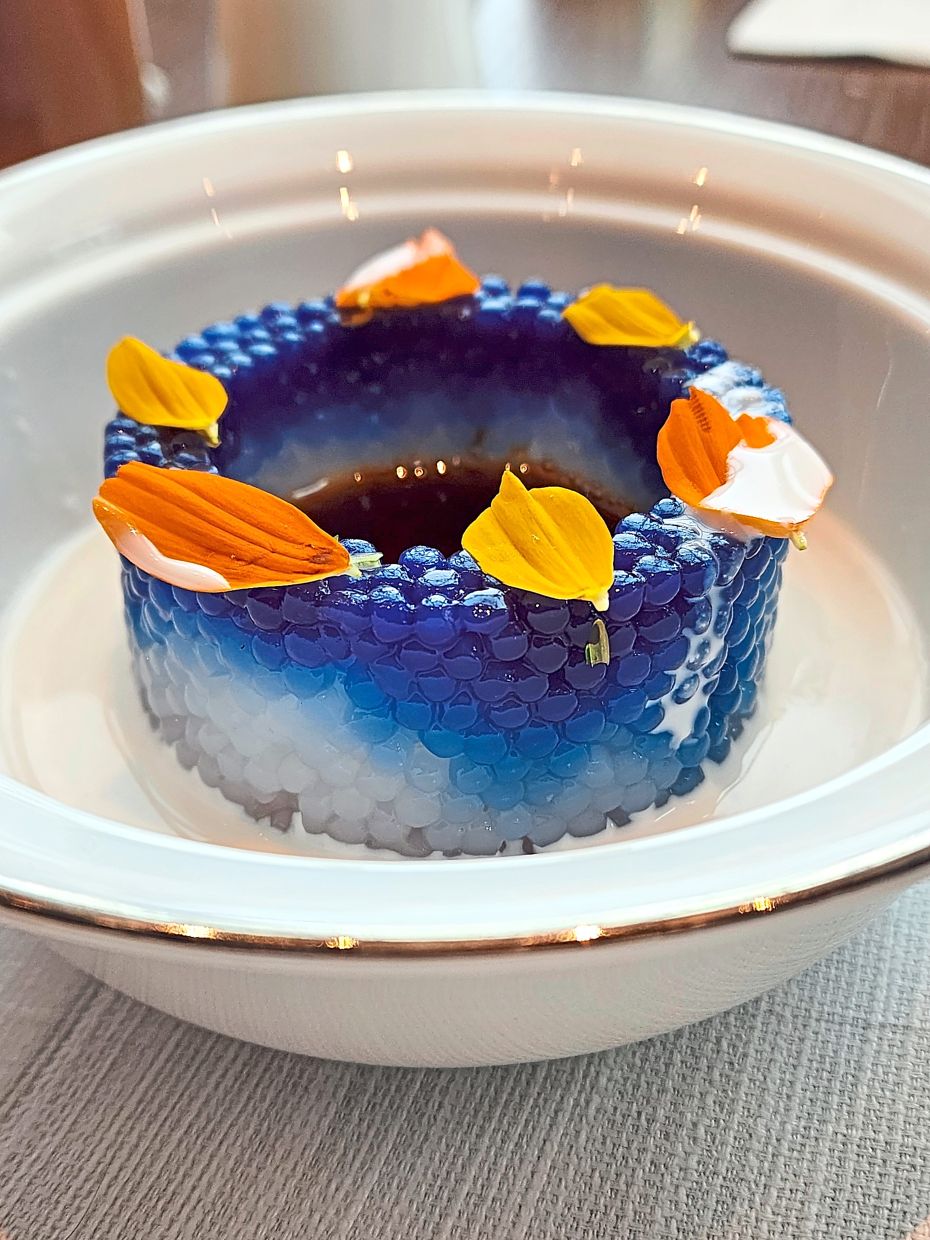
For dessert, De Souza’s sago gula Melaka is a mainstay that features coconut milk that she squeezes herself as well as gula Melaka sourced from a trusted supplier in Melaka that is then smoked to give it added depth, resulting in probably one of the best versions of this classic dish out there.
The future
Moving forward, De Souza says she will continue running her supper club and making Peranakan food using time-honoured methods – just the way her grandmother taught her. Although she is in her 50s now, she isn’t interested in quitting her precious traditional tools for new-fangled equipment like blenders.

“My grandmother did it and my mother did it, so I will continue doing it too. Because when you pound ingredients like lemongrass and chillies, it crushes everything and releases a lot of essential oils, which is what is missing in today’s Peranakan cuisine. When you use a blender, it just cuts everything up, so the texture is very, very different,” says De Souza.
But one thing she’s clear about? Despite gaining a growing fan base, she has no grand plans to open a restaurant – now or ever.
“I never wanted and will never be a restaurant owner. I don’t believe I have it in me to open a commercial enterprise. What I do is for the love and passion of Melaka Peranakan culture and cuisine,” she says.