On a Thursday morning, Petaling Jaya’s Halo Doughnut is abuzz with activity. Owner Khris Teri is hard at work glazing rows and rows of doughnuts while her team packs up boxes of doughnuts for a large corporate order.
“We’re really busy today. We’ve got 250 doughnuts to send out,” says Khris, smiling.
While Halo Doughnut is now a physical outlet, it was once one of the many home food businesses that sprung to life during the Covid-19 pandemic years – now considered the glory years for home businesses.
With denizens perpetually confined to their homes, the appetite for new and creative foods grew alongside the number of home food businesses that sprouted alongside it.
Some of these businesses closed shop after the effects of the pandemic waned, while others have soldiered on as home businesses.
But buoyed by positive responses during the pandemic and insistent demand from regulars, some entrepreneurs like Khris opted to convert their home-based endeavours into physical restaurants.

These decisions were not made lightly. Many went into it with great hopes and dreams, but the outcomes have been vastly different for everyone.
From home business to restaurant
Yuvan Vydelingum is a trained Mauritian chef who has worked at more than 20 restaurants around the world, including a two-year stint as a sous chef at Michelin-starred celebrity chef David Myers’ eatery Bleu Blanc.
Having been retrenched from his restaurant job in Kuala Lumpur during the start of the Covid-19 pandemic, he turned his hand to running a home food business in Klang, Selangor, called Skinny Legs Barbeque – first operating out of a home before eventually renting a shop lot.
The business was a success and spurred by demand from customers and buoyed by the initial flush of triumph, Yuvan and his wife Pravina Nair pooled all their money together to open a physical restaurant – also called Skinny Legs Barbeque and also in Klang.
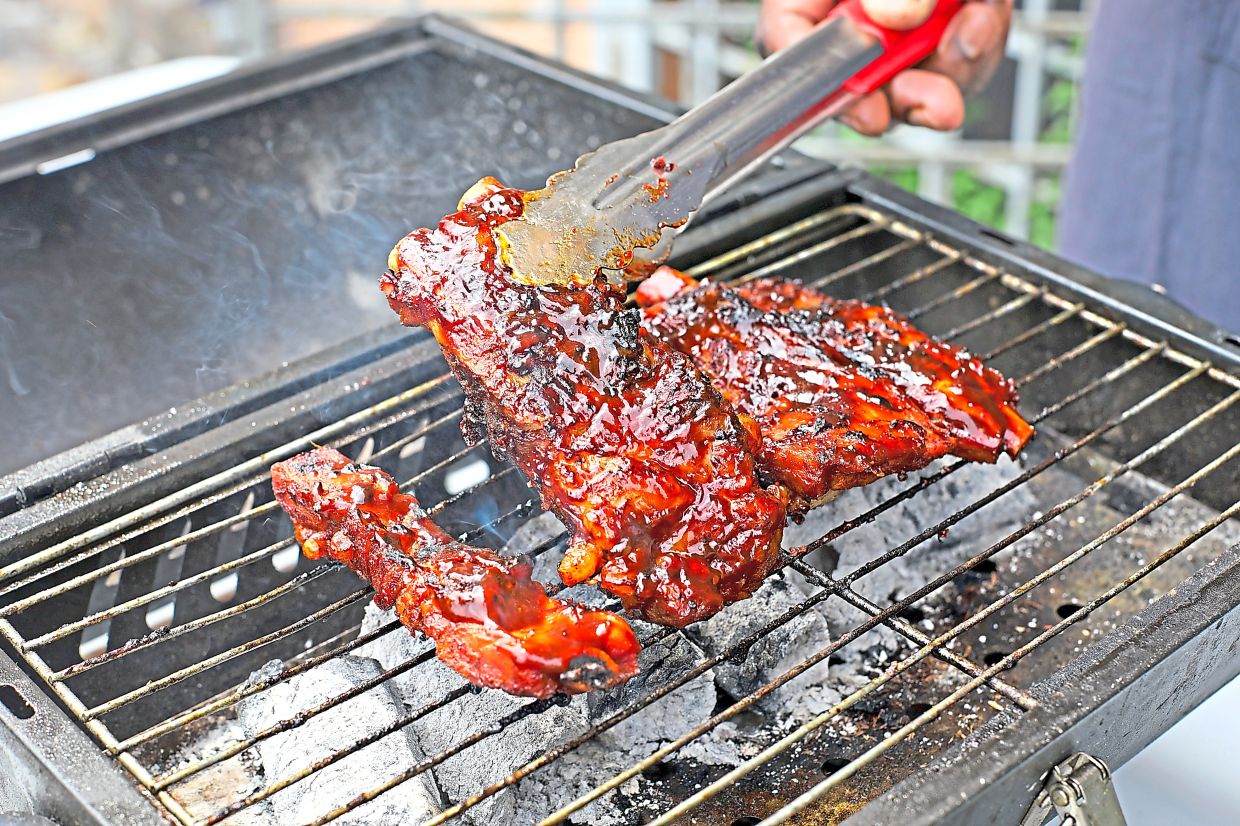
The restaurant specialises in delicious barbecued meals, ranging from their signature tender smoked pork ribs to pan-grilled barramundi. Each dish is outstanding – curated with care and obviously made by someone who understands how to cook with fire and bring out the best flavours in meats and marinades.
For Khris, meanwhile, opening a home food business happened inadvertently. A former television producer, she decided to call it quits at the start of the Covid-19 pandemic. Coincidentally, her husband had also gifted her a sourdough baking class as a present a few months before the pandemic and during the class, she learnt how to make sourdough doughnuts.
During the pandemic, she started recreating those doughnuts, making large batches that were eventually distributed to friends. Soon her friends spread the word to their friends and before she knew it, she was inundated with requests. At her husband’s encouragement, she decided to open a home business called Halo Doughnut, first operating out of her mother’s kitchen before eventually moving to a cloud kitchen.
Business was good, but Khris noticed that every time borders reopened and people could move around again, her sales dipped dramatically. Deciding to get ahead of what she could obviously see was about to happen when the world returned to normalcy, Khris set about opening a physical outlet.
“I told my husband, ‘Look, I feel like when the Covid-19 vaccine is out and people are back to normal, they will want to experience things outside. And I was like, ‘Let’s look for a place.’
“So we looked around and we found this space in Gasket Alley, PJ. And I was like, ‘Maybe this is where I should be. Plus, I’m a PJ girl, so I felt like this is it,” says Khris.
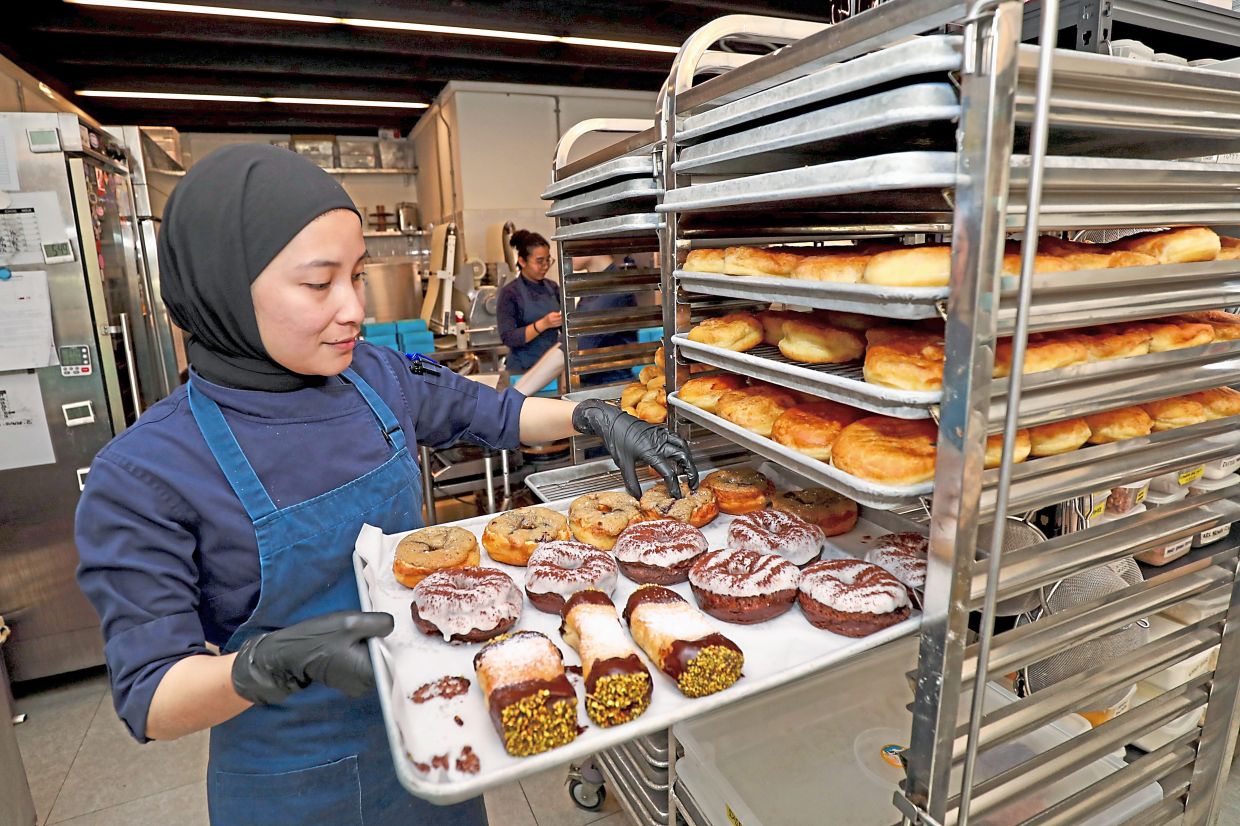
Halo Doughnut grew in popularity in the area off the back of its wide range of innovative doughnuts, from Burnt and Salty – the eatery’s salted burnt butter “money-maker”, as Khris calls it – to other variations like Dookie, which makes use of stale doughnuts, transforming them into cookie-layered delights.
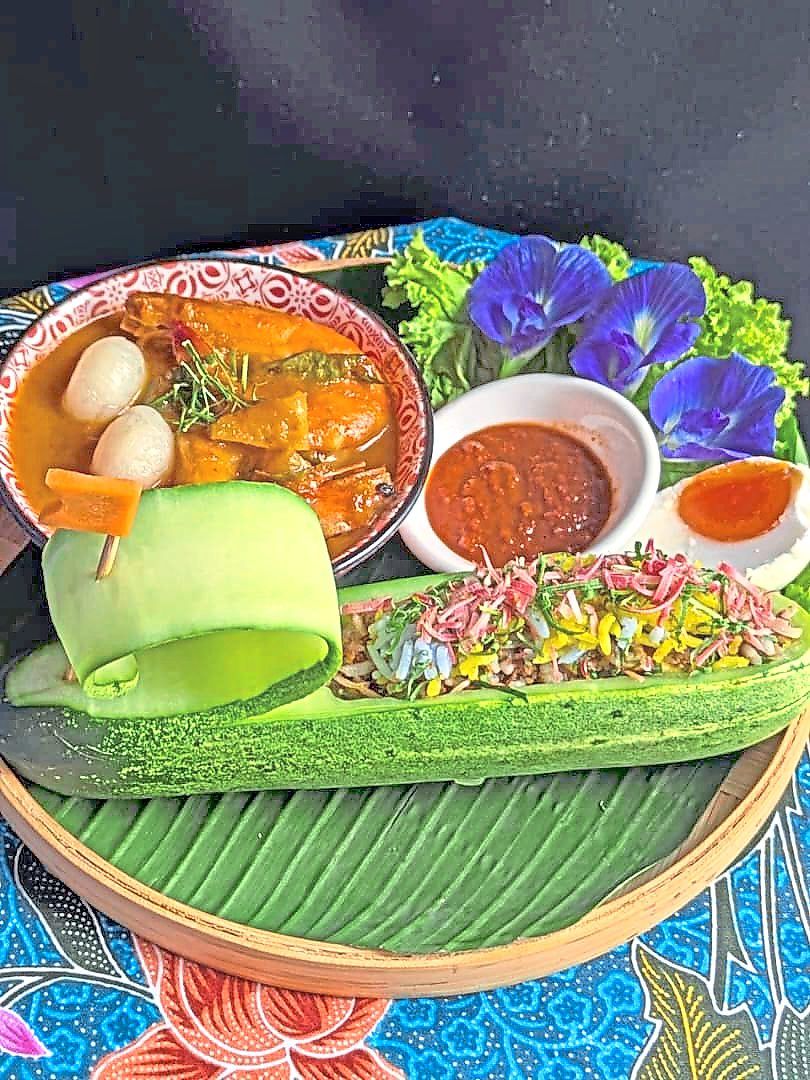
For former PR maven Jay Mee Chuah, her unexpected foray into a home business began in June 2020 when she started cooking traditional Nyonya dishes like rendang and roti jala with chicken curry, based on her family’s traditional recipes.
Chuah’s home business, Herba & Rempah, bloomed, or as Chuah puts it, “Covid made me a chef”. Chuah worked out of her home with a single helper before eventually getting two other people to help out with the soaring demand.
“I was running out of space at home – there was roti jala everywhere! And customers kept calling and asking if they could dine in, so the natural step was to open a restaurant where people could experience Nyonya food in a warm and welcoming restaurant. More importantly, I wanted to preserve and share recipes passed down through the generations,” she says.
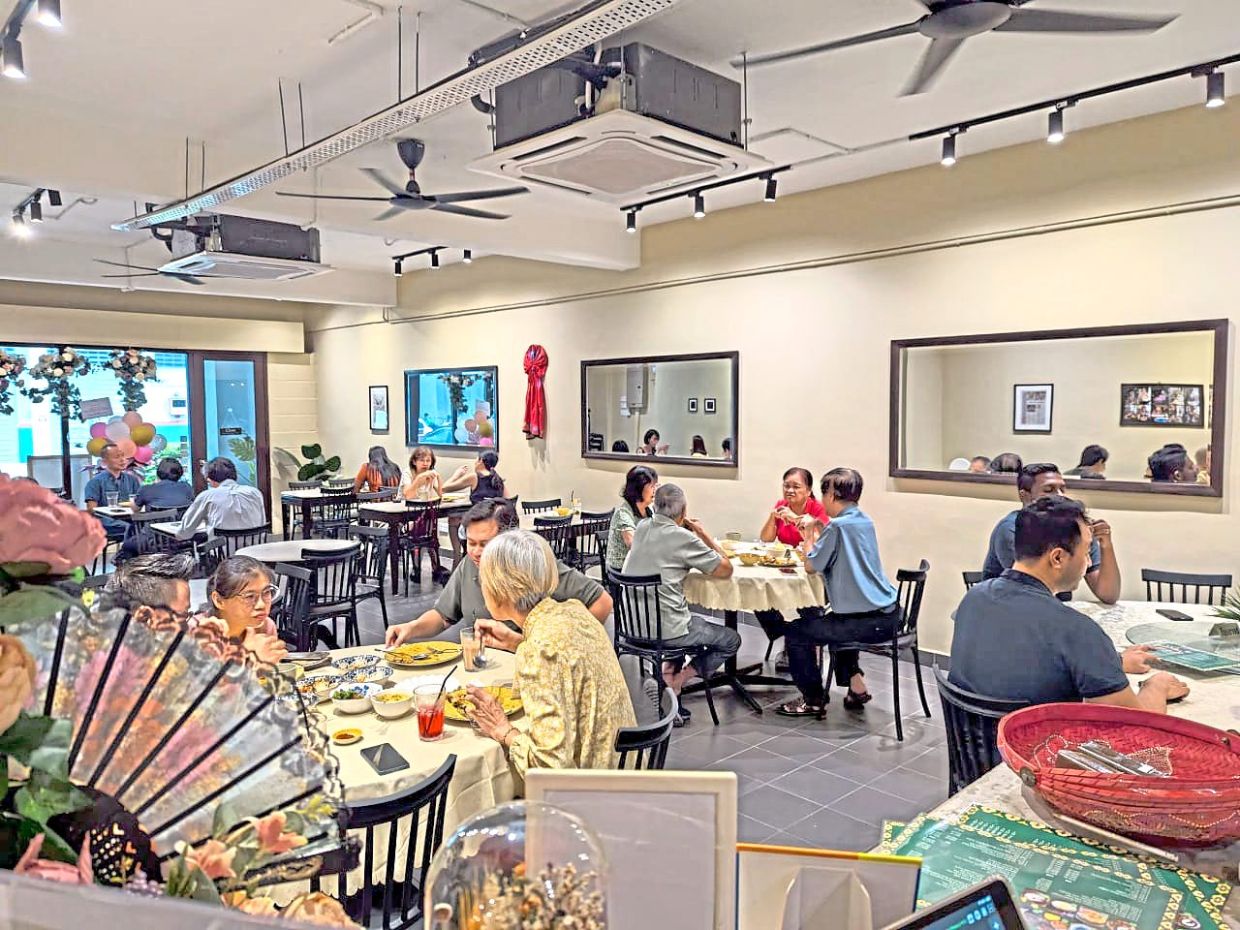
Chuah opened her physical restaurant Herba & Rempah in mid-2024 in Petaling Jaya and ran it for nearly two years before eventually throwing in the towel and shuttering the restaurant, highlighting how dreams do not always align with reality.
Challenges of running a restaurant
On a Tuesday afternoon, Yuvan cuts a lonely figure at his restaurant, Skinny Legs Barbeque. While the eatery is often overflowing with people on weekends – with some people actually having to be turned away – weekdays tell a totally different story altogether.
“Fridays, Saturdays and Sundays are our busiest periods. But Tuesday to Thursday is just very quiet. Sometimes we might get some business for dinner, but lunch is always very quiet.
“And the business we get on weekends doesn’t offset the losses we make on weekdays. We are just surviving at this point,” he says.
Yuvan thinks the main issue is the fact that the restaurant is located in Klang, which is dominated by an ageing population unwilling to pay too much for their food. So even when he prices his set lunches at RM17.90 nett for a soup, main course and drink, he says he still gets feedback that they’re too pricey.
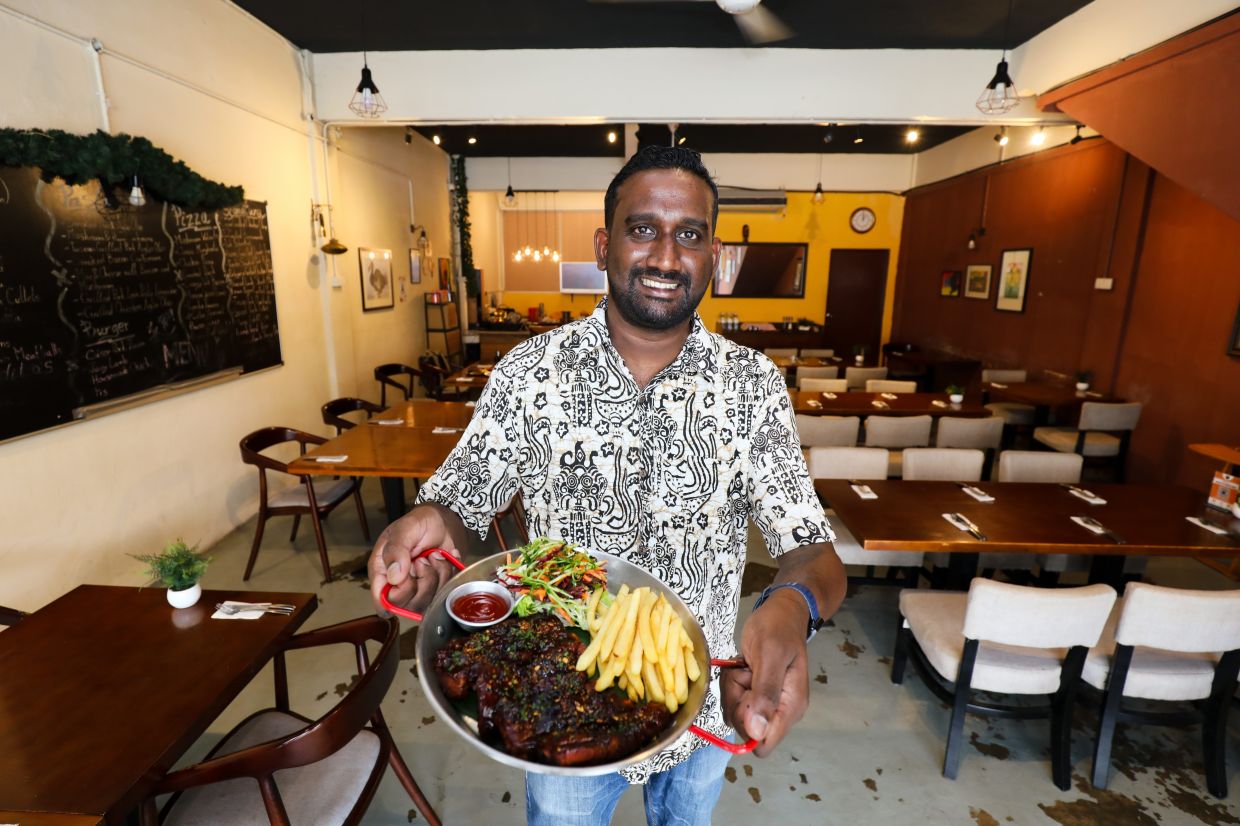
“So the thing is, we really, really want to move somewhere else, maybe Petaling Jaya or Subang. We’re looking for investors who might be interested in coming and trying our food and then if they feel there’s potential, maybe we can just relocate to get a better crowd. We will still offer similar prices and make it affordable so everyone can enjoy a meal here,” says Yuvan.
Khris, meanwhile, says that moving to a physical space has increased her sales – she went from selling 500 doughnuts out of her home operation to selling 5,000 at her physical outlet.
But until recently, the shop was open seven days a week with a bare-bones staff of just four people (including her) and the entire team was massively burnt out. Which is why she recently took the drastic decision of cutting the eatery’s operating days to just four days a week.
“Everyone was operating at their maximum capacity and they would get tired the next day and it was just a vicious cycle. So I said, ‘Let’s cut back and just do four days.’
“And for me, I think I’ve always been in and out of burnout. So I will take a break for a week and when I think I feel like I’m okay, then I will come back and one month later, the same thing will happen. I don’t know how to deal with the burnout – it’s to the point where I wake up and think, ‘I don’t want to create (doughnuts) anymore,’” says Khris.
Chuah, on the other hand, says many factors led to her decision to shutter her restaurant for good. For one thing, she says it was very difficult for her to find and retain manpower, which meant that when there were huge crowds at the restaurant, she was often overwhelmed.
Another thing that she found hugely challenging was that she could never predict how many people were going to dine in on any given day, leading to massive food waste day after day.
“The biggest challenge was unpredictability – customer traffic can fluctuate, so it’s not consistent, so we really needed to manage food wastage. Like sometimes we would cook so much rice and it would all go to waste.
“And manpower also was hard to find – in the restaurant business, you rely on manpower. If they don’t turn up, you’re in big trouble. When I realised that every week I was struggling to find staff, especially for the evening session, I felt it was not worth doing it anymore because it was stressing me out so much,” says Chuah.
The future
Although many home food business owners discovered challenges aplenty when they started their own restaurants, the high points are what continue to make it worthwhile for many of them.
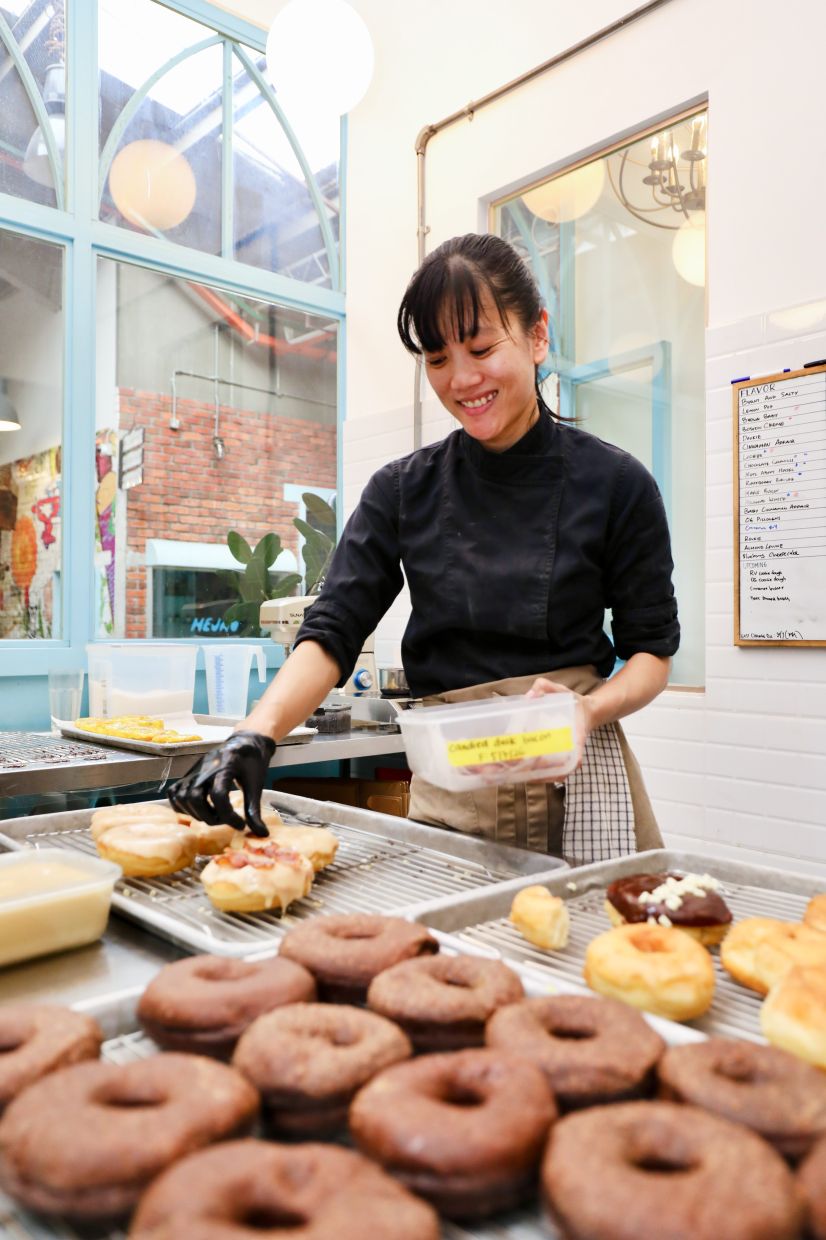
Khris, for instance, says that she enjoys being a part of people’s special celebrations, especially when they choose to serve her doughnuts at milestone events like weddings and engagements. And surprisingly, even though she now only opens Halo Doughnut four times a week, her orders have actually increased slightly!
Still, given that two of her long-term staff have recently resigned, she remains uncertain about the viability of keeping the business running in the long term.
“I don’t know if maybe I’ll hire someone new and if that someone new might actually help me rest and think and come back stronger. But right now, it’s very tough.
“So with how I’m feeling right now – I think when our lease ends in 2028, I won’t be renewing it. I think that will be it for me,” says Khris.
Chuah, meanwhile, says that one of the things she loved the most about running a restaurant was seeing customers enjoying her traditional Nyonya dishes.
“We had a few customers who came almost every day – the restaurant became like their canteen. So it was very rewarding to know that they appreciated the authentic food we made,” she says.
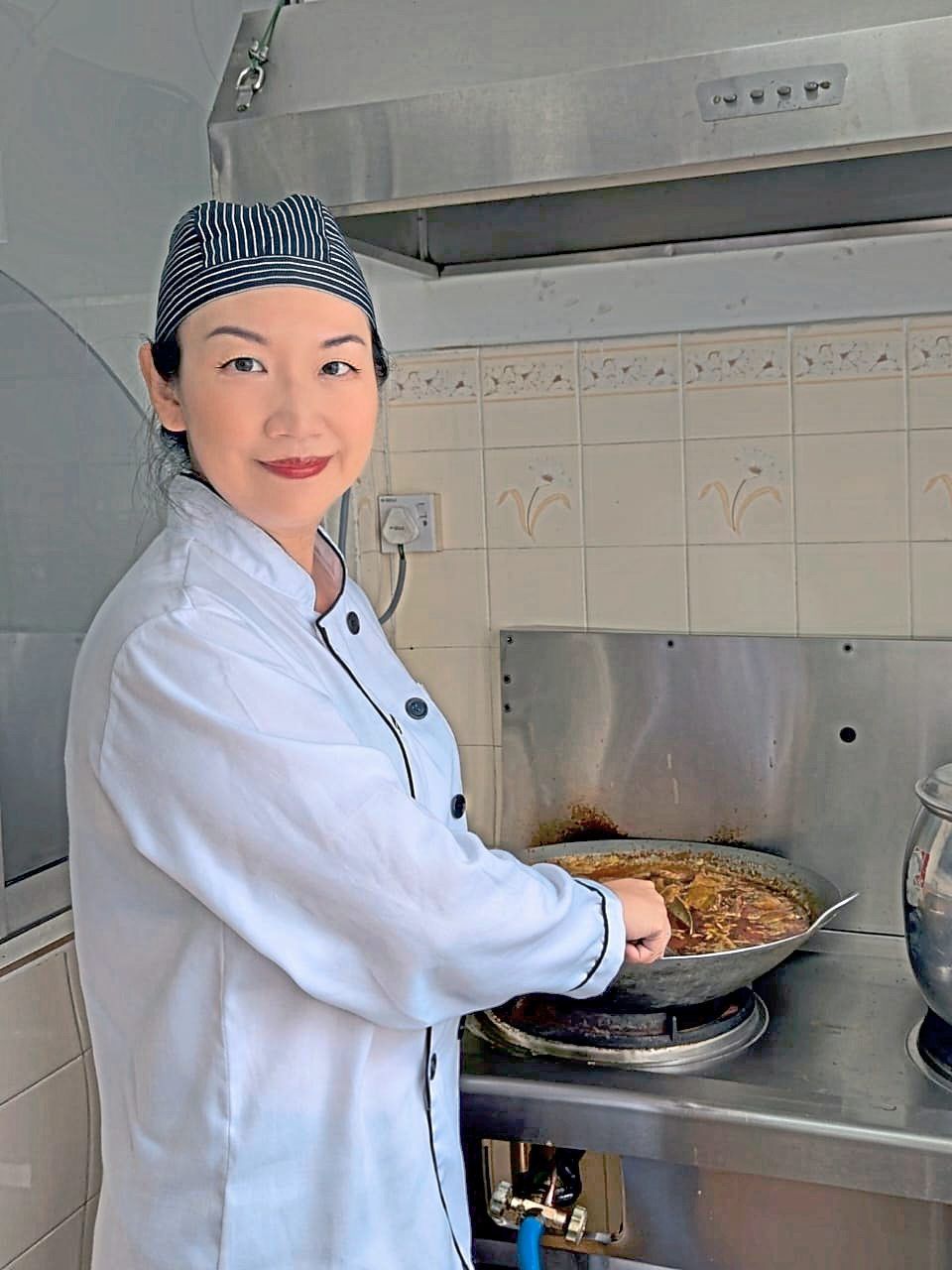
Since shuttering the restaurant, Chuah has gone back to a home-based business in Petaling Jaya (no longer her home but a rented house) and has set up Herba & Rempah’s central kitchen there. She now focuses on pre-orders for pick-up or delivery as well as larger-scale catering events, where people are once again able to enjoy her delicious range of aesthetically pleasing heritage Nyonya dishes like her authentic nasi ulam (made using 10 different kinds of herbs) as well as her fresh popiah and Nyonya otak-otak, to name a few.
“I am much more comfortable; the business is more focused and sustainable and aligns with our manpower and the strengths that we have. So right now I am concentrating on pre-orders so I can go and buy ingredients to plan ahead. And now I only need to get more manpower if there is a catering gig.
“I have also had a lot of enquiries for Nyonya high-tea, so I think I will grow my business in this area,” she says.
Yuvan, meanwhile, says that he enjoys seeing all the regulars at his restaurant and often goes out of his way to “manja” (pamper) them so they have a memorable experience.
Even though business has been up and down, he remains perennially optimistic and says whatever comes his way, he will keep moving forward regardless.
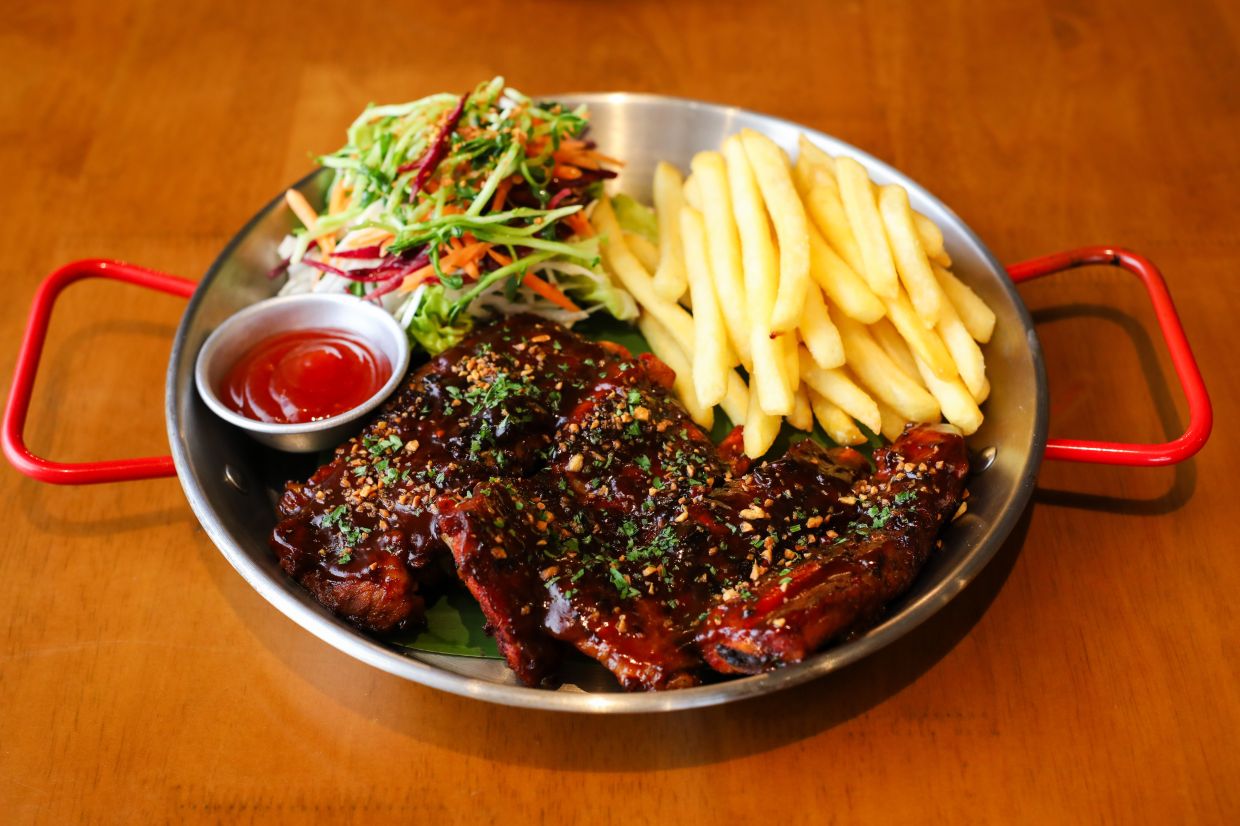
“We really want to move the restaurant somewhere else with the right investors who have a vision for us to grow. That’s pretty much it. But this is my baby – so no matter what happens, I won’t give up on it. I will do whatever it takes to make the dream happen,” he says, smiling.