Short on space? Consider microgardening.
Although the term might conjure thoughts of minuscule garden gnomes and fairies, the reality is quite the opposite. You can get a surprisingly high yield from a small space, even a windowsill or balcony, if you plant it right.
One way to maximise your harvest is to grow plants that mature quickly, harvest them and then plant more.
Arugula, broccoli, cabbage, kale, mustards, mizuna and radish are among the fastest sprouters, but beets, chards and nasturtiums work, too, typically germinating in 10-14 days.
When the sprouts produce their second pair of leaves (which are their true leaves; the first pair are called cotyledons), use sharp scissors to clip them at the soil line and enjoy them in smoothies, salads, sandwiches or stir-fries. Then plant more and start over, or, better yet, sow more seeds every few days to ensure a steady supply.
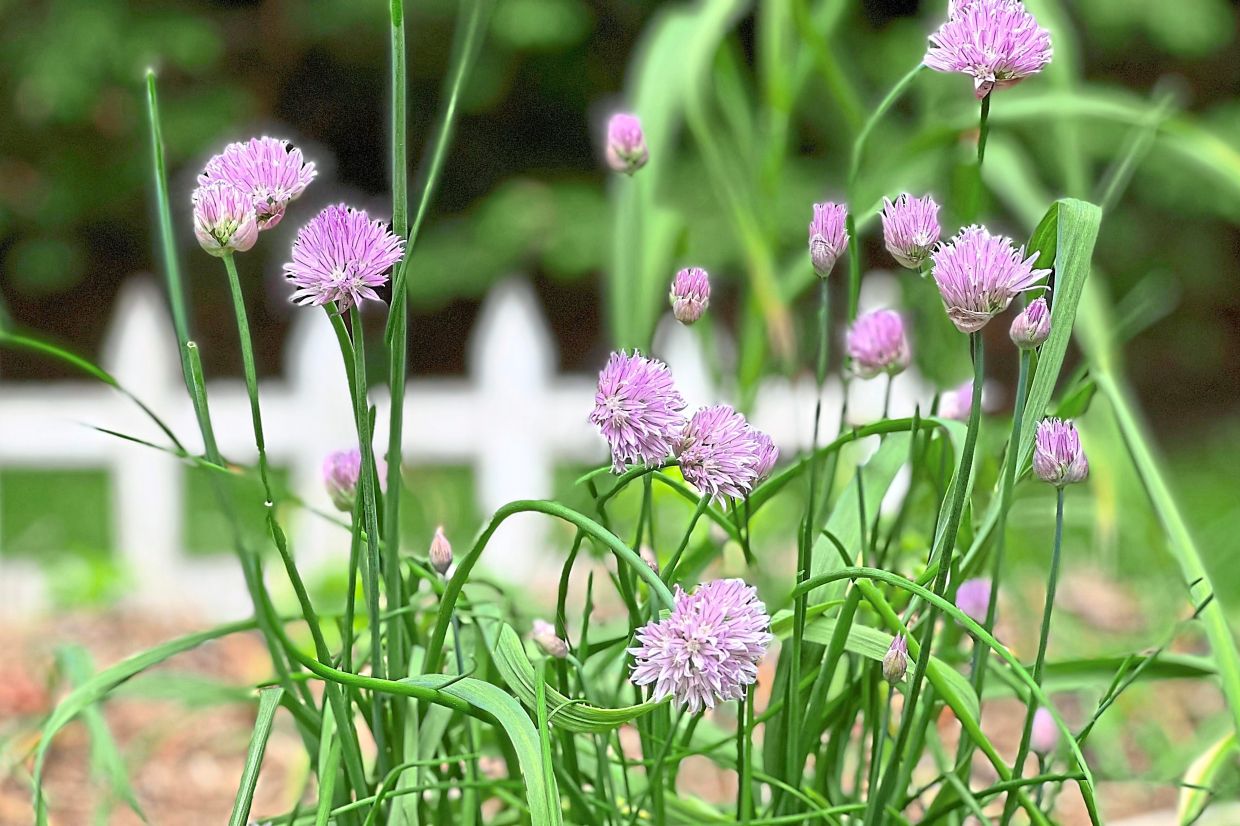
Outdoors, the same small thinking can be applied to fruits, vegetables and herbs, which traditionally can take up a large portion of a garden’s real estate.
Basil, leaf lettuces and mint are among those that can do the most with the least. Comfortable in containers, they’ll also regrow to provide multiple harvests all season long.
If you’re short on patio or balcony space, use multi-tiered stands to hold several pots in a single footprint.
And let your flower pots pull double duty. Plant herbs around annuals, and let them spill over the container’s edge.
When planting flowers, think in layers: Use taller plants in the back, mid-height ones in the middle and ground-huggers in front. The design strategy adds depth, even in a thin strip or a window box – and will provide the best bloom for your buck.
Seek out multi-tasking plants that provide beauty as well as food. Crops like amaranth, chives, rainbow chard, red lettuces and sweet potatoes will add lovely ornamental value to beds, borders and containers before working a second shift on your dinner plate. – AP