
There are many kinds of laughter. People may guffaw at a joke. They may giggle nervously in an uncomfortable situation. They may chuckle with mild amusement. They may snicker to express contempt - especially movie villains.
But while laughing seems uniquely human, it is not. Our closest evolutionary relatives do it too. Researchers now have compared laughter in humans to laughter in the various great apes - chimpanzees, bonobos, gorillas and orangutans. They identified similarities among the species in this vocalisation as well as characteristics exclusive to people.
Laughter in each of the species studied adhered to a regular rhythmic pattern, with evenly spaced intervals between successive sounds. Because this laughter pattern was shared among people and the other species, the researchers said, it may have existed in their last common ancestor, thought to have lived about 15 million years ago in East or Central Africa.
"Human laughter shares the same basic evolutionary roots as great ape laughter, but it differs in important ways," said Chiara De Gregorio, a primatologist and research fellow at the University of Warwick in England and lead author of the study published in the journal Communications Biology.
"Human laughter is faster, more variable and more sensitive to social context than the laughter of other great apes. chimpanzees and bonobos are indeed our closest relatives, and their laughter is generally more similar to ours than that of gorillas or orangutans. However, human laughter still stands out in its degree of rhythmic complexity and flexibility," De Gregorio said.
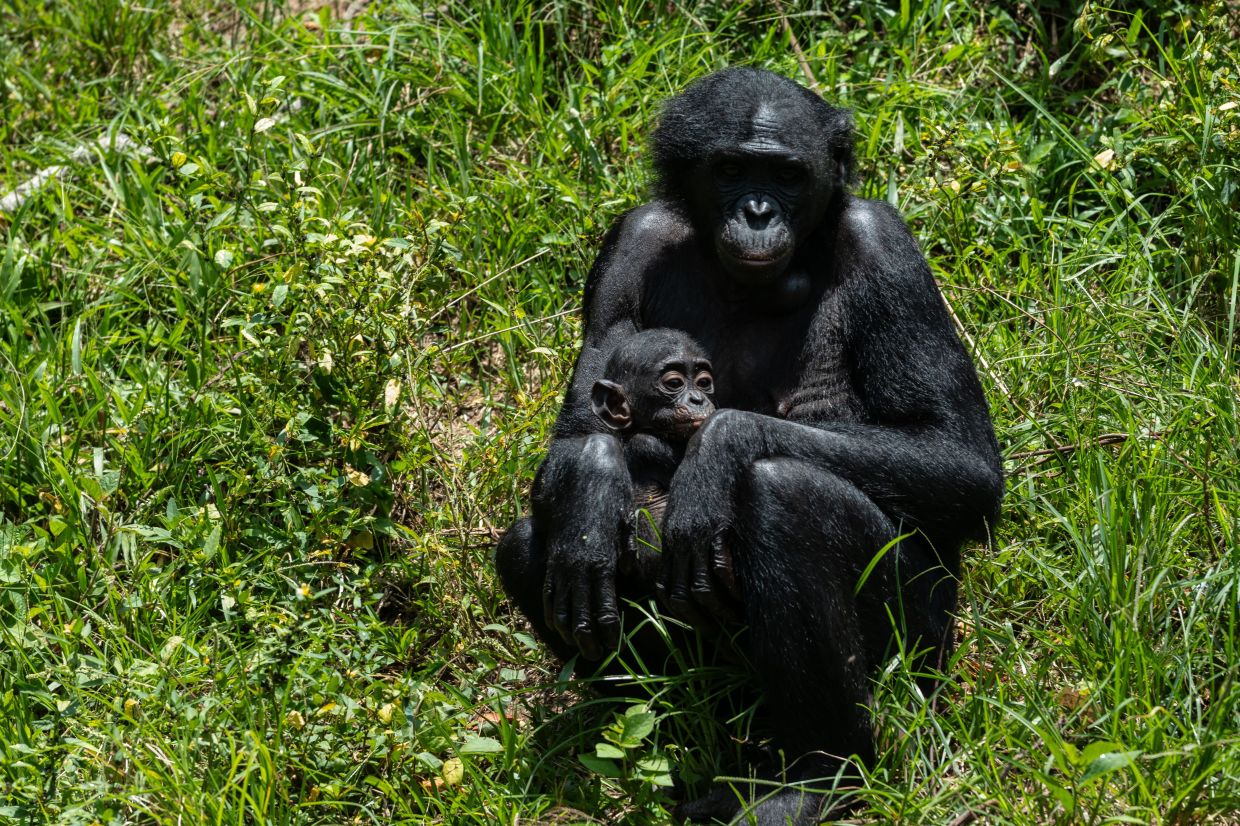
The human evolutionary lineage diverged from the lineage that led to chimpanzees and bonobos perhaps 7 million years ago.
The researchers analysed recordings of laughter from four chimpanzees, three bonobos, two gorillas, four orangutans and four people, measuring the timing between each burst of sound in a total of 140 sequences of laughter. The ape recordings were made in their home environments in soos in Germany and Malaysia while individual apes were engaged in play or were gently tickled by human caretakers familiar to them.
People were found to change the speed of their laughter depending on the situation.
"Our study shows that laughter has changed gradually over the course of great ape and human evolution," De Gregorio said.
"One striking difference is that humans appear able to modify the temporal structure of laughter according to context. In our study, we found little evidence that great apes alter the rhythmic structure of their laughter across different situations in the same way humans do, although future research may reveal subtler forms of variation," De Gregorio said.
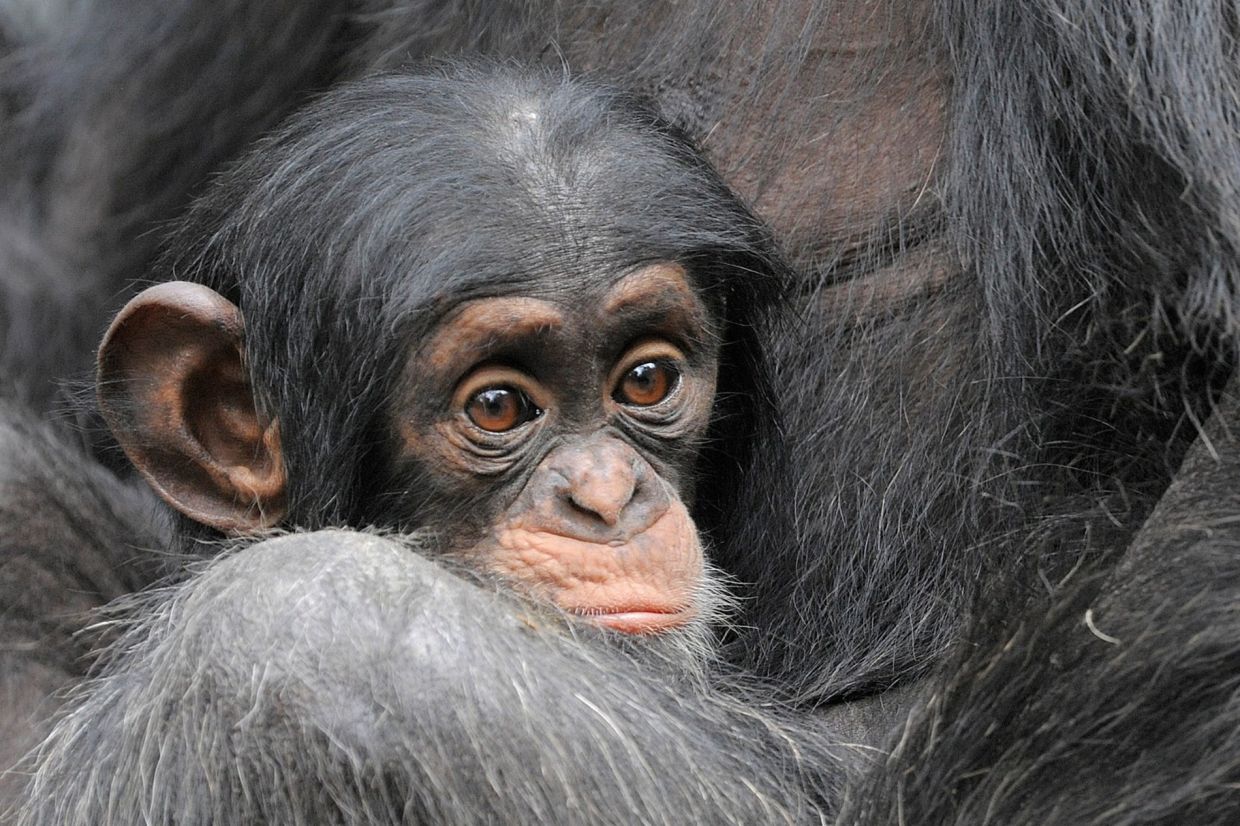
The researchers said their findings may have implications for understanding the origins of human speech.
"By studying laughter in our closest relatives, we can better understand not only where language came from, but also the social and emotional foundations that make us human," De Gregorio said.
"The evolutionary increase in rhythmic flexibility that we observed suggests that our ancestors may already have possessed more sophisticated vocal control than modern apes, representing an important stepping stone toward speech and language. We still do not know exactly how our ancestors communicated, but we now have a much clearer picture of how they may have laughed," De Gregorio said.
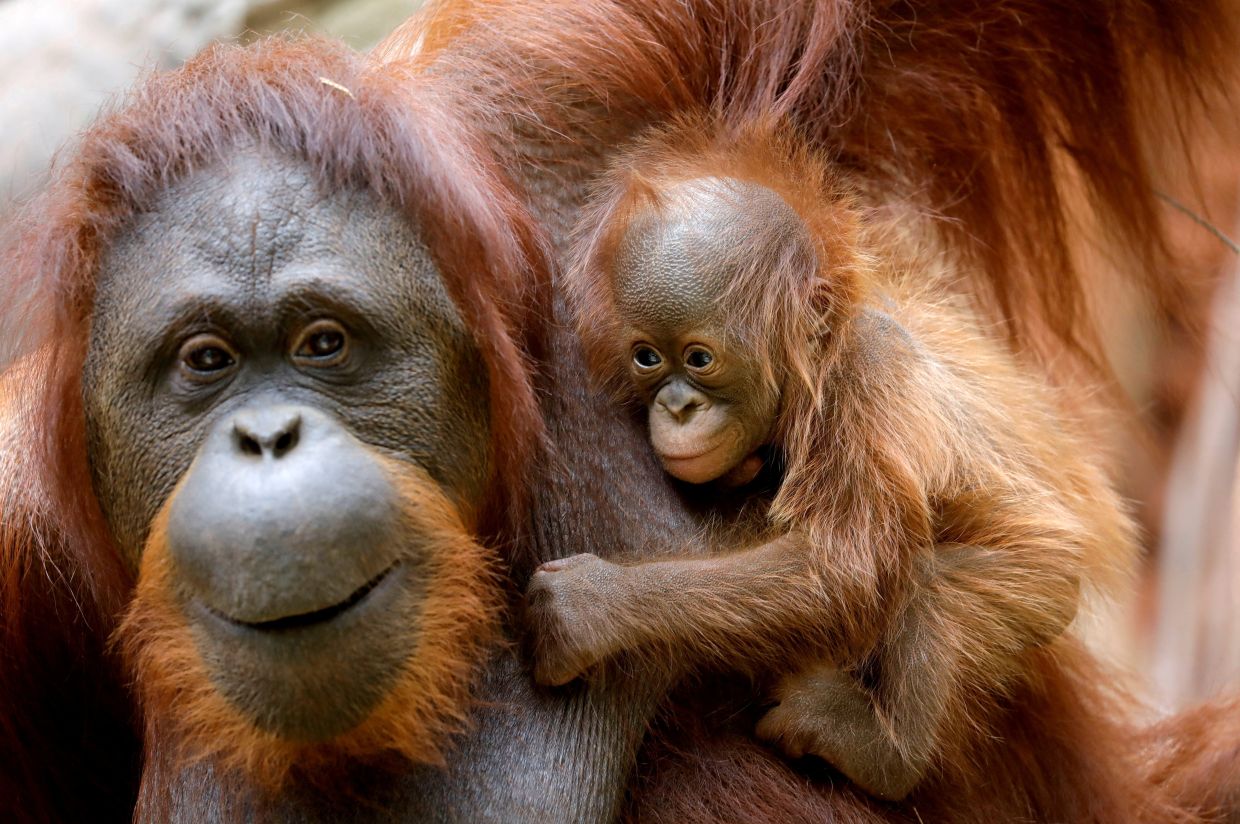
So what exactly is laughter?
"Laughter is a rhythmic vocalisation typically associated with positive social interactions such as play, in non-human animals," De Gregorio said.
"Laughter is thought to have evolved as a social signal that helps maintain positive interactions and strengthen social bonds. During play, it communicates that actions are friendly rather than aggressive, helping individuals engage in rough-and-tumble interactions without misunderstandings. In humans, laughter has taken on many additional social functions, but its origins likely lie in play," De Gregorio said.
Other animals besides great apes have behaviors akin to laughter.
"Whether other animals truly 'laugh' depends on how strictly we define laughter. Many mammals show play signals that appear to serve similar functions. Dogs, for example, display a characteristic 'play face' and produce a play panting vocalisation during social play. These signals help communicate playful intentions and indicate that interactions are non-aggressive. Similar play-associated vocalisations have been described in several other mammals," De Gregorio said. – By Will Dunham/Reuters