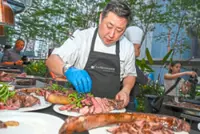
In the heart of the kitchen at Petaling Jaya’s Meat Feds, Yenni Law is hard at work. The seasoned chef’s face is a rictus of concentration as her knife slices cleanly through the sinew, fat and silver skin (tough, shiny membrane of connective tissue) lacing the flesh of a block of beef.
Law is something of a pro at butchering secondary cuts of beef, but even she admits that practice makes perfect.
“You really have to practise. And some bits are really tricky – sometimes fat looks like sinew, so you really have to be able to identify what is fat and what is sinew,” she says.
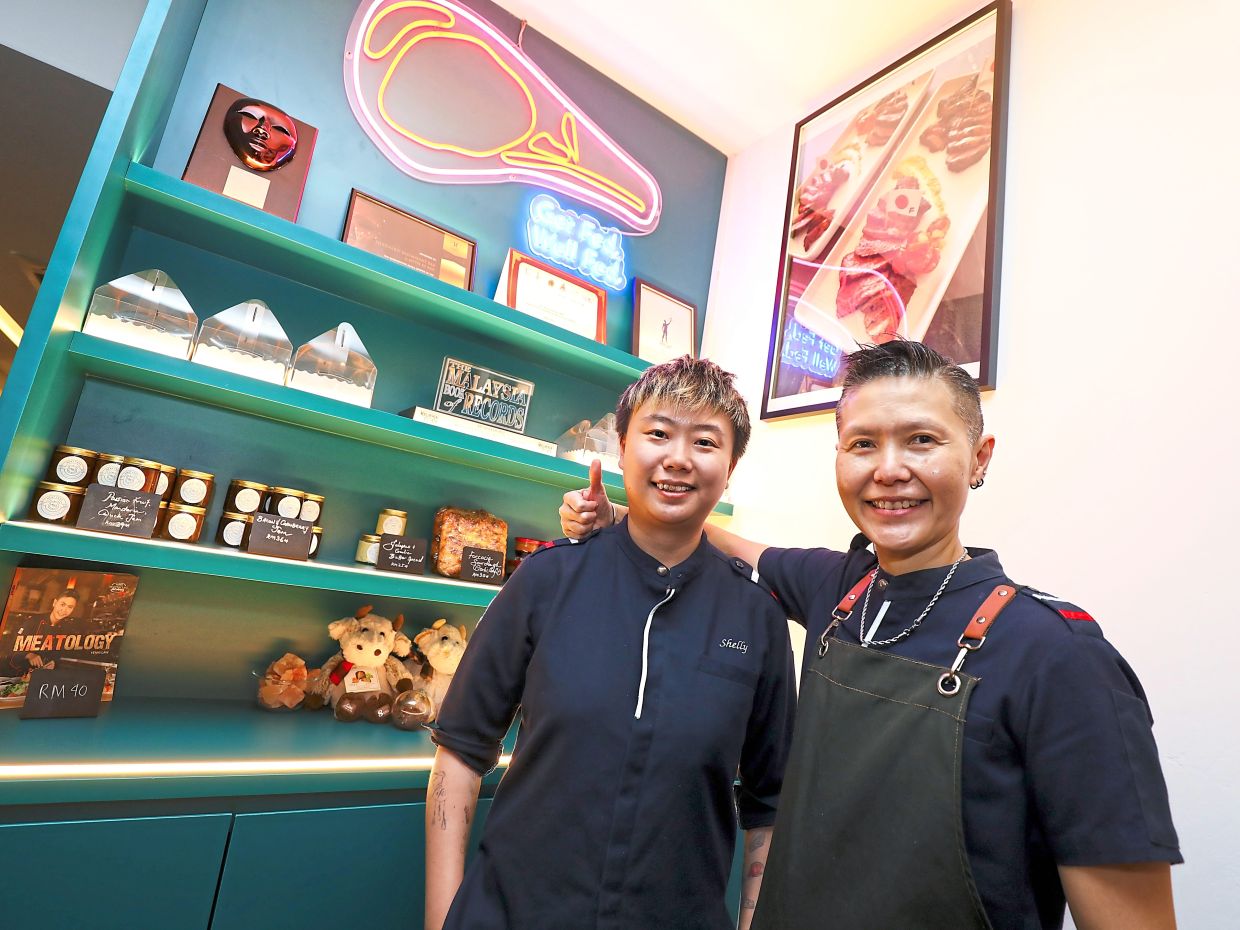
Law is a highly experienced chef whose restaurant is focused entirely on secondary cuts of beef. In fact, early this year, she and co-founder Shelly Saw were awarded a Malaysia Book of Records accolade for having the most secondary cuts of beef on a restaurant menu, clocking in at 20 different cuts.
While Law is still a relative unicorn in an industry where chefs have long prioritised prime cuts as their lead stars, slowly but surely secondary cuts of beef are gaining traction among chefs and restaurateurs in the Malaysian dining landscape.
What are secondary cuts?
While Malaysians are currently the biggest consumers of beef in South-East Asia, the demand for steaks has typically been centred around the holy trinity of prime cuts – striploin, tenderloin and ribeye – incidentally also the most expensive cuts.
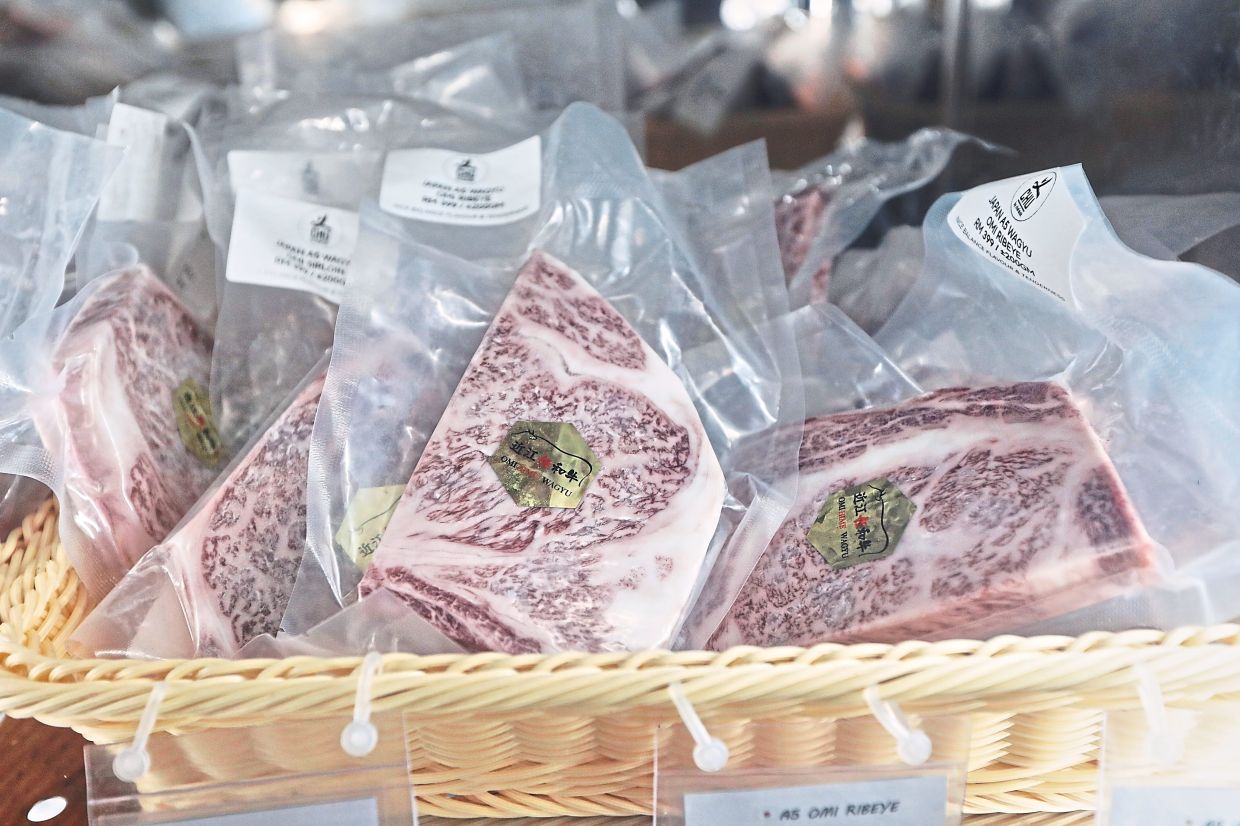
Prime cuts make up about 8% to 10% of a cow’s total utilisation, while secondary cuts make up the rest (approximately 80% to 90%). Because there is such a high demand for prime cuts, secondary cuts often end up turned into minced meat and products like burger patties and sausages, which means consumers often don’t even know what their flavour or textural profile is like.
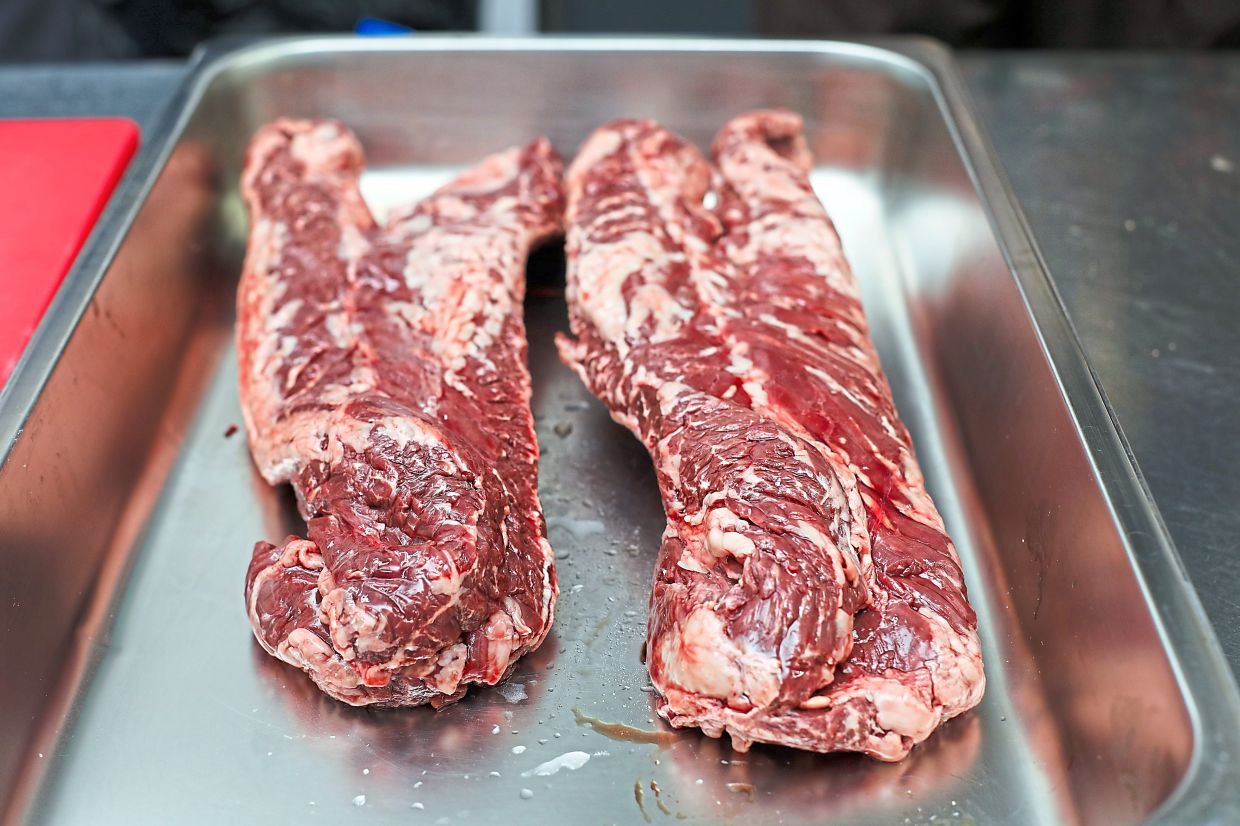
Secondary cuts can take the form of: flat iron (derived from the beef shoulder), flank (a lean cut from the abdominal muscles), rump (from the hindquarters of the cow), hanging tender (a cut from the diaphragm), outside skirt (from the diaphragm muscle), inside skirt (from the cow’s plate primal), chuck primal (from the shoulder and neck region) and picanha (sourced from the top rump cap) – to name a few.
Secondary cuts gaining an edge?
In the past year or so, there has been a shift in the dining ecosystem in the Klang Valley.
It hasn’t happened overnight, but in small, subtle ways, secondary cuts of beef have been gaining momentum in mid-range and high-end restaurants in the city.
This has partly been spurred by events, seminars and sharing sessions organised by entities like Meat & Livestock Australia (which regulates meat standards for Australian and international markets) and meat distributors like Lucky Frozen Sdn Bhd.
At many of these events, secondary cuts of beef have been prioritised and treated like lead stars, served as succulent steaks and designed to steal the thunder.
This targeted marketing and education has been instrumental in shifting perceptions and opening many restaurateurs’and chefs’ minds to the idea that secondary cuts can have “main star energy”, as Law puts it.
It’s also a very effective form of infiltration and market penetration, one that has been done very successfully before in other countries with other ingredients.
In Japan, for instance, Norway’s Minister of Fisheries launched an intensive campaign to introduce Norwegian salmon to the Japanese market in the 1980s. At that point, Japanese chefs were very dismissive of salmon and barely used it in the cuisine, but fast forward a few decades later and salmon sushi is now the top sushi topping in Japan.
“As of late this year, I think there are more restaurants serving secondary cuts because organisations like Meat & Livestock Australia are actively promoting them by holding events and even classes with their master butcher sharing how to use these cuts.
“I attended one a few weeks ago and I brought the whole team there so they could learn from the experts and take notes on how to trim the fat faster. These events also serve as a form of check and balance for me to see whether I’ve been processing the cuts correctly,” says Law.
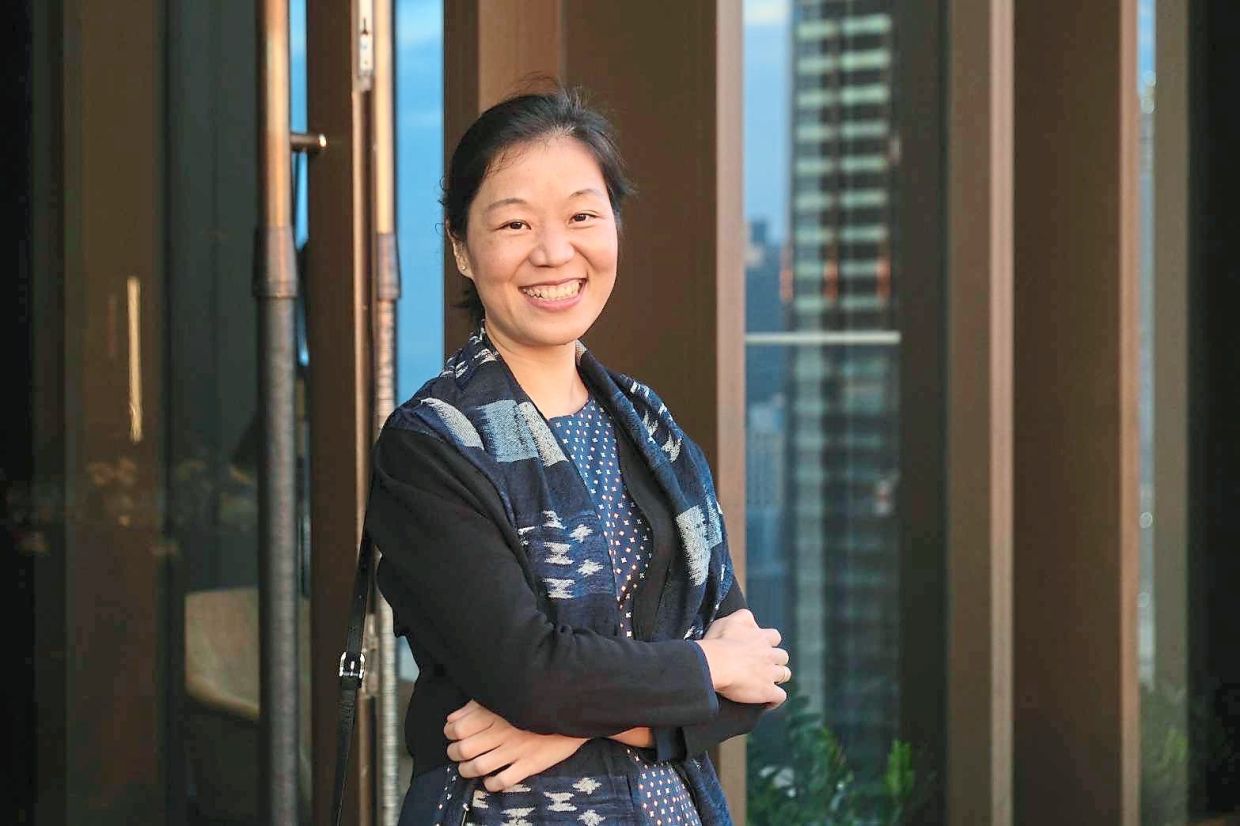
Valeska V, the regional manager for South-East Asia for Meat & Livestock Australia, says events like this help chefs realise the potential outside of prime cuts and gives them real opportunities to learn how to treat these cuts that they might otherwise potentially simply disregard.
“Prime cuts are probably the most tender part of the animal and are relatively simple to prepare, so this makes it easy and attractive to both chefs and consumers. But as chefs and as consumers become more sophisticated, they might accept something different.
“Also now in the market, there’s a bit more pressure around pricing, so that’s when there is the opportunity to explore all the other cuts.
“So we do a lot of education and engagement with chefs to try and get them to understand the different cuts,” says Valeska.
Another reason for this growing interest in secondary cuts? They offer a much better value-for-money proposition for both chefs and diners.
Secondary cuts can be anywhere from 20% to 60% cheaper than prime cuts (that often means hundreds of ringgit worth of savings per serving), offering an easier-on-the-wallet option than the more prized beef cuts.
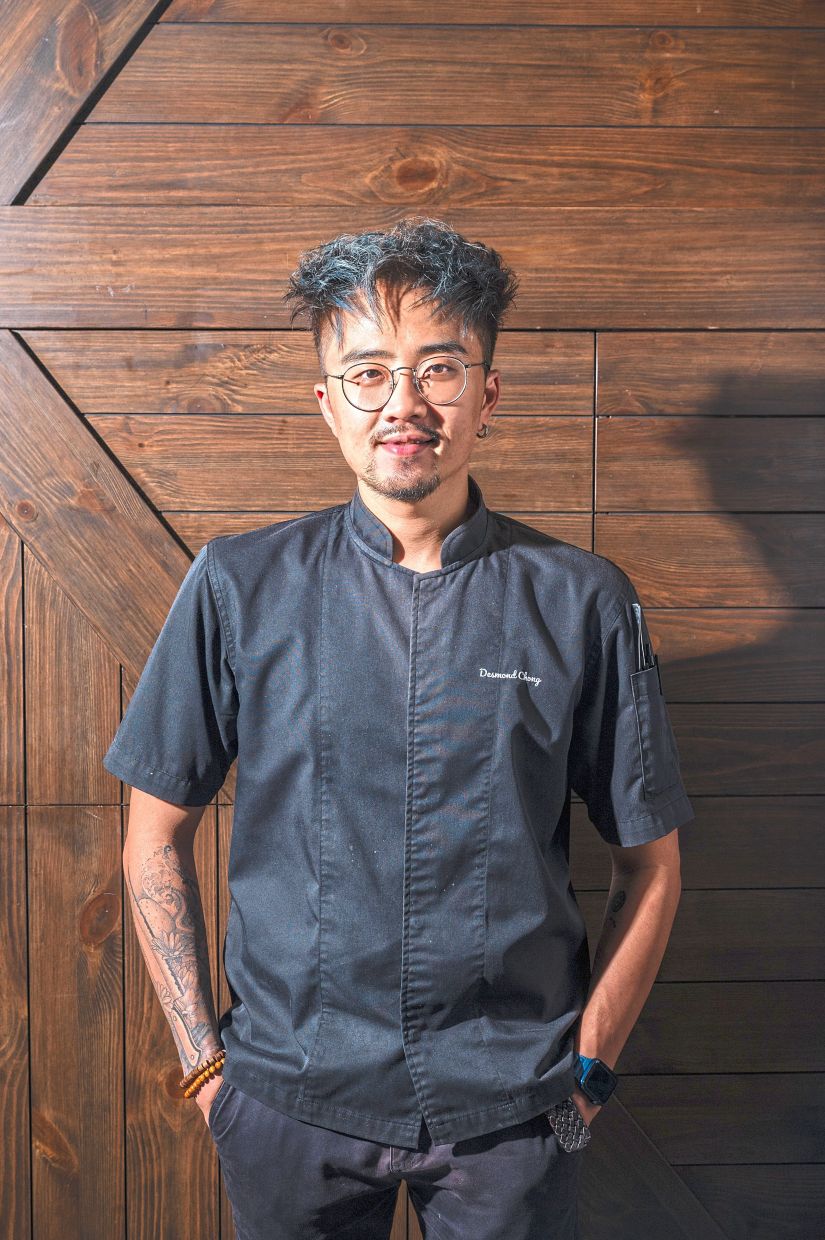
Desmond Chong, the head chef of the woodfire grill restaurant Ignis KL, now stocks three to four different secondary cuts of beef on his menu, something that he believes more chefs are interested in doing simply because it cuts costs and helps mitigate the fact that the price of prime cuts has soared as a result of the global oil crisis and worldwide beef scarcity.
“Prime cuts are a bit out of stock now and the price of these cuts has gone up by about 30%, whereas secondary cuts haven’t been hit with a huge price increase, like maybe only about 10%, so the situation has forced many chefs to look at secondary cuts,” says Chong.
James See, the business development director of meat distributor Lucky Frozen Sdn Bhd, says that given the global beef shortage and the corresponding stable appetite for beef in Malaysia, it makes sense to navigate the situation by introducing diversity in beef consumption.
“I do think that it makes us more resilient to beef inflation in general. We should utilise the whole carcass and find value in other cuts,” he says.
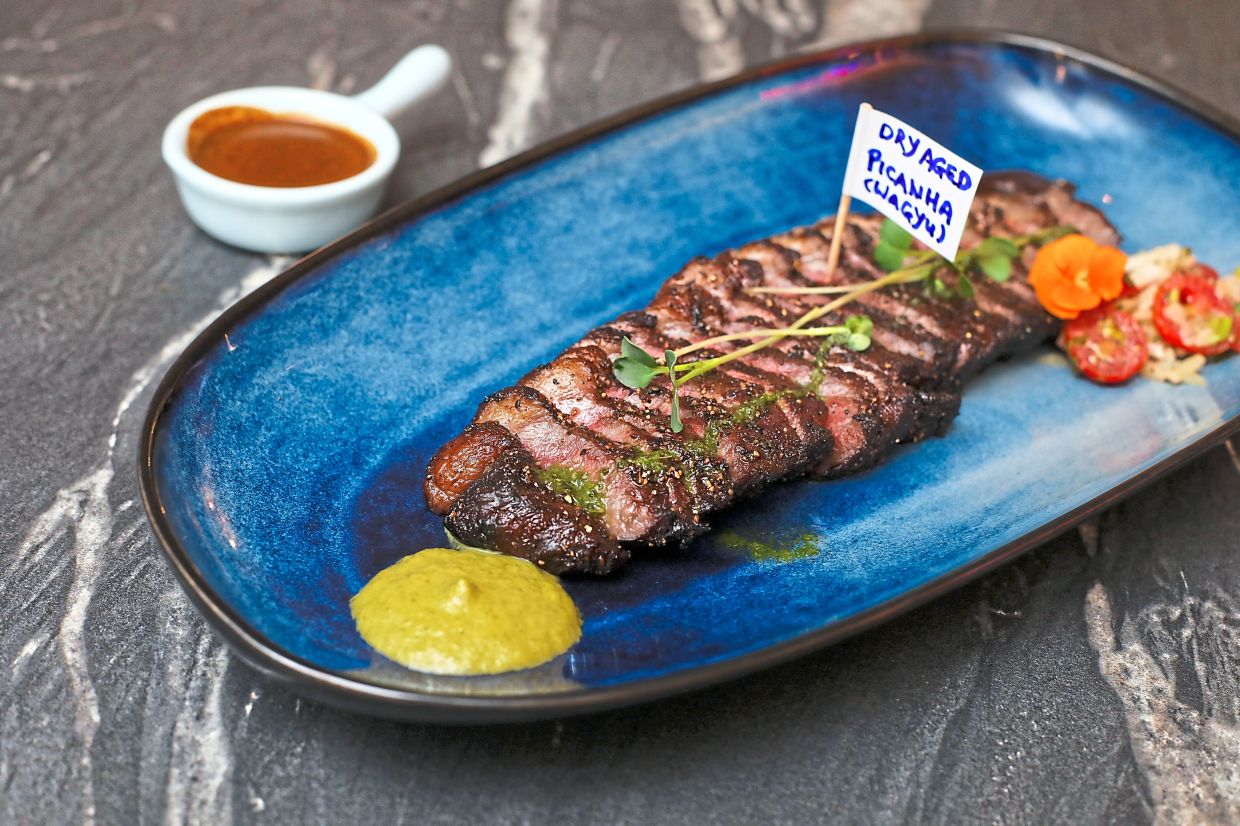
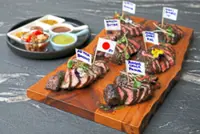
Secondary cuts also deliver different textural and flavour profiles – offering a broader spectrum on the taste front. At Law’s restaurant, for example, she serves a large platter of different cuts like butcher’s cut, chuck primal, brisket, picanha and short rib, to name a few – all of which deliver strong bovine flavours and different levels of bite, chew, bounce, malleability and tenderness.
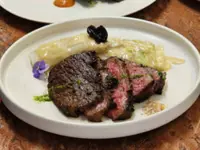
At Ignis, Chong makes charcoal-fired short ribs, flat iron steaks and even lamb rumps with beautifully charred exteriors and silken mouthfeels that feel just as sumptuous as a prime cut without being overly opulent.
Challenges with secondary cuts
While it might seem like a simple solution for restaurateurs to simply widen their beef stable by including secondary cuts, one of the biggest challenges these cuts pose is that they come with a steep learning curve. Chefs have to spend time learning how to process these cuts, which typically contain more sinew, silver skin and fat than prime cuts.
Law, for example, experimented widely with secondary cuts two years before the advent of the Covid-19 pandemic and says that even now, her team spends a minimum of 10 hours a week just butchering and cleaning the secondary cuts at her restaurant.
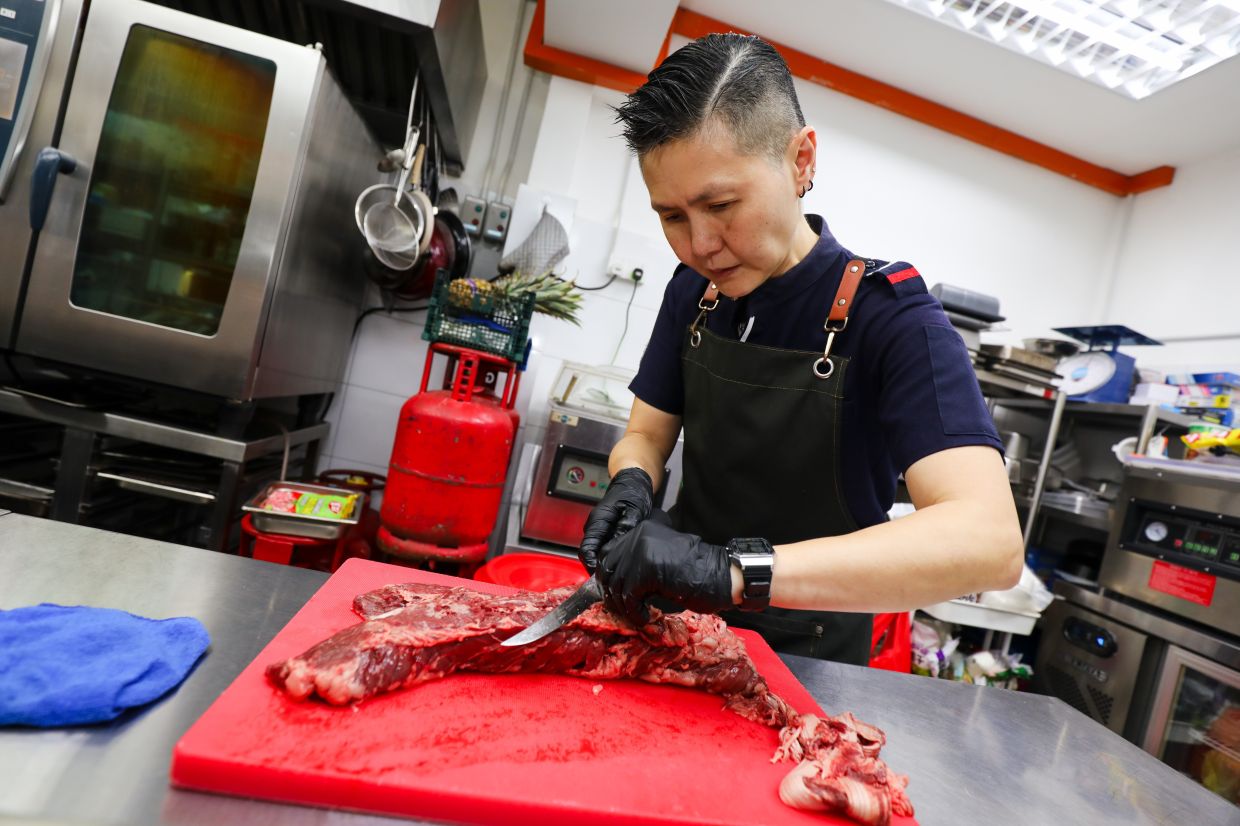
“So there are certain parts we need to remove, like the silver skin with the fat that is sitting on top of it because if not removed, it’s very tough to bite through. With secondary cuts, there is silver skin and a tiny little bit of sinew running through the meat that is very hard to get to. If we were to dig it out, it’s just going to destroy the meat altogether. So sometimes we leave it there, but I can say that it’s been cleaned to about 90% perfection,” says Law.
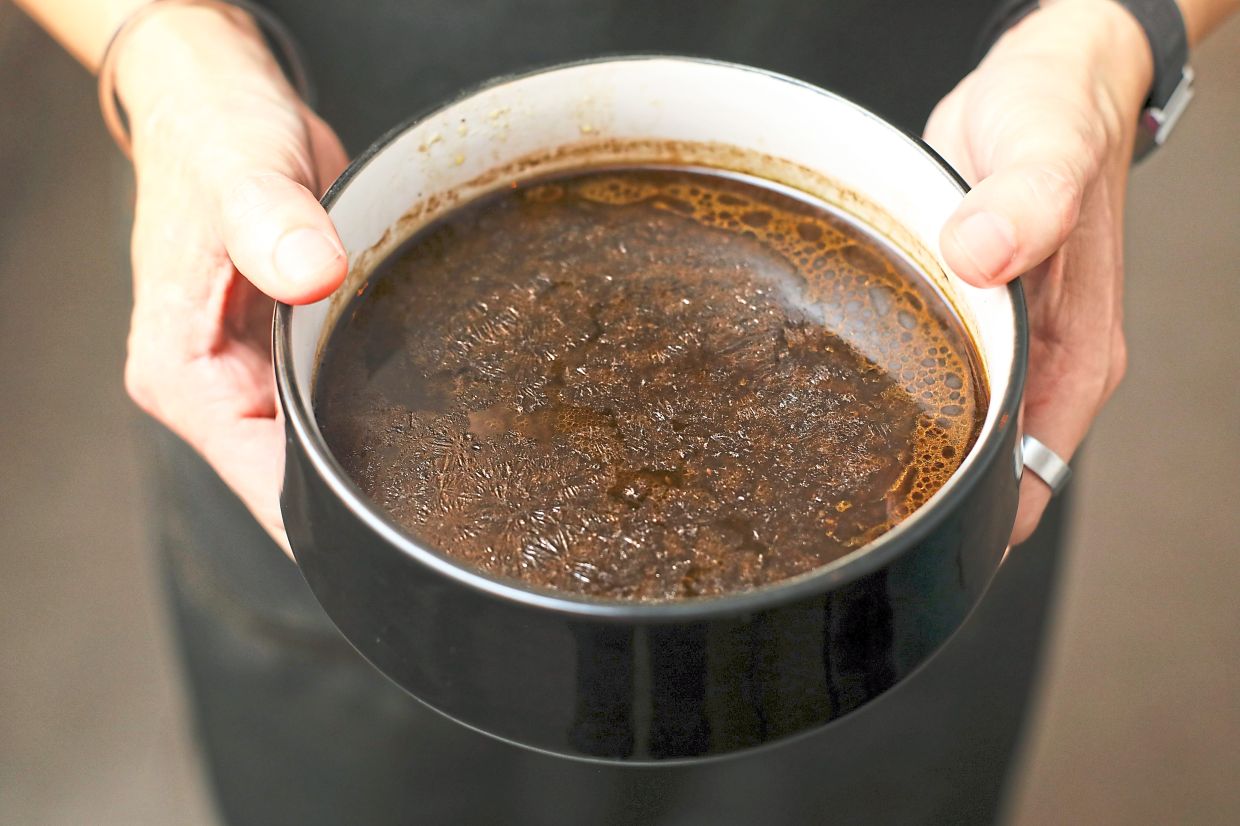
Having removed all the fat and sinew, Law says the wastage from the trimmings can add up to 20% of the total weight of the cut, which means restaurants will typically only end up with 80% of what they started out with, rendering a fair amount of wastage (Law turns all the trimmings into a master beef stock).
For many chefs, learning how to butcher secondary cuts often involves a lot of trial and error. Chong, for instance, spent countless hours on YouTube figuring out how to process these cuts before trying it himself and then passing on everything he learnt to his team.
“It took me about four months to understand the structure of the meat and also to practise how to cut the meat before I trained my team.
“But I think being a chef is about non-stop learning. Even as a head chef now, I’m still learning about new things on the market,” says Chong.
Despite all its positive elements, secondary cuts’ popularity in Malaysia seems to be focused predominantly in the Klang Valley only. Nicholas Thang, who runs steak-focused restaurant The Honest Butcher and also supplies meat to restaurants, says that he has found that there isn’t much interest in secondary cuts outside of central KL.
“We do supply to restaurants outside of KL and secondary cuts don’t sell there. Outside of KL, the people who are more affluent simply want the best. We had a yakiniku restaurant in Melaka that was really interested in secondary cuts – they really tried to push it at their restaurant, but the locals didn’t like it. They just wanted sirloin and tenderloin,” says Thang.
But given how much momentum secondary cuts have gained in the KL dining landscape this year, others are convinced that these cuts will continue to gain steam and become more popular in mid-range and high-end restaurants in KL and eventually trickle to other states in Malaysia.
“Yeah, so I think we are definitely seeing that growing interest and it’s also becoming a way where chefs use different parts of the animal to balance quality, profitability and overall innovation of their menu and dishes,” concludes Valeska.