They've been racing, and betting, on thoroughbreds at Aqueduct Racetrack in New York, United States since the late 19th century.
A gritty, rough-around-the-edges kind of place wedged into a bustling, blue-collar neighbourhood in South Ozone Park, Queens, it’s the state's only urban racetrack.Or it was.
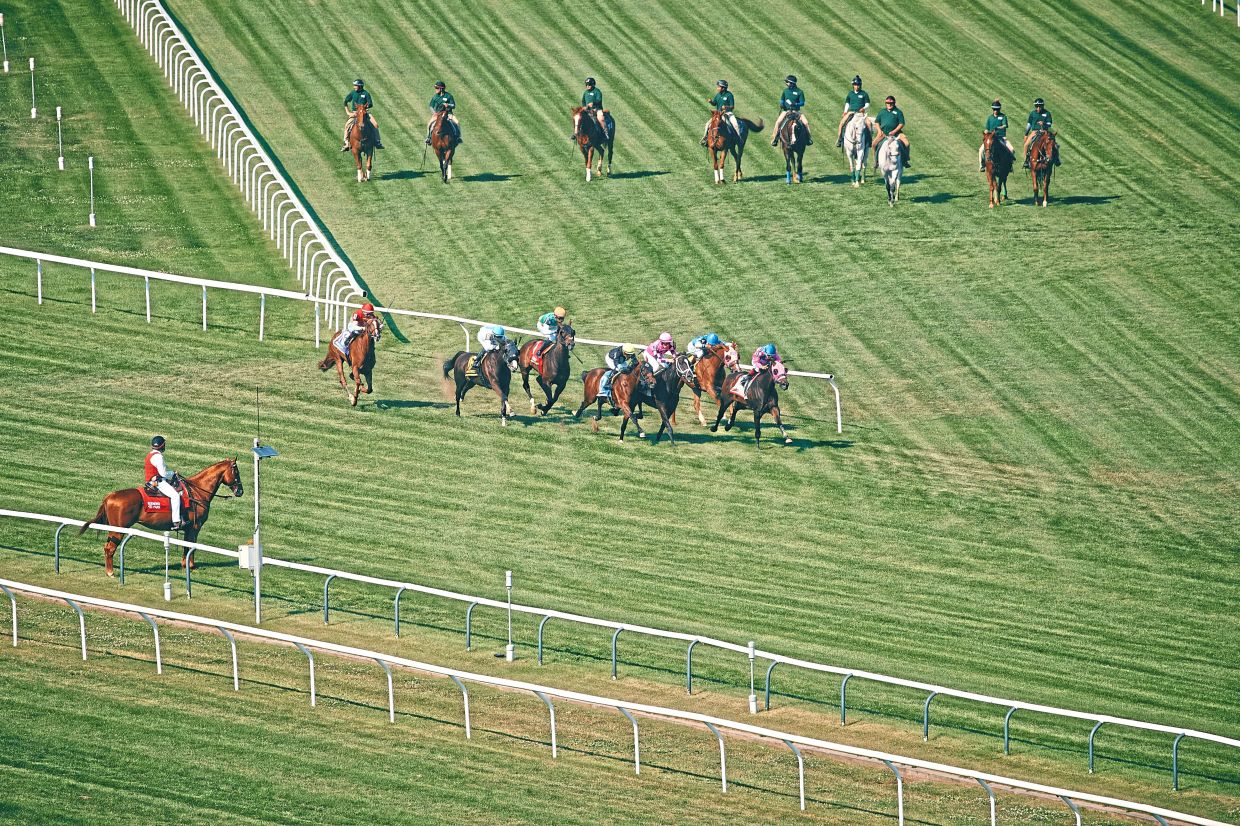
Recently, in front of a small gathering of diehard gamblers, railbirds and tourists lured by the spectacle of a funeral, the starting crew loaded the field into the gate for the last time at Aqueduct.
Like so many of the recently defunct thoroughbred tracks scattered across the US – in Miami (Florida), Chicago (Illinois), Los Angeles and San Francisco (California) – Aqueduct had fallen on hard times in recent decades.
The facilities, largely untouched for years, are dilapidated, the once-bright colours faded. The crowds of handicappers, while passionate, are small.
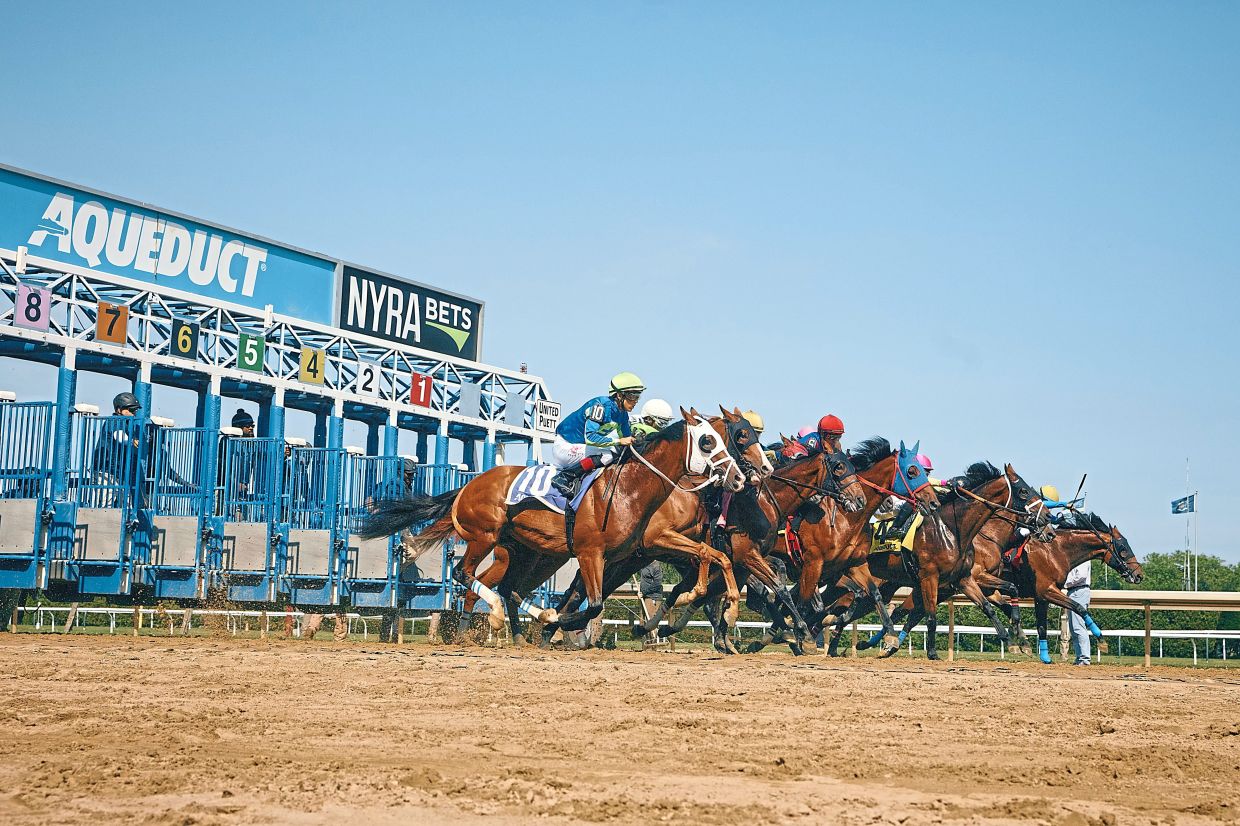
So too are the race prizes for winning horse owners. They, in turn, stabled fewer and fewer horses on the grounds there. Most of them are slow or old or cheap – or some combination of all those things.
Last Sunday's (June 28) final race was fitting that way.
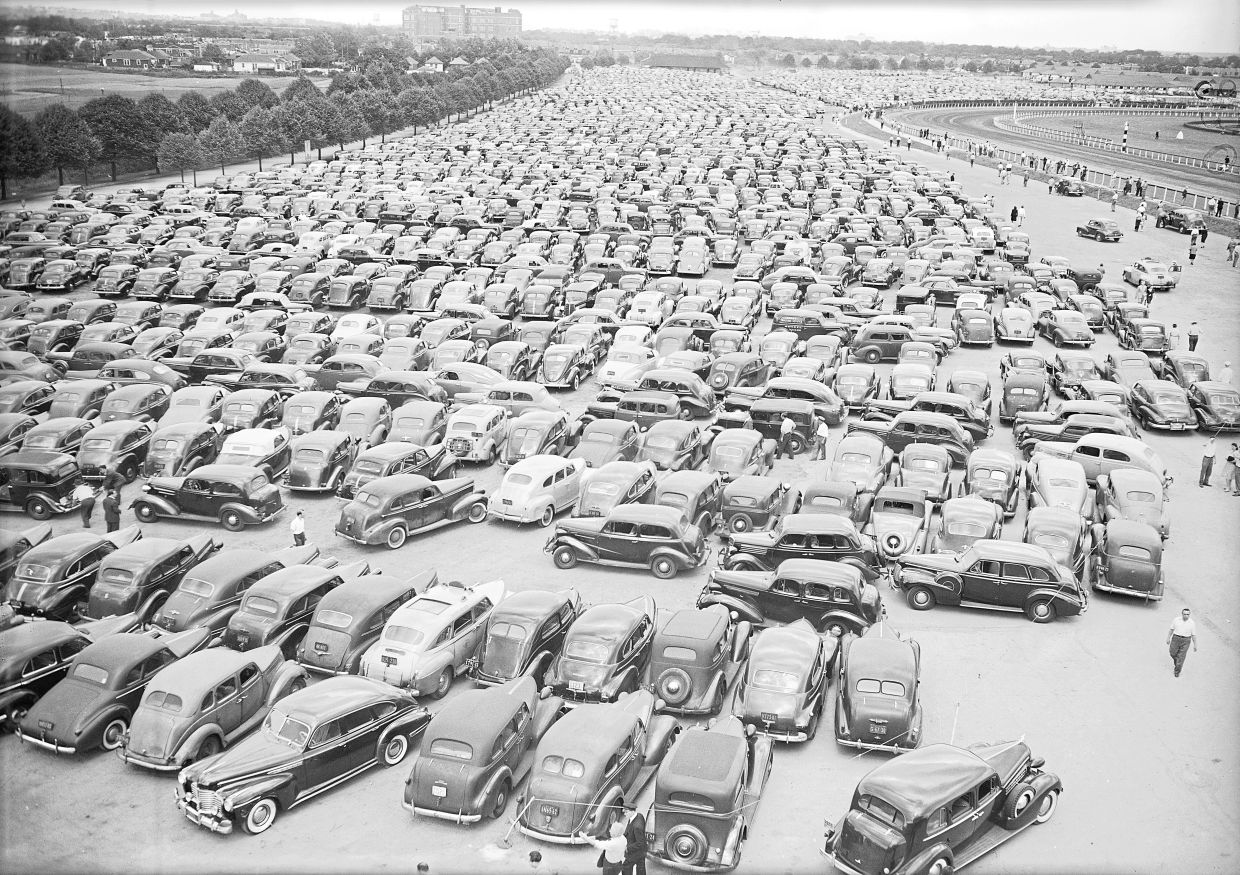
But back when the racetrack was the US' gambling vice of choice, the Big A’s grandstand was packed solid, day after day.
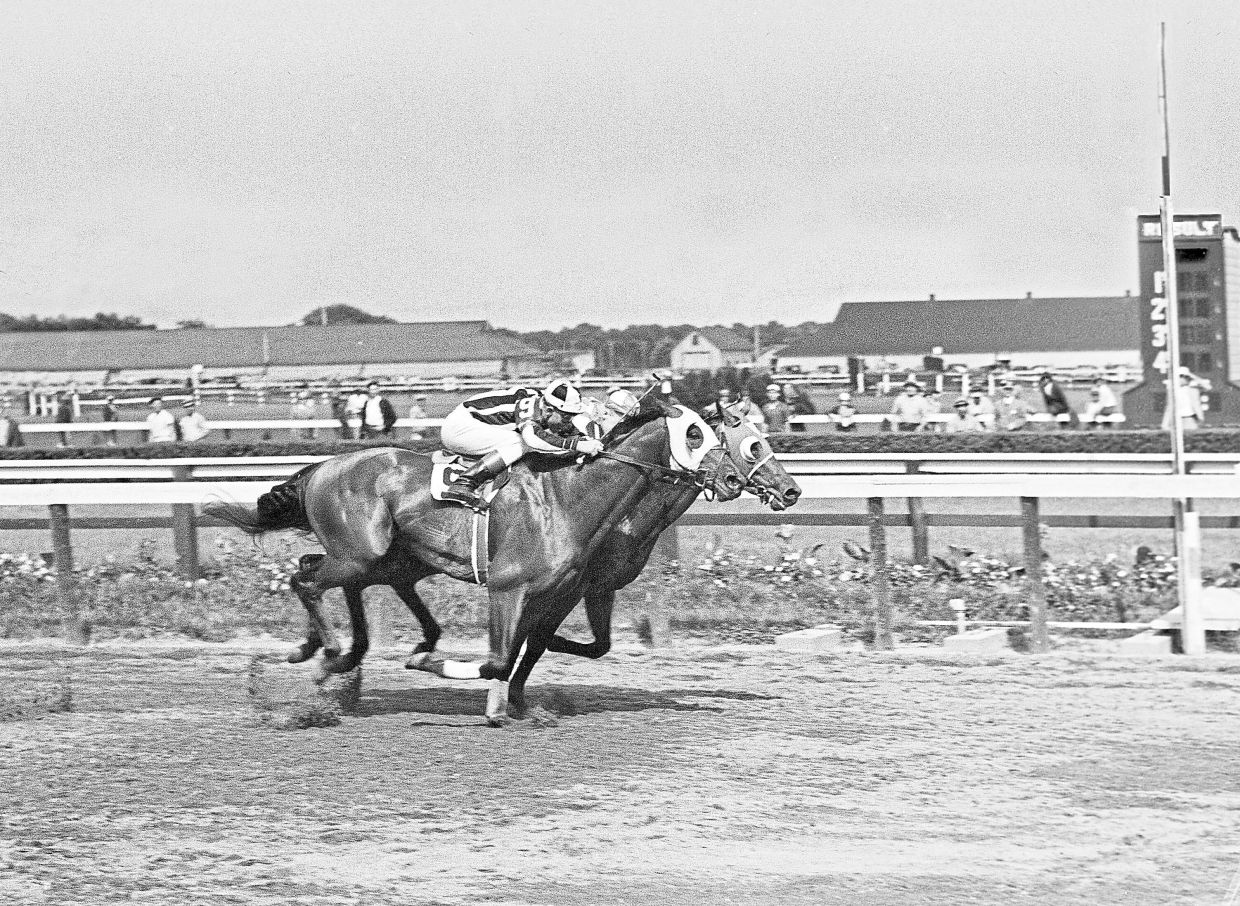
First opened in 1894 and then remodelled in the 1950s, it drew many giants of the game. Man o’ War, considered in some circles to be the "greatest American horse of all time", won three times over the Aqueduct strip. A couple decades later, the country’s Depression-era idol, Seabiscuit, paraded into the winner’s circle there, too.
In 1974, the brilliantly fast but star-crossed filly Ruffian racked up the first of her five tour de force wins there.
And a couple summers before that, a young colt by the name of Secretariat made his career debut. He was handily defeated that day, as he was again just weeks before his record-shattering Triple Crown romp.
In fact, nine of all 13 Triple Crown winners raced at some point or another at Aqueduct.
Tellingly, though, none of the last three did. By the time the very last of them, Justify, came along in 2018, Aqueduct was in such deep decline that New York racing officials had turned over much of the grounds to a casino operator.
Consumed by a casino is an appropriate ending for Aqueduct, given the broader economic forces at work.
It was the sudden boom in casinos in the late 20th century that in many ways loosened horse racing’s grip on the American betting public.
Then came the never-ending proliferation of state lotteries, the legalisation of sports gambling and, now, the arrival of prediction markets.
In this shrinking landscape, there was no room for Aqueduct, as New York officials saw it. Certainly not with a futuristic Belmont Park nearing its grand re-opening just down the road in Long Island after a half-billion-dollar facelift that will allow year-round racing.
Saratoga will get the prime summer weeks of the racing season, Belmont will get all the other months, and Aqueduct will get bulldozed. – Bloomberg