
When redoubtable chef Raymond Tham first started Skillet 11 years ago, the restaurant was one of the few eateries in the Klang Valley dining landscape that offered European-style degustation menus.
Tham was in rarefied company, which also meant few Malaysians had a clue what he was doing. Like many pioneers, his restaurant was at the forefront of change but was also deeply misunderstood. And yet Tham kept soldiering on.
In a decade, many things can change – and so they have. Tham has since gone on to open multiple other restaurants with his partners under the auspices of the Karls Group – including modern Malaysian restaurant Beta.
Through the wonders of travel and increasing wealth, Malaysian palates have matured and Tham’s particular brand of culinary creativity has become celebrated in its own right.
But even with all the success and glory, Tham hasn’t forgotten his first “child”, which he continues to tend to as lovingly as though it were his only child.
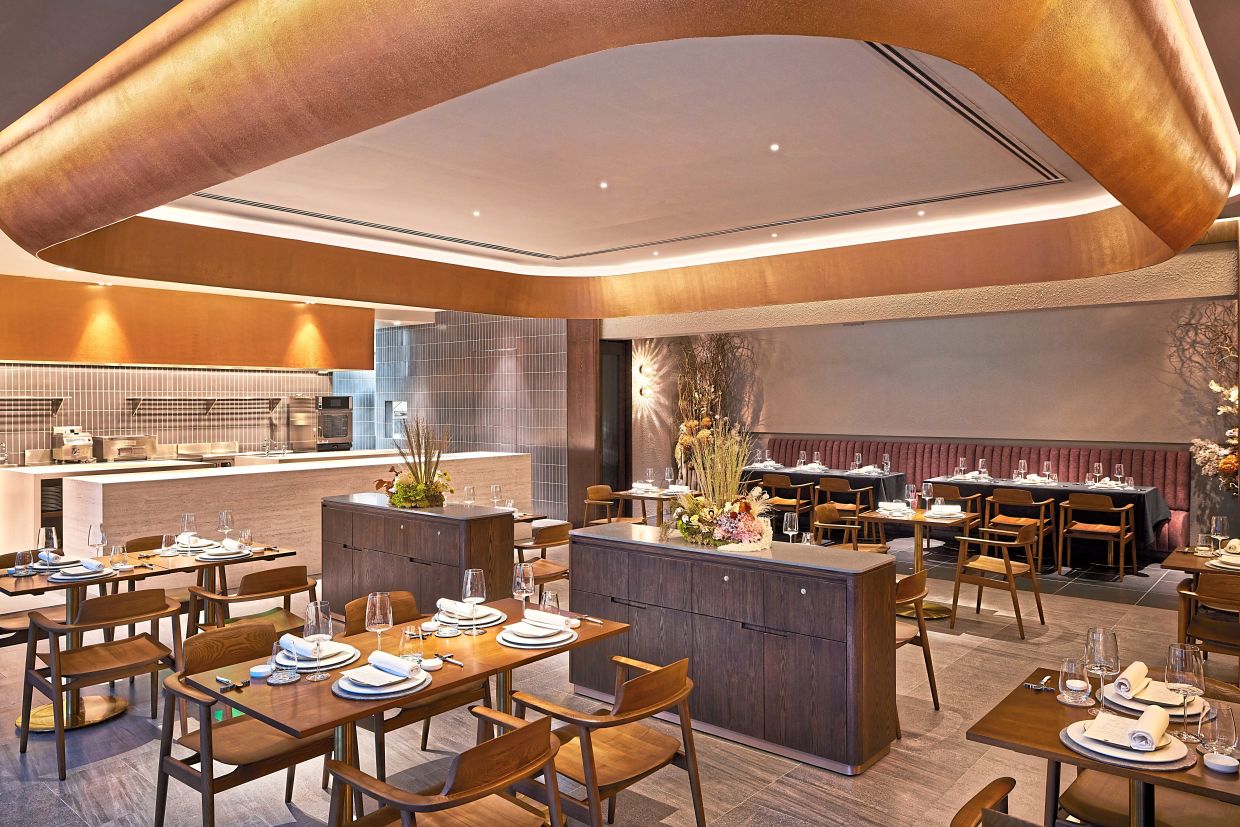
In 2024, he gave Skillet a new home, refreshed and renewed in a sprawling space in Kuala Lumpur’s Menara Hap Seng 3.
He has hired new Swedish sous chef Eric Lichtenstein (a top 10 finalist on MasterChef Sweden) to join his protégé and chef de cuisine, Eric Lee, in the kitchen, ensuring legacy and a breath of fresh air continue to have meaningful conversations with each other.
As the years have progressed, Tham has also grown alongside the Malaysian F&B ecosystem and while he once imported most of the produce on the menu, these days at least 75% of the ingredients at Skillet are proudly local.
“When I first started Skillet, we brought in more imported produce. But 11 years later, agriculture in Malaysia is more mature ... and I think we’re producing more passionate local farmers. Some have even started growing ‘European’ vegetables like Jeru-salem artichoke and kohlrabi.
“While Skillet still focuses on European flavours, we want to use as much local ingredients as possible, so we now work with small start-up suppliers and farmers because we want to support the community,” says Tham.
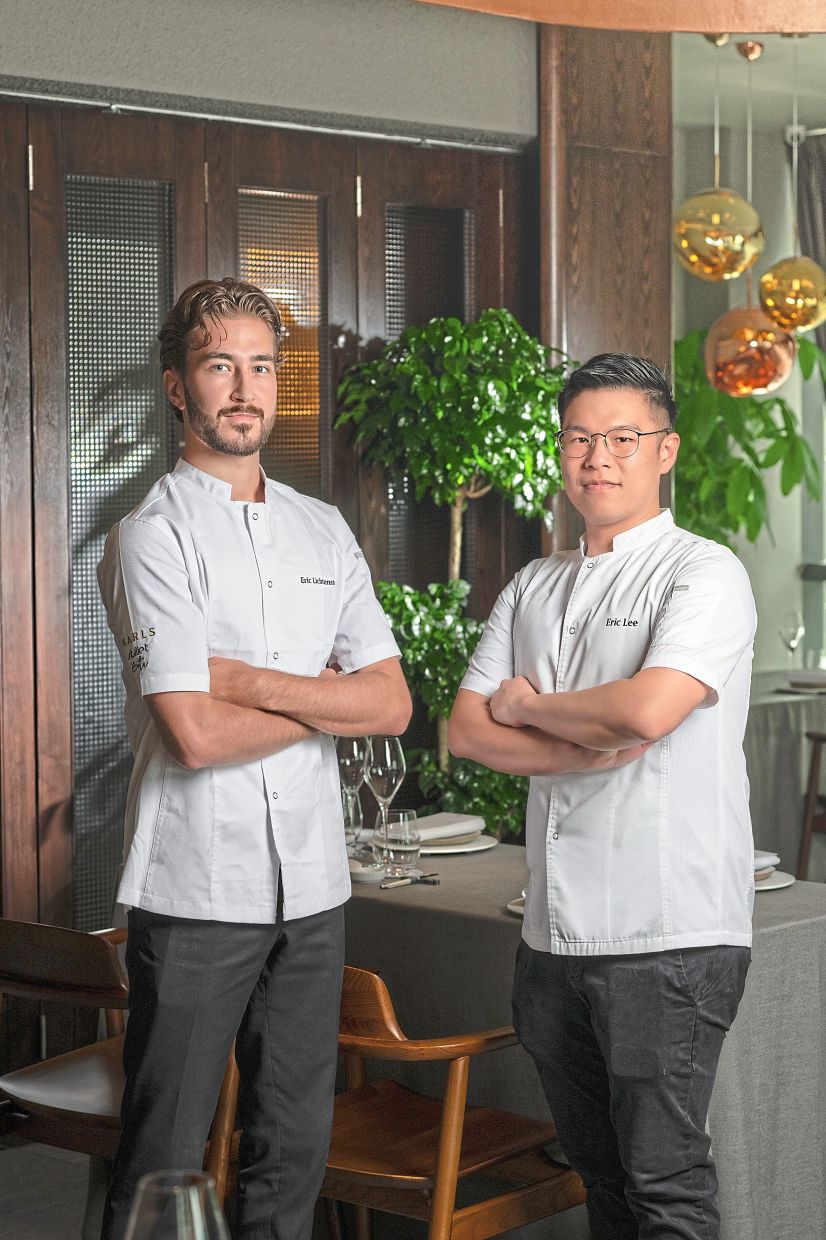
Skillet’s new summer degustation menu, called “Midsummer Terroir”, is priced at RM530++ per person and is a sunshine-laced affair packed with local ingredients with European-centric techniques and flavours embedded throughout.
Lichtenstein’s influence has also made its mark and there are now traces of Nordic elements scattered strategically through the menu.
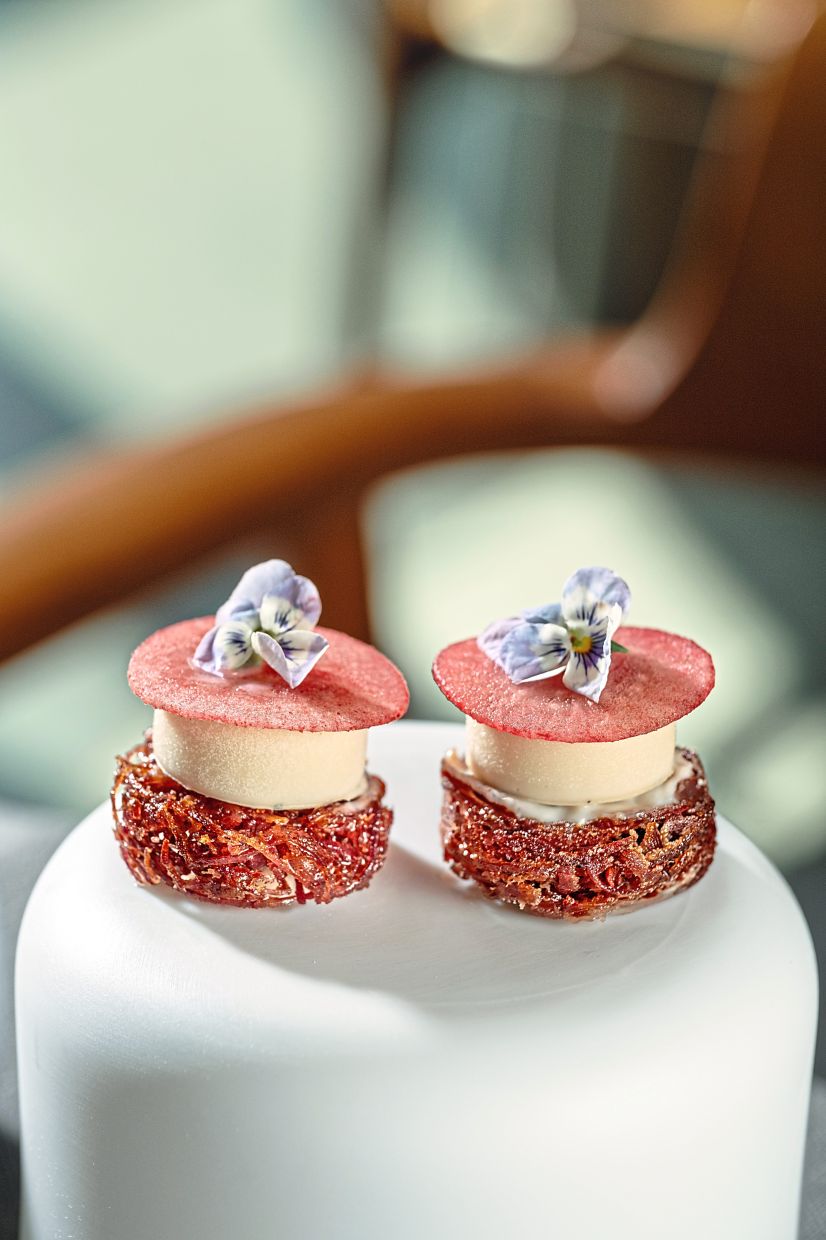
Highlights from the menu include the amuse bouche of Sweet Potato Raggmunk with banon (traditional, soft-ripened French cheese) and Tualang honey (Malaysian wild honey from Taman Negara in Pahang).
Raggmunk is a classic Swedish potato pancake that has been turned on its head here by using sweet potato instead of a traditional spud.
This gives it sweeter connotations that are enhanced by the light, slightly astringent qualities of the honey in this configuration.
The Striped Jack with kombu, dill and pomelo is another winner that highlights Scandinavian nuances and fresh flavour profiles.
The fish is the breakaway star here, offering supple, silken nuances on the palate that are complemented by the deeply herbaceous notes of the dill and the fruity, floral pops of vivacity that the pomelos offer.
Next up is the Squid dish which makes use of charcoal- charred local squid (sotong jarum) accentuated by lemongrass and celtuce as well as the summer addition of a lavender glaze, which takes inspiration from the sun-drenched fields of lavender in Provence, France.
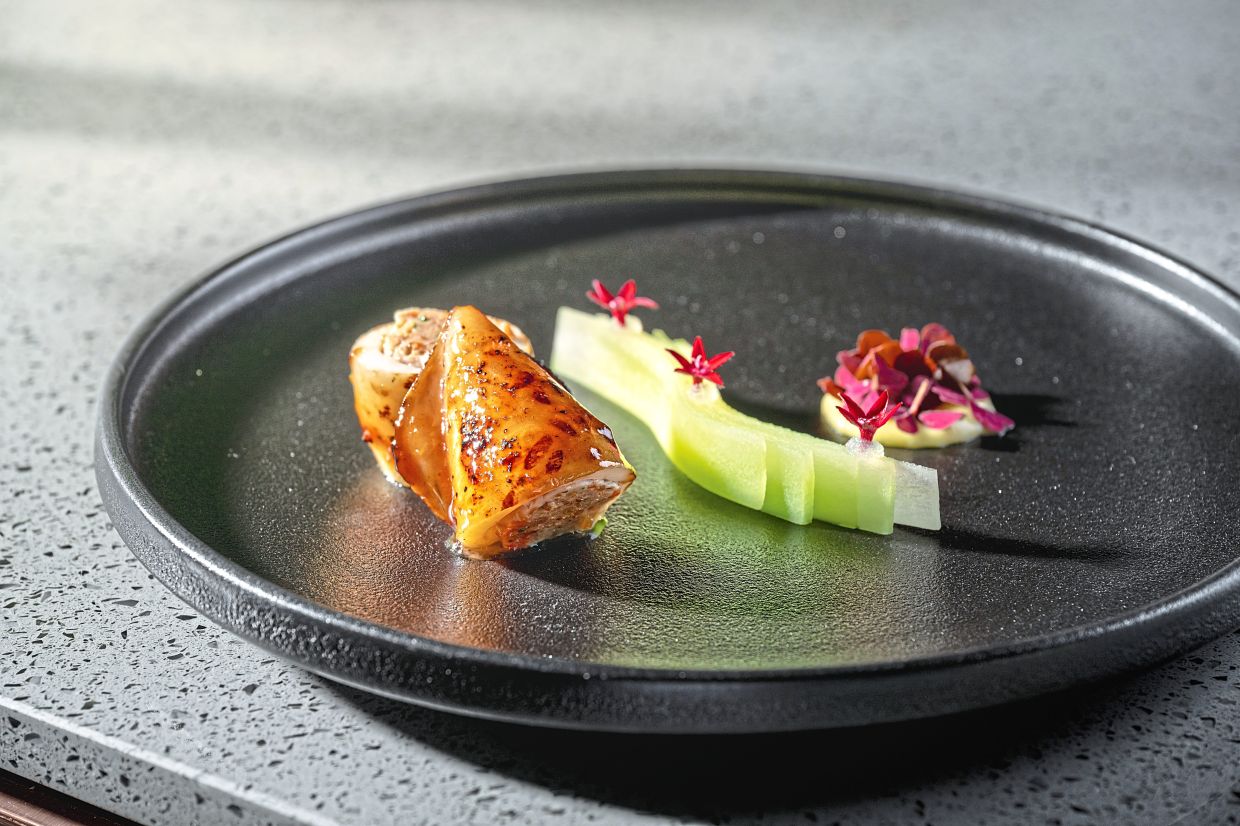
The result is a beautifully burnished squid that retains a youthful pep and spring in its step while advocating the floral glory of European lavender juxtaposed against the very South-East Asian backdrop of lemongrass.
If it sounds odd in theory, just remember that the things that do not make sense on paper can often be the most revelatory discoveries in real life.
For mains, there is the show- stopping Dry-Aged Duck Breast. Although Klang Valley’s fine-dining haunts have now all gotten the memo about the wonders of locally-bred duck, Tham was one of the earliest proponents of Penang’s Cherry Valley duck (a commercial strain of a duck developed in Britain).
As a result, he has had time to master its nuances, perfect both skin and flesh and stuff his duck tales with ancillary characters and plot twists aplenty.
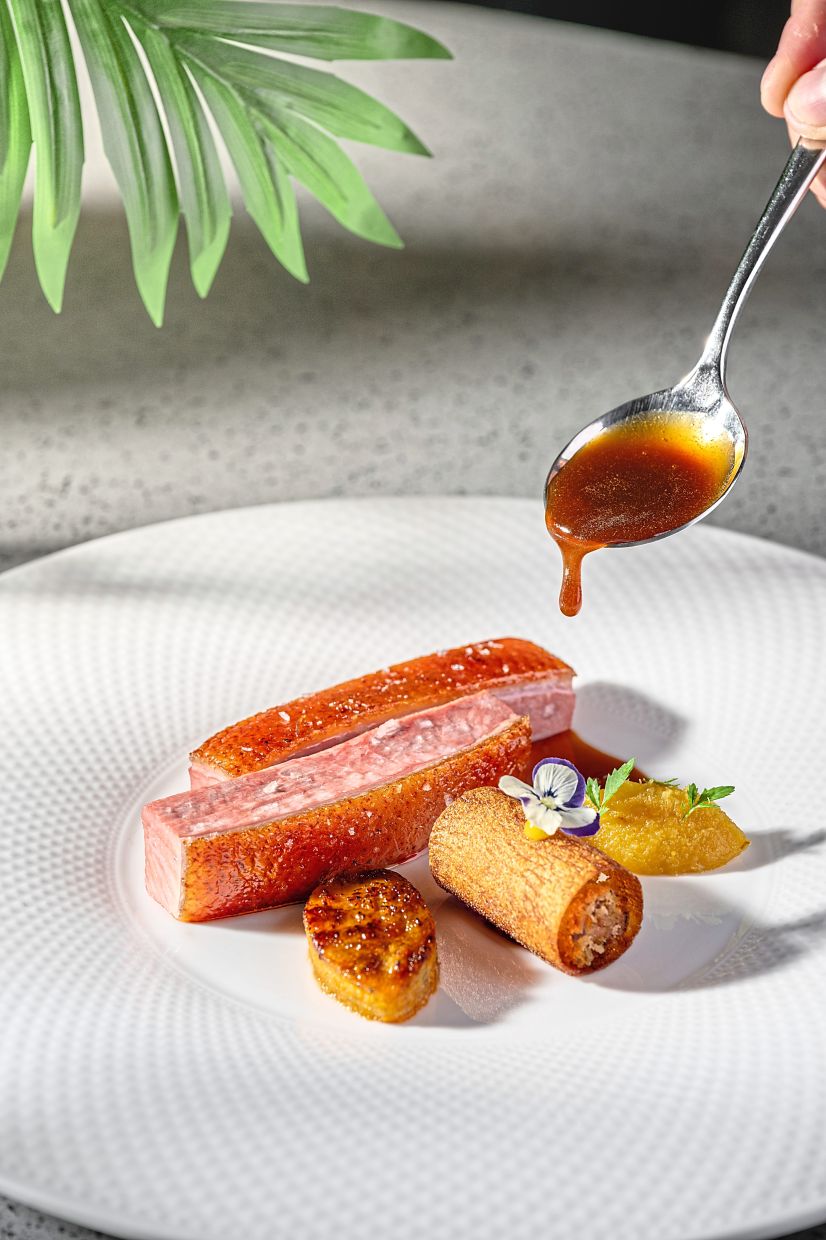
In its current incarnation, the duck is set off by a fermented MD2 pineapple, dauphinoise and kroppkaka (traditional Swedish potato dumpling).
In every good performance, there needs to be a lead star who sets high standards and expectations of what’s to come.
In this instance, this diva is the duck, which boasts golden brown, crisp, blistered skin and flesh that is tender and succulent to its very core.
The fermented pineapple makes for a dynamic side-kick, adding verve, funk and a potent sharpness to the meal.
For dessert, there is Tham’s famed Texture of Chocolate, an ode to his pre-Skillet days as a chocolate consultant.
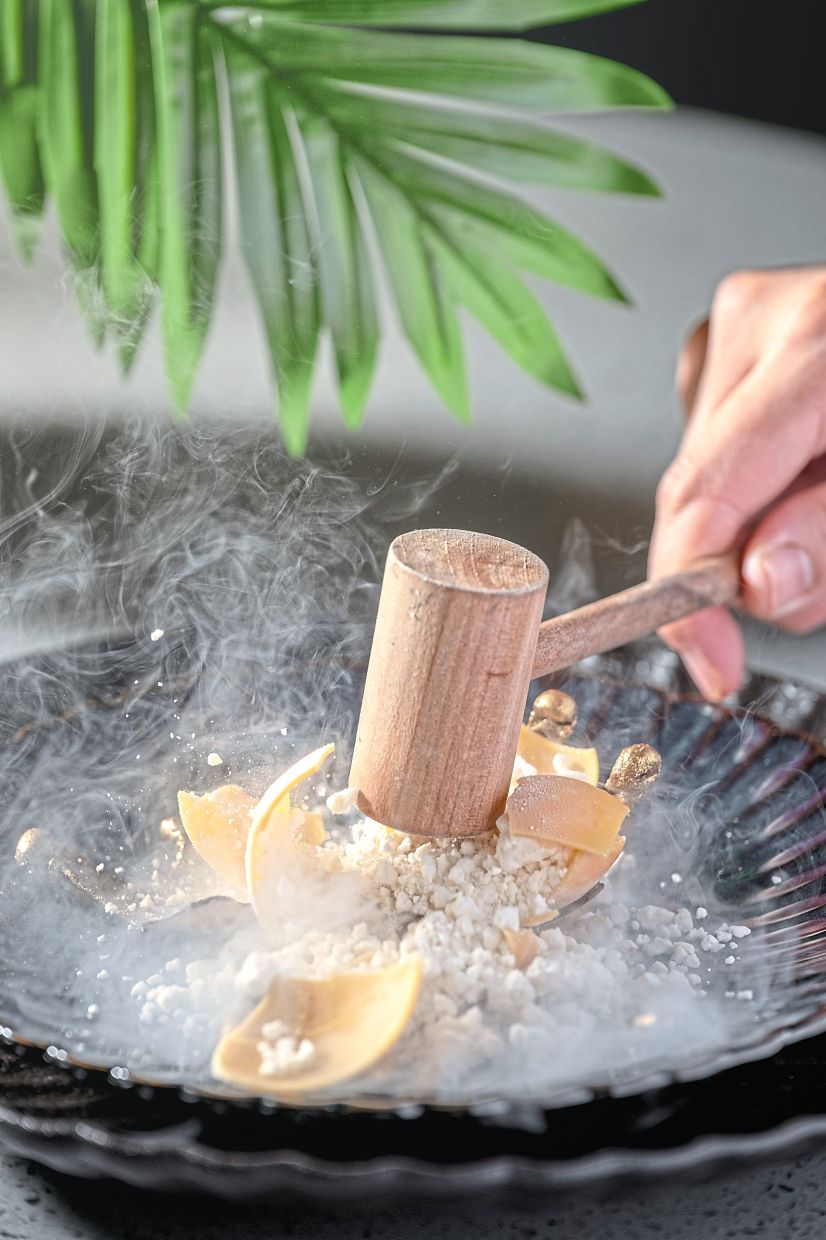
This is also the dish that has been an evergreen staple on the menu since the restaurant first opened.
Tham has done countless permutations of it over the past 11 years, changing bits and pieces with every passing season.
In its current incarnation, the blonde chocolate disc has lemon and smoked tea studded into its structural DNA. A mallet is placed on the table so you can hammer away at the globe and break it apart to reveal its heart and soul.
This is probably one of the lightest versions of Tham’s dessert – offering cleaner, leaner, more citrus-centric flavours that have the effect of giving the meal a very relaxed, summery epilogue.
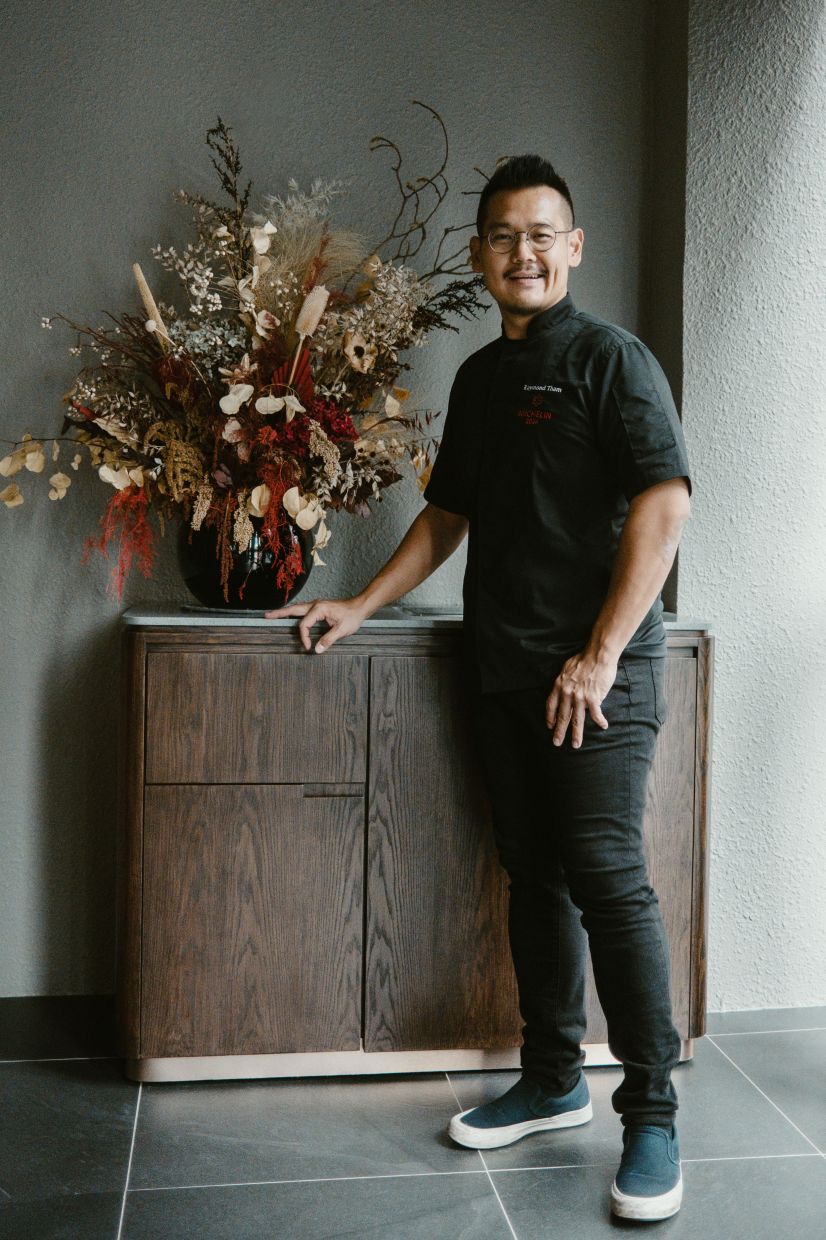
While Tham continues to keep Skillet close to his heart, these days he has taken on a more active mentorship role, a position he takes seriously – given that he was a culinary arts lecturer before helming restaurants.
“My role at Skillet is more like a mentor, so basically I set a direction and then both the Erics will propose ideas to me, then we discuss it, do the R&D and then come up with the menu.
“So the role that I want to play now is to mould more young chefs so that we have more talents in our country – that is something I am very passionate about,” says Tham.