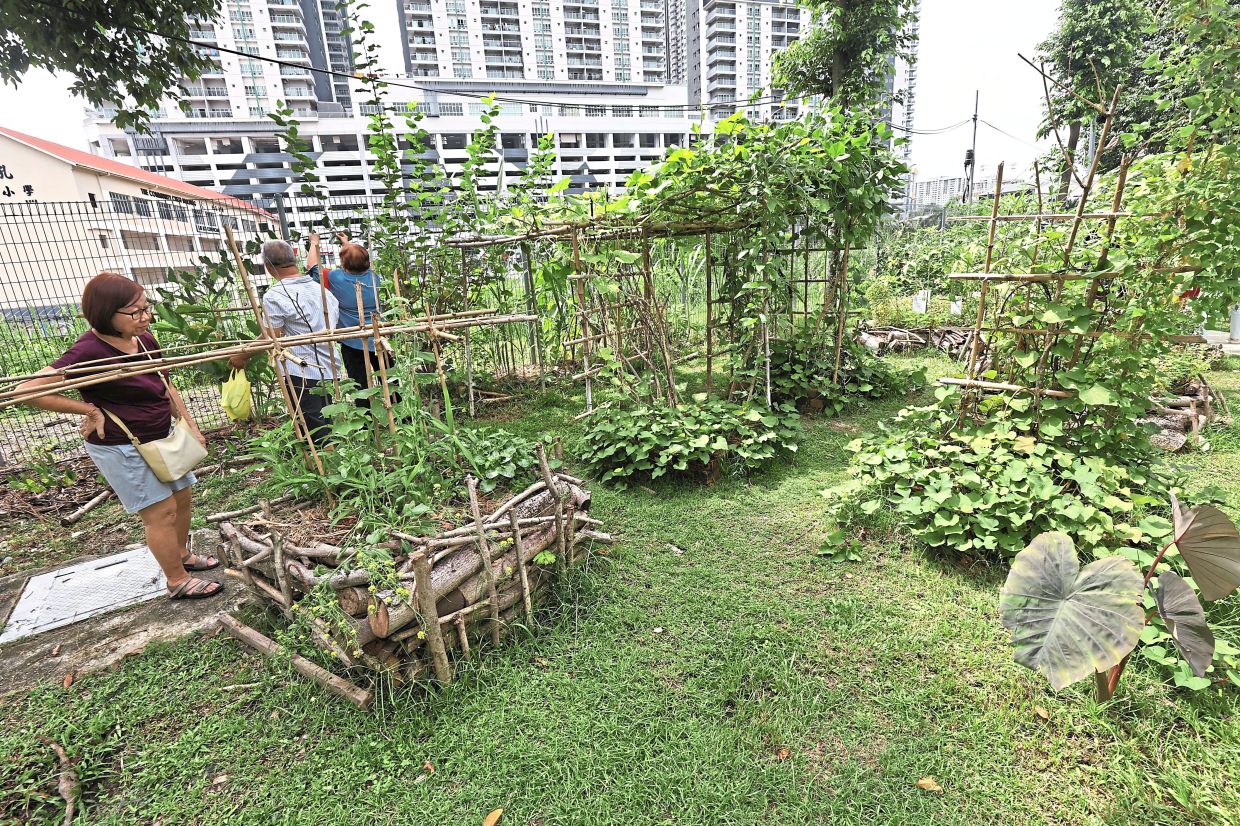
Six months ago, a piece of land located behind 1Razak Mansion in Kuala Lumpur was nothing more than an abandoned field filled with trees and overgrowth.
Today, the neglected corner has turned into a garden with vibrant rows of herbs, vegetables, fruit-bearing plants and flowers.
The completion of the project – led by social enterprise PWD Smart FarmAbility and supported by the management corporation and residents – was celebrated recently during the official launch of the 1Razak Mansion Food Forest.
Speaking during the launch, Minister in the Prime Minister’s Department (Federal Territories) Hannah Yeoh notes that around 80% of residents at 1Razak Mansion are senior citizens, making programmes supporting their physical and mental well-being increasingly important.
“The senior residents here have plenty of physical exercise classes such as tai chi. However, mental health is equally important,” she says.
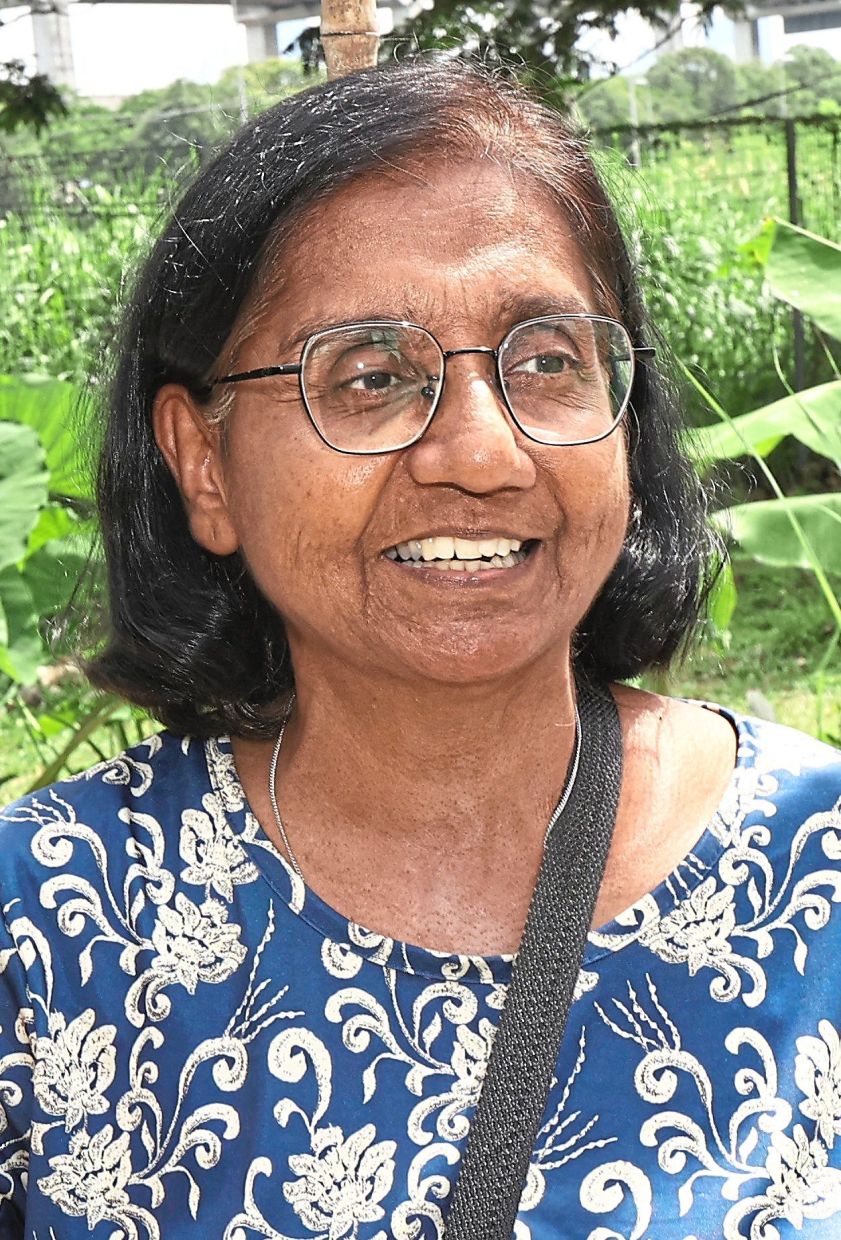
For resident Alice Fernandez, 64, the transformed space provides both physical and mental health benefits.
“This garden will be very helpful, especially for the senior residents, as it offers a way to pass their time by tending to the plants.
“It can also lessen their cost of living because this is a community garden – they can harvest anything they need from here for their own use,” she says.
“It’s a good way to connect with nature and relax the mind. Without this space, residents will just be stuck at home with nothing much to do, which is bad for their mental well-being.”
She recalls how dramatically the area has changed from before.
“This space used to be empty and since it’s close to the garbage room, nobody ever comes here. Now that it’s beautified, everyone can come down and take a walk, especially elderly residents who may not have much energy to do their exercise outside the compound.”
Visiting the garden has now become part of Fernandez’s daily routine, as she always drops by the food forest after going for her morning jog.
“Once a while, I will also come down in my free time, water the plants and do whatever I can to help maintain this space.”
A space to thrive
Over the course of several months, Thieeben Sivabalasingam, 38, has been behind the scenes, helping to make the project a reality.
Working alongside Tang, he was responsible for the logistics during the construction phase.
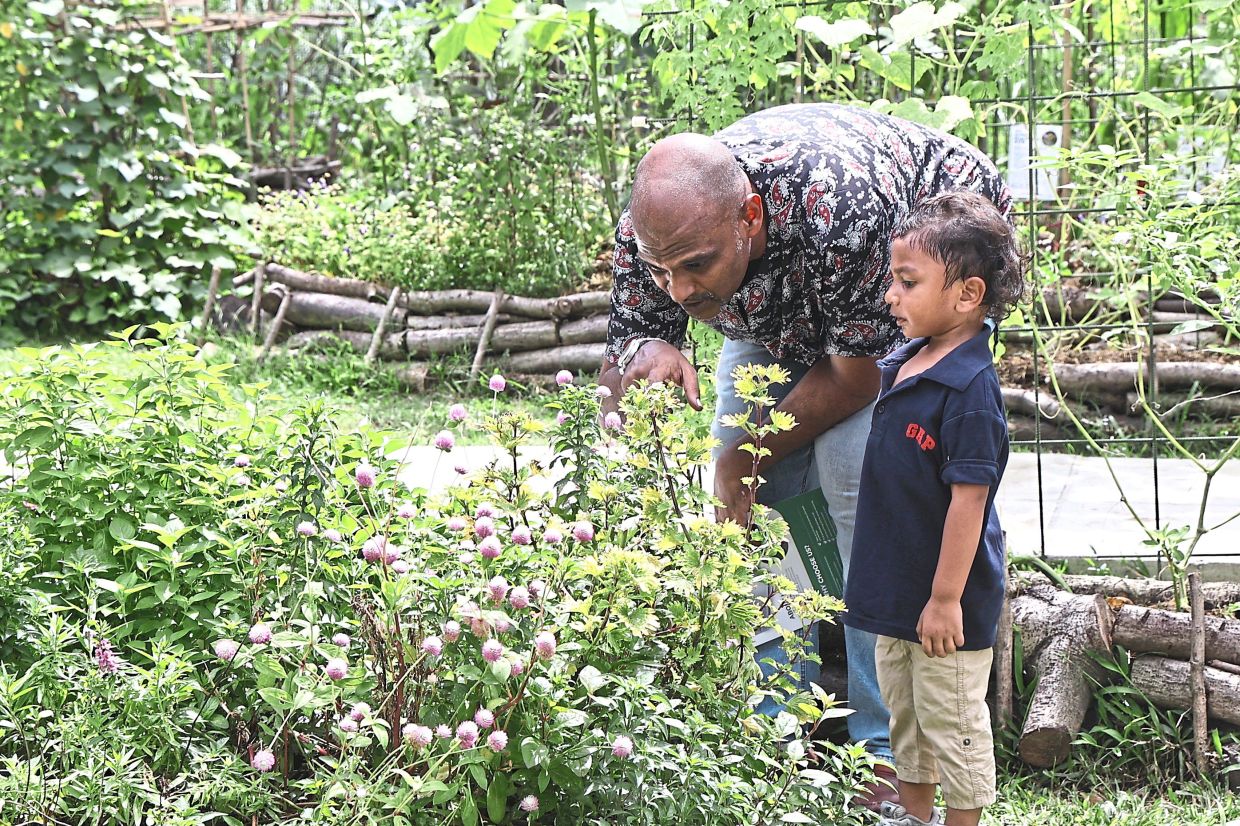
Standing over the garden with his three-year-old son Aiden, his face is filled with awe as he looks at the garden in its entirety for the first time.
“I was here from the very beginning when they just started clearing the land. When my team and I came to transport the materials, it was difficult to see what the exact picture was,” he says.
“When we were delivering items such as fences, we would come back a week later to find everything arranged so nicely.
“Everyone worked very hard to make this happen, so seeing the completed garden today is very inspiring.”
Thieeben believes the project can provide something valuable for the community’s predominantly elderly population.
“Apart from healthy food intake, another benefit is having an activity they can look forward to doing.
“They need something positive to do on a daily basis, have a reason to wake up and be excited about something. I believe this space will provide that for them.”
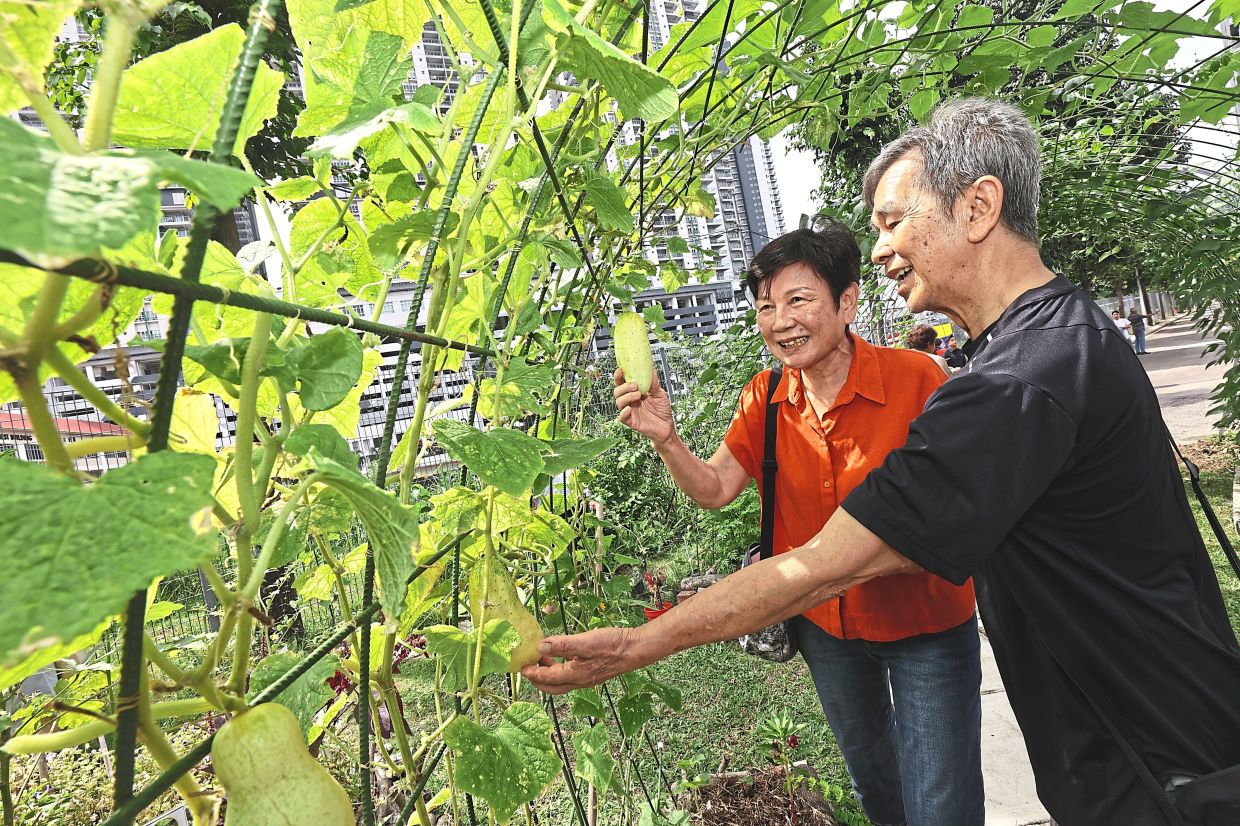
That sentiment was echoed by Jenny Wong, 70, and her husband KC Wong, 76, who travelled from the neighbouring Razak City Residences to attend the launch.
“The garden looks very healthy and it’s good for the residents because they can cultivate it and turn it into a good hobby while simultaneously helping the environment,” says Jenny.
KC hopes that a similar initiative can be introduced in their own residential community next door.
“We are both retired so we have a lot of time on our hands and we want to help our community as well. This is a very good start to the kind of things they can implement for the residents,” he says.
Moving forward
While the food forest produces edible crops to help sustain the community, PWD Smart FarmAbility founder and social entrepreneur Dr Billy Tang Chee Seng, 60, sees it as just a starting point for something bigger.
Future plans include educational programmes to help residents gain practical skills and qualifications while introducing the younger residents to science and sustainable food production.
“A small building will be constructed in the middle of the garden, which will house a kitchen hub so we can teach them how to cook with ingredients harvested from the garden.
“We will also be getting microscopes so the children can learn about the soil and microorganisms,” he explains.
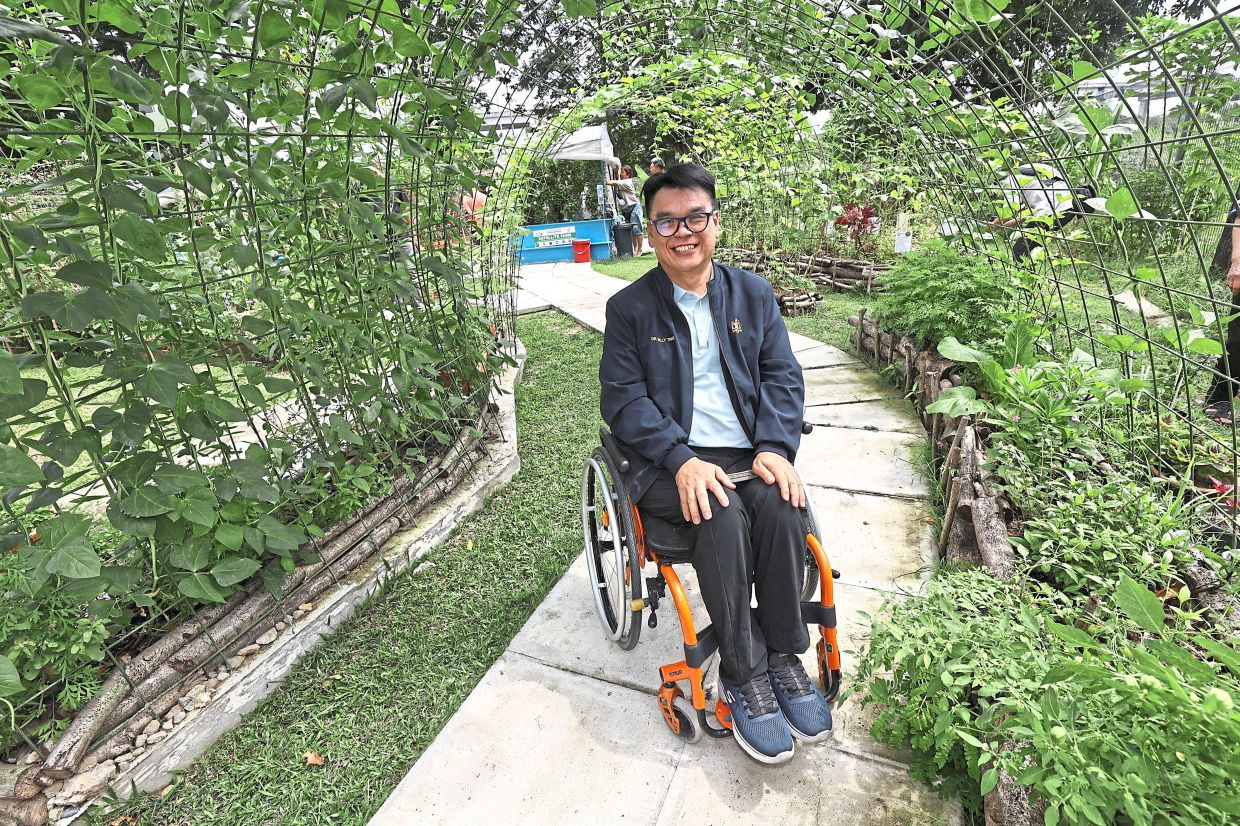
Sustainable farming techniques rarely seen in urban community gardens are also incorporated into the garden, something Tang and his team take pride in.
Tang highlights the use of hugelkultur, a method that layers organic materials, primarily wood, beneath the soil to create self-sustaining and nutrient-rich plant beds for the crops.
“It did take a lot of work and we had to lay down a lot of materials on the ground to make it a good place for the earthworms to thrive in and boost soil health.”
As a whole, Tang says the project has always been about putting people first.
“With the success of this project, we have brought our innovation in food sovereignty into the homes of families and communities.
“My ultimate dream is to empower these communities, especially the unheard voices, to be the ones leading efforts in food and health.
“With this project, it’s a first step towards that goal.”