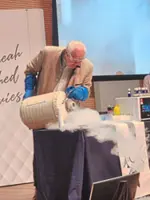
IN the world of culinary pantheons, legendary figures like Ferran Adria of El Bulli, Heston Blumenthal of The Fat Duck and Rene Redzepi of famed Scandinavian eatery Noma instantly come to mind. All three are pioneers in the realm of molecular cooking.
But there is another far more important person behind molecular gastronomy and his name is Herve This. This is a renowned French scientist and chemist who is the father of molecular and physical gastronomy, a scientific discipline he created in 1988 with the late Hungarian-born physicist Nicolas Kurti.
Since those foundling years and the subsequent traction that molecular cuisine picked up when top chefs around the world began to use it, This says there has emerged a lot of confusion about the different disciplines – something he is at great pains to correct to avoid that same confusion from repeating itself over and over again.
“Indeed, there are five different terms, which are different. Molecular and physical gastronomy – which is for scientists. It is science for scientists, not for chefs.
“Molecular cooking means cooking with new tools. This is a technique. When you turn it into a culinary art, it is called molecular cuisine.
“And now we have synthetic (note-by-note) cooking, which means that you use compounds to make the dish. And the art of making this is called note-by-note cuisine,” says This, who was in Malaysia recently for a speaking engagement at Sunway University.
A love of science and food
In many ways, Herve This’ advent into both science and food is no accident. The two combine his biggest passions in one singular format. In fact, This recalls how he got his first chemistry kit for Christmas when he was six and that became “the beginning of everything”.
This grew up in Alsace, France and says because of the region’s rich culinary diversity, he’s always been a big foodie. In fact, at university, he was famed for his love of chemistry and cooking.
“Back then, there were not so many people who were crazy about chemistry and also at the time, men didn’t really cook. I was the only one out of 50 male students who was cooking,” he says, chuckling.
But it was his cooking experiments that fuelled the genesis of the idea for molecular and physical gastronomy.
It began with a cheese souffle that This first made by plopping egg yolks together into a bowl and whipping them. It is important to note that This did not follow the recipe, which dictated that he had to put egg yolks two at a time and whip them. The souffle was a failure but This’ curiosity was piqued.
The following week, he made a cheese souffle again, and for the second time, he went against the recipe’s prescribed method.
“I decided to put the eggs in one by one, because there is no reason to put them in two by two – it’s completely irrational. And the soufflé was a success.
“And the next day, I did not go to school. I stayed home and took my notebook and I decided to collect these strange theories that you have in culinary history and test them. I used my lab at home to do these tests and nobody knew – I did that only for me,” says This.
In 1986, This met Kurti and the two began a professional collaboration, which is how molecular and physical gastronomy was created.
Molecular cooking
What is molecular gastronomy and how do its principles apply to molecular cooking?
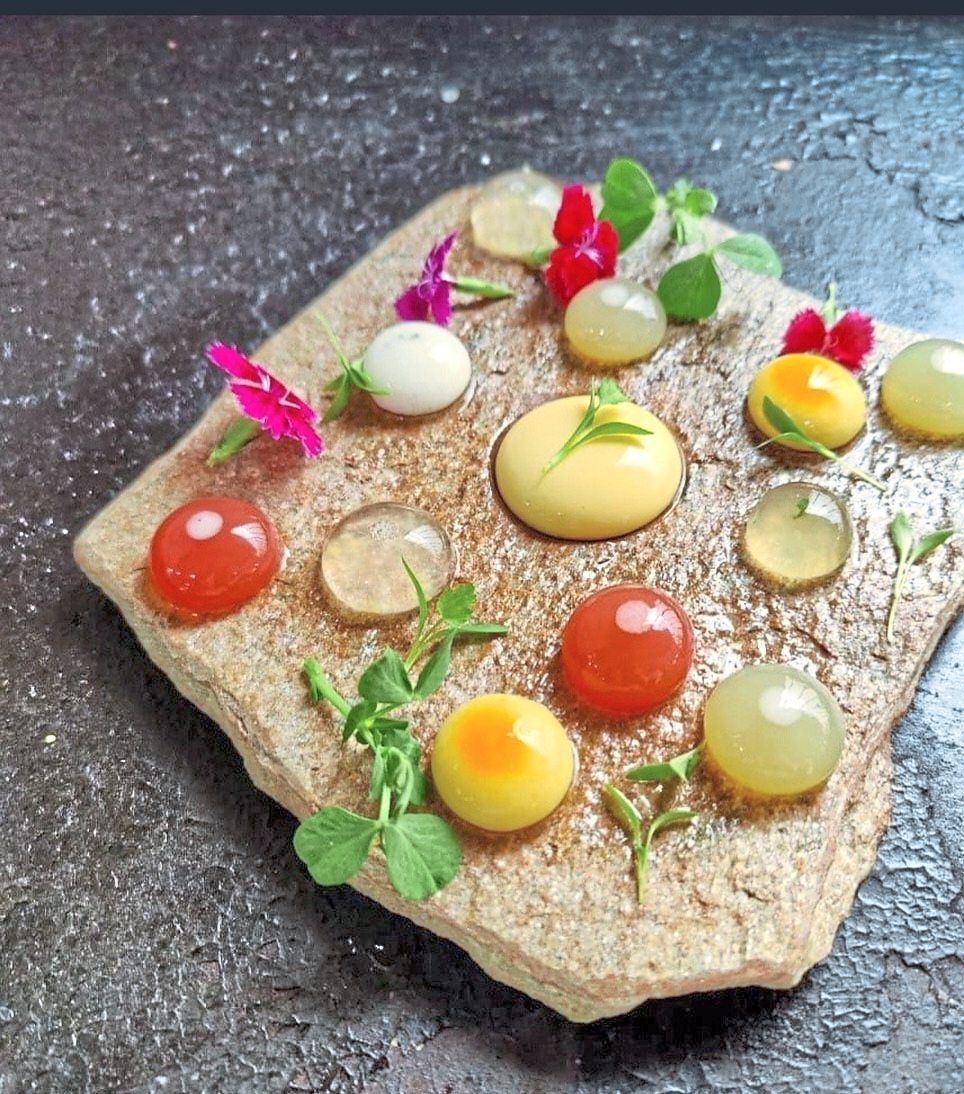
Molecular gastronomy essentially uses principles from chemistry and physics to understand, develop and transform food. In terms of molecular cooking, this in effect gives chefs the updated scientific know-how and modern equipment to turn liquids into spheres, foams and gels and cook in different ways (for example, low temperature) that ultimately create more innovative textures and flavours.
While molecular cooking is now used widely in top restaurants around the world, This says he had an uphill task convincing chefs to embrace it. In fact, it took years.
“My goal at the time was to promote modern equipment from labs for cooking. And nobody wanted it. I remember very well, in 1984, I went to the main chef association in Paris and they didn’t know anything about molecular cooking. And I told them, ‘Okay, you could have a siphon, an ultrasonic device, etc’ and they said, ‘You are very kind, but you are going to poison everybody with that.’ And indeed, they rejected it,” recalls This.
It was the mad cow crisis that peaked in the early 1990s that turned the tide in This’ favour.
“At that time, gelatine was suspected to be unsafe. And then they (chefs) needed some gelling agent. And I told them, ‘Okay, but you have alginate, carrageenan, agar-agar and so on. Use it.’”
“And suddenly, in two weeks, they used molecular cooking. And because Ferran Adria was famous in the world and he was promoting molecular cooking, from that time on, molecular cooking was more and more popular,” says This.
Note-by-note cooking
These days, This refers to molecular cooking as a thing of the past. He now believes that with a swelling global population and increasing food scarcity, there is another far more pressing cuisine that needs to be popularised: note-by-note cuisine, which he conceived of in 1994.
The figures support the need for a new way of feeding people. In 2024 alone, nearly 2.3 billion people experienced moderate or severe food insecurity and 2.6 billion people could not afford a healthy diet, according to data from Unicef.
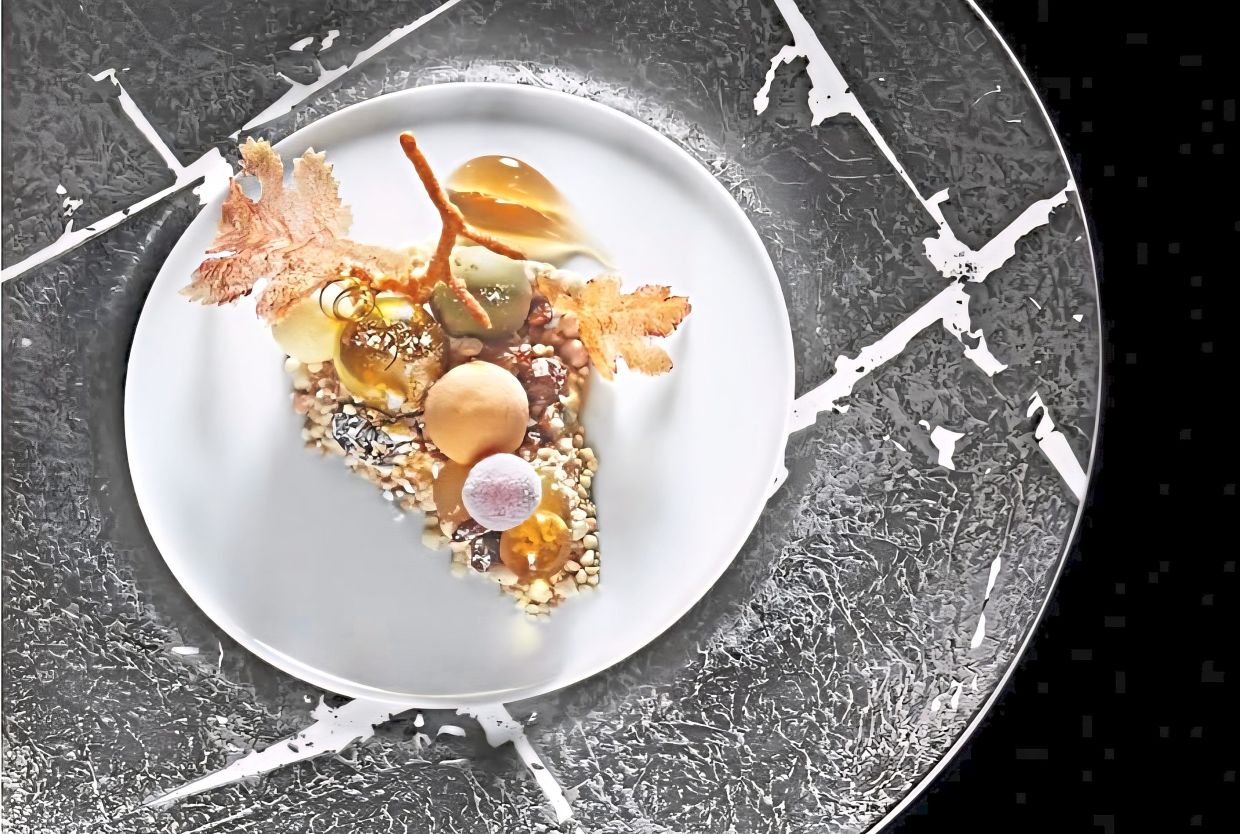
Note-by-note cuisine and its application – note-by-note cooking – is pioneered by This and formed from pure compounds (like amino acids, water, ethanol, sucrose) extracted from foods instead of cooking using whole foods like fruits and vegetables. These compounds are then used to create entirely new dishes altogether.
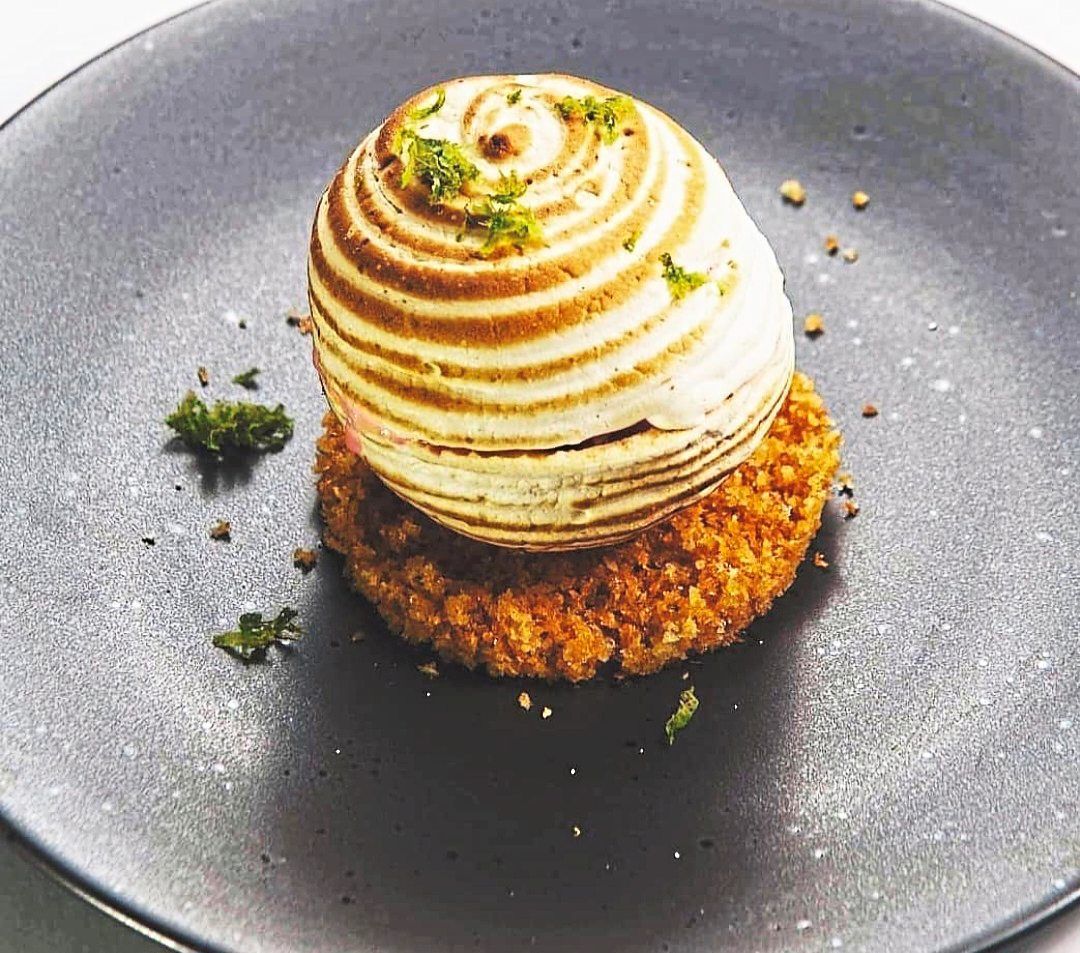
“Cooking means producing food. So the goal is to produce food and to produce good food. At the same time, chemists discovered that all food ingredients are made of compounds – water, proteins, lipids, and so on.
“And now, the goal is if you have a carrot, for example, you have many kinds of compounds – so you get them into bottles and then you reorganise them as you want. So you can make new dishes just by mixing the same compounds.
“So you just add the ingredients one after the other and you decide the consistency, flavour and everything else. So you have your bottles and you make the dish. And you see, it’s important because to feed a growing population, the only solution is to reduce spoilage.
“And with note-by-note, you don’t have spoilage because you don’t have fresh products. You can store them for longer and the techniques to prepare this product are very simple – it is just separating and filtering. And you can make any dish,” says This.
This also says that with note-by-note cooking, the chef is in control of everything, which means aside from texture and flavour, even the nutritional value of the food can be manipulated so a dish can have less protein, more fat, less glucose, etc.
“It’s not for the public yet, it’s more for chefs. So, you know, my strategy is to promote non- binary cooking for chefs, because chefs will then train the public. So we have to train the chefs first, because we need chefs to show it on TV and so on,” says This.
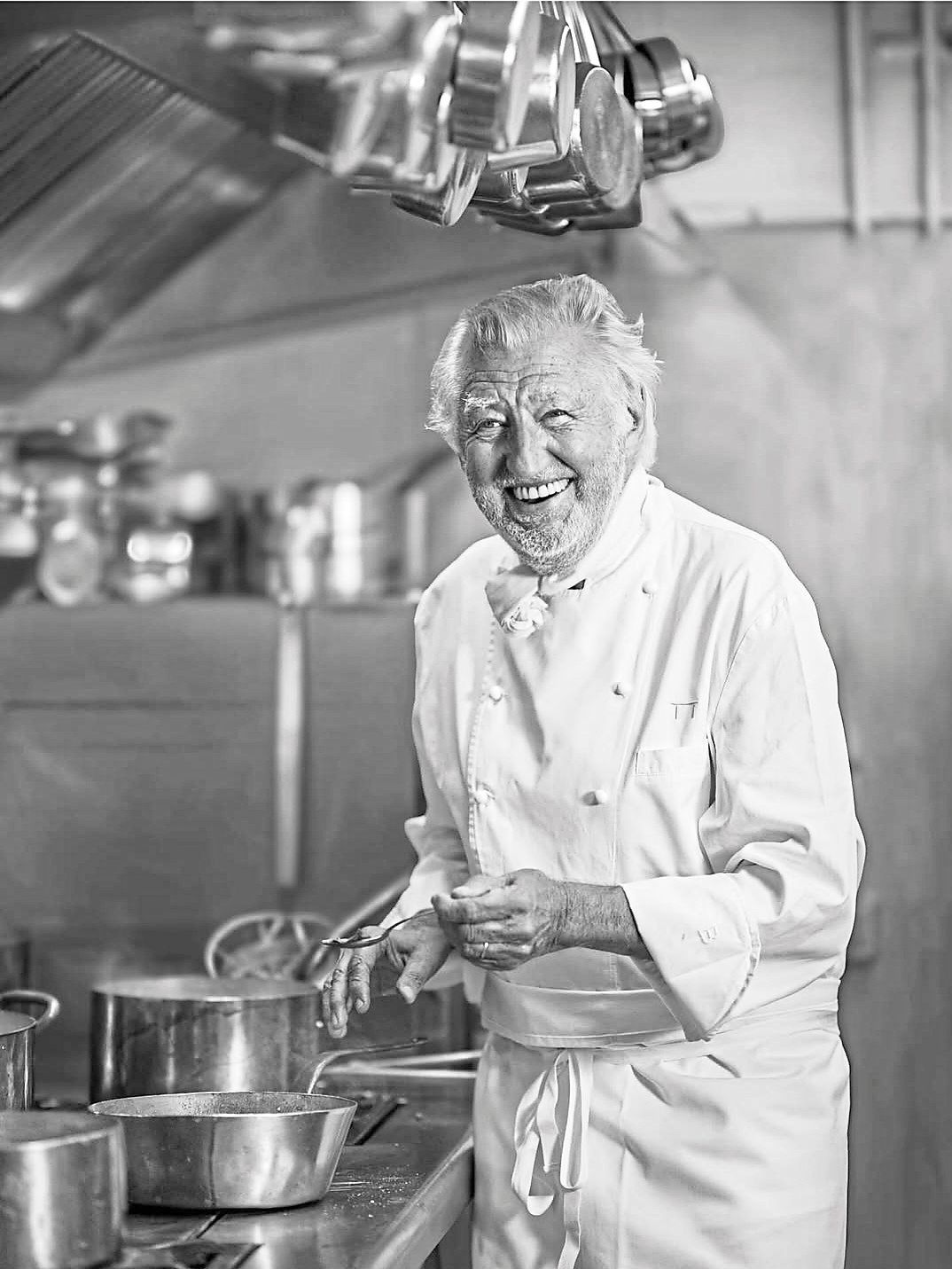
Response to note-by-note cuisine has run the gamut – from lukewarm to skepticism and excitement. This’ biggest culinary supporter in this endeavour is celebrated French chef Pierre Gagnaire (who owns a three Michelin-starred restaurant in Paris) who – with This – created the first note-by-note dish served in a restaurant in Hong Kong in 2006.
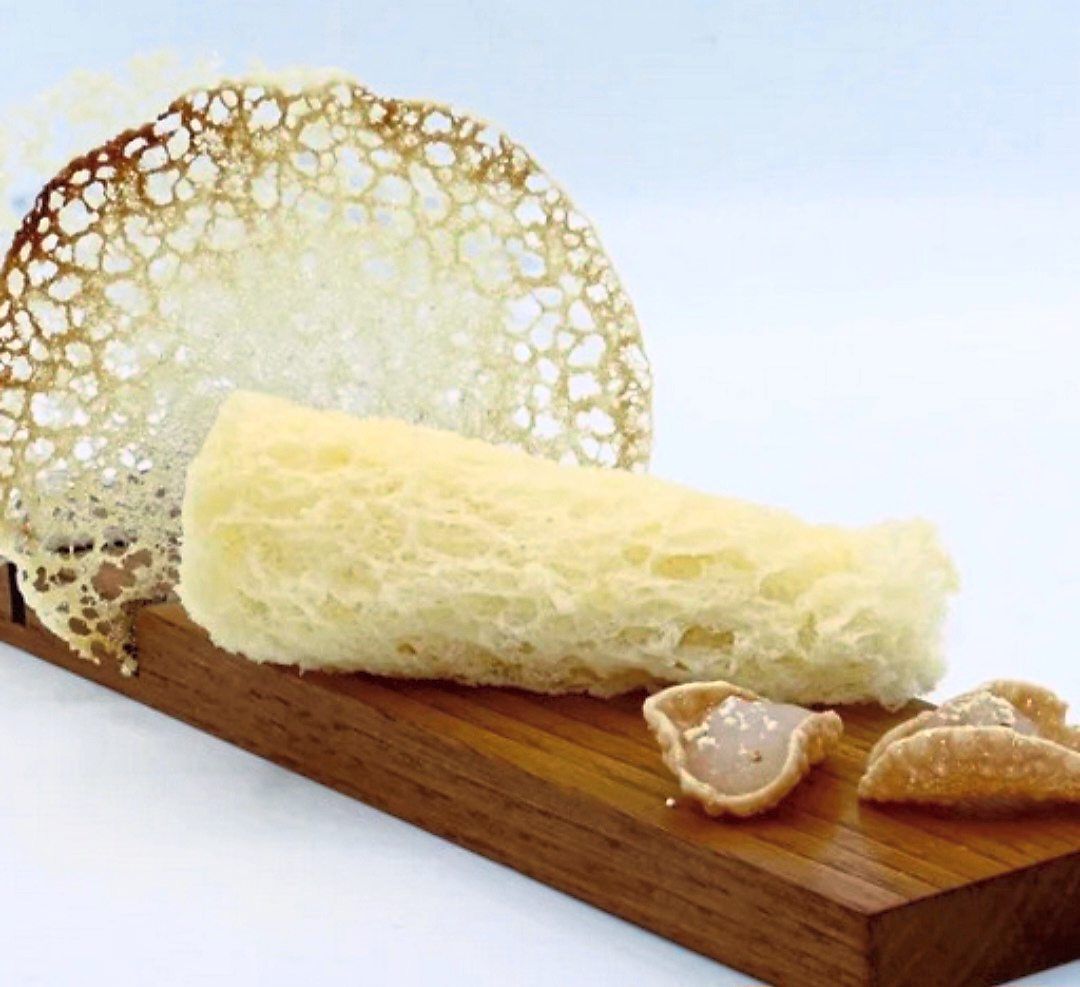
“I remember I did a lecture in Edinburgh, Scotland and there was a young chef who was very angry. He said, ‘This is not food.’ And I said, ‘But what is food? Food is something you eat and you can eat this.’
“And it’s very interesting, because today, many chefs reject note-by-note cooking, but I don’t care – eventually they will take it – they will because they will have to,” says This.
This also says that his certainty that note-by-note cuisine will eventually take off is also bolstered by the fact that modern developments like 3D food printing require note-by-note as a basis for execution.
To engender excitement and involvement in note-by-note cooking, This’ organisation INRAE AgroParis Tech Centre for International Gastronomy has run an annual International Contest for Note-by-Note Cooking for 13 years running.
Ultimately though, he says the reason he continues to promote note-by-note cooking despite facing so much backlash and lacklustre response is because he worries about future generations and what they will eat.
“There will be 10 billion people in 2050. I will be dead in 2050, but my children and grandchildren will be here, so I know how important it is to find a way to feed these 10 billion people,” says This.