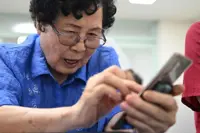
In many people’s minds, the image of an older person is usually one who is weak, fatigued, slow or lacks energy.
So, when these symptoms arise in an older person they know, not much attention is paid to those problems.
Sometimes, the elderly person themself feels unwell, but helpless to do anything about it as they believe it is part of growing older.
However, these symptoms are not, in fact, normal consequences of ageing.
Frailty is a condition characterised by an increased risk of death or debility, following exposure to an environmental stressor.
In other words, there is a reduced ability to withstand illness without an accompanying loss of function.
In layman’s terms, it can be called weak, delicate or fragile.
Frailty may initially be overlooked or incorrectly identified as part of the normal ageing process because it can present itself in various ways.
Symptoms include generalised weakness, exhaustion, a slow walking gait, poor balance, decreased physical activity, cognitive impairment and weight loss.
Although frailty is not a disease, older people who are frail are particularly susceptible to disease.
Their ability to carry out daily activities and cognitive function deteriorate more quickly, which can easily lead to undesirable consequences such as confusion, falls, fractures, immobility, disability, malnutrition, polypharmacy (use of five or more medications), increased healthcare cost, recurrent hospitalisation, institutionalisation, and even death.
Therefore, everyone must understand that frailty is not an inevitable part of ageing and that not every older person will become frail.
Most importantly, everyone should know that those who are diagnosed with frailty still have a chance of reversing the condition.
Criteria for frailty

Clinically, frailty is mainly defined based on the five characteristics proposed by American geriatrician and epidemiologist Dr Linda P. Fried in 2001.
These characteristics are also the most commonly used screening method for frailty at present.
If a person – and not necessarily someone who is elderly – meets three or more of the characteristics, they are considered frail.
If they have one or two of the characteristics, they are considered to be in the pre-frail stage.
The five characteristics are:
- Unintentional significant weight loss
This is unintentional weight loss of either 5kg or more, or 5% of the person’s weight, within one year.
- Exhaustion
Feeling tired for more than three days a week can predict disability and death.
- Slow walking speed
Walking less than 8m in 10 seconds can predict poor prognosis, even with treatment of whatever medical condition they may have.
For every 0.1 m/s increase in walking speed, the risk of frailty and death decreases by 12%.
- Weakness or decreased muscle strength
Impaired grip strength (less than 26kg for men and 18kg for women) can predict fatigue, disability, illness and death.
Older people with poor grip strength are at six times higher risk of becoming frail, compared to those with normal grip strength.
- Low physical activity
This is when men burn less than 383 calories a week and women burn less than 270 calories a week.
Therefore, you need to pay special attention when older people in the family have poor appetite, lose weight, walk slower, are easily fatigued, become weak, have reduced ability to care for themselves, decrease their activities and outings, etc, as these are all warning signs of frailty.
Delirium (confusion) and repeated lung and urinary tract infections are also signs of frailty in elderly people.
With frailty, even mild diseases can lead to poor balance and become a risk factor for falling.
A vicious cycle
Frailty is not due to any single cause, but instead, many causes.
Ageing, lack of exercise, insufficient nutrition, poor environment, trauma, diseases and drugs can cause malnutrition and sarcopenia (a syndrome characterised by progressive and generalised loss of skeletal muscle mass and strength), as well as frailty.
Malnutrition, sarcopenia and frailty can all affect each other, forming a vicious circle.
For example, malnutrition can lead to frailty and sarcopenia, which both increase the risk of falls.
A significant decrease in muscle strength of the lower limbs (due to sarcopenia) will directly affect the person’s sense of balance, which makes them prone to falling.
If falls and fractures cause immobility and reduced daily activities, the elderly may become weaker and lose muscle faster.
In terms of gender, the incidence of frailty in older women is higher than that of older men.
Unmarried, divorced or widowed elders are at higher risk of frailty, compared to married elders, as most of them live alone, have less contact with family and friends, and may have different degrees of isolation from society.
There is usually a certain degree of loneliness.
Some mental diseases such as depression, anxiety and dementia can also lead to frailty.
Conversely, physical frailty also often leads to deterioration in cognitive ability and social participation.
The older a person is, the higher the risk of frailty, because physical fitness and organ function do decline with age.
When young people fall sick, it is easier for them to return to a relatively healthy state, but this ability decreases as one grows older.
Disease is also one of the risk factors for frailty, therefore elderly people with chronic diseases have a higher risk of frailty than those without chronic diseases.
Taking multiple drugs, or even abuse of drugs, will increase the risk of frailty.
Of course, long-term bad habits, such as smoking, alcoholism, stress, and sitting or staying in bed for a long time, will also increase the risk of frailty.
Frailty, in return, also increases the risk of adverse events such as heart attacks, strokes, lung infections, confusion and falls.
Once frailty occurs, the average risk of death increases by 15% to 50%.
It is not surprising then to find that frailty is related to lower quality of life, higher risk of hospitalisation and death.
It also increases the need for long-term care of the elderly and the accompanying increase in medical expenses.
The medical and care expenses of those who are frail are almost twice that of the non-frail.
Therefore, early recognition of the symptoms of frailty in the elderly, timely diagnosis and intervention are crucial as this provides the opportunity to reverse the frailty, so that the patient can be restored to their pre-frail or healthy state before any adverse outcomes occur.
Prevention is easy

With the increase of the elderly population in our country and the extension of life expectancy, the problems of old age are also increasing day by day.
It is estimated that frailty is present in one-tenth of adults aged over 65 years, and up to half of those over 80 years old.
The good news is that frailty can be reversed.
Studies have shown that exercise and protein supplementation are the two key treatments, as well as the most effective and easiest preventive measures.
Exercise is the most effective way to improve the quality of life and function of the elderly.
It plays a major role in preventing muscle atrophy and weakness, maintaining cardiorespiratory fitness and cognitive function, boosting metabolic health, and improving or maintaining functional independence.
Appropriate physical activity can delay the progress of frailty.
Therefore, we should encourage older people in the family to participate in different physical activities.
Exercise should ideally be done five days a week, for about 20 to 25 minutes, including intensive workouts of arms and legs, and physical balance and coordination training.
However, the intensity and duration of exercise should be determined according to the overall health of the individual.
The type of exercise should also be based on individual interests.
The forms of exercise can be diversified, such as walking, brisk walking, aerobics, dancing, tai chi, running, swimming, etc.
Nutritional intervention can improve the weight loss of malnourished and frail elderly people, and reduce their death rate.
Their daily diet should include milk, eggs, meat and fish, as sufficient energy and protein can help maintain weight and muscle mass.
Foods or supplements with omega-3 fatty acids can help improve appetite and weight.
In addition, vitamin D supplementation can improve the strength and function of the lower limbs.
For the elderly with poor appetite or those who are hospitalised, oral nutrition with high energy and protein content can help improve their nutritional status.
The elderly also often suffer from chronic diseases such as high blood pressure and diabetes.
Active management of their disease(s), with special focus on reversible conditions and rational use of medications – including stopping unnecessary ones – is effective in improving frailty.
Remaining engaged within their local community and/or their friends and family, and avoiding loneliness, reduces the risk of getting frail.
Helping others through volunteering helps older people feel less lonely, boosts their mood, improves their well-being and cognitive function, and allows them to have a sense of achievement and purpose in their lives, which links to better health.
Home hazard assessment and safety interventions play a vital role in people with frailty.
Adapting or modifying the home environment is an effective way of reducing the risk of falls and meeting the changing capacity of frail older adults.
For example, unsecured floor mats or clearing clutter from the floor would help improve safety and access to the environment.
Other modifications to facilitate access and functioning of the frail elderly include installing ramps for wheelchair users or grab rails in the toilet to prevent falls.
Early detection of at-risk older persons for physical decline provides an opportunity to step in and prevent further deterioration by helping them maintain a healthy lifestyle.
Screening for physical frailty is a useful proactive first step in this process.
After all, an ounce of prevention is worth a pound of cure!
Dr Tay Hui Sian is a consultant geriatrician. For more information, email starhealth@thestar.com.my. The information provided is for educational and communication purposes only, and should not be considered as medical advice. The Star does not give any warranty on accuracy, completeness, functionality, usefulness or other assurances as to the content appearing in this article. The Star disclaims all responsibility for any losses, damage to property or personal injury suffered directly or indirectly from reliance on such information.
Already a subscriber? Log in
Get 20% OFF The Star Digital Access
Cancel anytime. Ad-free. Unlimited access with perks.