While menstrual hygiene and reproductive health have gained increased visibility in public discourse, women with disabilities continue to face barriers in accessing information and support catered to their needs.
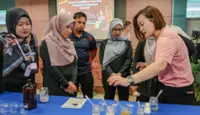
Last month, Malaysian biotechnology company Sateera brought the issue into focus through their V-Care Education programme organised through its Herstory Healthcare Foundation at Taman Sinar Harapan Jubli, a care centre for women with disabilities in Johor Baru.
The initiative, combining intimate health education sessions for the residents with practical guidance for caregivers and healthcare staff, highlights the importance of making health information accessible to all women, particularly those who are often overlooked in women’s health conversations.
Through interactive learning sessions, sharing sessions on daily hygiene care and support practices – including by consultant obstetrician and gynaecologist Dr Quek Yek Song – participants gain insights on intimate health, personal safety awareness and the importance of seeking help when needed.
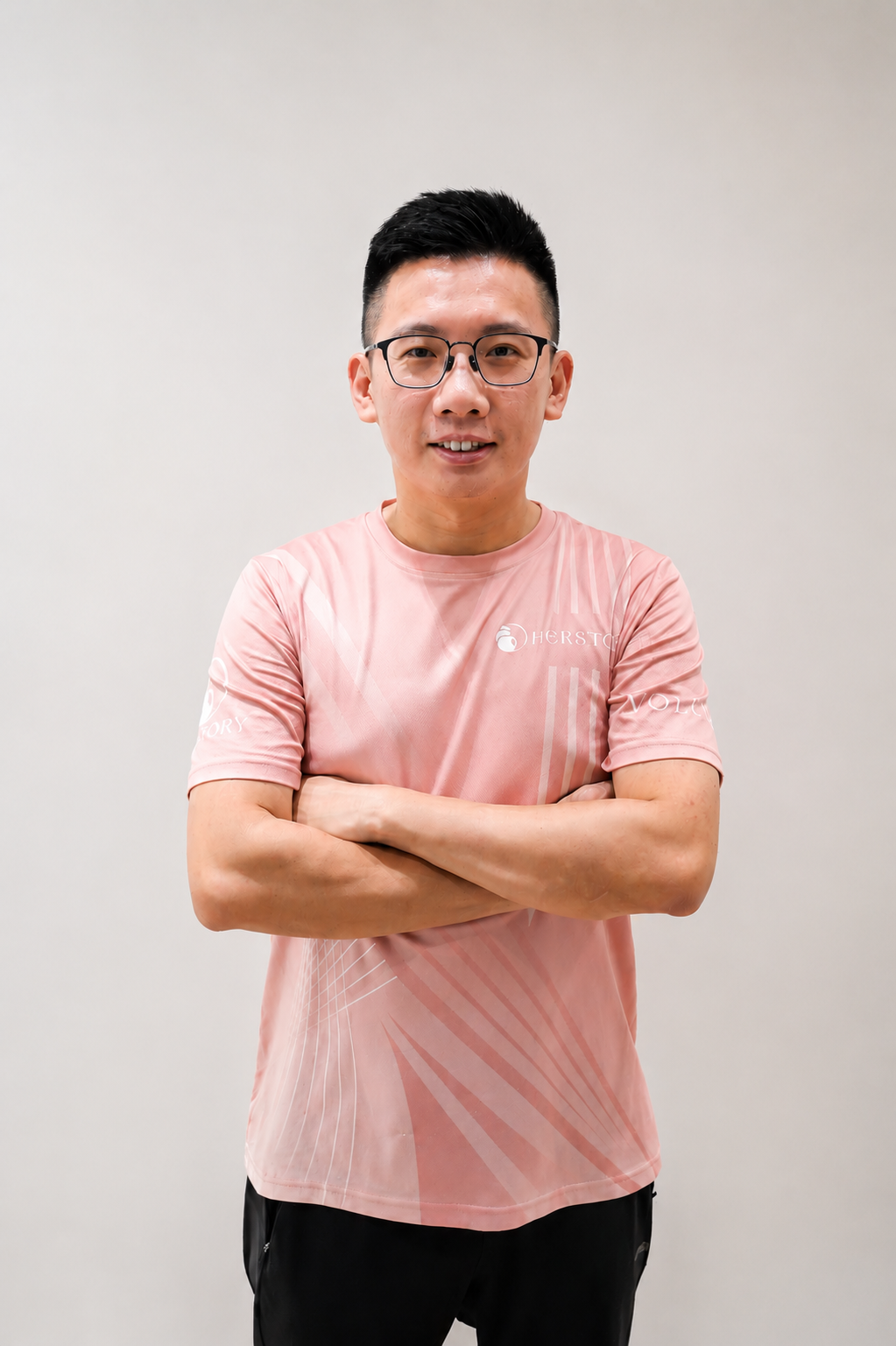
According to Herstory Healthcare Foundation organising chairman Allen Beh Wei Lun, women with disabilities, especially those with learning disabilities, require more tailored approaches to health education.
“Effective education may involve ongoing guidance and, in many cases, the support of caregivers to ensure information is delivered in ways that are accessible, meaningful and relevant to their needs,” he explains.
An inclusive approach
However, the challenge can go beyond simply increasing health literacy. Some women may find it hard to recognise or communicate health concerns. There are also some who depend on caregivers to assist with personal health and hygiene.
At the same time, intimate health remains a sensitive topic that is not always discussed openly.
“As a result, conversations around menstrual hygiene, personal care, body awareness and self-protection may not happen as regularly as they should,” says Beh.
“In some cases, concerns only come to light when a caregiver or family member notices visible signs of discomfort, making it a matter of treatment rather than prevention.”
The consequences can be significant as limited access to education can affect a woman’s ability to recognise issues early and seek help immediately when needed.
“Regardless of her abilities or circumstances, every woman should have the opportunity to understand her body, communicate her needs and access care with confidence and dignity.”
The recent programme reinforces that belief, as Beh recalls how residents responded positively when information was delivered in a simple and interactive format.
“It reminded us that women with disabilities are just as eager to learn about and take charge of their health as anyone else,” Beh says.
“The key is ensuring information is communicated in ways that are relevant and suited to their needs.”
The programme also highlights the important role played by caregivers and nurses, who are often the first line of support when health concerns arise.
Looking ahead, advocates hope to see women’s health approached more inclusively and dialogues to be more normalised within Malaysia.
“We hope to help create a future where conversations around women’s intimate health are more open, accessible and supported so that every woman has the knowledge and confidence to care for their health with dignity,” Beh says.
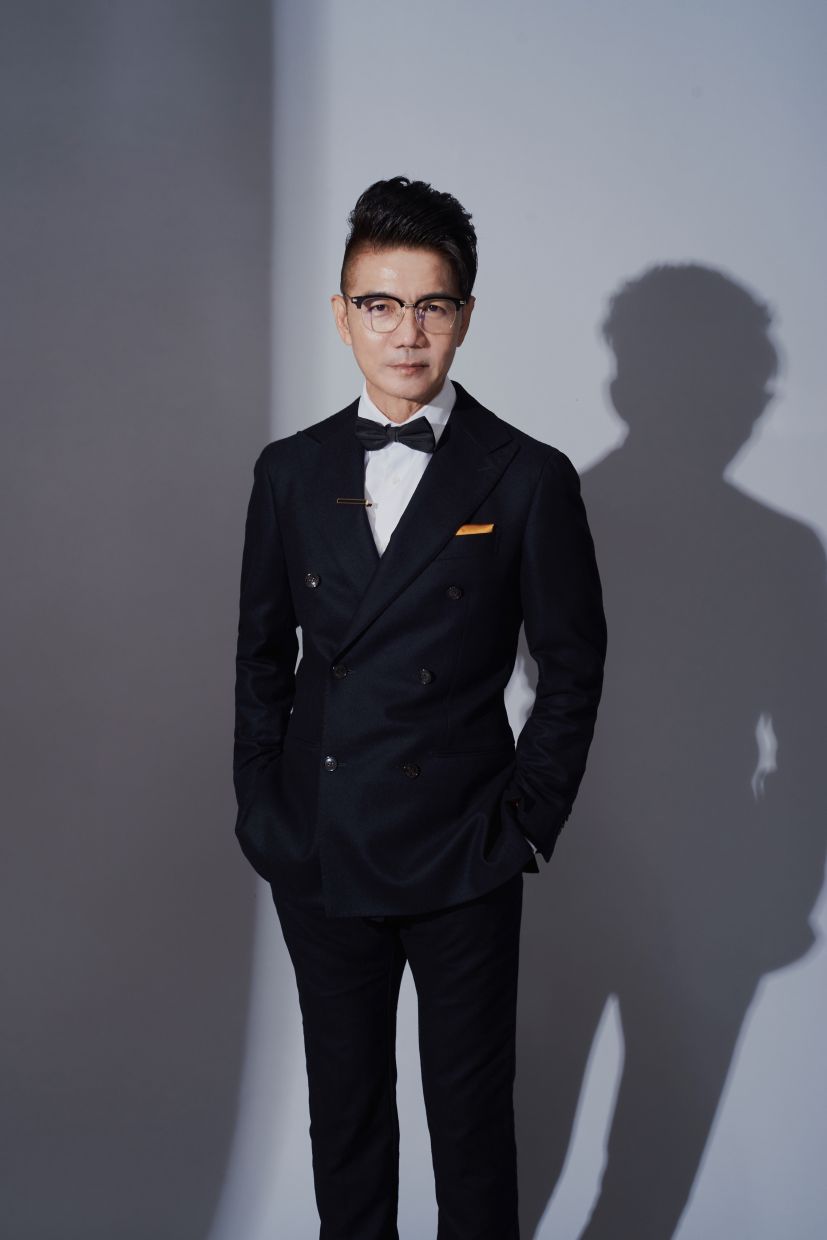
Sateera and Herstory Healthcare Foundation founder Datuk Loh Shin Siong believes women with disabilities must be considered when designing health programmes rather than treated as a separate audience.
“This starts with ensuring health information is accessible, relatable and tailored to different abilities. It also means empowering caregivers, educators and support networks with the knowledge and resources needed to better support the women in their care,” he notes.
"Ultimately, meaningful progress requires a collective effort. Impact happens when healthcare professionals, community organisations, educators, businesses, caregivers and other stakeholders work together to ensure no woman is left behind when," he concludes.