
The house was quiet. A mother had stepped away for just a moment. The bath was over. The towel was on the rack and a half-filled pail sat in the bathroom, waiting to be emptied.
Her toddler, curious as toddlers are, wandered in. There was no splash to alarm anyone. No scream, no cry of “Ibu”. Just silence.
But by the time she returned, the child was face down in water shallow enough for an adult to ignore, but deep enough to steal a very young life.
That is, perhaps, the most frightening truth about drowning.
It does not always happen at sea or in a swimming pool. And it almost never looks like the dramatic scenes we see in movies.
Sometimes, it happens at home. In a bathroom, within the time it takes to reply to a WhatsApp message, grab a towel or fold a few pieces of laundry.
In Malaysia, water is part of childhood. We take our children to beaches, swimming pools, water parks and waterfalls. We enjoy weekend picnics by the river. Even at home, water is everywhere: in pails, bathtubs, fishponds and bathrooms. Water brings joy, but it deserves respect and caution.
Drowning remains an important preventable cause of accidental death, especially among children.
We often think danger begins at the sea. But for a young child, danger may appear much closer.
The bathroom trap
For a toddler, the most dangerous body of water is not a swimming pool. It could be a half-filled pail in the bathroom. Many homes use large pails or containers to store water.
To an adult, a pail of water looks harmless. To a curious toddler, it can be a deadly trap.
Young children are physically top-heavy. If a toddler leans over a pail to play with the water, they may tip forward and will be unable to push themselves back up. A child can drown in only a few centimetres of water. Once the airway is submerged, there may be no coughing, no crying and no struggle to be heard.
Prevention is simple, but it must become a habit. Empty pails, bathtubs and basins immediately after use. Do not leave water “for later”. Keep bathroom doors closed and latched.
If there are young children at home, install child-proof latches high enough that little hands cannot reach them. The safest pail is an empty one.
The floatie fallacy
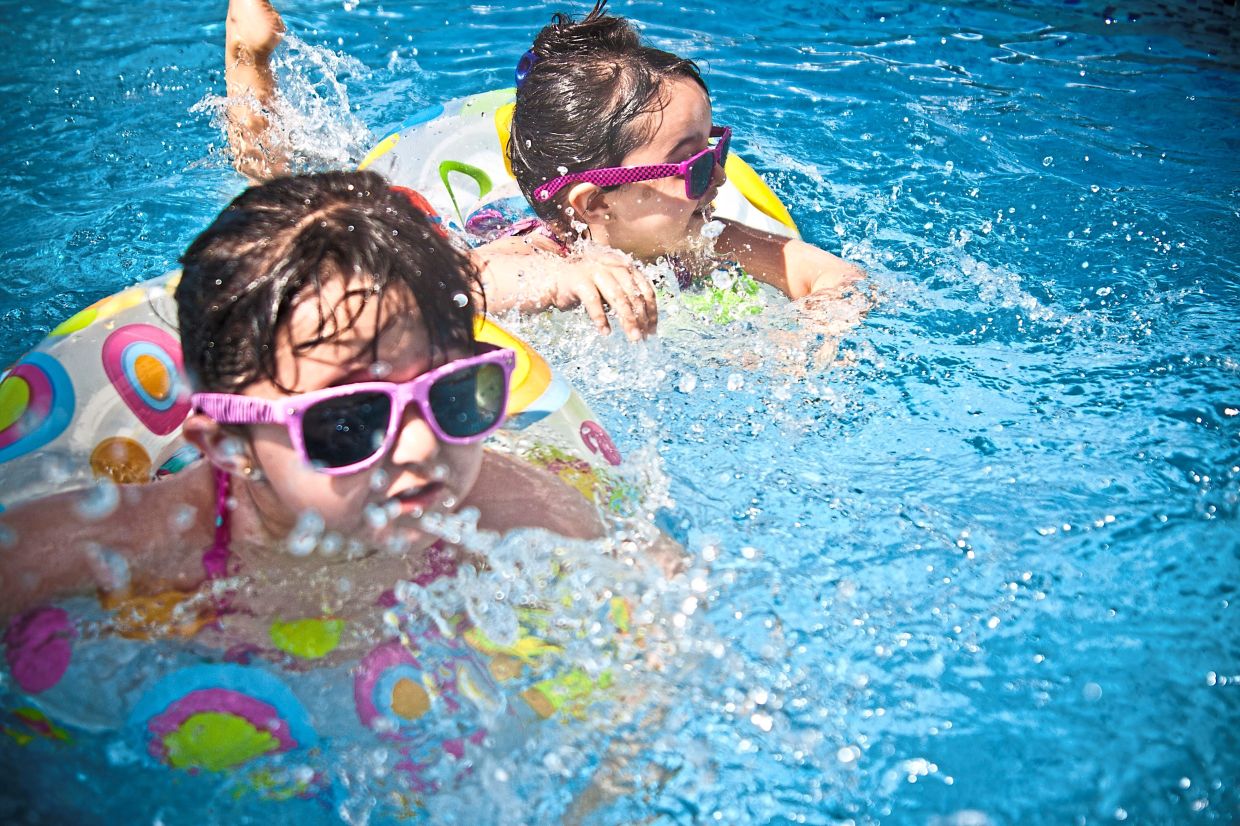
During school holidays, many families head to pools in hotels, homestays or water parks. A common sight is a toddler walking by the pool with inflatable armbands, while adults relax nearby, eating or scrolling through their phones.
Inflatable armbands, neck floats and colourful rings are toys, not life-saving devices. They can puncture, slip off or turn a child into an awkward position. More importantly, they create a false sense of security. When we see a child floating, our brain relaxes. We feel it is safe to look away for a moment. But drowning needs only that one moment.
For toddlers and non-swimmers, supervision must mean “touch supervision”. This means an adult is in the water or right beside the child, close enough to reach out and touch them. If you cannot reach the child immediately, you are too far away.
During group gatherings, one adult should be the designated water watcher. Their only job is to watch the children in the water for a fixed period, such as 15 minutes, before handing over to another adult. No phone, no eating, no long conversation. It may sound strict, but it is far easier to rotate responsibility than to live with regret.
The picnic trap
Rivers and waterfalls carry a different kind of risk. Unlike swimming pools, they are unpredictable. Depth, rocks and currents can change quickly.
A child who can stand comfortably one minute may lose balance the next. One of the greatest dangers in Malaysian rivers and waterfalls is a sudden water surge.
This happens when a large volume of fast-moving water rushes downstream, often after heavy rain upstream.
Nature often gives warning signs, but we must recognise them.
If clear river water suddenly turns muddy, cloudy or dark, move away. If you see leaves, twigs, foam or debris flowing rapidly downstream, move away. If you hear a loud roaring sound from upstream, like thunder or an approaching train, do not wait to confirm what it is.
Get your family to higher ground immediately. A sudden surge can sweep away an adult, let alone a child, within seconds.
After a water incident
Social media has created fear around terms such as “dry drowning” and “secondary drowning”. Medically, these are not useful diagnoses. But the worry behind them is understandable. A child who is truly in danger after inhaling water will usually show symptoms.
Look for persistent coughing, fast or difficult breathing, chest indrawing, unusual sleepiness, confusion, vomiting, bluish lips, or a child who simply does not look right after a water incident.
If there was a near-drowning episode, even if the child appears better afterwards, seek medical care. The aim is not to panic after every splash or cough in the pool. The aim is to recognise when a child needs urgent attention.
Why CPR matters
No matter how careful we are, accidents can still happen. When a child is pulled from the water unconscious or not breathing, the clock starts ticking.
A drowning child is different from an adult having a heart attack. In drowning, the heart usually stops because the body has run out of oxygen. That means early rescue breaths and CPR can make a real difference.
Waiting for an ambulance may take time. But the brain cannot wait long without oxygen.
This is why basic CPR is one of the most powerful skills a parent, teacher, babysitter or caregiver can learn. You do not need to be a doctor to save a life. You need to recognise danger, call for help and start what you have been trained to do.
Water safety is not only about stopping children from entering danger. It is also about knowing what to do when danger has already happened.
Respect, not fear
This article is not a call to keep children away from water. Swimming is a life skill. Water play builds confidence, strength and joy. Malaysian children should learn to swim, enjoy the beach, laugh at waterfalls and splash in pools. But they must do so under the watchful eyes of adults who understand that drowning is silent, fast and often preventable.
So the next time your child is near water, put the phone away. Stay within arm’s reach. Watch the river. At home, empty the pail and close the bathroom door. Learn CPR. Be present. Because no message, no call, and no notification will ever matter more than the little life laughing in front of you.
Dr Naveen Nair Gangadaran is a paediatrician and a committee member of the Malaysian Paediatric Association (MPA). The information provided is for educational and communication purposes only, and should not be considered as medical advice. The Star does not give any warranty on accuracy, completeness, functionality, usefulness or other assurances as to the content appearing in this article. The Star disclaims all responsibility for any losses, damage to property or personal injury suffered directly or indirectly from reliance on such information.