
Malaysia has taken a significant step towards strengthening its social welfare system with the passing of the Social Work Profession Bill 2026 that formally recognises social work as a profession.
Passed in the Dewan Rakyat on July 14, the Bill establishes a legal framework for the profession and aims to raise standards, accountability and public confidence in social services. It also represents years of consultation between the government, social workers, universities and civil society organisations.
For many, the Bill is about much more than professional recognition. It is expected to improve the quality of support available to vulnerable children, families and communities by ensuring those delivering social work services meet recognised standards of competency and ethics.
Unicef Malaysia welcomed the legislation as a major milestone, saying it reflects recommendations by the United Nations Committee on the Rights of the Child (CRC) to strengthen the country’s social work workforce.
The organisation noted that for children facing abuse, neglect, violence or exploitation, access to a qualified social worker can be life-changing. Social workers are often among the first professionals to identify risks, support families in crisis and coordinate services to ensure children receive the protection and care they need.
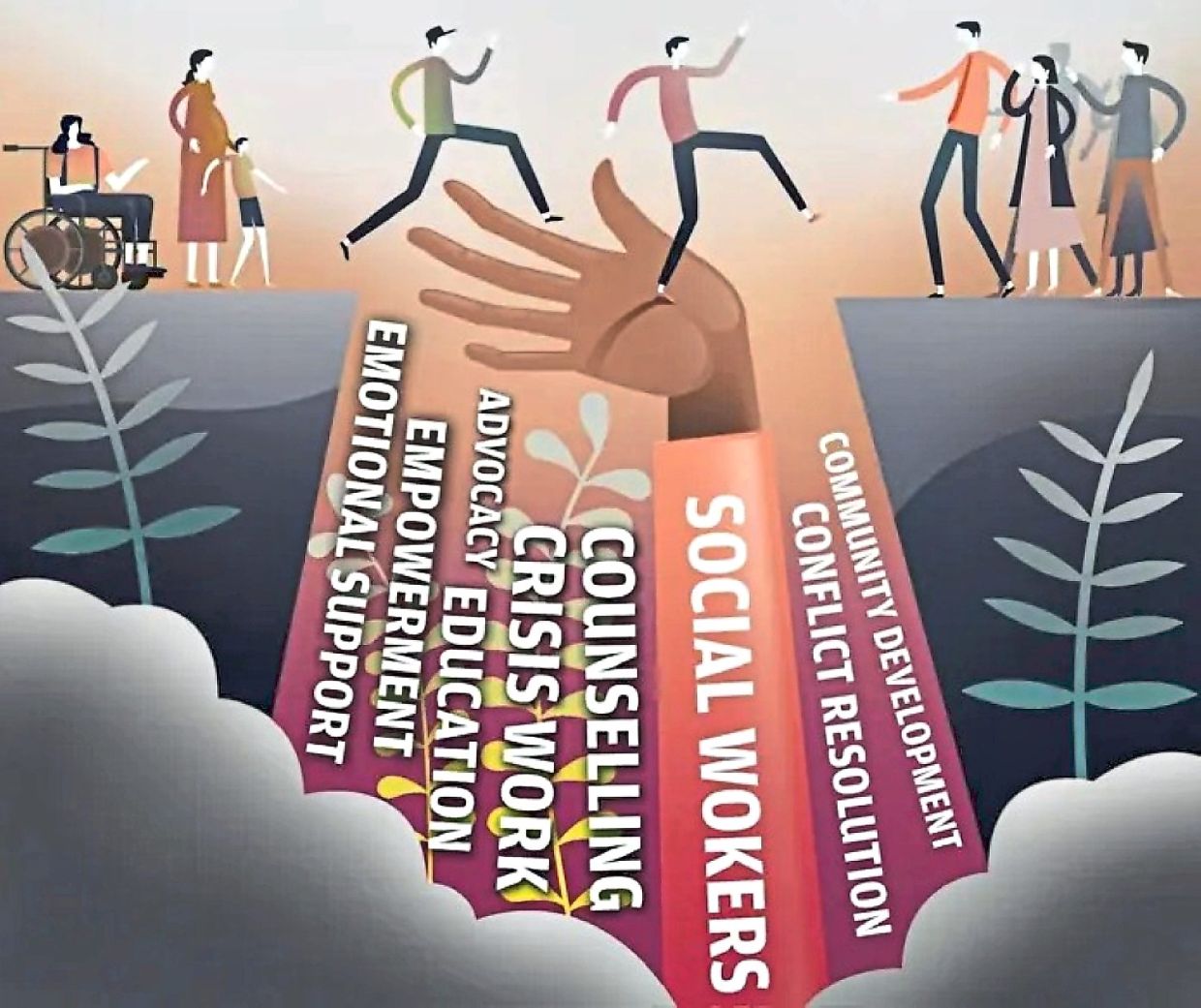
Social workers also help families navigate financial hardship, connect people with healthcare, education and welfare services and intervene early before problems become serious. By working closely with individuals and communities, they play an important role in promoting resilience and improving long-term well-being.
As Malaysia experiences demographic shifts, an ageing population, urbanisation, rising living costs and increasingly complex social challenges, demand for qualified social workers is expected to grow.
Women, Family and Community Development Minister Datuk Seri Nancy Shukri said the legislation reflects the Madani Government’s commitment to improving professionalism, ethics and accountability in social service delivery.
She said the Bill was the culmination of more than a decade of work involving extensive engagement with ministries, government agencies, state governments, non-governmental organisations, higher education institutions and practitioners to develop legislation that meets both present and future needs.

A key feature of the new law is the establishment of the Malaysian Social Work Profession Council, which will regulate the profession.
The council will be responsible for issuing practising certificates to qualified social workers, setting standards, regulating professional conduct and promoting the profession. Members of the public will also be able to verify whether a practitioner is officially registered before engaging their services, helping to strengthen confidence in the country’s social service system.
According to Nancy, the legislation is expected to encourage more graduates to enter the profession.
Unicef also sees the Bill as laying the groundwork for broader reforms.
Although its current scope primarily covers the private sector, the organisation described it as an important first step towards the gradual professionalisation of the entire social service workforce.
A recognised professional framework, Unicef said, can improve public understanding of the diverse roles social workers play across child protection, healthcare, education, welfare and community services.
The need for skilled social workers is becoming increasingly important as Malaysia responds not only to social challenges but also to disasters and the effects of climate change. Qualified professionals can help communities prepare for emergencies, coordinate responses and support families throughout recovery.
By recognising social work as a profession with clear standards and accountability, the country is taking an important step towards building a stronger, more trusted social welfare system.