
In a modest community hall in the Taman Dato Harun PKNS Flats in Petaling Jaya, the steady hum of sewing machines signals more than a crafting workshop.
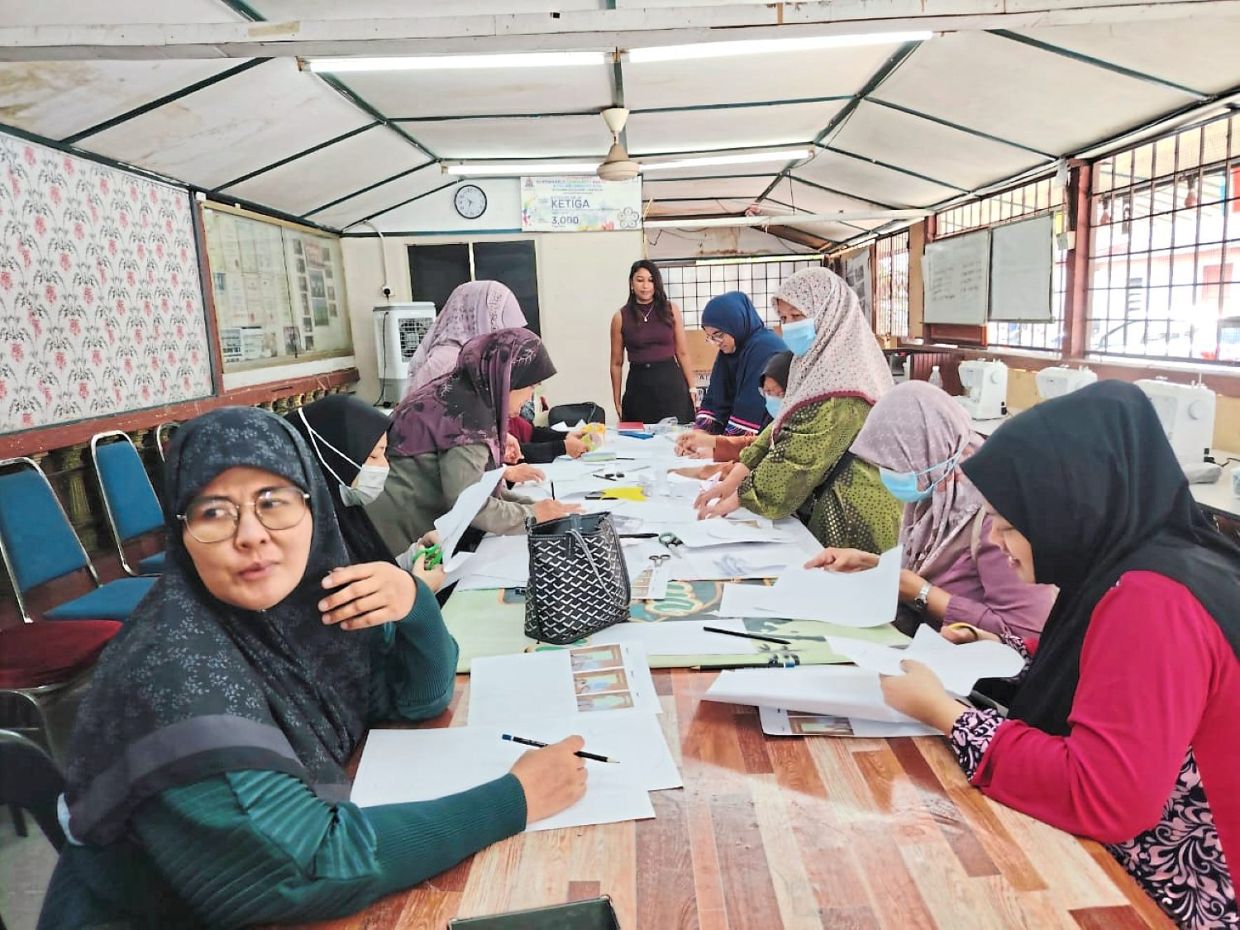
Around tables, women learn to cut fabric, stitch patterns and make reusable sanitary towels – practical skills that help them address an often-overlooked challenge: period poverty.
For many underserved families in Malaysia, menstruation isn't just a health issue but also a recurring financial burden. A pack of sanitary pads costing RM10 to RM12 may seem affordable to some, but for households already struggling to cover rent, groceries, transport and school expenses, it's another source of stress.
"Many women in this community have to manage various daily expenses, making the monthly cost of purchasing sanitary pads an additional burden," says Mimi Zairol Mohamad Nor, head of Persatuan Warisan Kraf Wanita at the housing area. "Some are forced to stop spending on other necessities to ensure their menstrual needs are met."

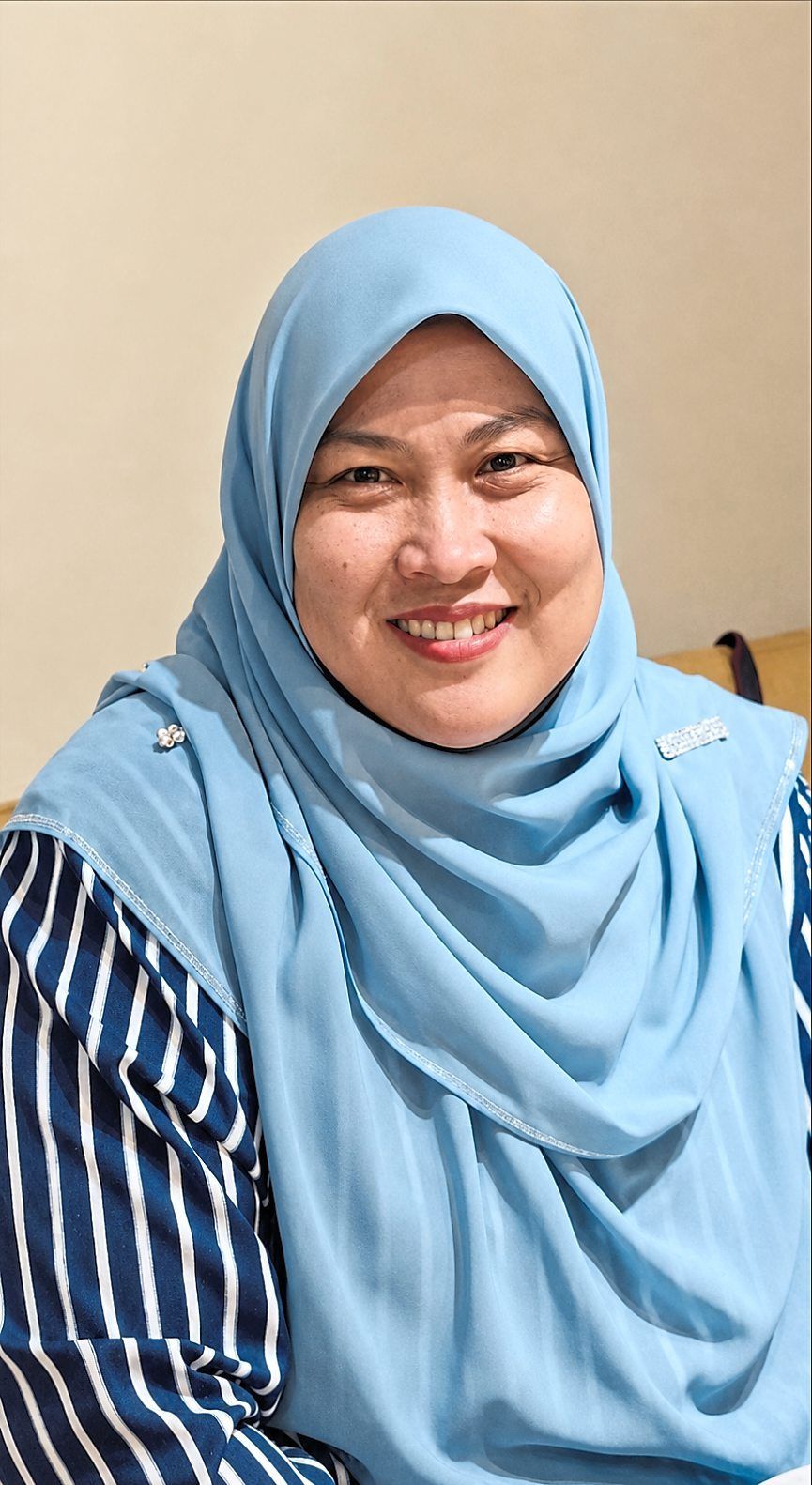
"Period poverty is a real but often overlooked challenge. It affects the health, dignity and well-being of women and girls," says Eradicating Poverty Impact Lab member Dr Sharala Subramaniam . "Through our community engagement, we saw an opportunity to work with our Rotary partners to develop a practical and sustainable solution that could create long-term impact."
Instead of relying solely on short-term aid through the distribution of disposable sanitary products, the programme focused on teaching women to produce something reusable for themselves and their families.
"While product distribution provides immediate relief, skills training empowers women to become self-reliant," says Sharala. "This way, participants gain practical skills that can reduce household expenses and potentially create future income-generating opportunities."
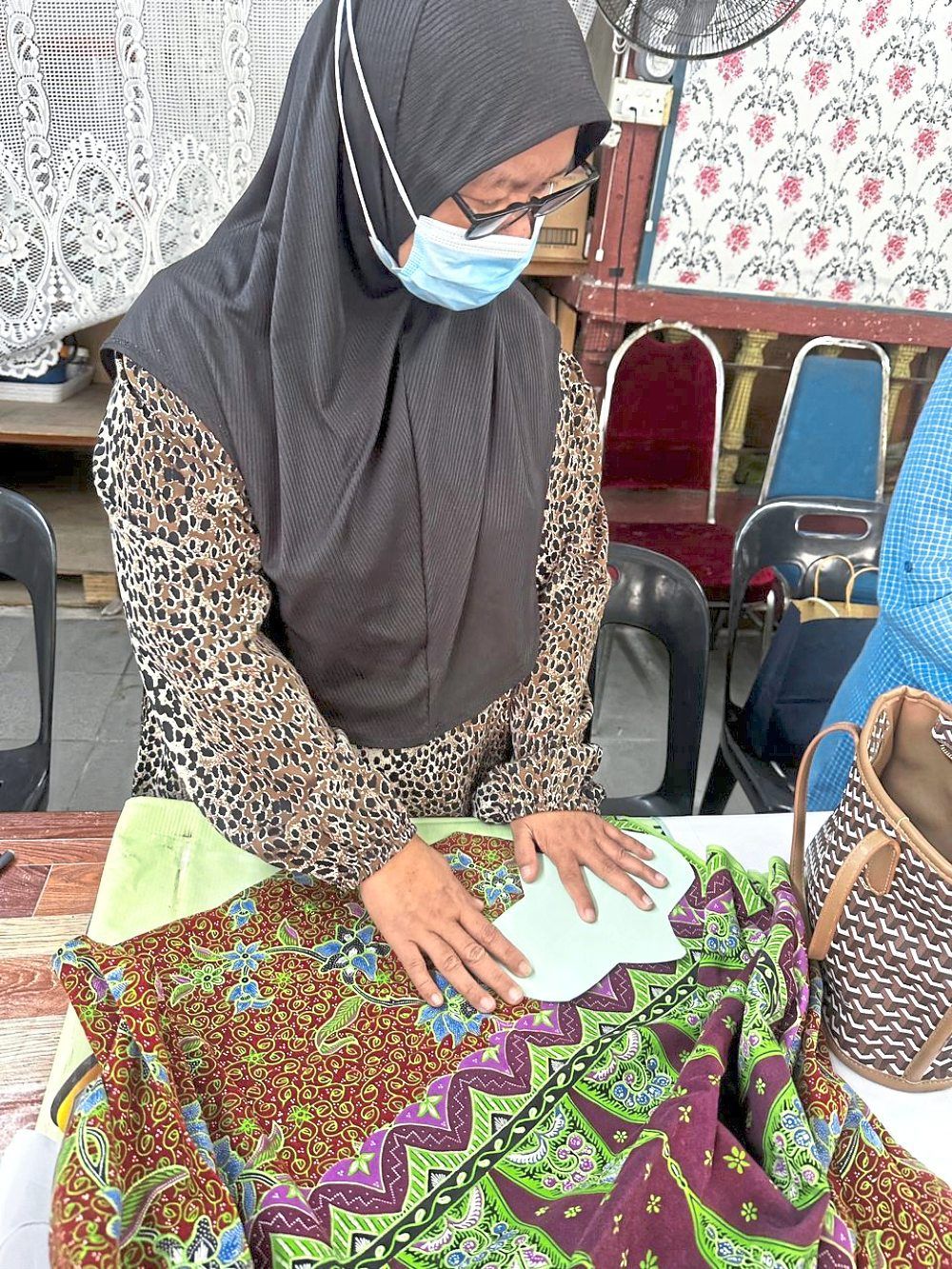
Ten women joined the training sessions. For many, it was their first experience using a sewing machine. Early sessions involved trial and error as participants learned to choose suitable fabrics, cut patterns and sew neat stitches.
Alongside the challenges came laughter, encouragement and a growing connection. What began as a technical workshop gradually evolved into a supportive community where women learned together and uplifted one another.
By the end of the pilot programme, participants had collectively produced 1,000 reusable sanitary pads. Each piece represented not only practical savings but also resilience and self-reliance. When properly cared for, they can last up to a year, significantly reducing monthly expenses.
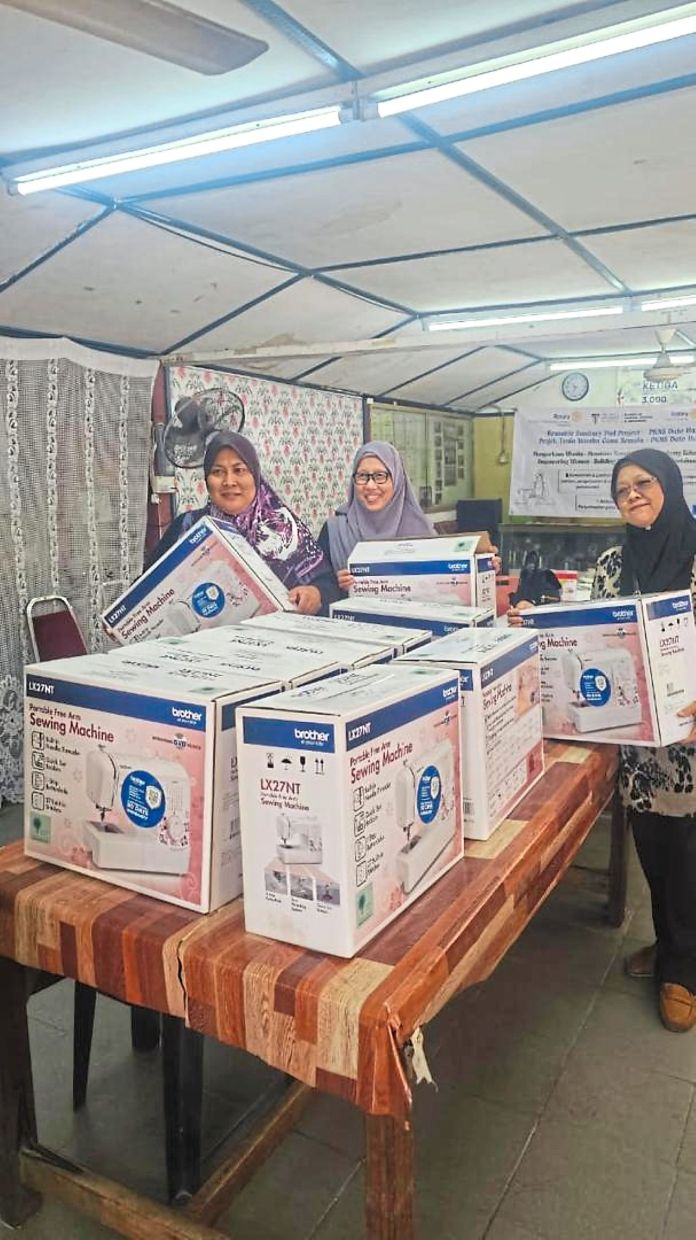
The sewing machines provided through the project remain at the community hall, allowing participants to continue producing pads after the training sessions.Some women also explore how their newfound sewing skills could create income opportunities.
The initiative's impact extends beyond economics. The workshops create room for open conversations about menstruation and menstrual hygiene – topics that are often surrounded by embarrassment or silence.
"Period poverty isn't only about access to sanitary products. It's also about dignity, health and confidence," says Dr Sharala. "It can create anxiety and stigma, and in some cases may prevent girls from attending school or women from fully engaging in work and community activities."
Mimi Zairol says the initiative has strengthened bonds among women in the community."This programme provides a space for women to come together, share experiences and support one another," she says. "The relationships built go beyond sewing activities, growing through a sense of togetherness and community spirit."
For Sharala, the project reinforces an important lesson. "We learned that the women are incredibly resilient and eager to learn when given the opportunity," she says. "The project reinforces the importance of listening to community needs and co-creating solutions that are practical, relevant and sustainable."
"I hope more women will benefit from this programme and use the skills they've learned to improve their families' well-being," says Mimi Zairol.
Sustainable solution
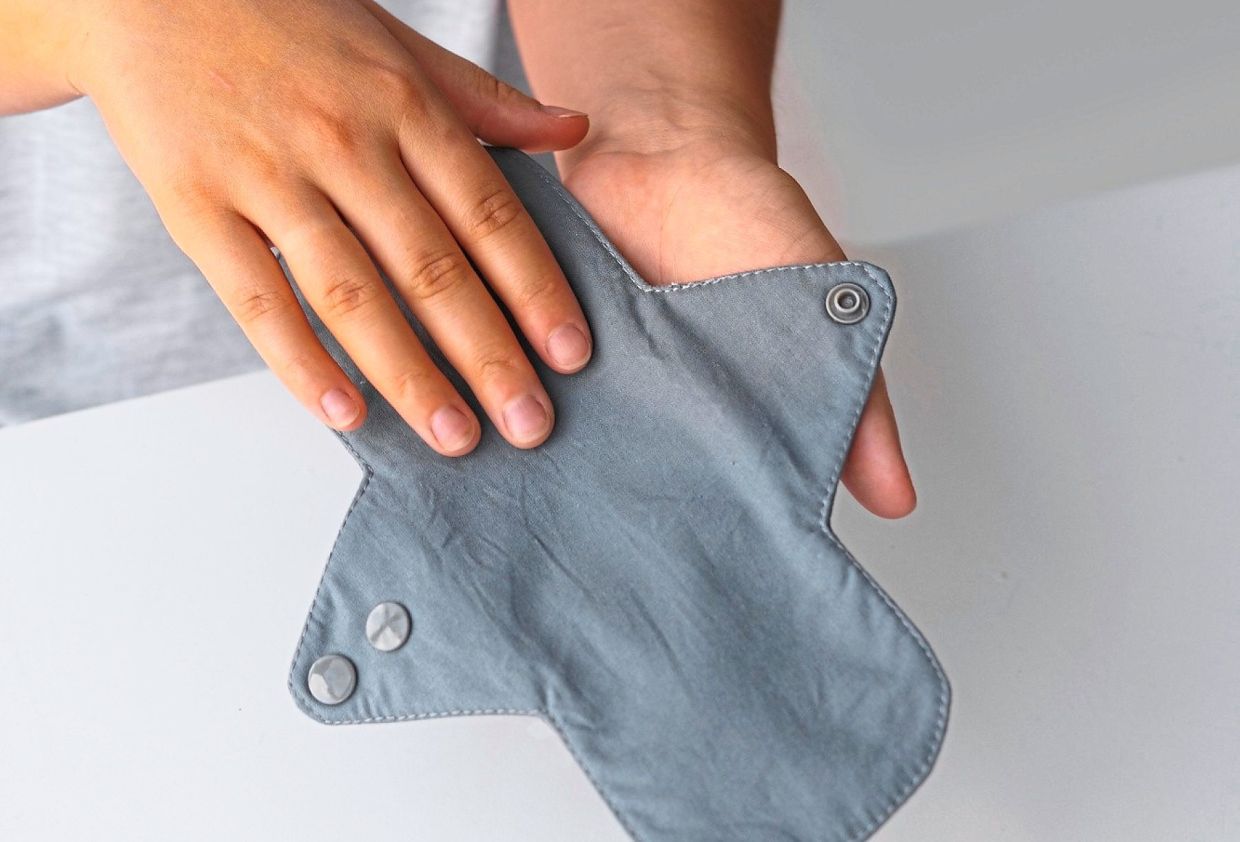
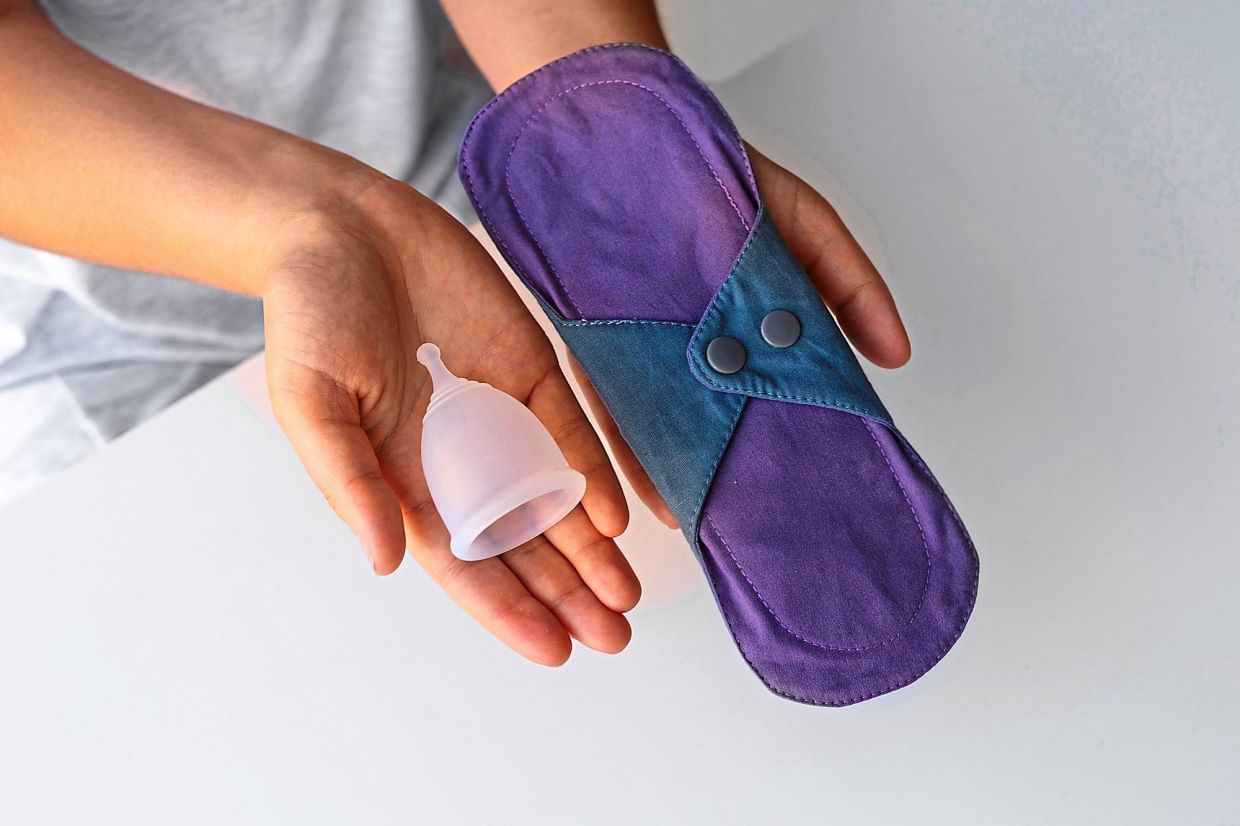
Reusable pads made of cloth are more sustainable as they can be washed and reused, lasting up to a year. Photo: Magnific
Participants working on sewing reusable sanitary pads during the workshop.
Reusable cloth pads (right) are more sustainable. Photo: Magnific
One of the community members doing measurements to create reusable sanitary pads.
Sharala says period poverty affects the health, dignity and well-being of women and girls.
The sewing machines enable women from the community to continue producing reusable sanitary towels.
Mimi Zairol says for some families, the cost of purchasing sanitary pads an additional burden.