The thought of caring for a bee colony in the backyard of your home may be an intimidating idea, especially for those with zero knowledge and experience in it.
But Universiti Malaysia Sarawak (Unimas) resource science and technology professor Dr Zainab Ngaini has found a way to turn it into an opportunity for a more secure future for military households in Malaysia.
That is the vision behind the second phase of the “Stingless Bee Entrepreneurship Project”, a collaboration between Unimas and the Defence Ministry, aimed at equipping military spouses, children and prospective retirees with the skills to build sustainable home-based businesses.
As the project leader, Prof Zainab states that the initiative goes beyond just producing honey.
“It is about building a sustainable future for military families by turning a traditional practice into a viable modern enterprise,” she says.
Military life comes with its own set of challenges, especially when families prepare for retirement or seek additional sources of income.
Prof Zainab believes stingless bee farming provides a practical solution as it is both accessible and economically feasible.
Known locally as kelulut bees, this species is native to tropical regions such as South-East Asia and does not have stingers, thus the name.
The honey produced by it is known for having high nutritional value and medicinal benefits, particularly its antioxidant, antibacterial and anti-inflammatory properties.
A viable economic path
Confidence in this phase of the programme stems from the success of its first stage earlier this year.
“The first harvest in January yielded 10kg of honey sold to the local community in jars, followed by a second harvest of 6kg sold in bulk to Boustead Plantation,” Prof Zainab shares.
“Beyond raw honey, participants were trained and successfully created branded honey soaps, proving the project’s viability for income diversification.”
Those achievements inspired Unimas to expand the programme into a structured 12-month roadmap designed for a larger group of beneficiaries within the Malaysian Armed Forces.
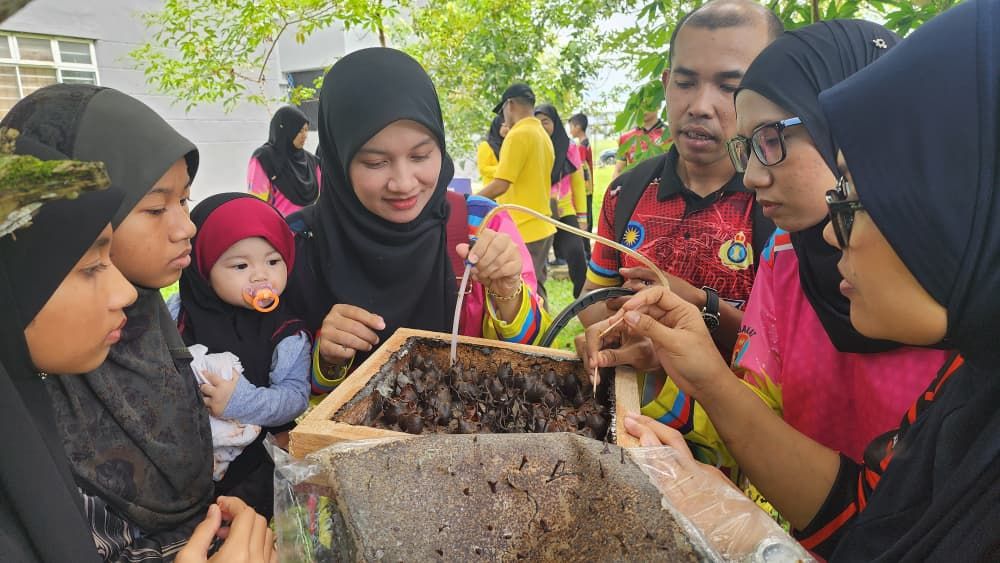
Held over two days last month in Kuching, Sarawak, the workshop provided the participants with a comprehensive introduction on the technical and health aspects of stingless bee farming.
According to Prof Zainab, the participants’ enthusiasm stood out the most during the event.
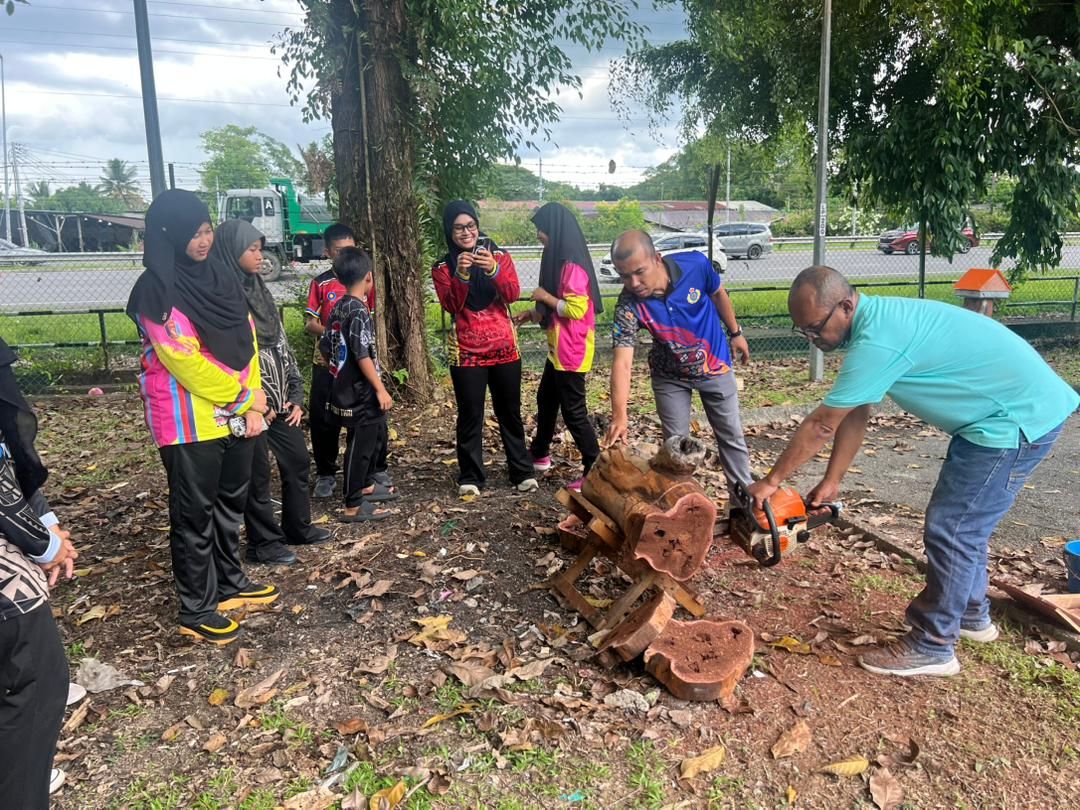
“Families felt empowered as they learned how to multiply colonies, assemble bee traps and construct toppings for their own logs.
“They were particularly engaged by technical sessions on the honey’s medicinal benefits, recognising that its high antioxidant properties and role in managing diabetes and hypertension provide a unique-value-added edge for their new brands,” she adds.
Over the coming months, participants will be guided in creating products such as lotions, balms and soaps from the harvested honey while receiving continued mentoring and marketing support.
“A year from now, we envision our 20 new beneficiaries operating as self-reliant entrepreneurs, successfully managing their own home-based businesses,” says Prof Zainab.
“Success will be defined by the development of advanced downstream products, moving beyond raw honey into higher-value markets.”
Furthermore, establishing a stable community network and a proven training plan which can be expanded to other military locations nationwide will be the ultimate goal, Prof Zainab concludes.