Community-led kelulut project turns drain reserve in USJ 3/4 into thriving ecosystem
A neglected drain reserve in USJ 3/4, Subang Jaya in Selangor, has found new purpose as a home for colonies of stingless bee, also known as kelulut.
The 0.36ha site, once used as an illegal dumping ground, is now supporting honey production.
The USJ 3/4 Rukun Tetangga (RT) launched the kelulut project with four hives in 2024, and its early success has inspired plans to expand the number to nine by year-end.
The first harvest yielded less than 500g of honey, enough to fill eight small bottles that were shared among project volunteers, said RT chairman Tan Yeng Yap.
A second harvest produced 430g from three hives – a sign that the colonies were adapting well to their new environment.
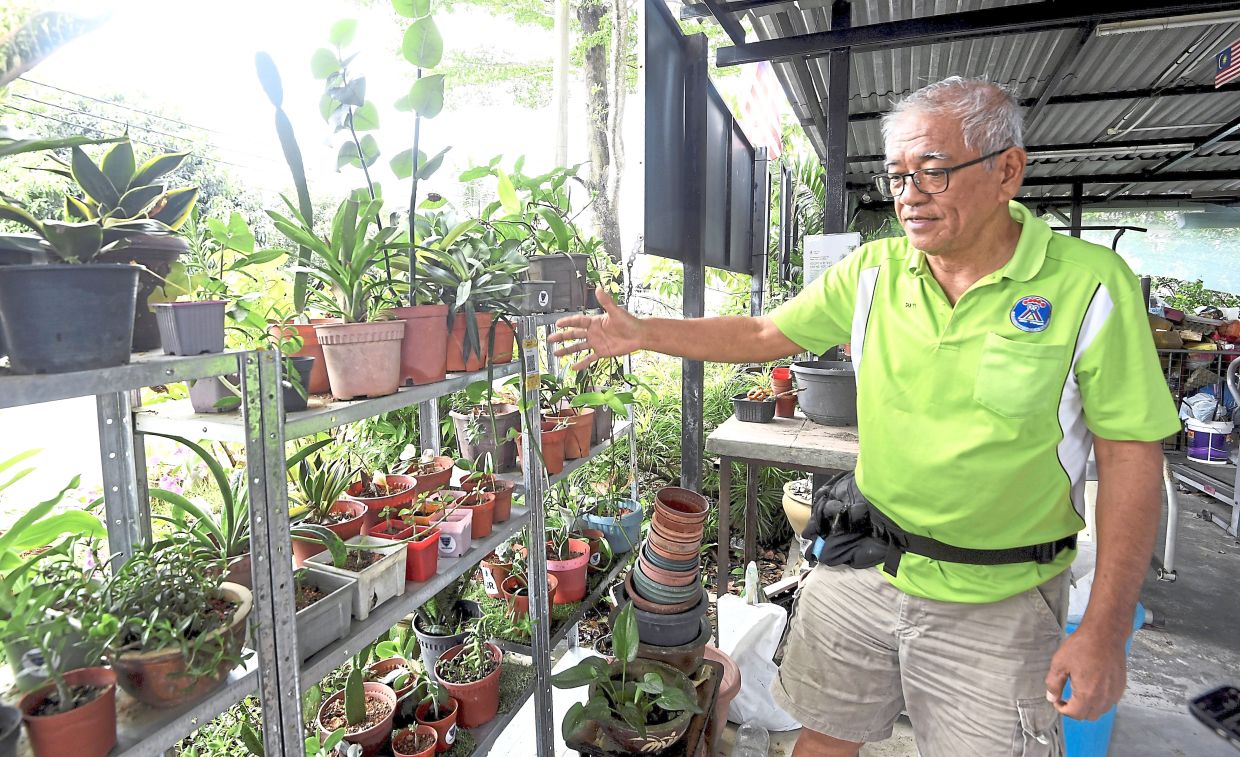
Tan, 68, said the modest harvests were a reflection of a bigger transformation.
Beyond producing honey, the project encouraged residents who knew little about kelulut, to care for the colonies while helping restore the surrounding urban environment.
“When we started in 2024, with four hives, we knew next to nothing about kelulut,” he said.
The early months also taught residents just how vulnerable the colonies could be.
Tan said the project has shown how a community could reclaim a neglected urban space, work together and create a more sustainable environment.
Urban bee classroom
The project has given new purpose to a previously neglected corner of the neighbourhood.
Before the site was transformed into a community garden, residents frequently found plastic containers, old mattresses and clothes as well as food waste dumped at the drain reserve.
In 2018, residents organised a gotong-royong to clear the area, gradually converting it into a community garden.
Tan said the groundwork began a few years before the first bee colonies were introduced.
Today, the communal space serves as a gathering point where residents spend Sunday mornings tending to fruit trees and herbs, alongside cleaning and maintenance work.
A small plant adoption corner encourages visitors to take home selected plants to care for.
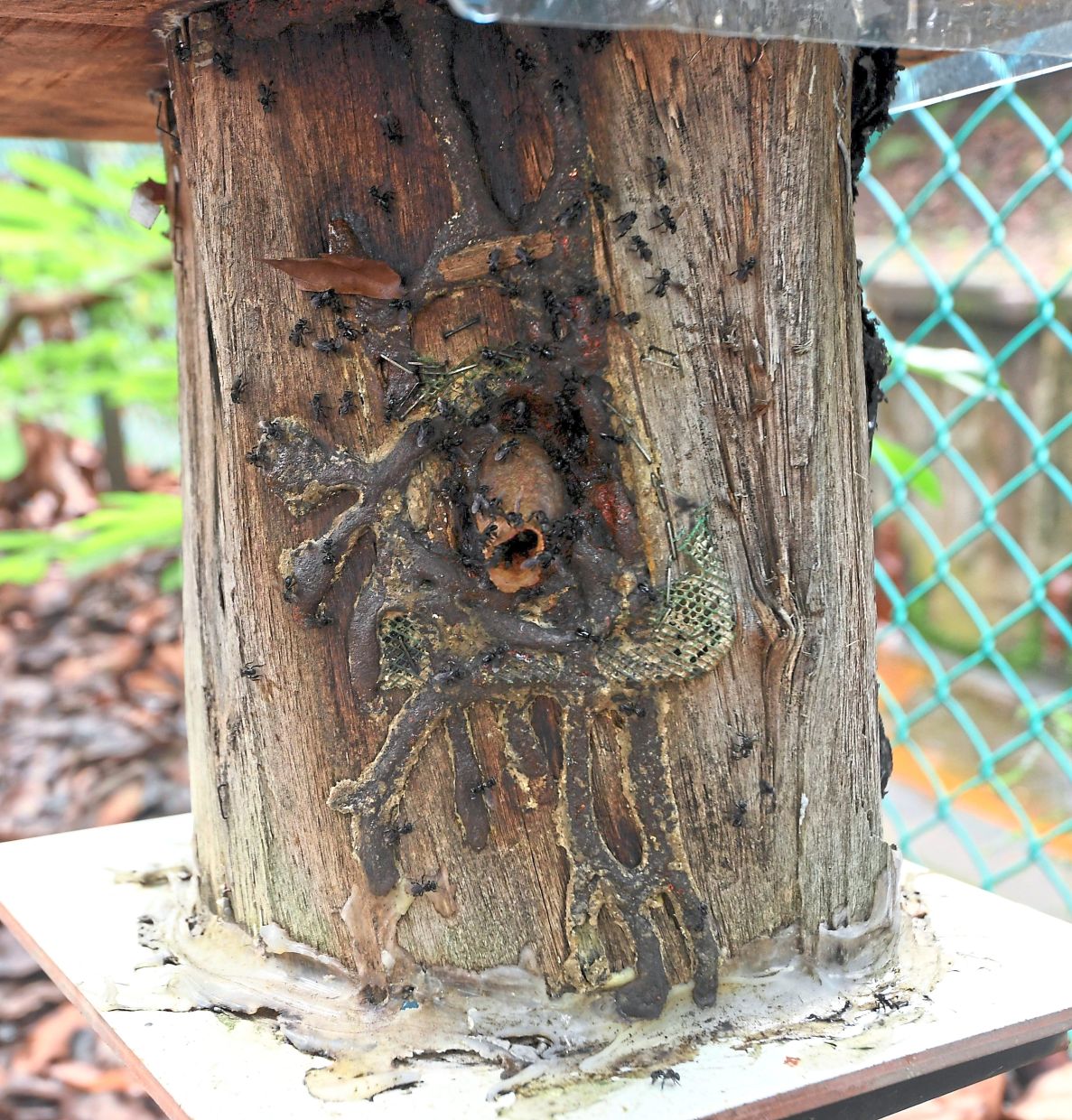
Heterotrigona itama, a species of stingless bees commonly reared for kelulut honey, are the garden’s smallest residents.
The bees are housed in specially prepared log hives placed around the garden.
Tan recalled an episode when one of the original hives was taken over by a colony of stinging bees, forcing residents to intervene and remove them.
It took three to four months for the stingless bees to recolonise their hives and stabilise.
“If the bees are happy and producing, we are happy,” he said.
Tan said the project received guidance from Universiti Selangor (Unisel) and RM25,000 funding from Subang Jaya City Council’s (MBSJ) Smart Vibrant Community Grant programme.
The support has enabled the initiative to contribute towards United Nations Sustainable Development Goals 11 and 15 by rehabilitating a former dumping ground and introducing pollinators into an urban environment.
Unisel Engineering and Life Science programme coordinator Tuan Badli Shah Tuan Jusoh said the university’s involvement, part of its knowledge transfer programme, involved lecturers sharing their expertise with communities.
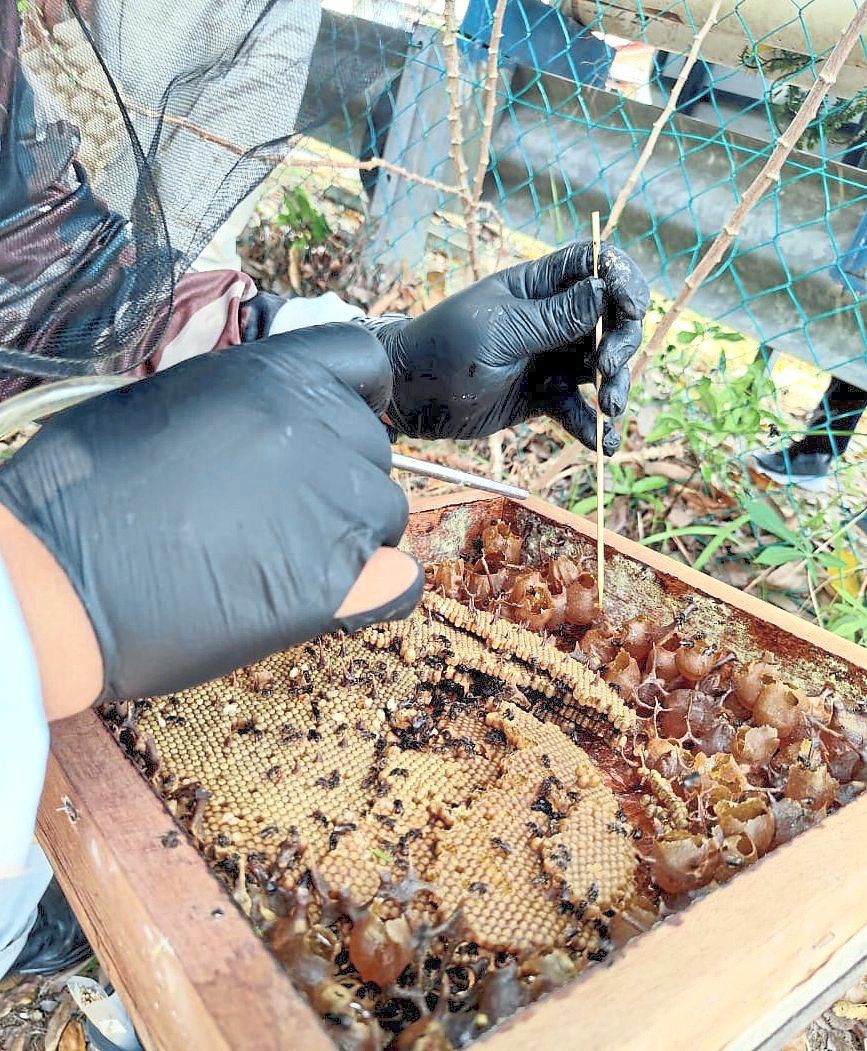
Unisel, since 2024, has been helping the USJ residents manage the bee colonies while ensuring the garden’s suitability for the project.
Tuan Badli said USJ 3/4 RT was selected from three community gardens because its established planting environment provided the most suitable conditions.
“It was not simply a matter of placing hives there,” he said.
“The area needed to have sufficient food and resin sources for the kelulut to survive, and we found the conditions here ideal for the bees to thrive.”
Building an ecosystem
The project has also changed the way residents approach gardening.
Tan said the community had shifted towards cultivating fruit trees, herbs and flowering plants, while embracing organic fertilisers and reducing the use of harmful chemicals to create a more sustainable garden.
Residents gradually came to see the bees as more than honey producers, recognising their role in supporting a wider ecosystem.
“Bees have their own temperament and character. We have to learn how to live in harmony with them,” said Tan.
Caring for the bees demands consistent effort, he added.
The project is maintained by about 15 committee members and supported by four to eight volunteers who help on Sundays or whenever they are available.
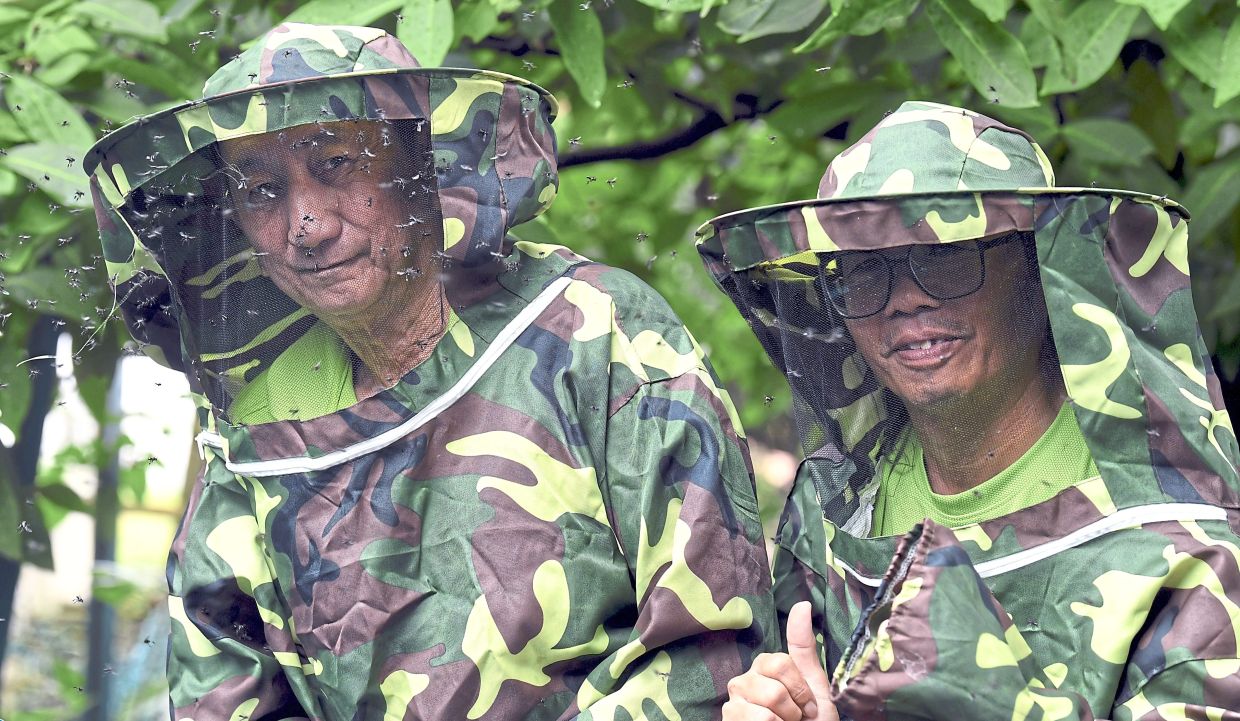
Alan Soh, 51, and Steven Lee, 66, are the two main beekeepers.
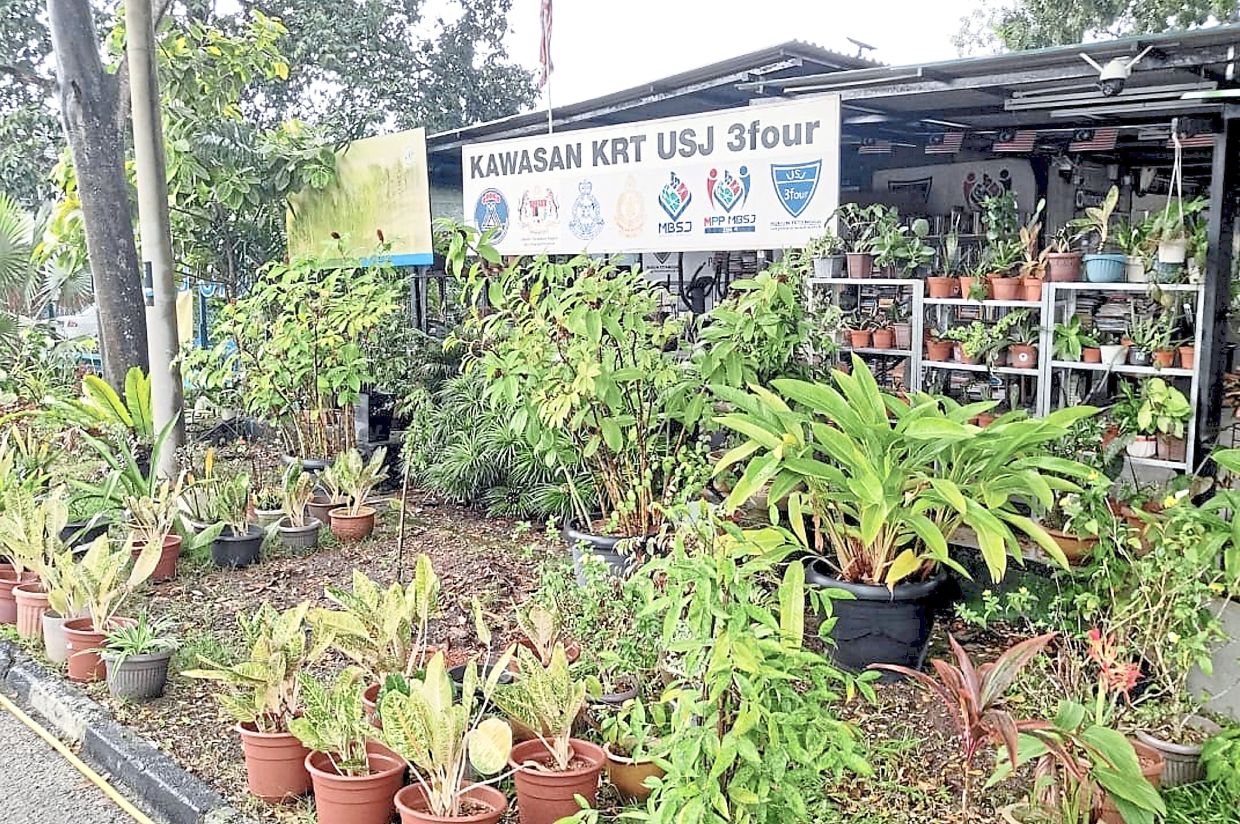
Several residents have also been trained to handle the hives, while others manage paperwork and administrative matters.
Tan said maintaining the garden was an ongoing effort, as the bees needed a clean and healthy environment to thrive.
Residents routinely clear fallen leaves, tend to the plants and remove stagnant water to reduce mosquito breeding.
Their efforts highlight a challenge faced by urban beekeeping projects – balancing pollinator protection with public health concerns.
Tan said while fogging could harm bee colonies, dengue prevention remained necessary.
He said the focus was on eliminating mosquito breeding grounds rather than relying solely on fogging.
“Residents are aware of the dengue risk.
“The first step is ensuring there is no stagnant water where mosquitoes can breed,” he said.
Protecting pollinators
Protecting the bee colonies from theft is another challenge.
Before the garden could be expanded or opened regularly to visitors, stronger security measures are needed, Tan said.
These include better fencing, closed-circuit TV cameras (CCTV), more equipment, signage and additional manpower.
Increasing the number of hives and upgrading security could cost about RM100,000 over the next few years, he added.
“We are hoping to secure support from various grant programmes, not just MBSJ.
“Most importantly, we must first establish a proven track record for our kelulut project.”
For the community, success is measured as much by the health of the bees as by the honey they produce.
Tan said residents have learned to put the bees’well-being first by leaving enough honey for the colonies and allowing them time to recover between harvests.
That approach continues to guide their plans for the garden.
Taking a step further
Tan said the 0.36ha garden had space for more than 25 hives, but any expansion would need to be realised gradually.
He said the RT would need sufficient food sources for the bees and enough trained people to monitor the colonies.
Its longer-term goal, he said, was to establish an educational space rather than a commercial honey operation.
Tan said no formal educational programme has started yet, as residents spent the past two years learning how to manage the colonies.
The plan is to strengthen the project before inviting schools, colleges and community groups to take part in organised visits.
“This is more for education. We want to encourage students and the public to understand what happens at a honey farm in an urban area,” said Tan.
The garden, he added, could serve as a model for other neighbourhoods interested in similar projects.
However, Tan cautioned against viewing kelulut farming as a quick source of income.
“It is not just about money. It is about passion for wellness and health for our community and for the bees.”
Fruits of labour
Tan said before hives could be placed on community land, the group had to secure necessary approvals from MBSJ and fulfil administrative requirements.
On June 8, the RT briefed MBSJ officers on the project’s progress after nearly two years of managing the bee colonies.
Tan said the briefing reflected how the initiative had evolved beyond its experimental stage and was ready for more structured development.
He said the USJ 3/4 RT project had endured because residents received technical guidance and remained committed to maintaining it, even when honey yields were low.
The project has changed residents’ perception of the former dumping ground, he said.
Once an overlooked drain reserve, it now brings neighbours together to exchange knowledge and learn the patience required to care for a living ecosystem.
The garden, residents hope, will eventually serve as an urban bee classroom for schoolchildren, college students and neighbouring communities.
“We learn, we share,” Tan said.