KUALA Lumpur City Hall (DBKL) will launch a citywide regularisation exercise targeting guarded neighbourhood schemes following disputes and non-compliance by residents’ associations.

“While we may have been lenient in the past, we can no longer allow residents’ associations to disregard the law or restrict public access without approval,” Muhammad Azri said.
“We will review problematic schemes across Kuala Lumpur, particularly those causing disputes. All schemes must comply with the law and current PLANMalaysia guidelines.”
Unease over access
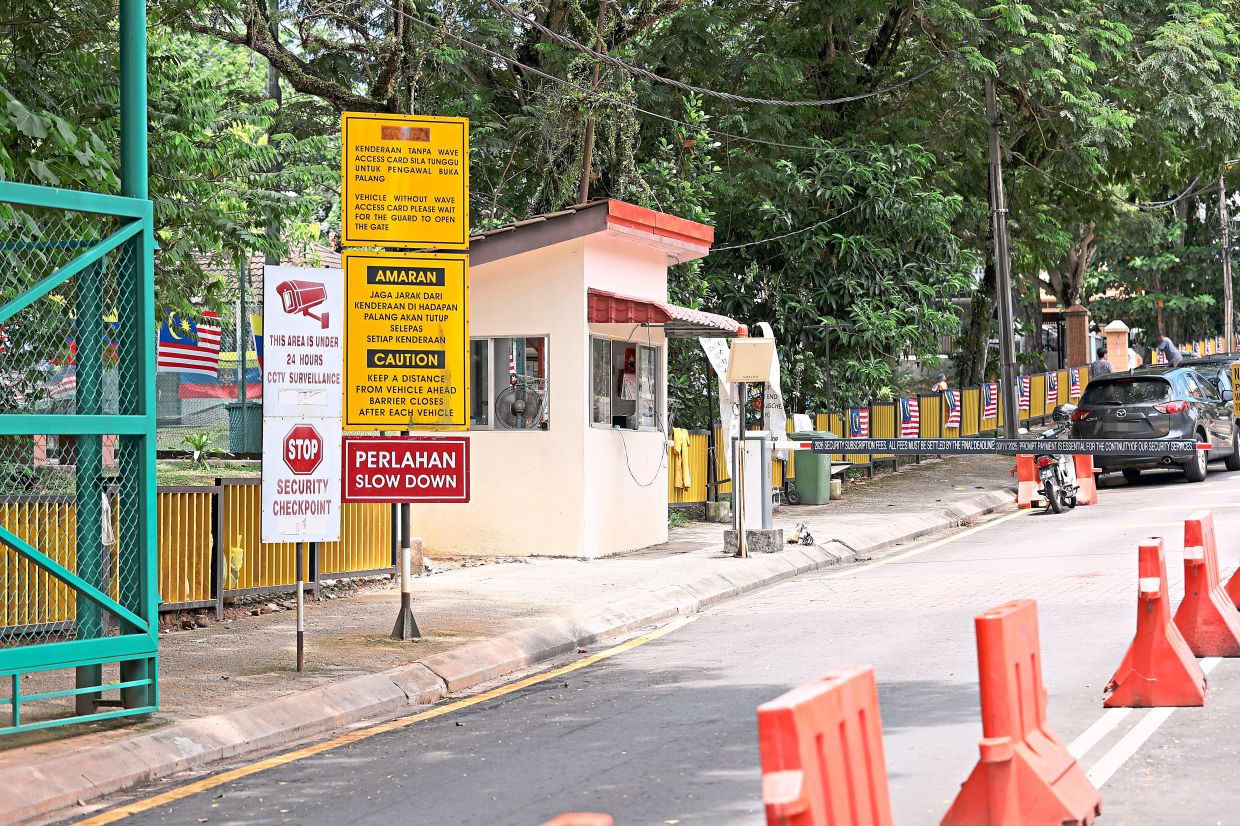
Muhammad Azri said DBKL’s plans for the citywide review of such schemes was prompted repeated disputes between residents in guarded neighbourhood schemes such as those in Country Heights Damansara, Bangsar Park and Taman Tun Dr Ismail.
The latest is a long-running dispute between residents over access arrangements at a guarded neighbourhood in Taman Desa, off Jalan Kelang Lama.
In January, Taman Desa Phase 1 Residents Association (TDP1RA) went head with plans to install new guard posts and a facial recognition system, among other measures, without getting DBKL approval.
However, some residents had opposed the new scheme, complaining about restricted access, permanent barriers and unauthorised structures.
Following this, DBKL, via a stop-work notice on Jan 19, ordered the removal of unauthorised structures and the reopening of roads blocked by permanent barriers.
However, the TDP1RA appealed to City Hall to continue with the scheme.
A mediation session organised by DBKL failed to resolve the matter, prompting the local authority to order the association, via a letter on June 5, to cease the scheme within 30 days.
Muhammad Azri said DBKL’s review and action was based on government guidelines and the scheme’s original approval.

He said TDP1RA must first regularise the existing scheme before submitting fresh applications for guardhouses, boom gates or other access-control measures.
“This decision is strictly to enforce the law and existing guidelines, not to take sides,” he said, noting checks confirmed TDP1RA had deviated from its original approval.
Muhammad Azri said unauthorised guard posts and permanent barriers would be removed or opened to restore public and emergency access.
TDP1RA, he said, could then submit fresh applications under the Housing and Local Government Ministry and PLANMalaysia guidelines.
Meanwhile the Kuala Lumpur Fire and Rescue Department had also withdrawn its support for TDP1RA’s proposed access changes after learning that its security upgrades had not been approved by DBKL.
In a letter dated April 17, the department said it had been formally notified of DBKL’s Jan 19 stop-work order.
Original approval
According to Muhammad Azri, TDP1RA received a one-off approval in October 2012 to operate a guarded neighbourhood scheme covering Jalan Desa Permai, Jalan Desa Murni, Lorong Desa Murni 1 and Jalan Desa Setia.
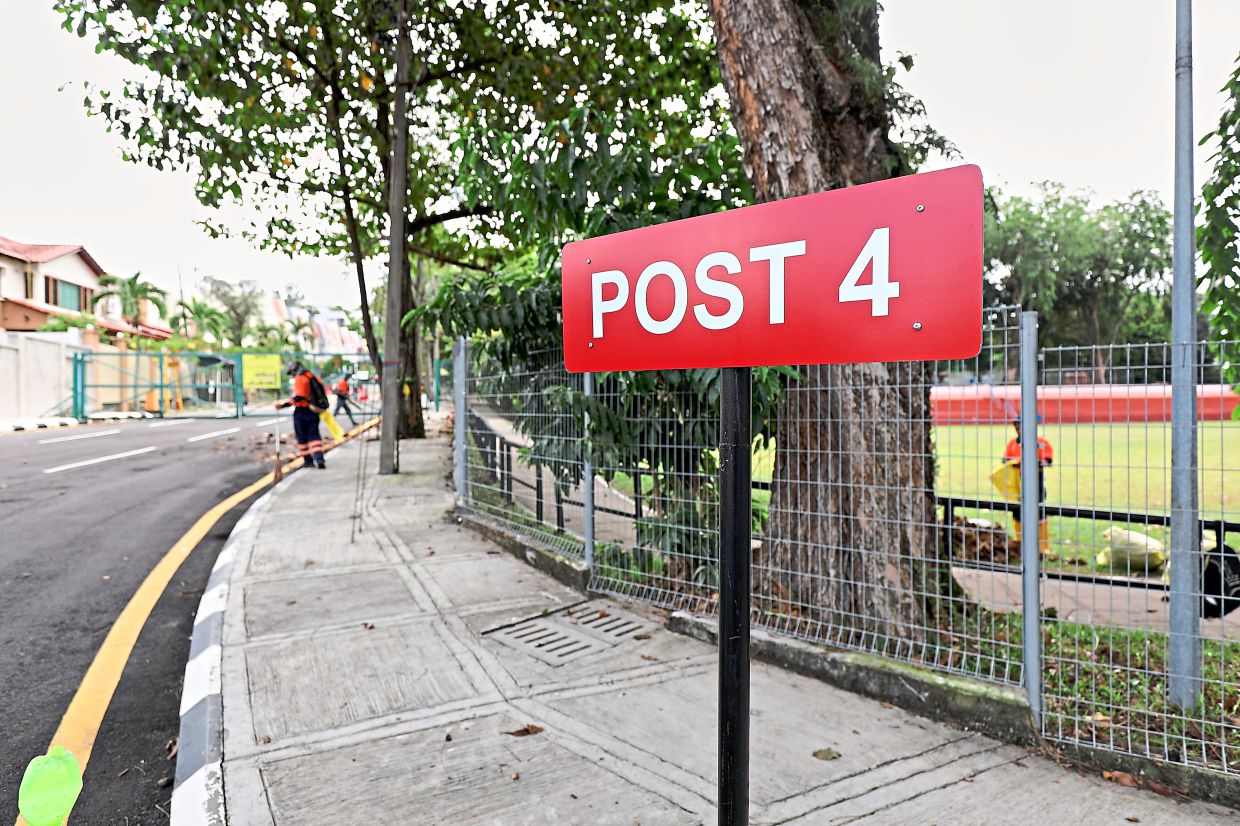
DBKL identified six guard posts in Taman Desa Phase 1 during an inspection in June. Only two posts were operating, while the others were closed.
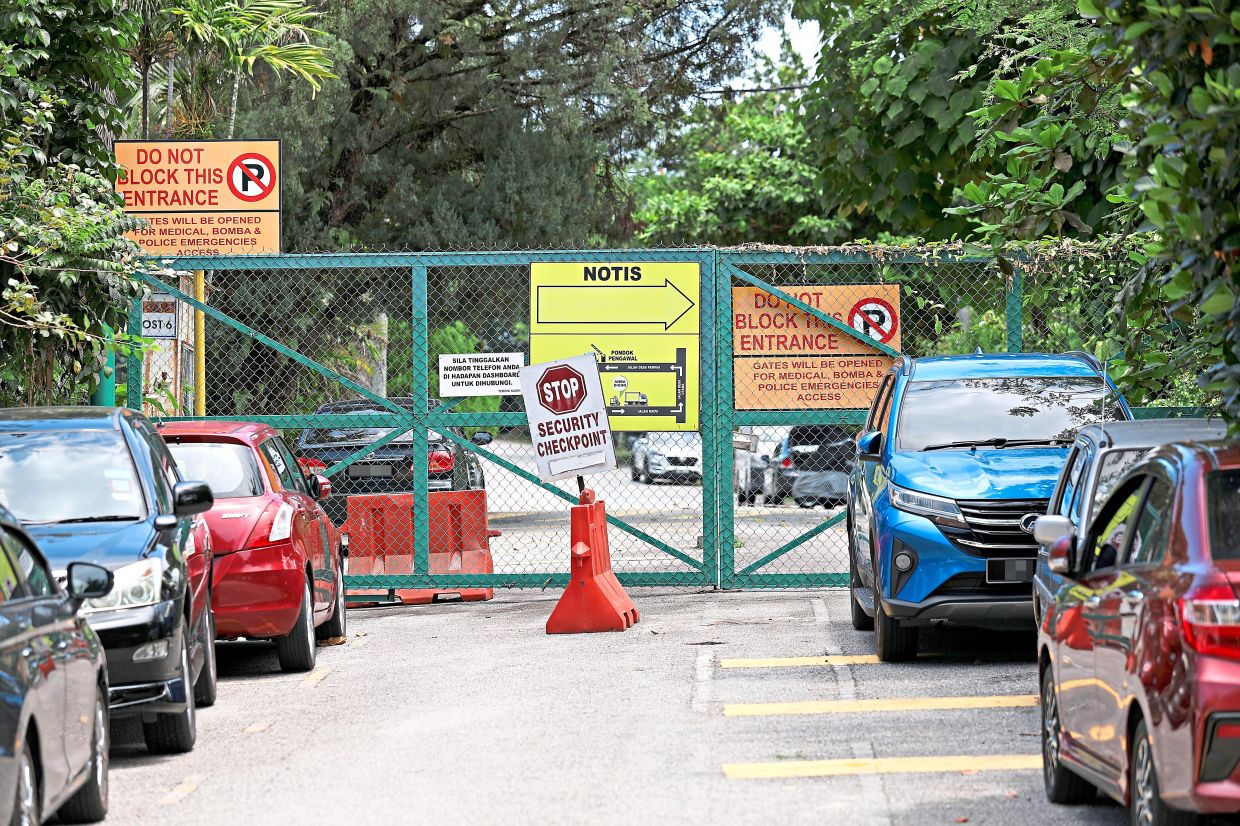
Two of the six post were not covered by the 2012 approval, while permanent fencing at three others had breached PLANMalaysia guidelines as it could obstruct public and emergency access.

The guidelines instead permit manually operated boom gates without permanent fencing.
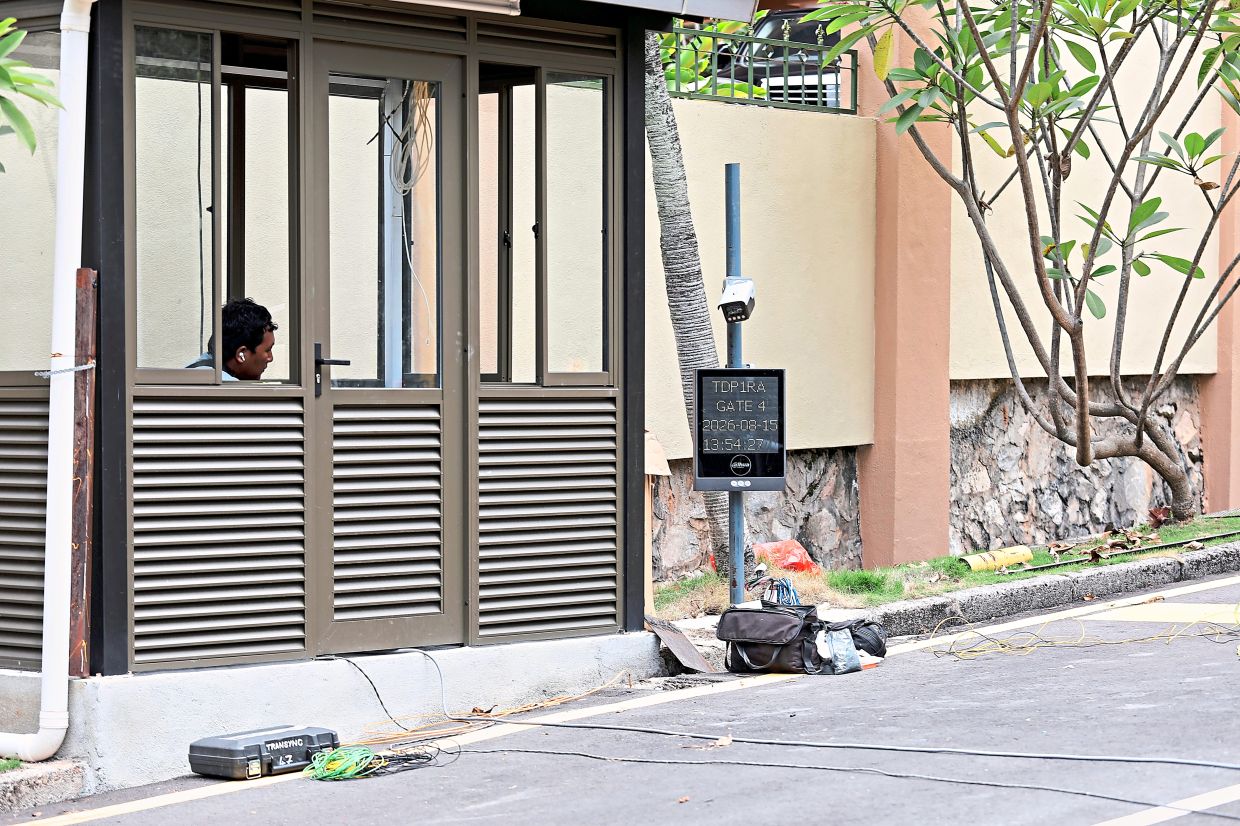
DBKL also found that a new guardhouse had been built at the junction of Jalan Desa Bahagia and Jalan Desa Setia without approval.
TDP1RA had proposed for this to be the main 24-hour access point.
Meanwhile the existing entry at Jalan Desa Ria was supposed to be closed.
DBKL has directed that both access points remain open to ensure fair access for residents who did not participate in the scheme.
DBKL had received objections from residents over the proposed rerouting,
Residents were asked to contribute towards new security upgrades.
In a March 5 letter to TDP1RA, DBKL said CCTV cameras and facial-recognition equipment had been installed without its approval.
TDP1RA was also directed to obtain fresh consent from at least 80% of current residents before DBKL would consider renewing approval for the guarded neighbourhood scheme, which is more than 10 years old.
“We have repeatedly asked TDP1RA to provide evidence that at least 80% of residents participating in the scheme have consented, but the documents have yet to be submitted.
“Unanimous consent from affected residents would be required before an automated boom gate could be considered,” Muhammad Azri said.
He said DBKL had consulted the police, the fire department and its legal department before deciding that both entries should remain accessible.
He added that earlier mediation had failed because the parties could not reach a compromise.
Scheme defended
At a press conference last Friday, TDP1RA maintained it had followed the proper procedures and initially received approval to relocate its access point.
Its president Frank Yeh said residents feared losing a security system they had funded for 15 years, particularly as about 70% of them were retirees and senior citizens.
He said the association had engaged DBKL for about nine months over plans to move the access point to ease traffic congestion caused by nearby development.
Yeh claimed DBKL initially approved the relocation, prompting construction to begin, but subsequently reversed its position following an objection from a resident, resulting in the association being required to submit a fresh application.
“We followed the required procedures, engaged licensed land surveyors and secured the support of 81% of residents who paid security fees.
“However, DBKL later required unanimous consent for the proposed automated boom gate,” he said.
Yeh said DBKL issued a directive on June 5 ordering the scheme to cease operations within 30 days.
TDP1RA warned that closing the scheme would leave the neighbourhood more vulnerable to crime.
Long-time resident Tina Ng, who is in her 60s, said items were frequently stolen from house porches before the scheme was introduced.
Another resident, who wanted to be known only as Wong, said thieves had previously lifted iron security gates off their tracks to enter homes.
“After two luxury cars were stolen further up the road, thieves targeted my home and stole my car,” she said about why the guarded neighbourhood scheme was necessary.
TDP1RA claimed to have submitted a protest memorandum to Seputeh MP Teresa Kok’s office two weeks ago, seeking her help to engage DBKL and secure the withdrawal of the closure notice.
It also sought an explanation of DBKL’s enforcement policy and raised what it described as double standards in the treatment of guarded neighbourhood schemes.
The association warned that it might pursue legal action if the guard post was dismantled before the dispute was resolved. Crossfire
Meanwhile, Kok said she had neither been informed of nor received the DBKL letter referred to in TDP1RA’s memorandum.
She urged TDP1RA not to attribute DBKL’s actions to her, adding that she remained committed to serving all residents fairly.
“In these circumstances, it is unfair to suggest that
I was responsible for, or involved in, DBKL’s decision,” she said in a statement dated Aug 14.
Kok said decisions and enforcement action concerning the scheme fell under the jurisdiction of DBKL and other relevant authorities.
While acknowledging residents’ safety concerns, Kok stressed that all security measures must comply with requirements imposed by the authorities.
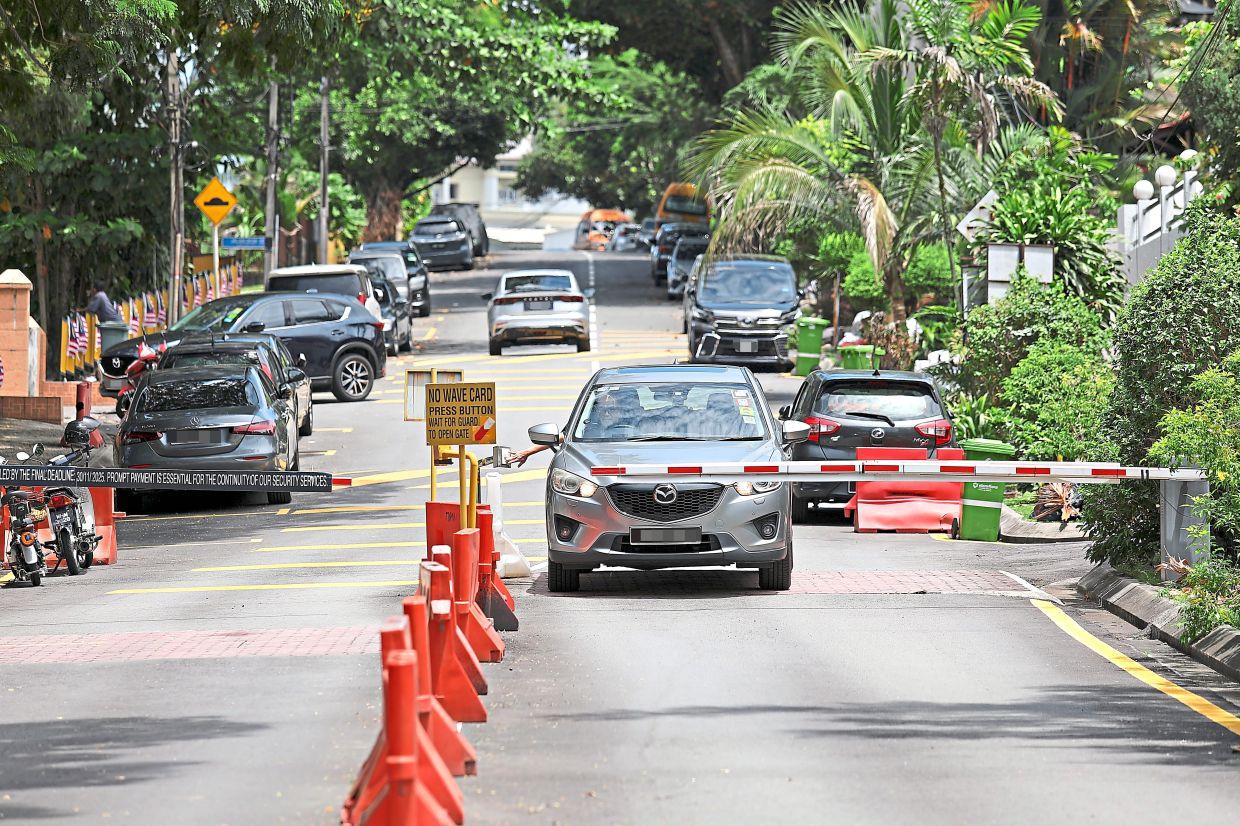


TDP1RA has been told to regularise the existing scheme before submitting fresh applications for guardhouses, boom gates or other access-control measures.
Muhammad Azri says many schemes approved decades ago have deviated from original plans or breached current regulations.
Yeh says the association has secured 81% support for its neighbourhood security scheme.
Ng says thefts were common in the neighbourhood before the security scheme was introduced.
Kok says all security measures must comply with requirements imposed by the authorities.
Wiring and equipment lay outside the new guardpost.
The guard post between the Jalan Desa Bahagia and Jalan Desa Setia junction in Taman Desa, which the RA has designated as the neighbourhood’s new main entrance.
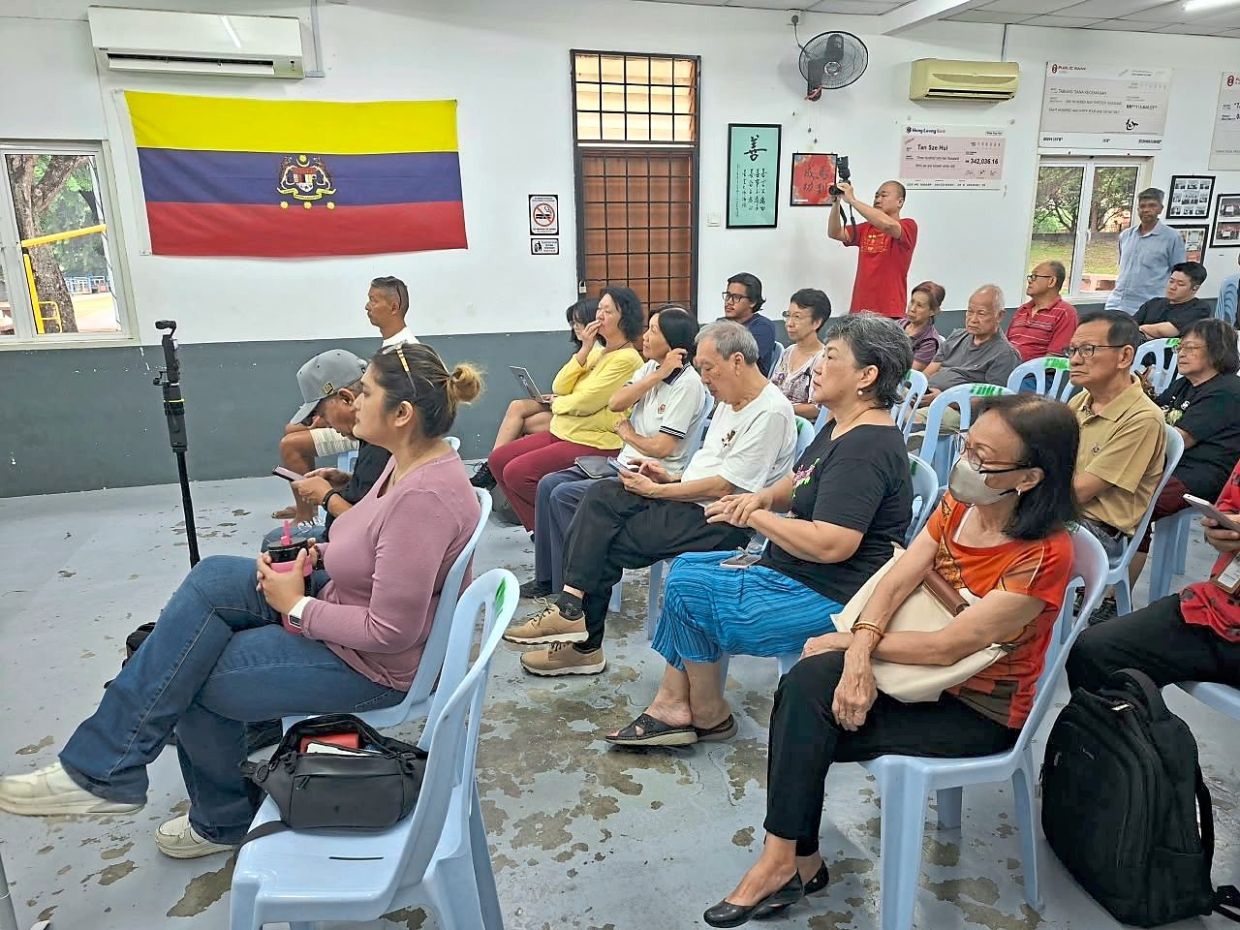
Residents hearing an explanation on the security changes and TDP1RA’s dispute with DBKL.
Vehicles parked near one of the barricaded gates in breach of PLANMalaysia guidelines as they obstruct public and emergency access.
The existing guarded main entrance at Jalan Desa Ria, Taman Desa in Kuala Lumpur.