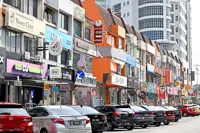
LOCAL councils in Selangor have been told to place pedestrian and cyclist-friendly infrastructure at the heart of city planning.
Selangor local government and tourism committee chairman Datuk Ng Suee Lim said improved and connected routes could make walking and cycling safer and easier.
“Improving pedestrian routes and strengthening connections between homes, public facilities, commercial areas and tourist destinations can make walking more practical.”
He called on local authorities to put more effort into making it easier for people to walk or cycle.
“Better pedestrian infrastructure will help residents incorporate physical activity into their daily lives.
“Pavements or paths in commercial areas can be redesigned to be well-connected,” he added.
Ng said the focus should not only be about building new infrastructure but also regular maintenance of existing pedestrian facilities and ensuring that routes were properly connected.
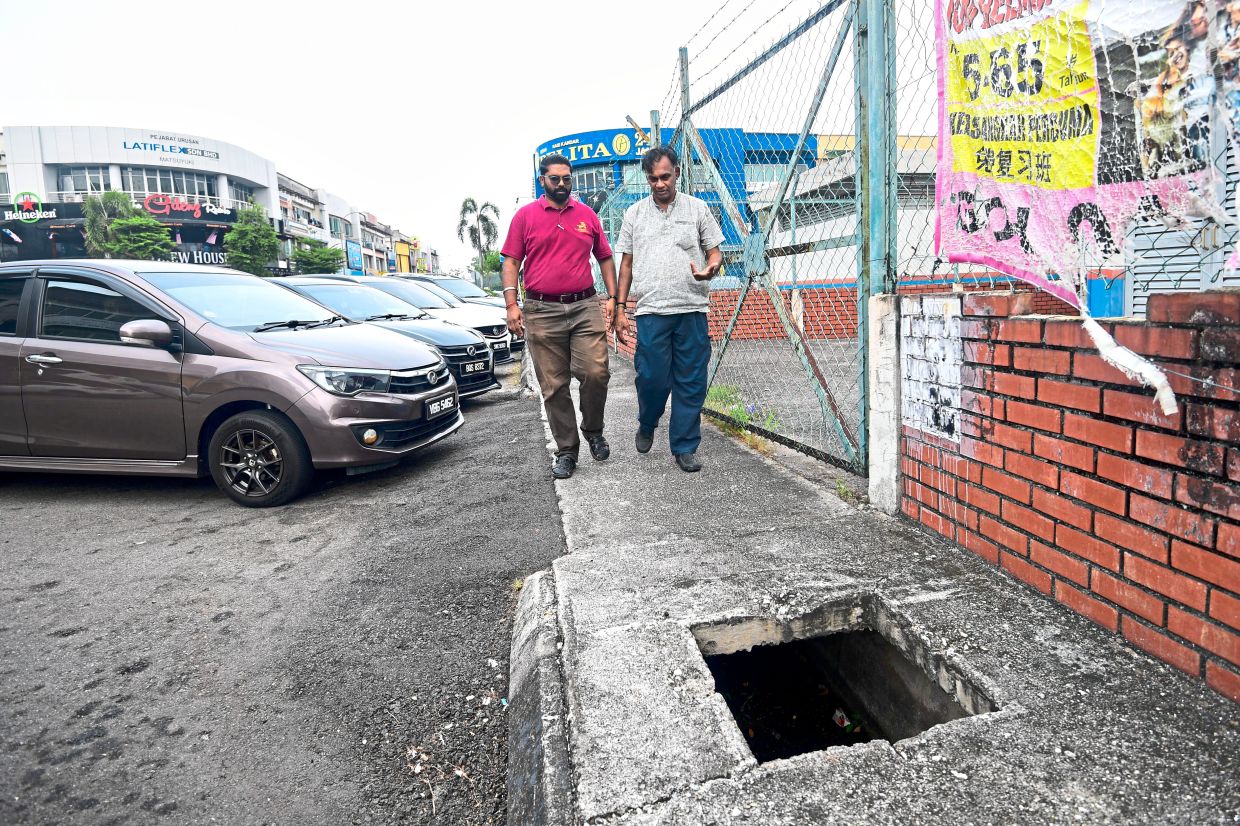
He cited the elevated pedestrian path along Jalan Batu Nilam 4 in Bandar Bukit Tinggi, Klang, as example of one that needed improvement.
“Several drainage covers are missing and others do not fit.”
He said Klang Royal City Council (MBDK) should audit the commercial area of Bandar Bukit Tinggi, with damaged or missing drain covers replaced or refitted.
He added that many pedestrians were discouraged by poorly maintained paths, lack of shaded walkways, inadequate crossings and routes that suddenly ended without providing a safe connection to the next destination.
Ng told StarMetro that all local council urban planning departments must have a well-planned pedestrian network to make walking a natural choice for short distances to destinations.
“Residents could walk to nearby shops, schools, parks, public transport facilities or community centres and not rely entirely on single-occupant vehicles.”
Ng added that improved walkways could also benefit people who cycle or use wheelchairs.
Shah Alam’s strategic plan
Shah Alam mayor Datuk Zabidah Safar said a strategic Pedestrian Mobility and Accessibility Transformation (PMAT) plan would be formulated for the city centre.
“The initiative prioritises safe, connected routes around LRT3 (Shah Alam Line) stations, schools and commercial hubs,” she said, adding that the plan involved enhanced pedestrian safety audits and universal accessibility.
Zabidah said for this year’s walkway construction works, Shah Alam City Council (MBSA) had just closed the open quotation to cover parts of Persiaran Selangor, Persiaran Akuatik and Persiaran Sukan in Section 16, and Jalan Plumbum 7/N in Section 7, at an estimated cost of RM4.3mil.
“For 2027, MBSA has approved improvement projects for Persiaran Pegawai in Section 5 and Persiaran Budiman in Section 25, with an estimated cost of RM1.6mil.”
She said MBSA aimed to reduce single-occupant vehicles and foster a more liveable, connected city for all residents.
“Our engineers and planners have proposed a redesign for wider walk and cycle infrastructure in high-activity areas and key transport corridors to advance the sustainable mobility agenda,” she added.
MBSA has also developed the Shah Alam micromobility master plan to guide development of a more connected and structured network across the city.
“The plan will support the integration of cycling and micromobility routes with pedestrian facilities and public transport,” said Zabidah.
Inclusivity in Klang
Klang mayor Datuk Abd Hamid Hussain said better connected paths could provide greater mobility for people with varying physical abilities and make public spaces more inclusive.

“Our planners have been told to identify existing pavements that need upgrading and areas requiring improved walkability.”
He said with the LRT Shah Alam Line serving the city, MBDK wanted to see more people move around comfortably.
“We will source suggestions from community leaders to build pedestrian-friendly paths to encourage residents to spend more time outdoors, interact with neighbours and visit local businesses and public spaces.”
MBDK Urban Planning Department director Yusrina Mohamad Yusof said there were currently 21,345m of walking paths in 23 localities citywide.
“Pedestrians who are able to move easily between shops, restaurants, public facilities and attractions are more likely to explore an area rather than simply pass through it in a car.
“We have planned pavement projects in five locations for 2027, spanning 6,950m at an estimated cost of RM6.9mil.
“It will involve Jalan Perbandaran, Jalan Kota, Jalan Batai Laut, Persiaran Batu Nilam, Jalan Pekan Baru and the Tanjung Harapan coastal area in Port Klang,” she highlighted.
She noted that Selangor has many established urban centres, growing townships and areas with tourism potential.
“Connecting pedestrian routes to places of interest could help residents and visitors experience destinations at a slower pace, while encouraging them to discover businesses, public spaces and attractions along the way,” said Yusrina.
PJ’s pathway to safety
Petaling Jaya City Council (MBPJ) Development Planning Department director Zain Azly Abdul Rahman said work had begun outside SMK Taman SEA to transform 500m along Jalan SS2/3 and Jalan 21/37 leading to the Taman Bahagia LRT Station.

“Wider pavements are being built to accommodate greater pedestrian flow and ensure school students have a space to walk and cycle.”
Zain said the project had received an allocation of RM1mil from Housing and Local Government Ministry (KPKT), while RM200,000 was from the city council.
“For 2026, MBPJ’s allocation to upgrade walk paths in Petaling Jaya was RM810,000.
“In 2027, the allocation proposed to upgrade or build walk paths is RM500,000.
“MBPJ is working with KPKT’s Town and Country Planning Department (PLANMalaysia) as well as non-governmental organisation Commute Initiatives,” he said of the project to transform underutilised space along a 500m stretch outside the school into a safe walking zone.
MBPJ Development Planning Department (transport unit) senior assistant director
Nazihah Jaafar said its team had conducted site studies to identify opportunities, risks and problem areas.
“Our redesign of pavements is a community-driven solution with input from stakeholders.”
Nazihah added that MBPJ had discussed the matter with local business owners, parents of students and senior citizens.
Stakeholder views
When met outside Taman Bahagia LRT Station, varsity student Sara Mohd Fazli said pedestrian routes in commercial areas should have adequate lighting, appropriate crossings and clear separation from fast-moving traffic.
“Consistent maintenance is also essential to ensure paths remain accessible and do not become obstructed by overgrown trees, damaged surfaces or other hazards.”
Another university student, Anisah Ismail said comfort could also influence whether people choose to walk, adding: “Authorities building pavements must incorporate shade and canopy trees to create cooler and more inviting environments.”
For schoolgoer R. Thinesh, public transport infrastructure must be appropriate for Malaysia’s climate.
“Fans should be installed at bus stops as passenger comfort is a public health necessity,” he said.
When contacted by StarMetro, sustainable transport advocate Ernest Wong said walkability required more than simply painting pedestrian markings or constructing isolated stretches of pavement.
“Local council planners need to consider how different routes connect and whether pedestrians can travel safely from one destination to another.
“A footpath that is attractive and well maintained but ends abruptly at a busy road does little to encourage walking.
“A cycle path that does not connect to other routes may have limited usefulness for commuters or recreational users.”
He stressed that accessibility should remain central as people with disabilities, older residents, parents with young children and those using wheelchairs or mobility aid faced challenges that might not affect other pedestrians.
“Uneven surfaces, steep ramps, narrow pathways and poorly designed kerbs can turn a short journey into an obstacle course,” he pointed out.
Wong said if accessibility was taken into account from the planning stage, local authorities could create infrastructure that served a much wider section of the population.
“Encouraging walking should therefore be viewed as part of broader efforts to improve the quality of urban life,” he said.
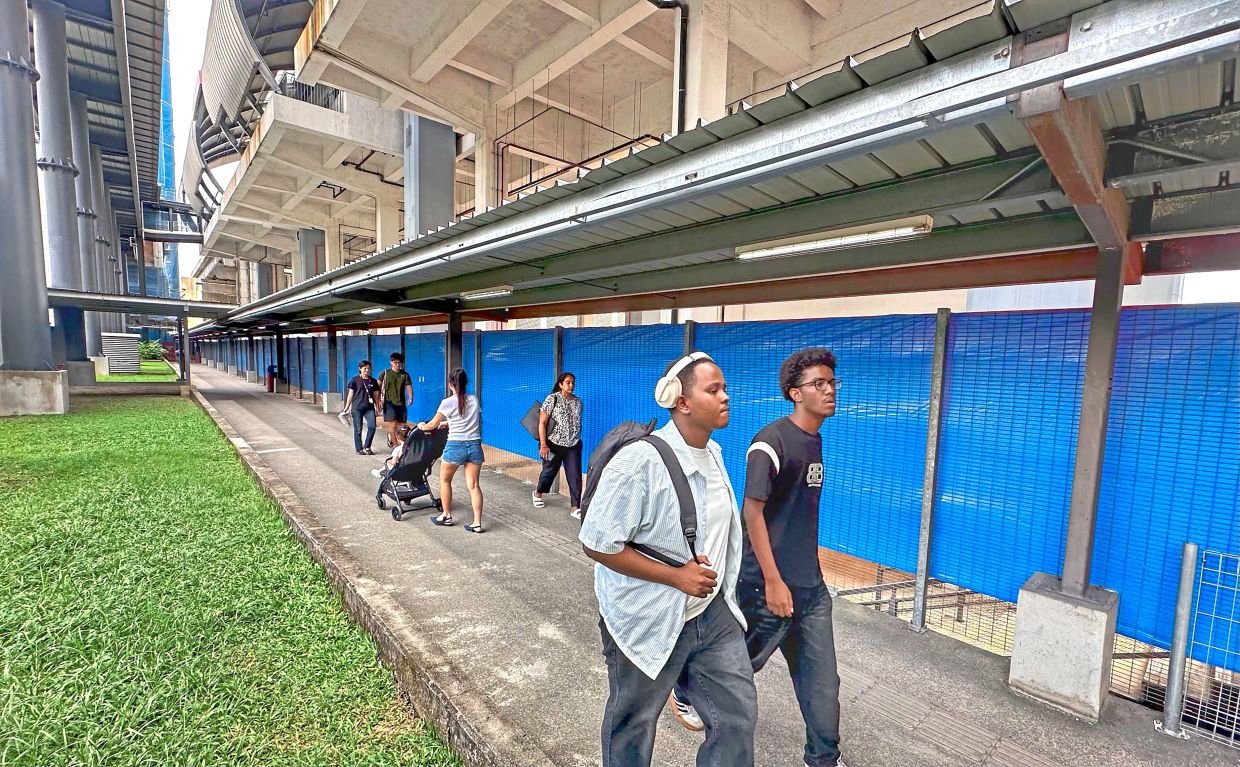


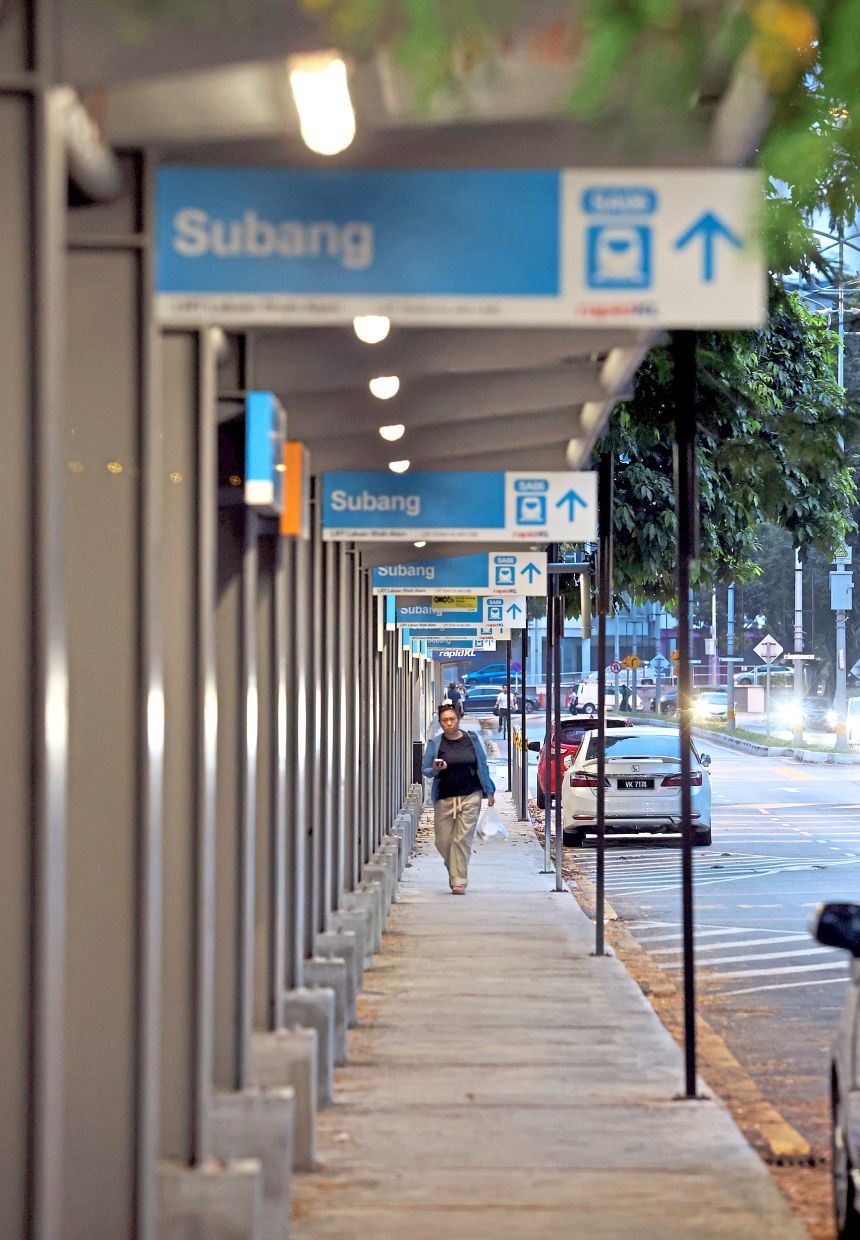
Well-constructed and better connected walkways will encourage residents to walk to nearby places, including public transport facilities. — Filepic
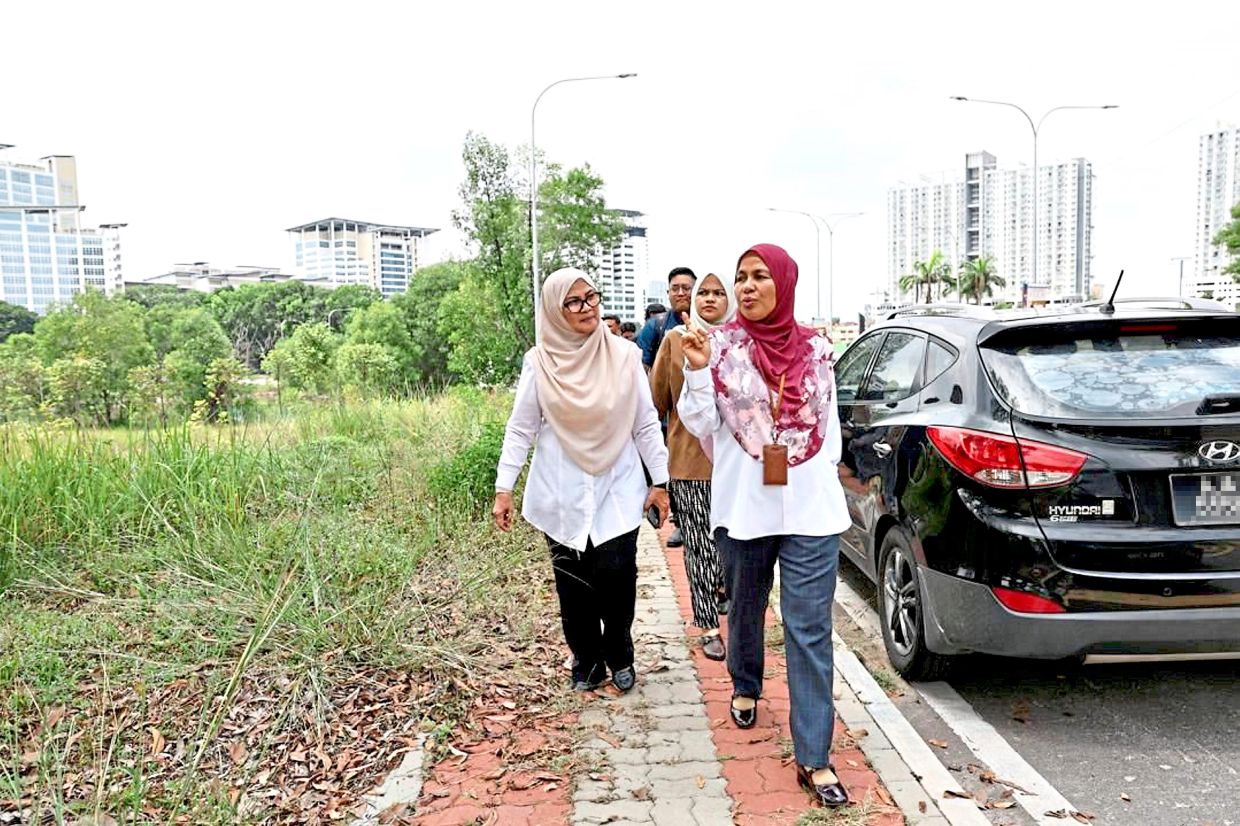
Zabidah (right) inspecting pavements in Shah Alam, including Section 13, during an audit to assess connectivity. — Courtesy of MBSA
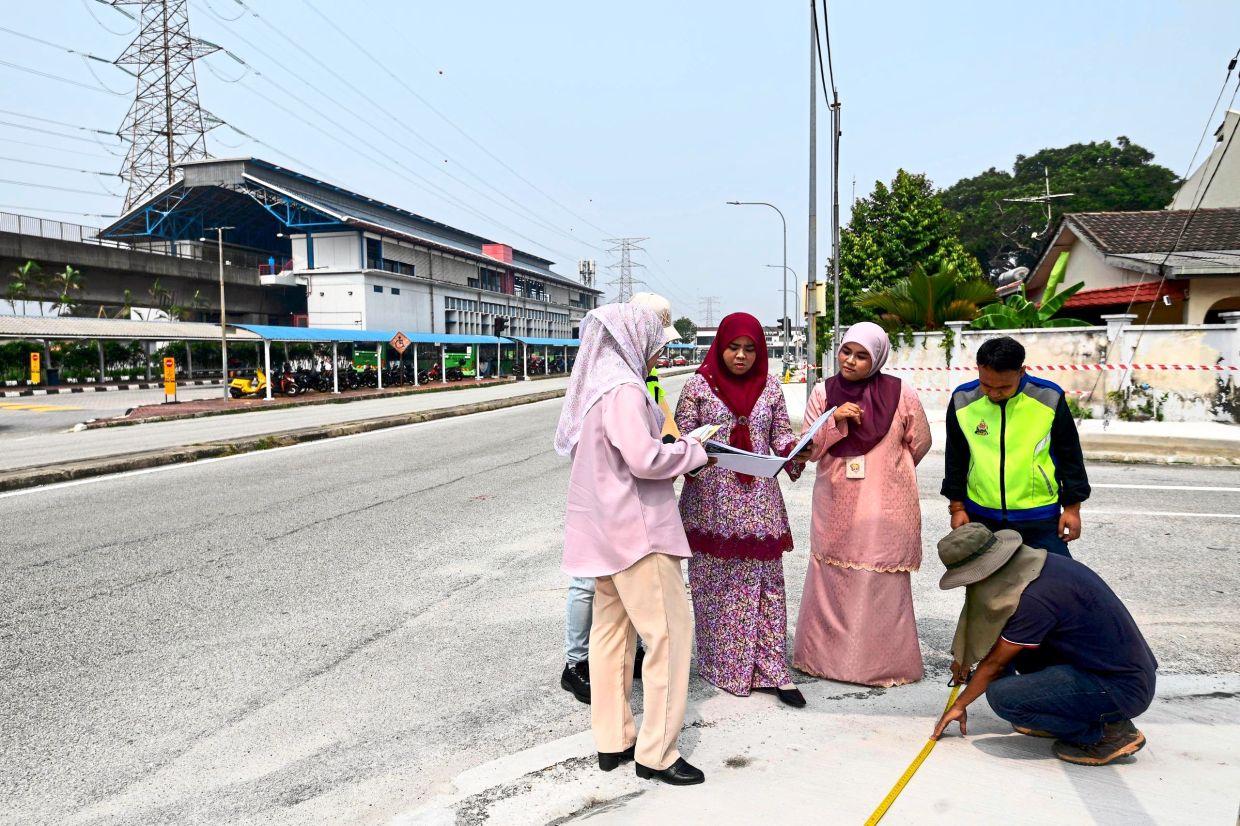
Nazihah (standing centre) discussing the redesign of Jalan 21/37 to provide connectivity and safer paths to Taman Bahagia LRT station (background, left).
Ng: Better pedestrian infrastructure can make it easier for residents to incorporate physical activity in their lives.
Anisah: Sheltered pavements needed to encourage people to walk.
Yusrina: Pavement projects planned in five locations spanning 6,950m in Klang, with an estimated cost of RM6.9mil.
Wong: Encouraging walking should be viewed as part of broader efforts to improve quality of urban life.
Missing manhole covers on pavements like this along Jalan Batu Nilam 4 in Bandar Bukit Tinggi, Klang, pose danger to pedestrians.
Pedestrians who can move easily between places are more likely to explore surrounding areas. — Filepic