BETTER waste management, improved public facilities and a safer, more inclusive urban environment are among Penang Island City Council’s (MBPP) priorities for its 2027 budget.
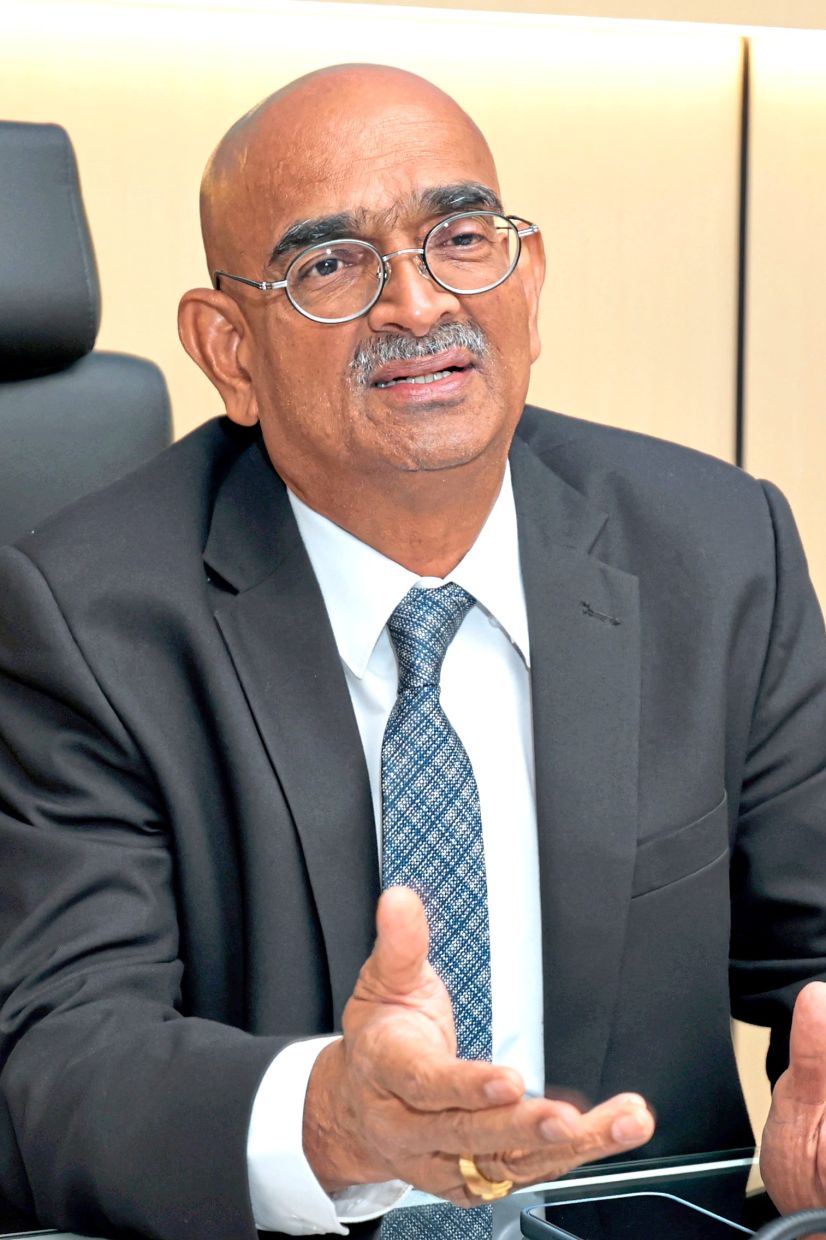
Penang island mayor Datuk A. Rajendran said the city council wanted to build a cleaner, more comfortable city through improved waste management, recycling and maintenance of public facilities.
“We want a greener and safer city, with the preservation of green spaces, better pedestrian facilities and efforts to strengthen resilience against climate change.
“We also want a city that is accessible and friendly to everyone, including senior citizens, people with disabilities and children from all walks of life,” he said at MBPP Public Education Day 2026 in Padang Kota Lama, George Town.
Rajendran said smart technology and digitalisation would continue to be used to make dealings easier, improve service efficiency and speed up action on issues faced by the people.
“For MBPP, a smart city is not just about advanced technology, but one that uses technology to solve people’s problems.”
He stressed that the true measure of the city council’s success was not in the number of awards it received, but in whether the public experienced positive changes in their daily lives.
“Are our surroundings getting cleaner? Are public facilities getting better?
“Are dealings with MBPP becoming easier? Is our city becoming safer and friendlier to everyone?
“These are our priorities.”
Rajendran called on Penangites to play their part by keeping their surroundings clean, complying with regulations, using public facilities responsibly and providing feedback through appropriate channels.
“A great city is not built by the government alone, but through the cooperation and commitment of the entire community,” he added.
Meanwhile, Chief Minister Chow Kon Yeow said public education was important in shaping a disciplined and responsible society, particularly in maintaining cleanliness, managing waste and preserving public facilities.
He said the Penang2030 dashboard recorded an overall achievement of 74% for initiatives aimed at continuously improving public safety and cleanliness.
“The state’s recycling rate stands at 51%, against the target of 70%, while 30 of the 33 marine water quality monitoring stations have received good assessments,” he said.
MBPP public education subcommittee and event organising chairman Nicholas Theng said the event was held to familiarise the public with MBPP’s policies, responsibilities and services.
The third edition of the annual event featured 31 booths – 21 from MBPP and 10 from other government agencies.
Theng said the council dealt with various issues on a daily basis, with different departments handling different matters.
“The council faces issues almost every single day, from clogged drains to overgrown trees and crow nuisances.
“Each respective department is tasked with looking into the matter and taking the necessary action,” he said.