
For a disease that is largely preventable, cervical cancer continues to affect lives as too many women are skipping to get screened regularly.
Around 7% of Malaysian women are estimated to be carrying the Human papillomavirus (HPV) – the main cause of cervical cancer.
However, only less than half of women in Malaysia have undergone screening for cancer due to factors such as accessibility, fear and social stigma.
This gap is what the sixth phase of Etiqa’s "Free Cervical Screening Programme" with Rose Foundation hopes to bridge as the initiative expands to reach more vulnerable communities, including women with disabilities.
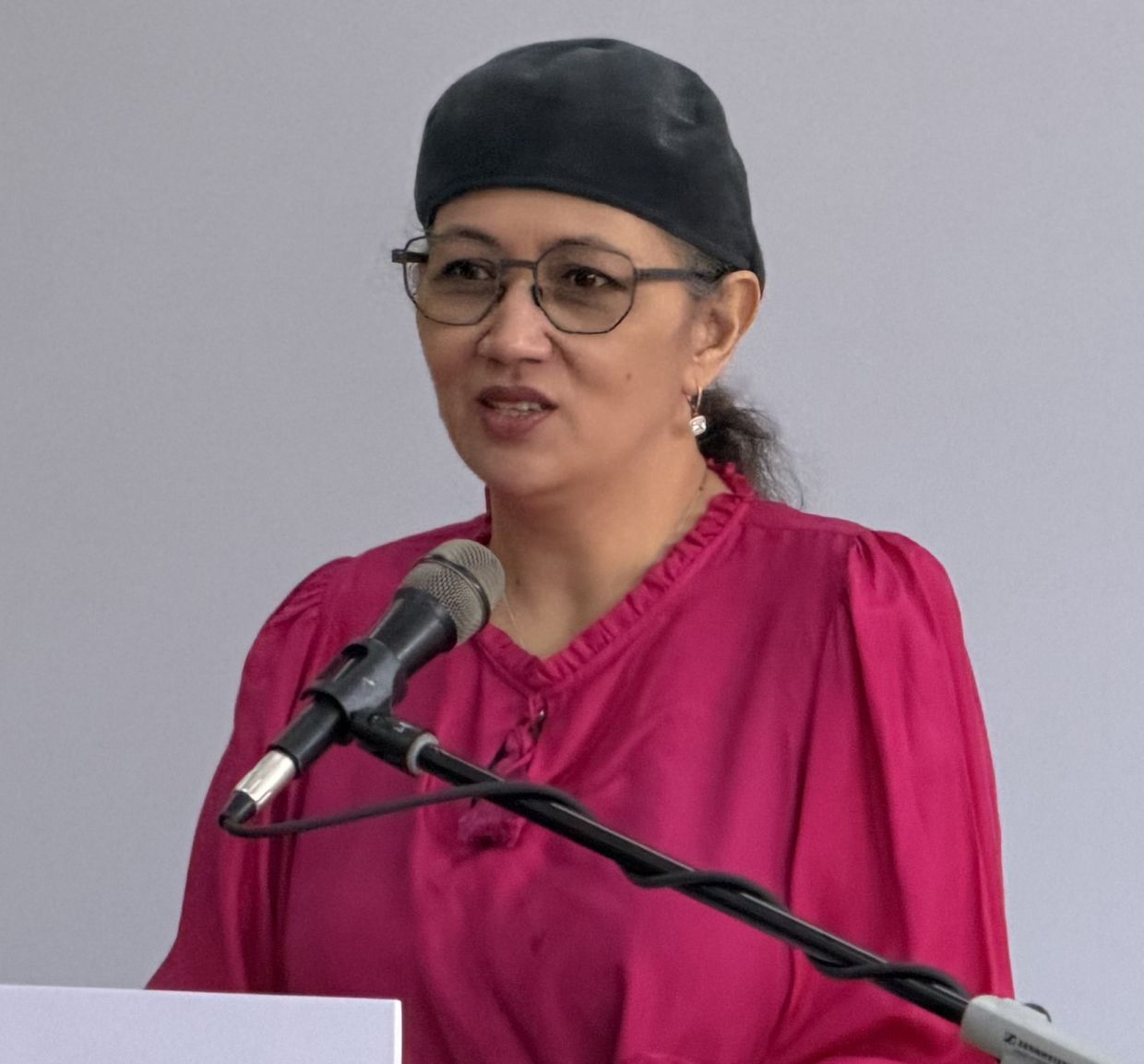
Officiated by Deputy Health Minister Datuk Hanifah Hajar Taib last Saturday in Kuala Lumpur, the programme is backed by a RM1.2mil contribution from Etiqa and aims to strengthen Malaysia’s efforts in eliminating cervical cancer through early detection and intervention.
Since the partnership began in 2019, Program Rose (which stands for “Removing Obstacles to Cervical Screening”) has resulted in more than 28,700 women being screened for the disease.
The initiative has helped identify 1,488 women with HPV infection, with 88% of them successfully referred to government hospitals and clinics for further care.
“The fight against cervical cancer begins long before a woman enters a hospital or clinic. It starts with knowledge, early screening and the confidence to take action before the disease has a chance to develop,” Hanifah explained in her speech.
Better hope for women
The active collaboration between the government, private sector and community organisations can make preventative healthcare more accessible, Hanifah shared during the launch.
“Today, about 65% of women in our country have not gone for cervical screening in the past three years. This means many women may miss the chance for early detection before it becomes cancerous.
“This programme is more than a screening initiative, it is a commitment to giving women hope, protecting lives and ensuring that every woman has the opportunity to live a healthier future.”
She also highlighted the HPV DNA self-sampling (allowing individuals to privately and comfortably collect their own swabs for testing) as a simple and convenient method that helps overcome barriers, making it easier for women to come forward and get tested.
Rose Foundation chairman Prof Datuk Dr Adeeba Kamarulzaman said the organisation’s mission is to also ensure that no woman has to go through this journey on their own.
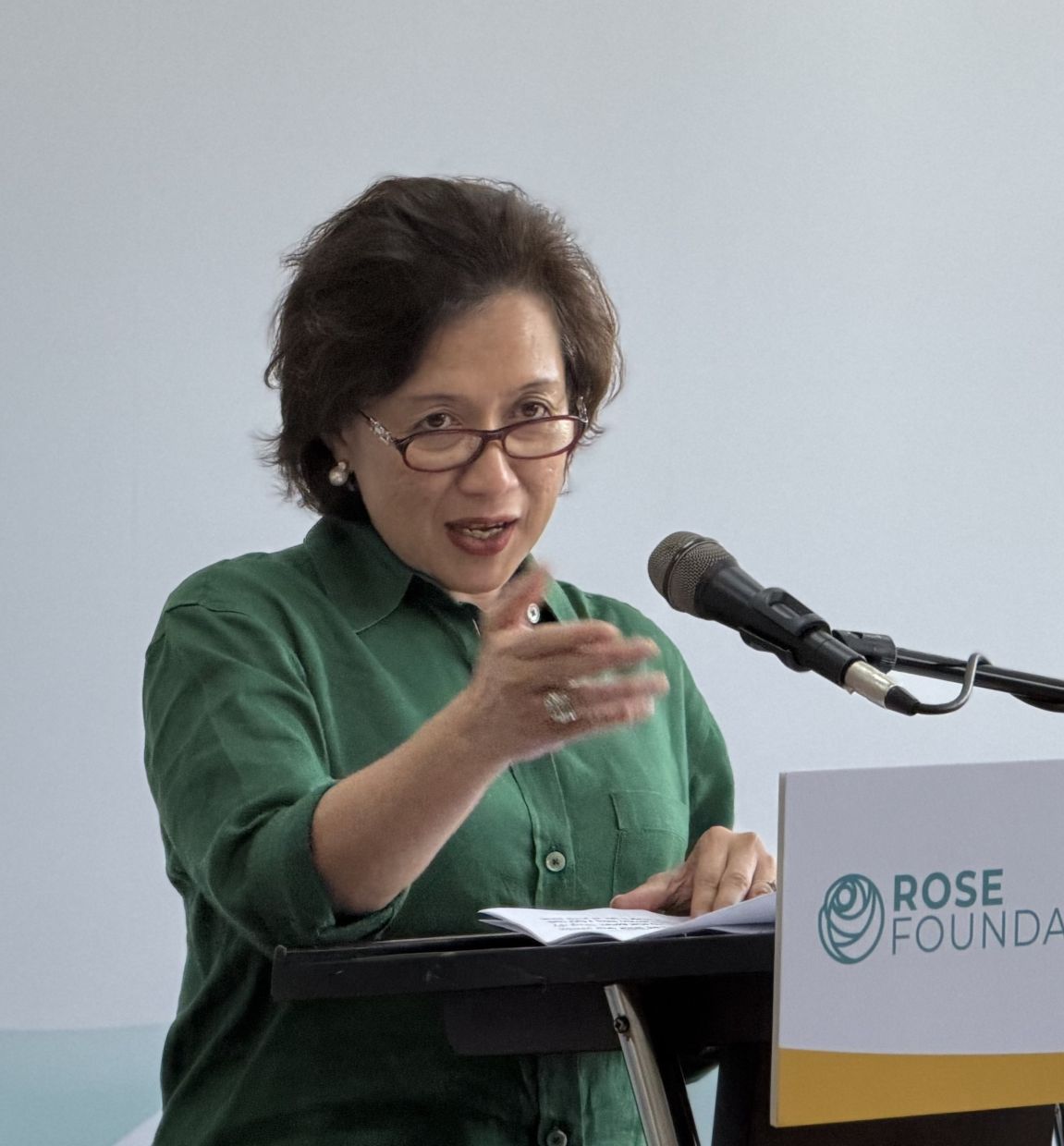
“Through self-sampling, validated laboratory testing, a digital health registry and personalised linkage to care, we provide women with a seamless screening journey – from screening and receiving their results to accessing timely follow-up care where needed.”
She added that this phase would place greater emphasis on reaching underserved communities – including women with disabilities – while supporting the country’s transition towards HPV DNA screening and meeting the national cervical cancer elimination targets.
Etiqa Life Insurance Berhad chief executive officer Leong Su Yern said the insurance company remains committed to removing financial barriers that prevent women from accessing potentially life-saving screening.
“Detecting cervical cancer early not only leads to better health outcomes, but also helps reduce the emotional and financial strain that late-stage illness can place on individuals and their families,” she said.
“Every woman screened is a woman empowered, every woman protected is a family strengthened, and healthier families build stronger communities and a stronger nation.”