For artists and illustrators, Hari Raya has become a yearly platform to showcase creativity on a smaller canvas. A simple sampul is elevated into a cool collectible – one that blends traditional cultural narratives with contemporary design and cute wit.
In recent years, artists and illustrators have led the way in shaping this trend, but institutions have begun to catch on too. Even the National Art Gallery has joined in this year, issuing limited-edition sampul Raya that celebrate classic works from the national collection.
Limited-run series heighten the appeal – once sold out, they’re gone, creating a sense of urgency among collectors.
Many artists further deepen the connection by sharing the stories behind their designs on social media, offering insight into the inspirations, patterns and themes that shape each piece.
If you’re still looking for artsy sampul Raya for family and friends, there’s still time to get your hands on a variety of designs before you balik kampung.
Old world kampung nostalgia
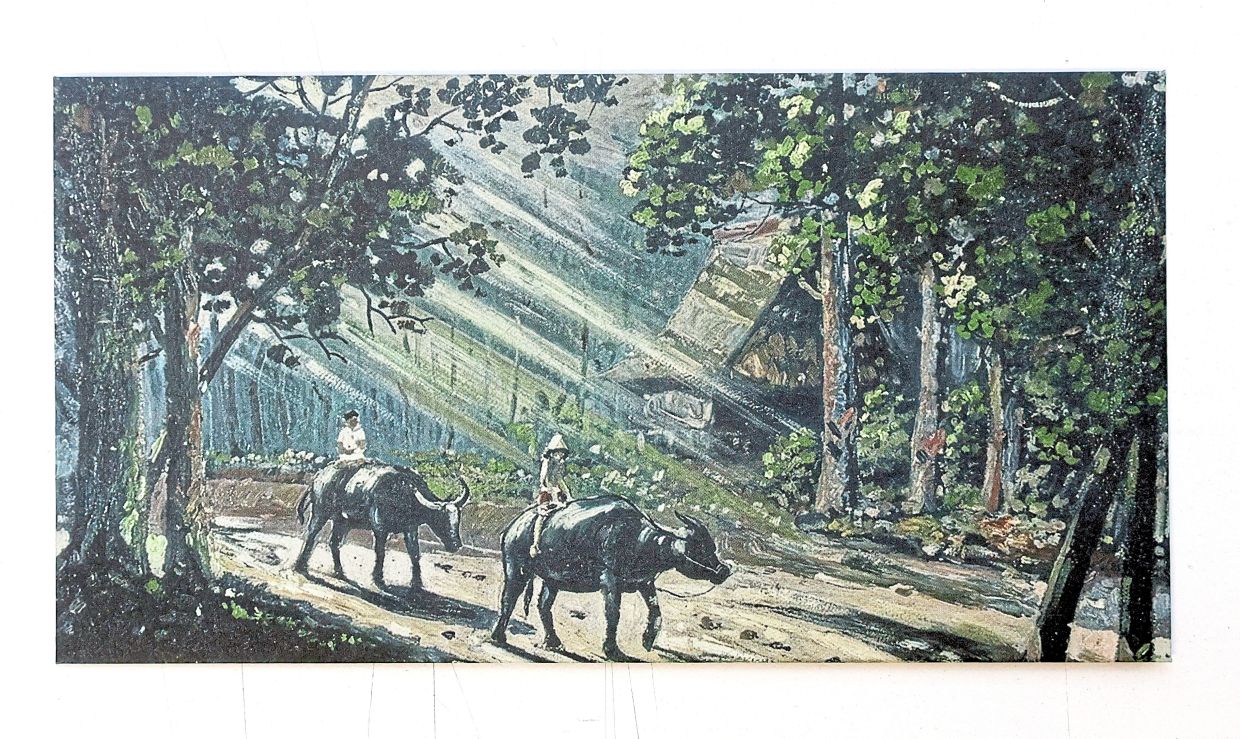
The National Art Gallery is jumping on the bandwagon, with a five art print sampul Raya series. The money packets feature prints of five paintings by pioneering artists, offering not just a beautiful aesthetic but a richer history – evoking memories of kampung days, open fields, lively markets and a strong sense of community.
The works include Tew Nai Tong's Menjual Buah-Buahan (Selling Fruits, 1963), W. Mahagamasekara's Di Ladang (On The Farm, 1960), A.B. Ibrahim's Menunggang Kerbau (1950), Lai Foong Moi's Menuai Padi (Harvesting Padi', 1963) and Ismail Mat Hussin's Pasar Siti Khadijah'(2003).
These are kampung scenes from another era and the prints aren’t just for keeping – you can also use them in creative ways, like as wallpaper or bookmarks.
Finally, a way to get the new generation interested in national art treasures – by slipping some cash inside them.
To trade and keep
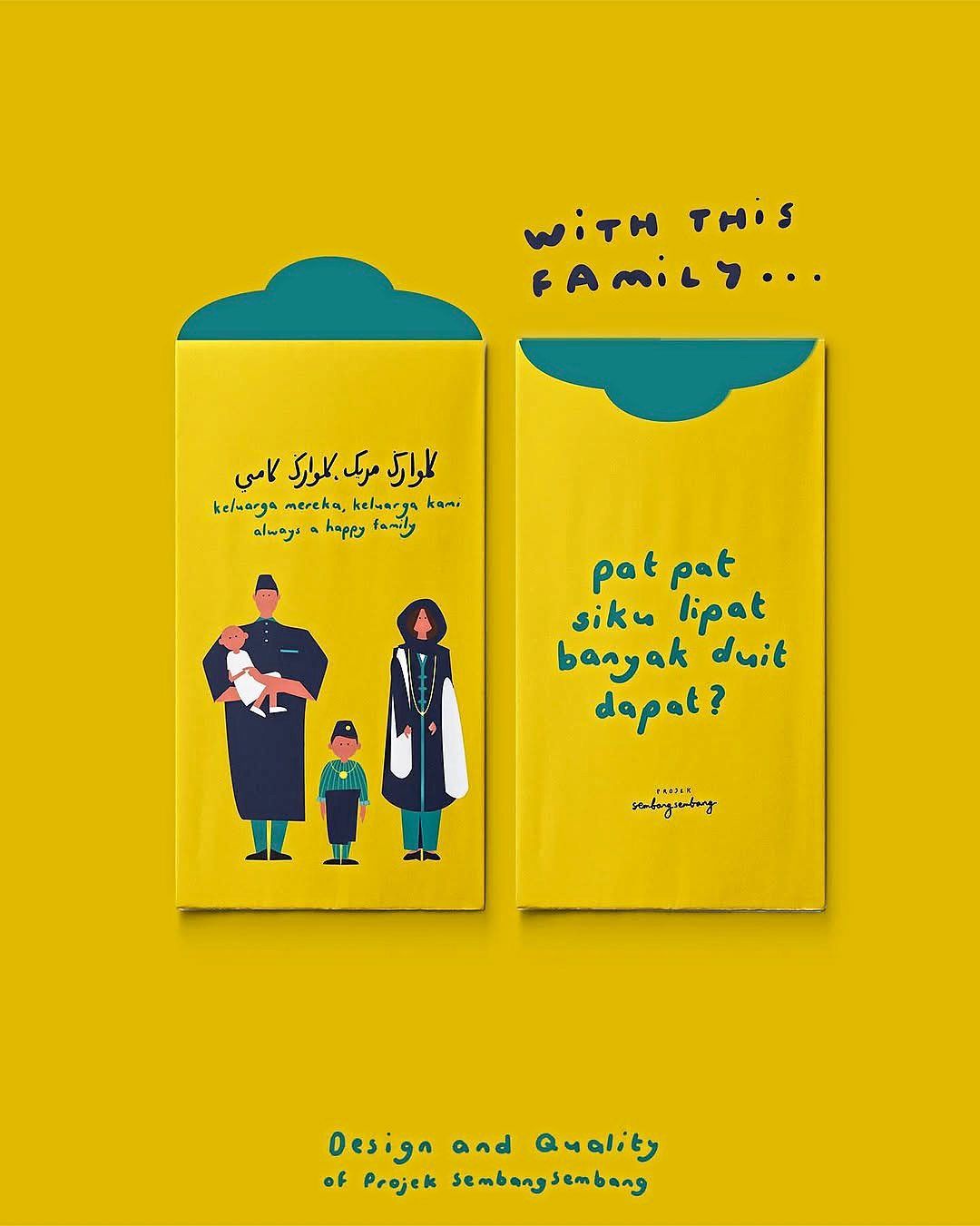
A popular place to buy sampul raya is Mari! Ke Kedai in Tamarind Square, Cyberjaya, which offers a wide selection of designs made by local designers and artists. They can be found online too. The independent lifestyle store and studio is known for their variety of merchandise – from sampul raya to posters, stationery, tabletop games, and even clothing. This year, its companion brand ProjekSembangSembang released several new designs, with some returning from previous years.
The collection is anchored with a short four-line pantun, poking fun at how much food you only get to eat once a year, how sleeves are folded till the elbows, and other curious Raya observations.
You can also choose from four designs in their "Say Sedondon" series, paying tribute to traditional textiles – sarong, batik, songket and pelikat.
Taking the fast lane
The Mari! Ke Kedai store also spotlights other illustrators such as Finn Anuar, known for her work with female empowerment initiative Perempuanmelawanart.
You can also check out her work on social media, which is equal parts inspiring, rebellious and playful.
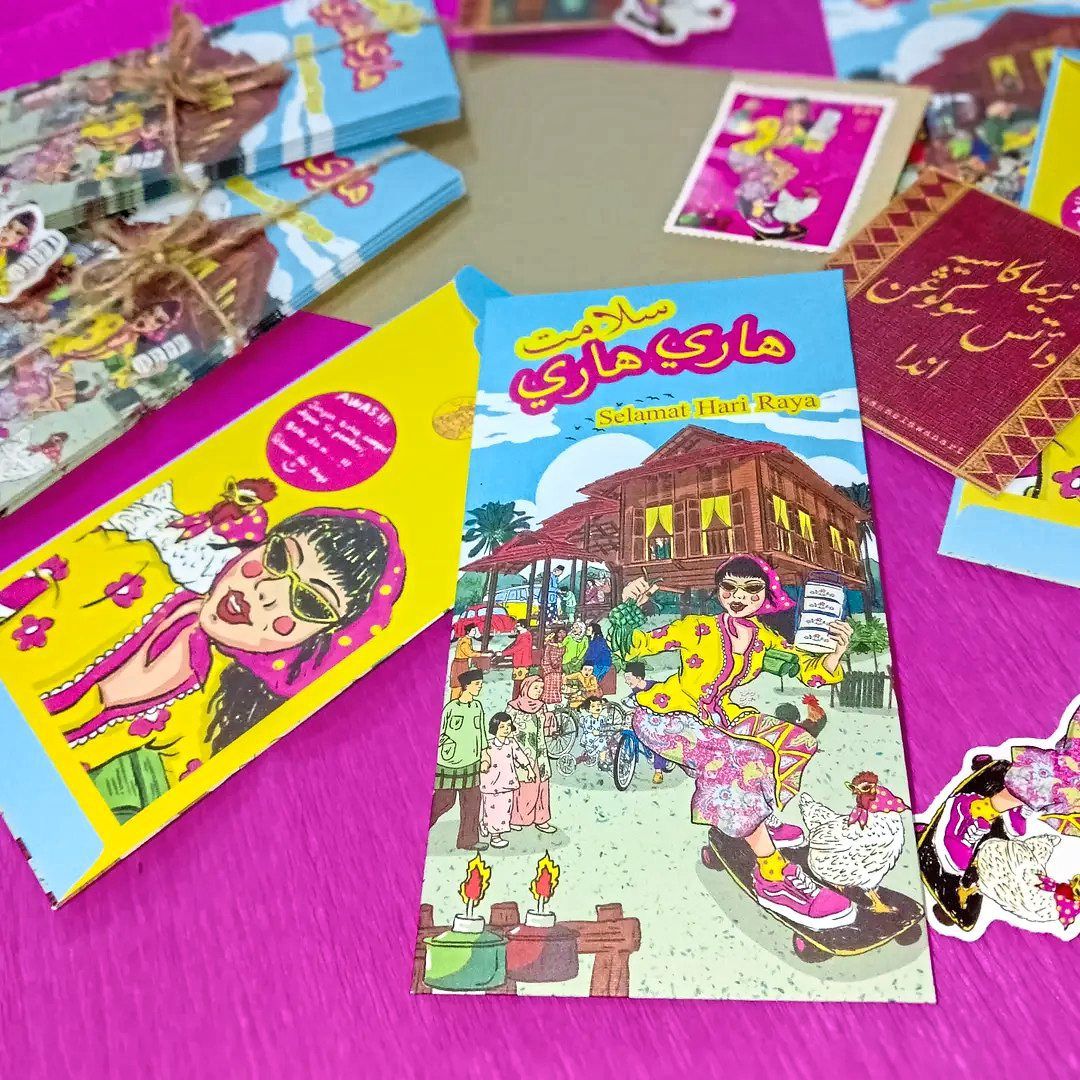
Finn's fun, spunky design this year, “Selamat Hari Hari = Selamat Hari Raya”, brings a traditional kampung scene to life – skateboard, sneakers and chic scarf included.
Nothing quite says Raya like zooming down the village path on four wheels – a blur of festive kebaya colours trailing behind!Finn’s design even comes with a polite warning: don’t open the sampul Raya in front of the giver. Manners first!
Too cool to slice
Not all Hari Raya money packet designs stick to traditional themes –artists like Ana Alasri prove that creativity and character lore can take centre stage. Instead of nostalgic "balik kampung" scenes, Ana introduces whimsical, anthropomorphised characters with their own unique backstories.
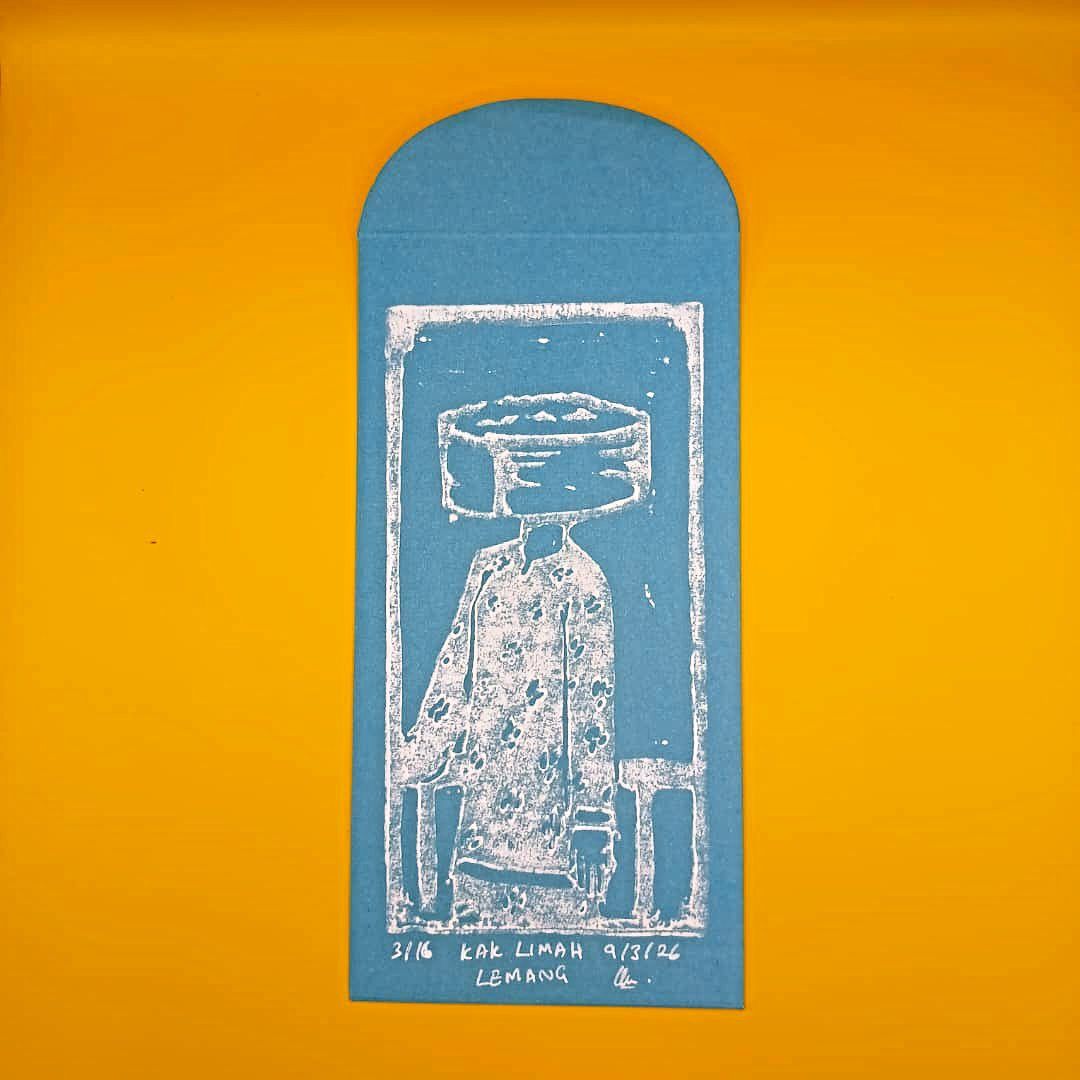
This year, she’s whipped up some cool handmade designs, drawing inspiration from traditional food and kueh classics.
Kak Limah Lemang is the family's tough "iron lady" who runs her own warung, though this Raya she's opted to show a more graceful side, posing by the verandah.
Puan Seri Muka, the elegant CEO of her own beauty company, pays homage to nyonya fashion culture in her rare but stunning Raya photoshoot appearance. Meanwhile, young Mat Kecik stands bewildered on his first Raya, unsure what to do with the mountain of duit raya packets from his relatives.
Ana's whimsical approach shows that artists can have fun reimagining Raya traditions through original, story-driven illustrations.
An urban shade of cool
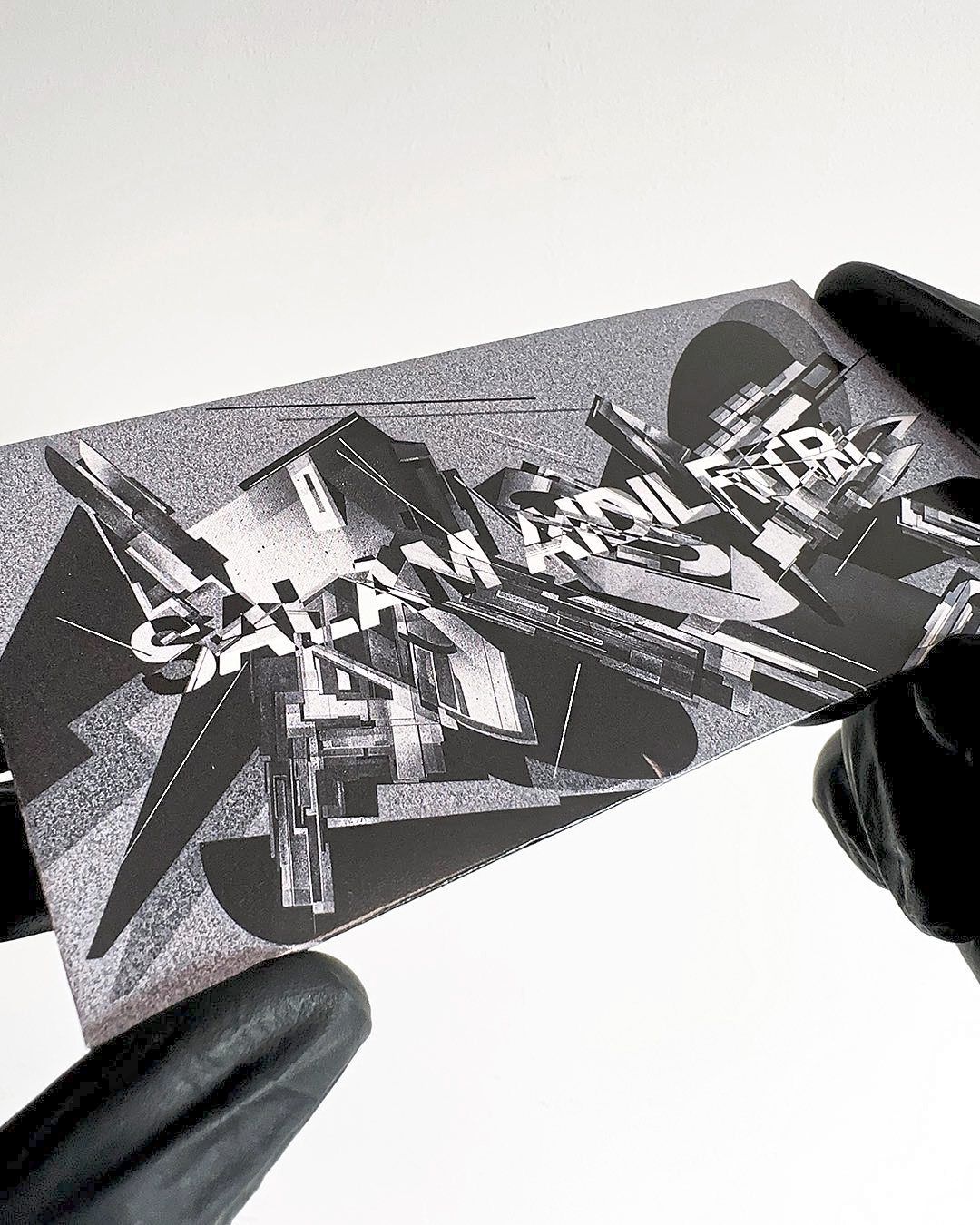
For those who like a festive twist on black and white, street artist Amirul Shah, aka Asmoe Roc, offers a striking choice.
His limited series of money packets, “Sacred Disciplines”, brings monochromatic graffiti to a small canvas, featuring bold shapes, intricate futuristic abstractions and interlocking geometric forms.
It’s a reminder that artists from all creative backgrounds – not just illustrators – are diving into sampul Raya design, each bringing their own visual language.
For Asmoe Roc, who started making money packets by request for friends and family, this could easily become a yearly series, exploring new shapes and patterns each Raya while redefining what a money packet can be.