Downtown Kuala Lumpur is set to come alive again with the KL Festival (KL Fest) from May 6-31. Previously billed as Kreatif KL in its inaugural edition in 2024, the festival will transform the city’s heritage buildings, streets and public spaces into an inclusive, largely free, and family-friendly celebration of art, culture and shared civic experiences.
“One of the things we’ve been looking at is to build a strong brand identity for the festival. We felt that Kreatif KL could potentially be seen as limiting the event to a particular aspect, whereas KL Festival embraces a much larger dimension, increases the coverage of what Malaysia has to offer and projects the country forward,” said Datuk Hamdan Abdul Majeed, Think City managing director at the festival's launch event in KL on March 13.
“If you look at Sydney Festival, Singapore Arts Festival, Adelaide Festival, these all anchor on the city’s name, so we thought KL Festival had a nice ring to it, in that it centres Kuala Lumpur,” added Izan Satrina Mohd Sallehuddin, senior director of Think City.
Over 26 days, KL Festival unfolds across 25 venues across downtown KL, presenting over 80 events and more than 700 hours of programming. With 90% of its line-up free and open to the public, the festival aims to make the arts more accessible while fostering city-wide participation.
Organised by Think City and Kuala Lumpur City Hall (DBKL) and supported by the Ministry of Finance and the Federal Territories Department (Prime Minister’s Department), KL Fest is held in conjunction with Visit Malaysia 2026, Warisan KL, and Kuala Lumpur’s designation as a Unesco Creative City of Design.
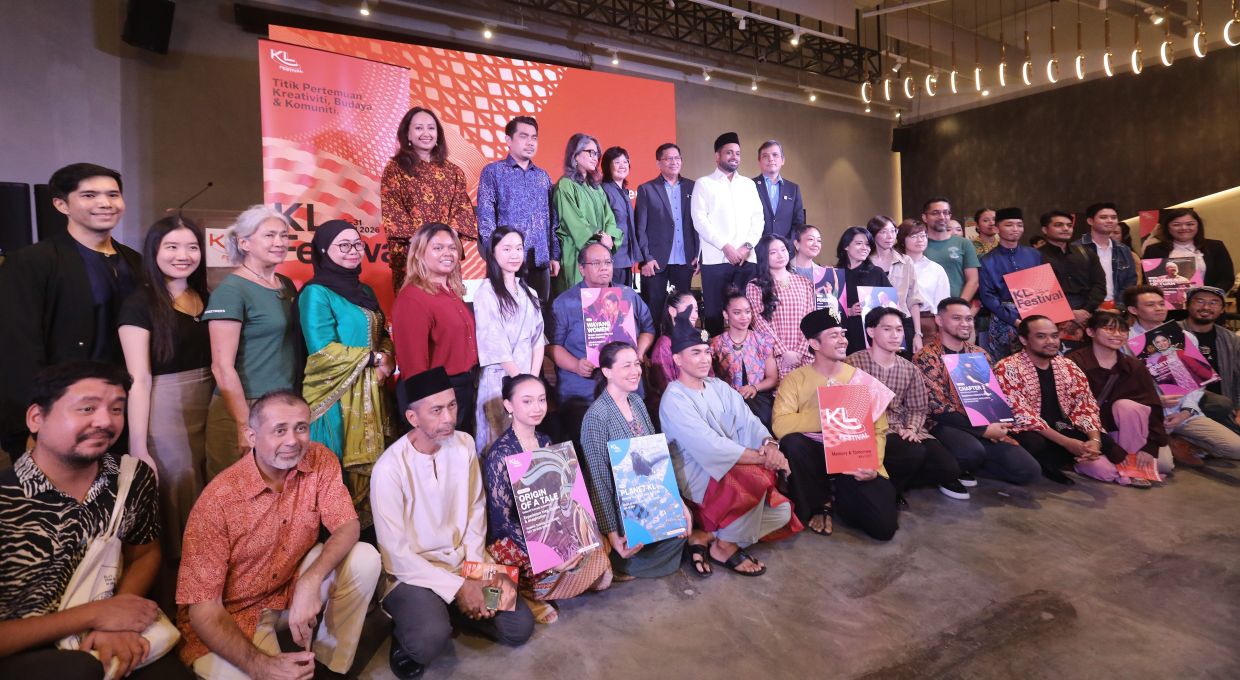
In 2024, the festival drew over 140,000 visitors, activated 26 venues and generated more than 800 creative jobs and gigs over three months – demonstrating the role of culture in revitalising the historic core of the area.
Hamdan added that for KL Fest 2026, their target is between 100,000 to 150,000 visitors.
Shaping today and tomorrow
Inspired by the theme “Memory & Tomorrow”, KL Fest 2026 explores how the stories we inherit shape the futures we imagine. Rooted in Malaysia’s rich heritage while actively engaging youth voices, the festival bridges generations through a variety of programmes from reimagined wayang kulit, contemporary dance, immersive installations, theatre and outdoor film screenings, unfolding against the living backdrop of the city.
“The festival invites us to look at Kuala Lumpur more closely – to notice the stories embedded in its streets, buildings and communities. Under the theme ‘Memory & Tomorrow’, we’re bringing together artists who reflect on our shared histories while imagining the futures we want to build, transforming the city into a living stage for all,” said June Tan, KL Fest artistic director.
This year’s edition also hosts several Malaysian and Asian premieres, presenting internationally touring works from Indonesia, Lebanon, Thailand and across South-East Asia, introducing them to local audiences for the first time. As part of its expanding network of cultural exchange, KL Fest positions Kuala Lumpur as a regional hub for contemporary artistic dialogue.
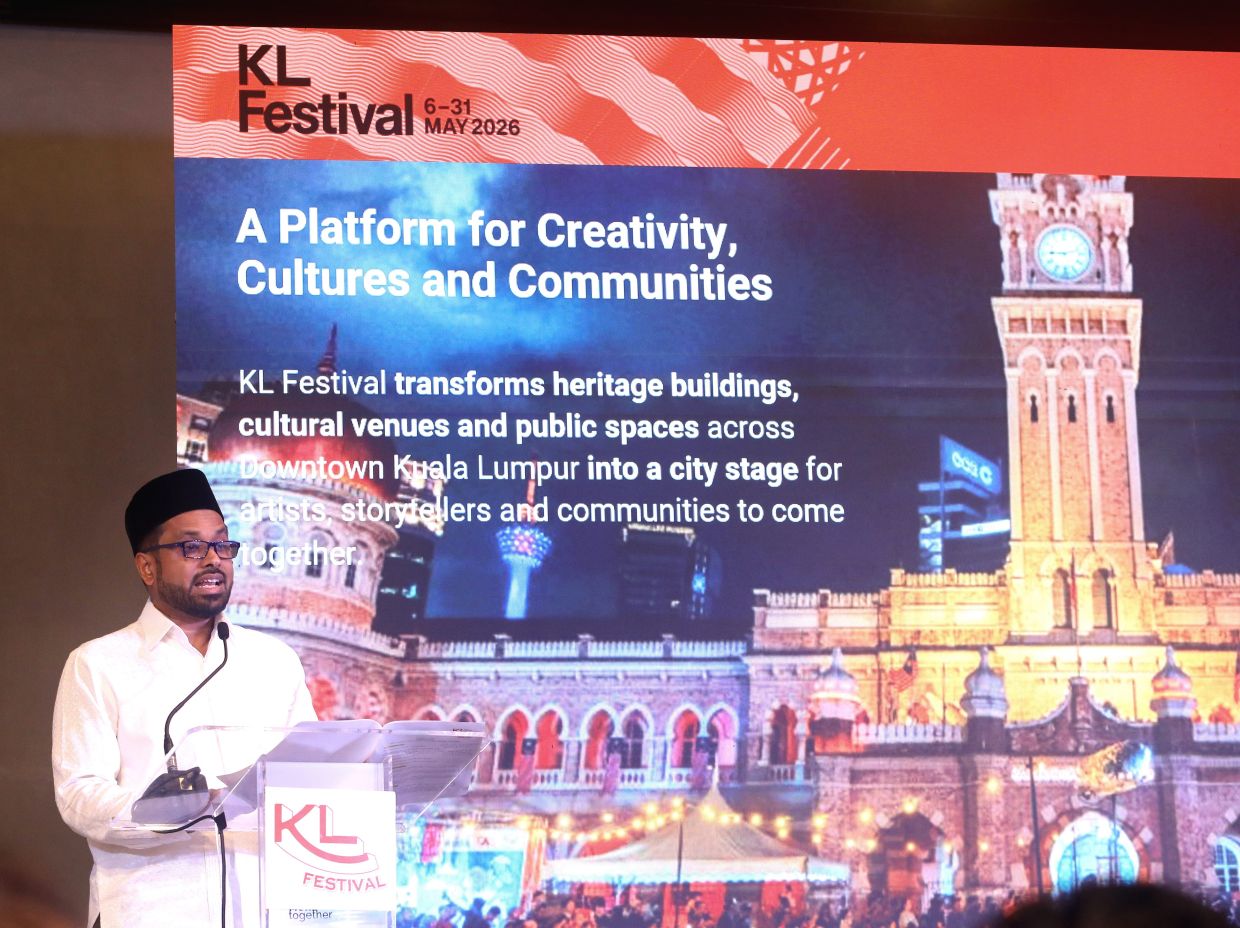
Familiar culture and heritage hotspots such as Dataran Merdeka, Central Market, Semua House, The Godown KL, Petaling Street and River of Life are among the festival’s key locations, but this year, some new venues, such as Pak Peng Building and Chan She Shu Yuen Clan Ancestral Hall, both in Chinatown, as well as Aswara (National Academy of Arts, Culture and Heritage), will open their doors to festival-goers.
KL Festival highlights
For the festival programming, there will be a mix of ticketed performances and free activities (though some will require pre-registration).
Highlights include local theatre and dance shows, such as Fragments Of Tuah by Five Art Centre, a documentary theatre work reimagining the enduring figure of Hang Tuah, Pending by contemporary dancer January Low, who specialises in Odissi dance, Siapa Cacat?, a disabled-led play by Teater Untuk Semua and Wayang Women Live by Wayang Women, an all-female ensemble reinterpreting wayang kulit with modern narratives and contemporary performance styles.
There will also be stagings of international productions, such as Origin Of A Tale by Collectif Kahraba (Lebanon), a live performance combining storytelling, dance, and object manipulation, using clay as its central element, Chapter 2 by contemporary dancer and choreographer Pichet Klunchun (Thailand), presenting an introspective look back at his artistic practice and Lessons Of Silence by Agnes Christina (Indonesia), a dialogue-free play that explores themes of race, class and the intimate dynamics between children and parents.
Beyond the stage, there are plenty of activities and experiences open to everyone, such as the Jogeton, a mass joget celebration and competition, "Warung Terang" by new media art collective Filamen, lighting up KL’s laneways with projection mapping and storytelling; public art installations in collaboration with the KL Architecture Festival and Planet KL, a family-friendly programme series exploring otters, rivers and climate through fun and participative activities like guided walks and hands-on workshops by partnering organisations Greenpeace Malaysia, Malaysia Otter Network, Klang River Festival, Free Tree Society and Rimbun Dahan.