
The human body is immediately familiar, yet it never ceases to spark curiosity, whether in the clinic, the laboratory or the artist’s studio.
Throughout history, it has been laid bare in medical theatres and classrooms – labelled, measured, dissected – as knowledge coursed through the veins of science.
And yet, like blood itself, our fascination circulates beyond the purely empirical, moving into imagination, symbolism and expression, where each encounter with the body offers a new pulse of insight.
In Singapore, the recently-opened Flesh And Bones: The Art Of Anatomy exhibition at the ArtScience Museum draws these parallel traditions into dialogue, revealing how the body can exist simultaneously as an object of scientific scrutiny and a subject of abstract appreciation.
“Across cultures and centuries, the field of anatomy has been defined equally by scientific pursuit, belief systems, technologies of seeing and artistic enquiry. This exhibition tells that story, presenting anatomy as a set of evolving practices,” said Honor Harger, vice president of ArtScience Museum at Marina Bay Sands.
Marking the museum’s 15th anniversary, the exhibition assembles over 160 artefacts and artworks, many on loan from a 2022 research-exhibition initiative at the Getty Research Institute in Los Angeles, California, United States, curated by Monique Kornell.
The exhibition, circular in layout, spans eight galleries, featuring works that date as far back as the 16th century, from woodcuts and prints to virtual-reality experiences that explore futuristic dimensions.
Picturing the human body
The show opens with a survey of the old world techniques employed by early artists and anatomists, offering visitors a panoramic view of the history and evolution of anatomical drawings.
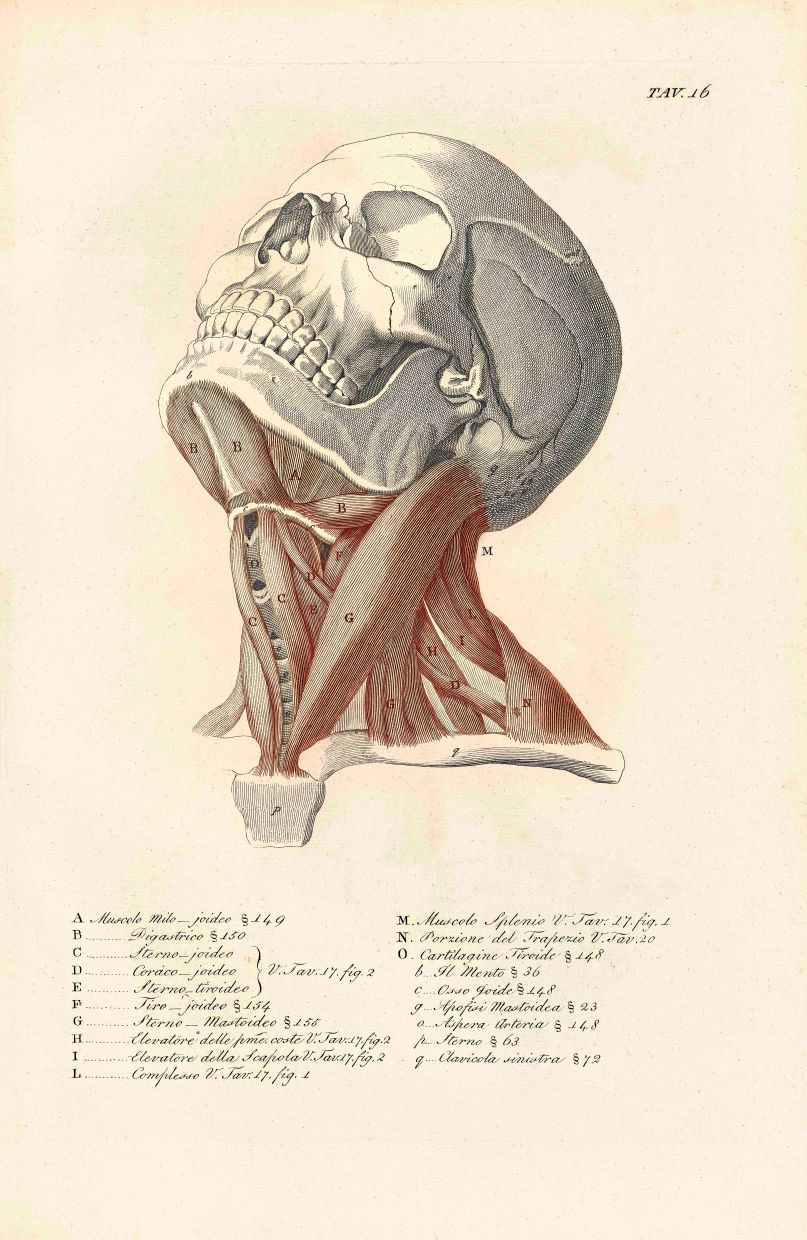
The Getty collection, dating back to the Renaissance – a period of extraordinary advancement in science, medicine, and the arts across Europe – comprises life-sized illustrations, anatomical atlases and rare medical manuscripts and finely engraved books, many appearing in this region for the first time.
For this expanded and reimagined version of Flesh And Bones, which runs through Aug 16, curators at the ArtScience Museum worked closely with the Getty loans, building on the original material to broaden its language and storytelling.
They incorporated Asian medical traditions alongside 33 major contemporary artworks and installations, offering visitors multifaceted perspectives on the human body.
“By juxtaposing historical masterpieces by the likes of (Italian printmaker) Antonio Cattani with mesmerising site-specific installations by contemporary artists like Chiharu Shiota, Flesh And Bones truly is a combination of East and West, past and present.
"Through a combination of art and science, it vividly reveals how we have sought to understand what lies beneath the skin – and what it means to inhabit a body,” said Harger.
In the first gallery, "The Body Imagined", life-size 18th-century ecorche prints by Cattani (figures depicting the body without skin to reveal muscles and anatomy) stand out alongside biomorphic illustrations by Hong Kong artist Angela Su, bridging the early study of anatomy with conceptual exploration and presenting the exhibition’s original interpretation of the human body.
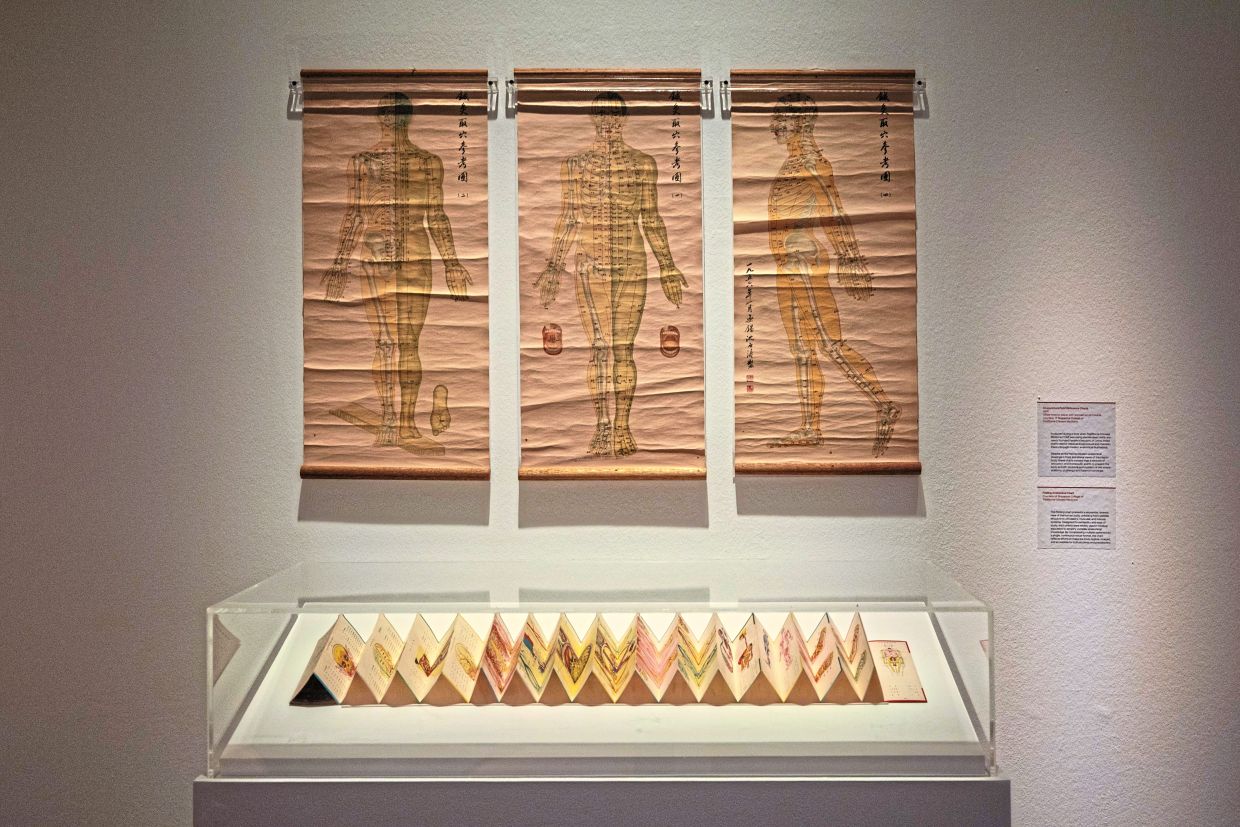
In the "Circulation And Flow" gallery, the exhibition extends beyond the Western world, spotlighting Traditional Chinese Medicine. Teaching aids, including a reproduction of the Inner Canon Of The Yellow Emperor (Huangdi Neijing, compiled between 400 BCE and 260 CE), and diagnostic charts of tongues and ears, rendered in artful detail, reveal how observation and bodily correspondences have long shaped medical knowledge.
The exhibition notes acknowledged that, while Western medicine had become a global authority, the curatorial direction moved beyond these inherited histories to incorporate other cultures, cosmologies and ways of understanding the human body, diversifying the Flesh And Bones narrative.
The many realms within
At the entrance of the ArtScience Museum, Japanese artist Chiharu Shiota presents The Network Within (2026), a contemplative site-specific installation.
Drawing on her experience battling with ovarian cancer, she uses her signature red thread to render the human body as a network of circulation, evoking blood vessels and pulmonary pathways while suggesting the bonds that connect memory, history and relationships.
Here, a very inspiring human story – one that resonated with many at the 2015 Venice Biennale – takes hold, immersing visitors in anatomy as a spatial, lived experience.
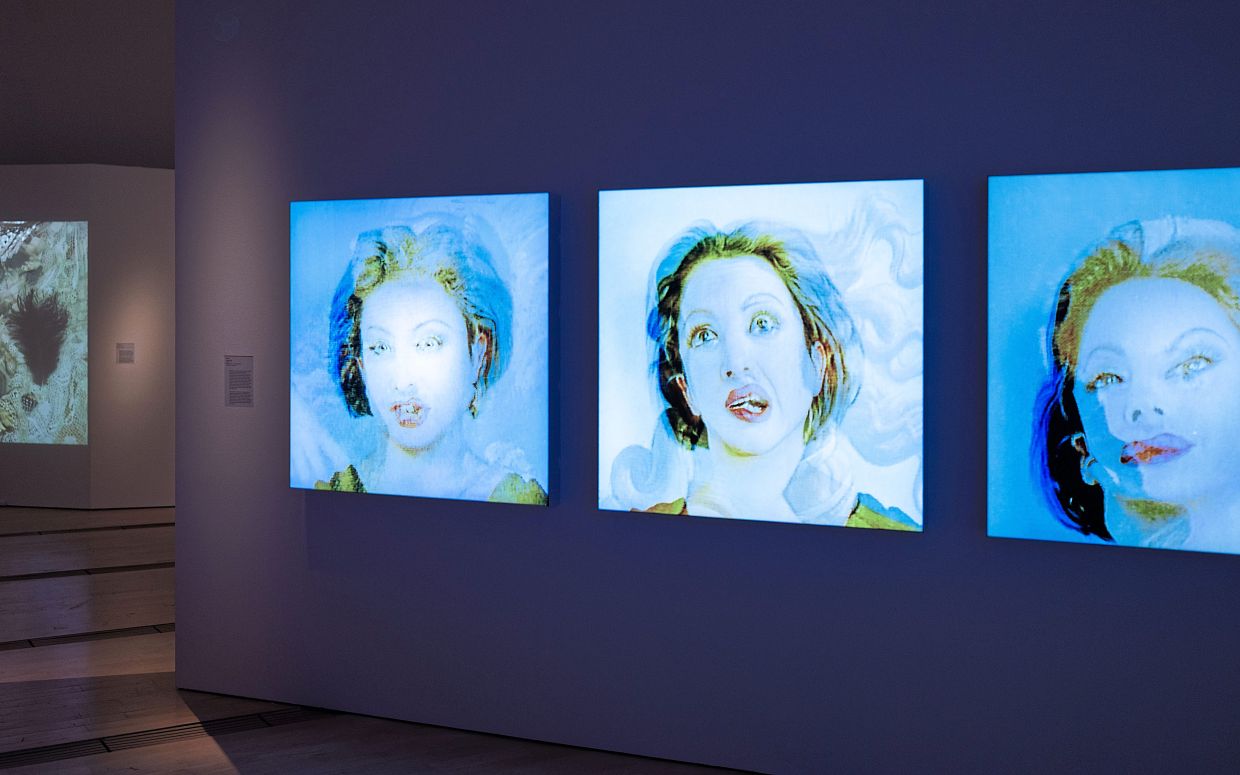
The exhibition also features video works, offering visitors spaces to pause, observe and reflect on the interwoven flow of Flesh And Bones.
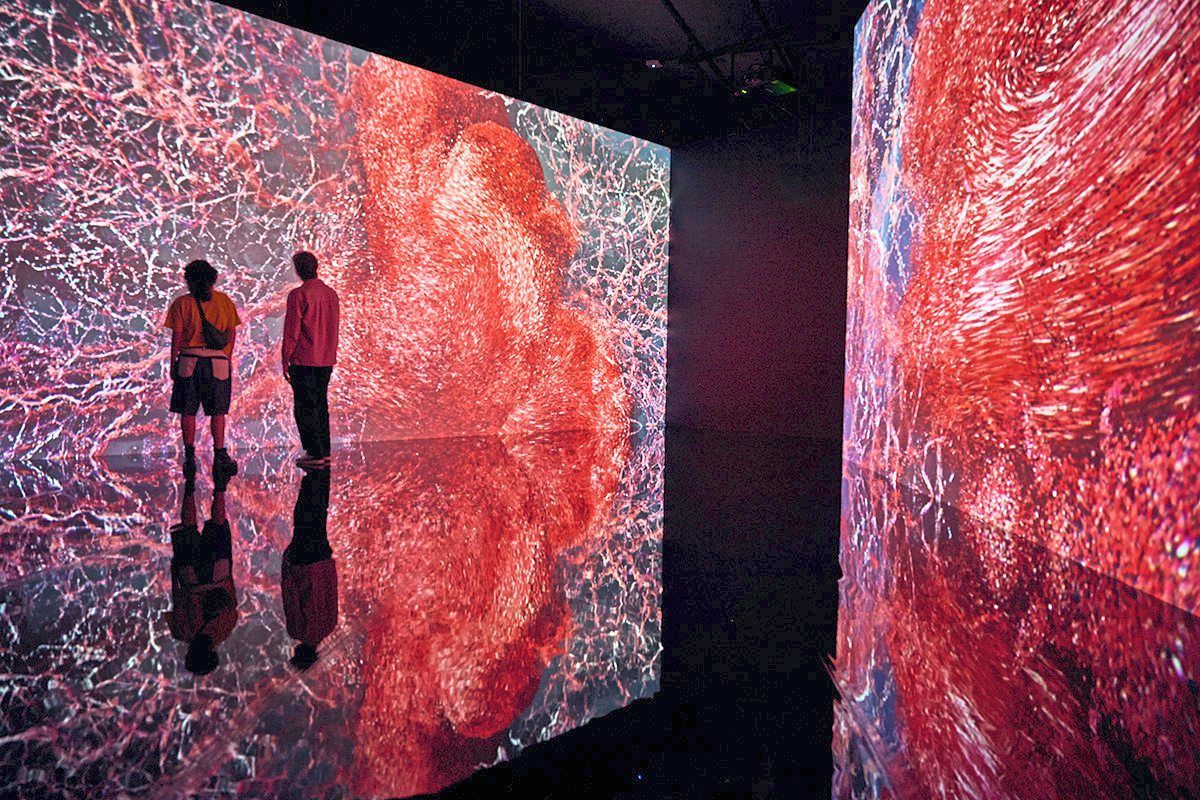
As one of the highlights of the exhibition, Evolver offers full immersion in its meditative rhythm. Created by the British experimental art collective Marshmallow Laser Feast, the VR experience carries viewers inside the human body, tracing air from the mouth to the lungs and swirling through the cardiovascular system.
Narrated by actor Cate Blanchett, it features music by Jon Hopkins, Jonny Greenwood, Meredith Monk and the late Johann Johannsson. Originally conceived for VR, the work has expanded into immersive screen installations and a deep-listening meditation, revealing how breath sustains life and connects us to the natural world.
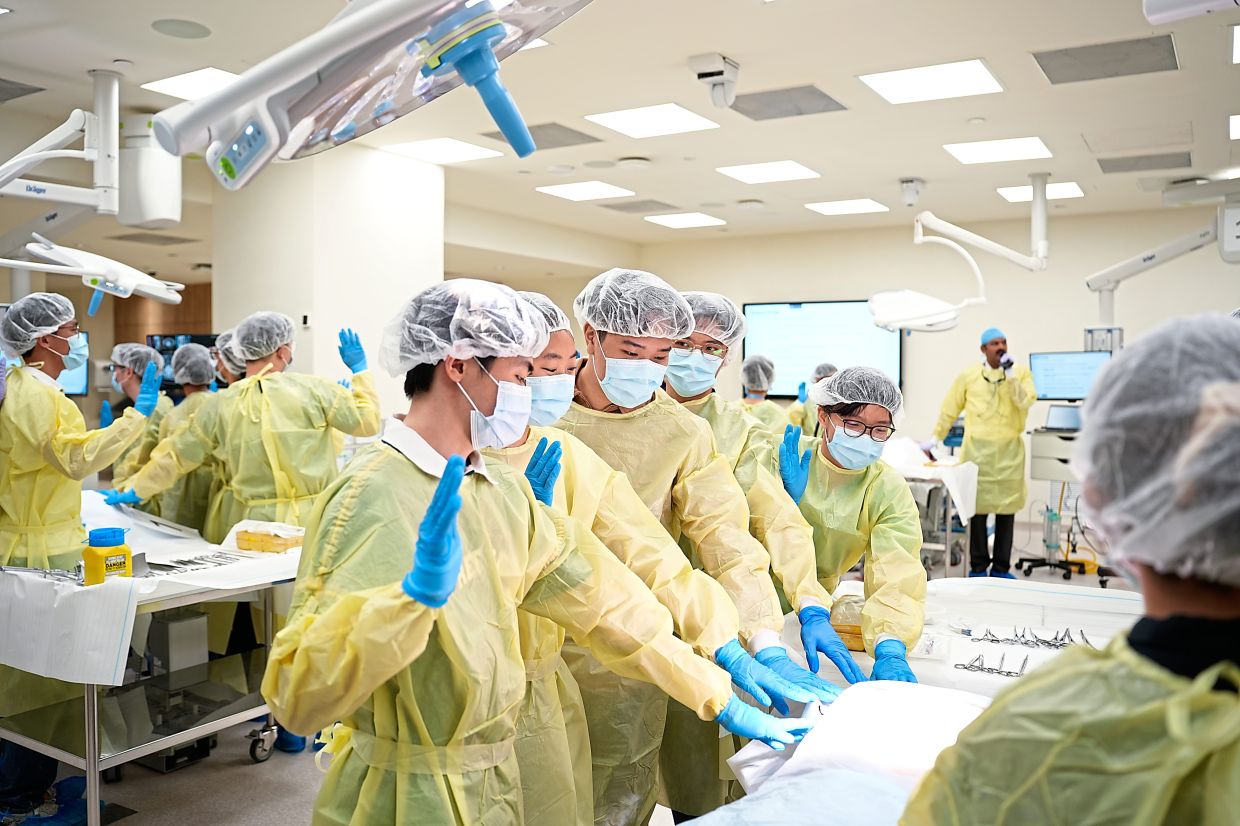
Moving beyond medical texts and artistic depictions, the exhibition turns to profound questions of mortality. In the "Saints And The Living Dead" gallery, human specimens – presented with Nanyang Technological University’s Lee Kong Chian School of Medicine and Germany’s Institute for Plastination – are displayed in a dimly lit space, offering a philosophical encounter with the body, its preservation and the enduring mysteries of life and death.
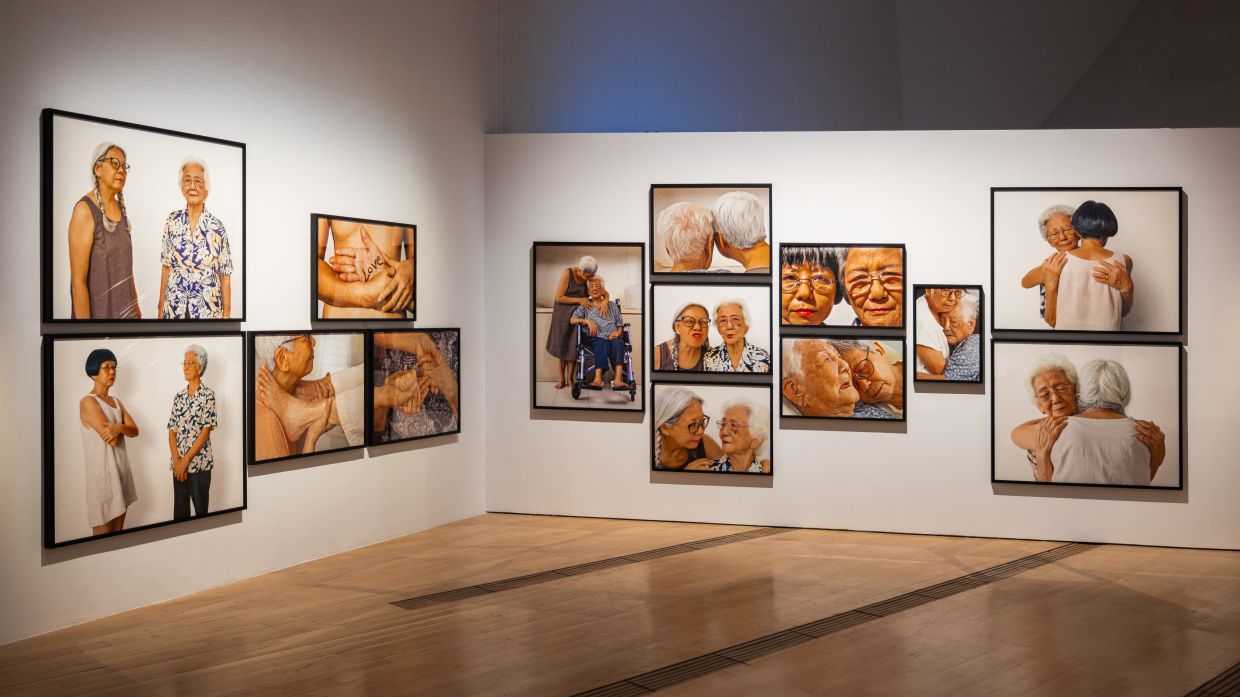
“It’s one of the most difficult parts of the exhibition for some people because as you can imagine there are people who find it deeply interesting and there are others who find it scary and want to skip it altogether. So we were very conscious about this and put a lot of thought into how these emotions scaffolded their experiences for people who find the topic of death difficult,” said Harger.
“It was really important for us to show scientific specimens in an enclosed gallery that people can effectively choose to enter so that we weren’t forcing people to encounter human remains, which is not something we would experience daily and we certainly can’t make that decision for everyone, so its something people have to be comfortable with,” she added.
Long after leaving the exhibition, Flesh And Bones hauntingly lingers, revealing the body’s structures, tracing its time-steeped histories and illuminating the poetic threads that connect us.
Flesh And Bones: The Art Of Anatomy is showing at the ArtScience Museum in Singapore until Aug 16.