Hong Kong’s Kowloon peninsula is rich with history and heritage, from bustling street markets and the orderly chaos of “cha chaan tengs” (their version of kopitiam culture) to its verdant parks and incense-filled temples.
To the southwest, however, it’s a completely different vibe. Stretching across 40ha of reclaimed land, the West Kowloon Cultural District (WestK) is a glittering jewel representing the city’s aspirations as a global art and culture hub, offering world-class museums and performance centres, green spaces open to all and stunning views overlooking Victoria Harbour.
For those who enjoy unhurried exploration of cultural institutions and art galleries, WestK offers two standout destinations: the Hong Kong Palace Museum and M+ museum.
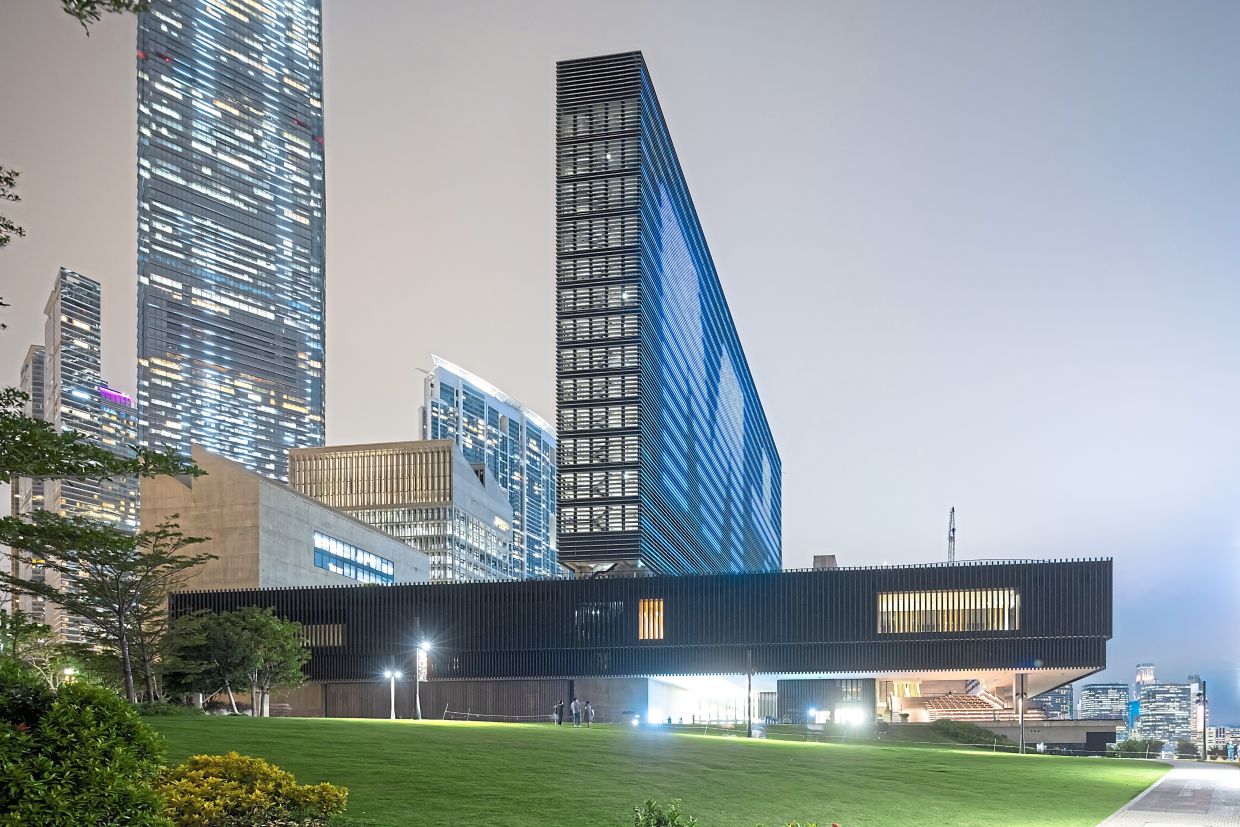
Each is a must-visit in its own right and located within walking distance of the other. You can visit both museums in a single day, but given the breadth of programming each offers, you may find yourself wishing for more time.
It’s best to read up on the highlights in advance and plan your visit accordingly.
Affiliated with the Palace Museum in Beijing, the Hong Kong Palace Museum (HKPM), which opened in 2022, houses over 900 priceless treasures from the Forbidden City, while M+ is a contemporary visual culture museum established in 2021.
For those who are visiting Hong Kong in the coming months, these are the current – and upcoming – exhibitions you can’t miss out on.
Redefining utopia
At the M+, you can step into the dazzling visual and spatial experiences of Lee Bul: From 1998 To Now, the most comprehensive survey of the pioneering South Korean artist’s career to date.
On display at the museum’s West Gallery until Aug 9, the special exhibition, which is co-organised by M+ and Seoul’s Leeum Museum of Art, features more than 200 works from the artist’s studio as well as institutional and private collections across Asia and beyond.
The exhibition unfolds in three sections, providing both an overview and detailed insights into the visionary scope and versatile nature of Lee’s practice, which ranges across sculpture, installation, and two-dimensional art.
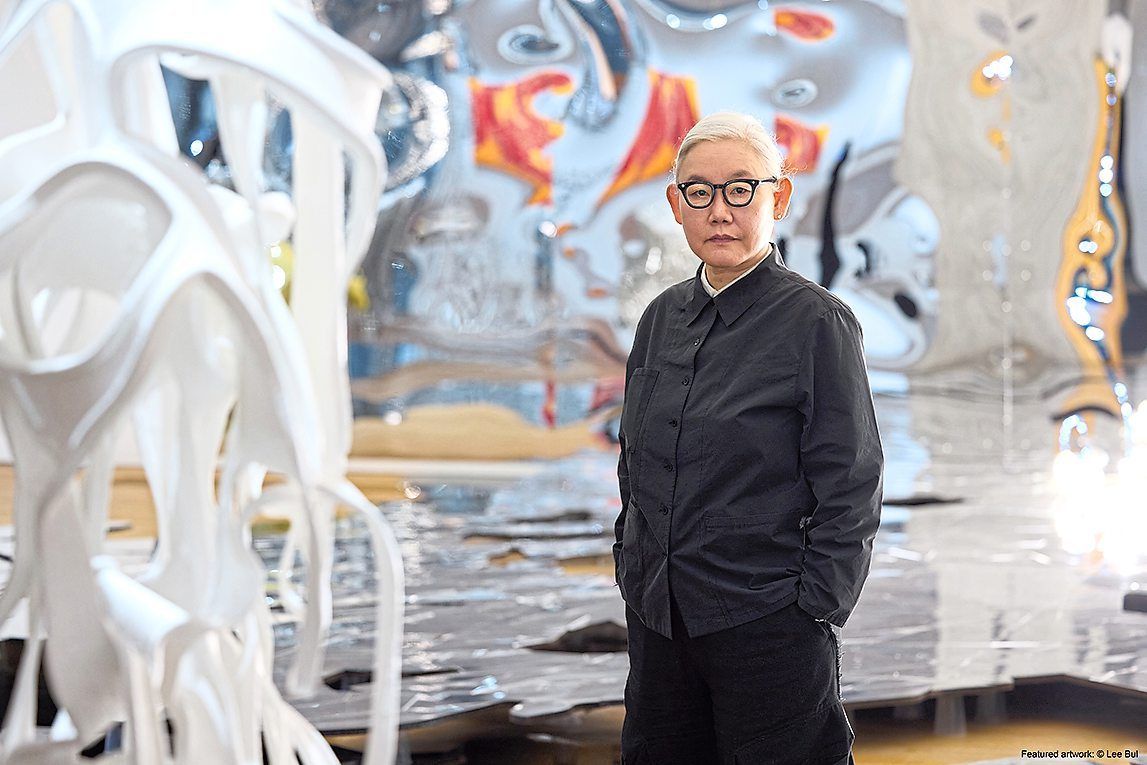
It highlights her reflections on the fundamental realities of human existence, explorations of utopian and dystopian ideals and her response to conventional notions of perfection in an increasingly technologised world.
“Lee Bul’s singular oeuvre boasts an extraordinary breadth and depth. Her long-established practice is arguably one of the most complex and multifaceted, as well as the most consistently ambitious artistic practices to have taken shape at the turn of the millennium,” said Doryun Chong, artistic director and chief curator at M+, in a recent gallery tour in Hong Kong.
“This exhibition provides audiences the chance to reflect upon and reconsider the assumptions that shape our understanding of the past, present, and future. Through her works, Lee reminds us that hope and failure remain inseparable features of human progress, a theme that resonates with a particular urgency today,” he added.
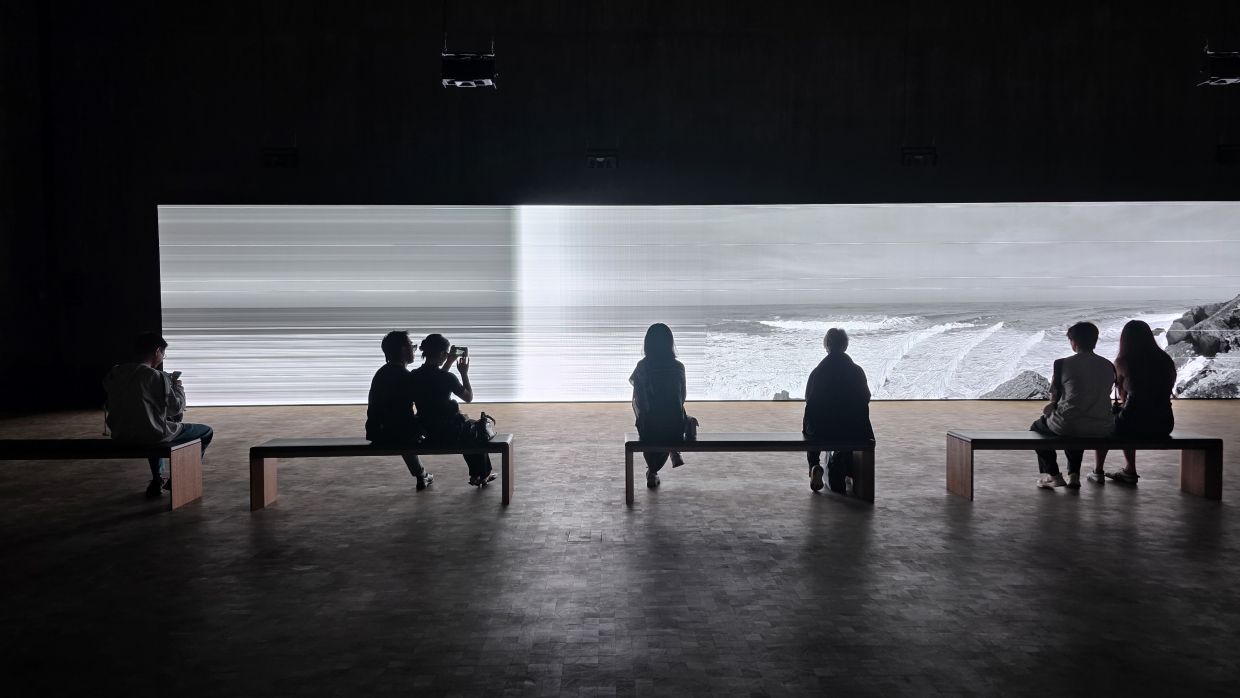
Other highlights (many for contemporary art fans) at M+ include Ryuichi Sakamoto’s seeing sound, hearing time, which celebrates the legacy of the late Japanese composer, producer, and artist, centring on async–immersion (2023), a large-scale installation created with artist Shiro Takatani. The Asian Avant-Garde Film Festival also returns in May for its third edition, themed around space.
In October, Myths, Monsters, And Manga: The Art Of Fantasy in Asia traces fantastical imagery in Asian visual culture from the 19th century to the present.
Ancient Egypt and beyond
If a visit to Egypt’s billion-dollar Grand Egyptian Museum in Giza is out of reach, a comparable experience may be found closer to home in Asia. HKPM’s Ancient Egypt Unveiled: Treasures From Egyptian Museums transports visitors back in time to the time of pharaohs and pyramids, featuring 250 spectacular works from seven major Egyptian museums and the latest archaeological finds.
Jointly organised by HKPM and the Supreme Council of Antiquities of Egypt, the exhibition, which runs through Aug 31, marks the largest, most comprehensive, and longest-running display of ancient Egyptian treasures in Hong Kong.
Organised into four thematic sections in Gallery 9, the exhibition traces the development of ancient Egyptian civilisation spanning nearly 5,000 years and explores its politics, arts, everyday life, and religious beliefs.
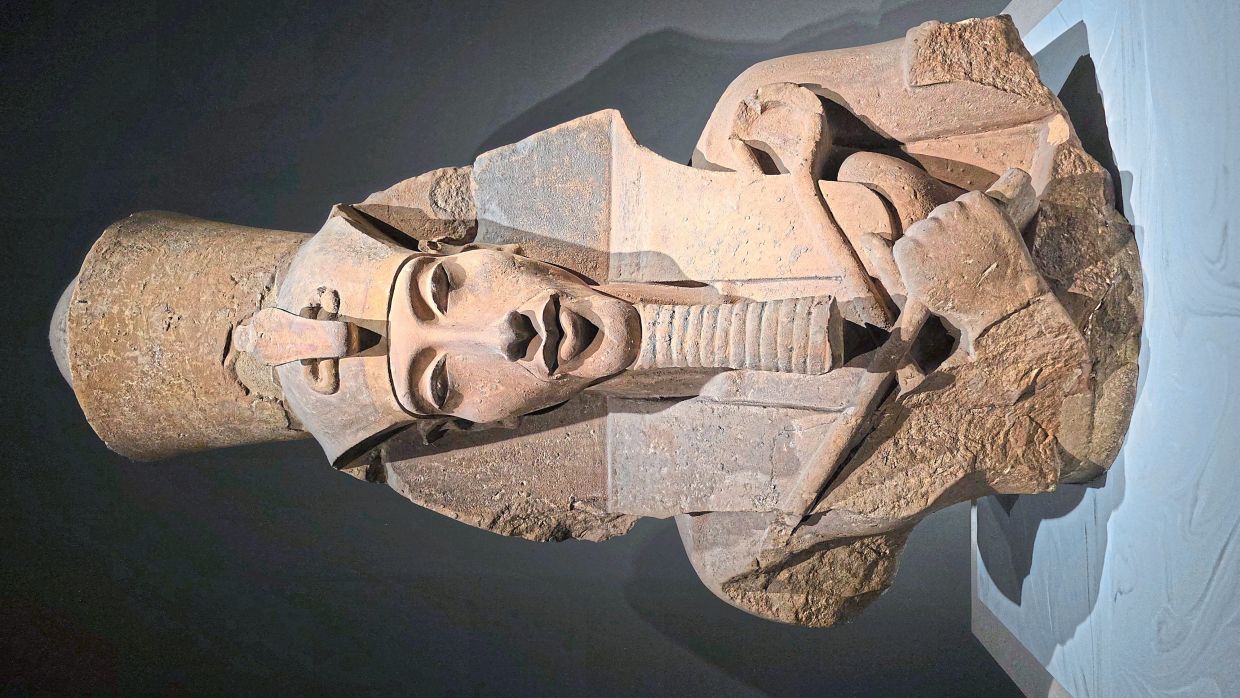
The exhibition also includes recent archaeological discoveries from Saqqara, the vast necropolis of the ancient capital of Memphis, located south of Cairo. These precious artefacts, many of which are being exhibited outside of Egypt for the first time, include monumental statues, painted and inscribed stone stelae, mummy coffins and masks, jewellery, everyday objects, and animal mummies.
There are over 10 multimedia installations scattered throughout the museum, such as a dynamic display of the mummification process and the excavation of Tutankhamun’s tomb.
“The 2026 line-up showcases the HKPM’s commitment to deepening public appreciation of Chinese art and culture and its dialogue with world civilisations. By strengthening partnerships with leading international cultural institutions, connecting the traditional with the contemporary, and exploring the Palace Museum’s rich collection in new light, we will continue organising exhibitions that inspire curiosity, spark cross-cultural dialogue, and cultivate an appreciation of cultural heritage in a fast-changing world,” said Dr Louis Ng, museum director of the HKPM.
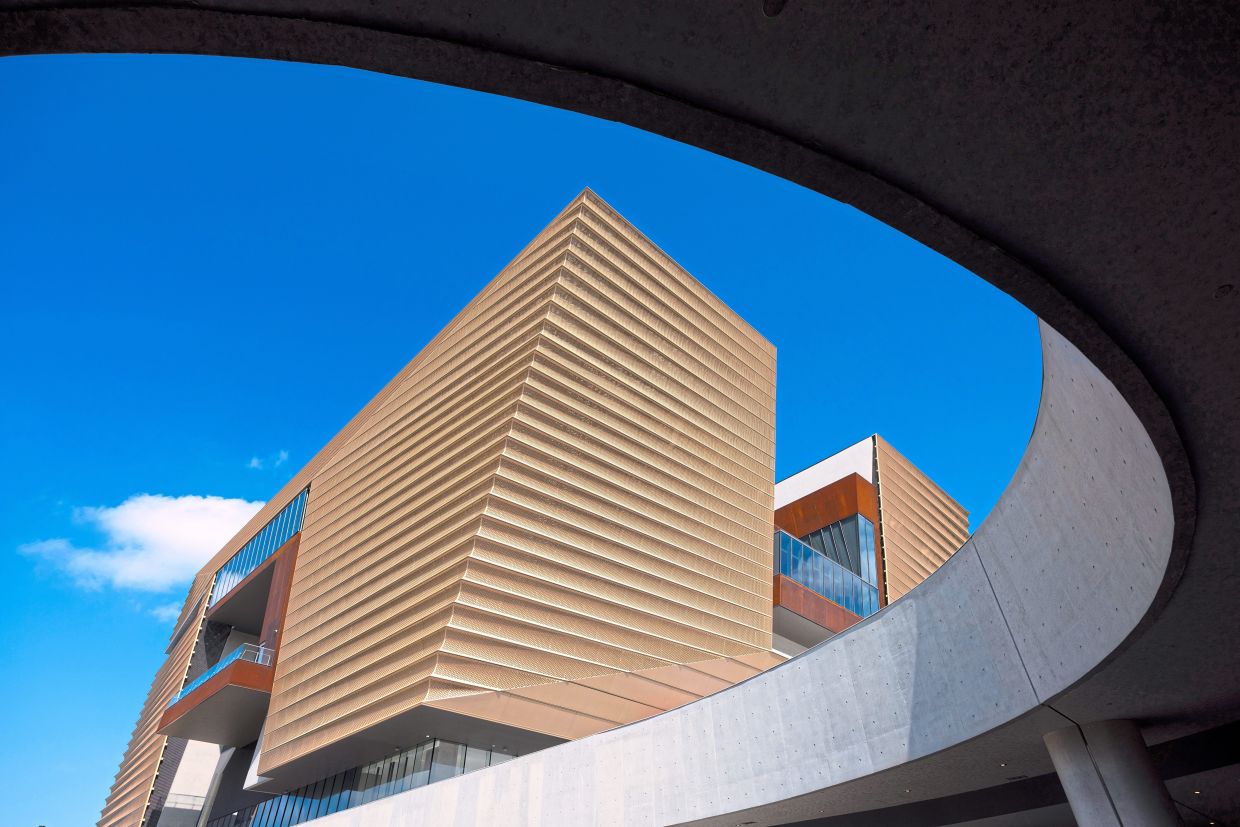
The year ahead at the HKPM is set to be a busy one, with four new thematic exhibitions presenting national treasures from the Forbidden City through innovative curatorial approaches. Three special exhibitions also spotlight global cultures, featuring jewellery, Eastern Orthodox icons, and Buddhist art from the Silk Roads.
Treasures of Global Jewellery From The Metropolitan Museum of Art: The Body Transformed, on view until Oct 19, is a brand new exhibition jointly organised by The Metropolitan Museum of Art in New York and the HKPM.
Bringing together around 200 objects from The Met, it offers an encyclopaedic survey of jewellery as the world’s oldest art form, tracing its evolution from ancient civilisations to contemporary practice, and affirming adornment as a potent medium of artistic and cultural expression.
If long-haul travel to New York is not on the cards, this exhibition offers a persuasive alternative closer to home.
As The Met’s first major travelling presentation of its jewellery collection, it spans six continents and 4,000 years – from the second millennium BCE to the 21st century – underscoring the diversity and interconnectedness of global jewellery traditions.
More info: mplus.org.hk and hkpm.org.hk.