In 2025, the Klang Valley’s arts scene flourished with creativity, revealing the understated brilliance, bold vision and playful energy that define Malaysia’s artistic life.
Theatre venues hosted an array of performances – from commercial crowd-pleasers to bold independent works – reminding audiences that the arts remain essential and exciting.
Even art exhibitions have broadened, embracing community-driven and cross-disciplinary projects.
But the year 2025 also went beyond spectacle: research-driven productions, grassroots theatre and experimental formats called on deeper engagement with history, memory and social issues.
In doing so, the arts demonstrated its unique power to provoke, inspire, and shape conversations, creating spaces where stories – both familiar and forgotten – resonate and help chart the country’s cultural path forward.
Here are some standout moments from 2025, in no particular order.
Taking to the streets
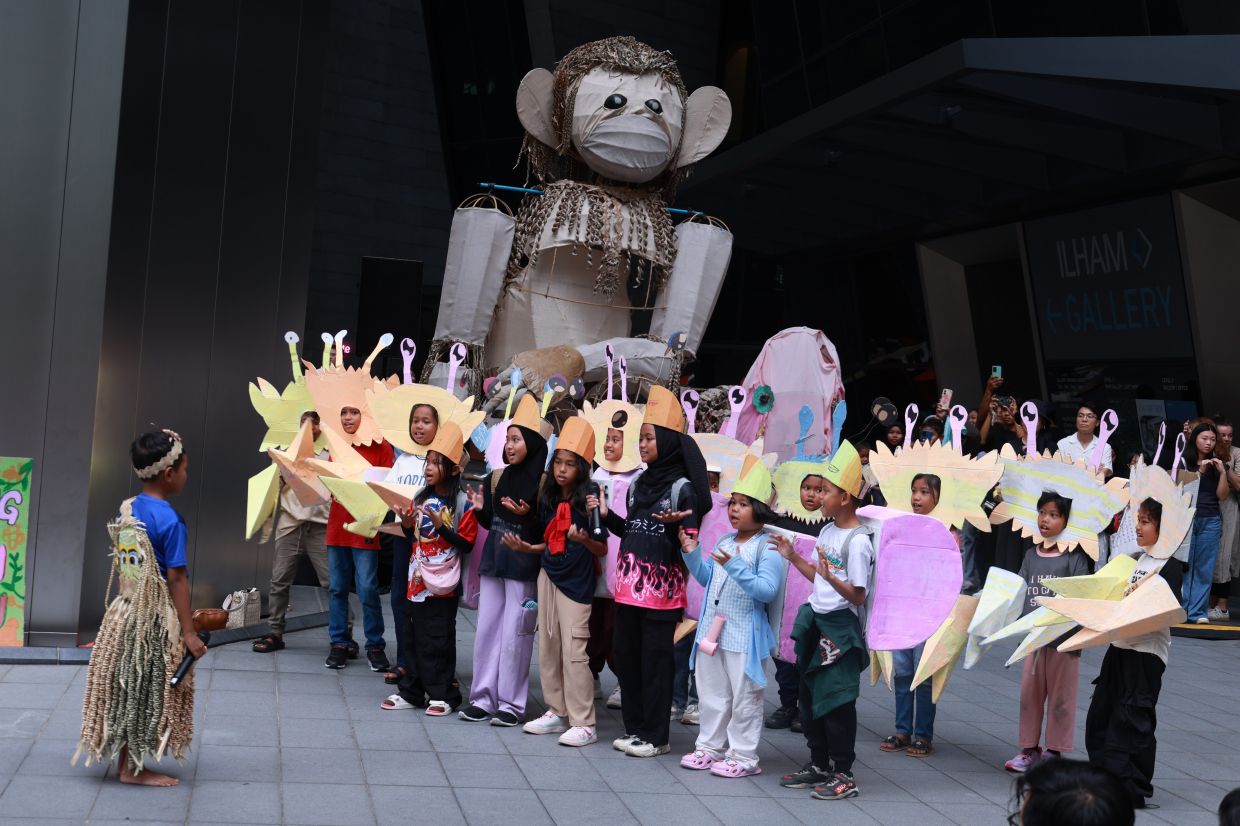
The rambunctious children from the Mah Meri community in Sungai Bumbun and the Temuan community in Pulau Kempas, who took part in a Merdeka puppet parade outside the Ilham building in Kuala Lumpur on Aug 30, may have enjoyed a day out in the capital, but they also helped deliver one of the year’s most heartwarming street theatre productions.
Over the past year, the giant handmade puppets of the Awas! Mawas! parade have also appeared in exhibitions at GMBB and Ilham Gallery.
Initiated by a local arts collective of the same name, the project worked with several Mah Meri and Temuan Orang Asli villages in Selangor, bringing their legends and folk tales to life through giant puppets and live performances, including the titular Mawas, a mythological ape-like forest guardian, and ancestors such as Moyang Tok Naning and Moyang Lanjut.
The collective – sculptor William Koong, multimedia artist Fairuz Sulaiman, performance artist Forrest Wong, puppet maker Malin Faisal, and artist-poet Ayam Fared – used puppetry to introduce Orang Asli stories to wider audiences while highlighting the social and environmental issues affecting their communities, offering a timely reminder of the importance of cultural preservation and ecological balance.
The standing ovation these Orang Asli children received at Ilham that August day, with their humble puppets and recycled props, showed that some stories resonate far beyond their modest means.
From the fields to the screen
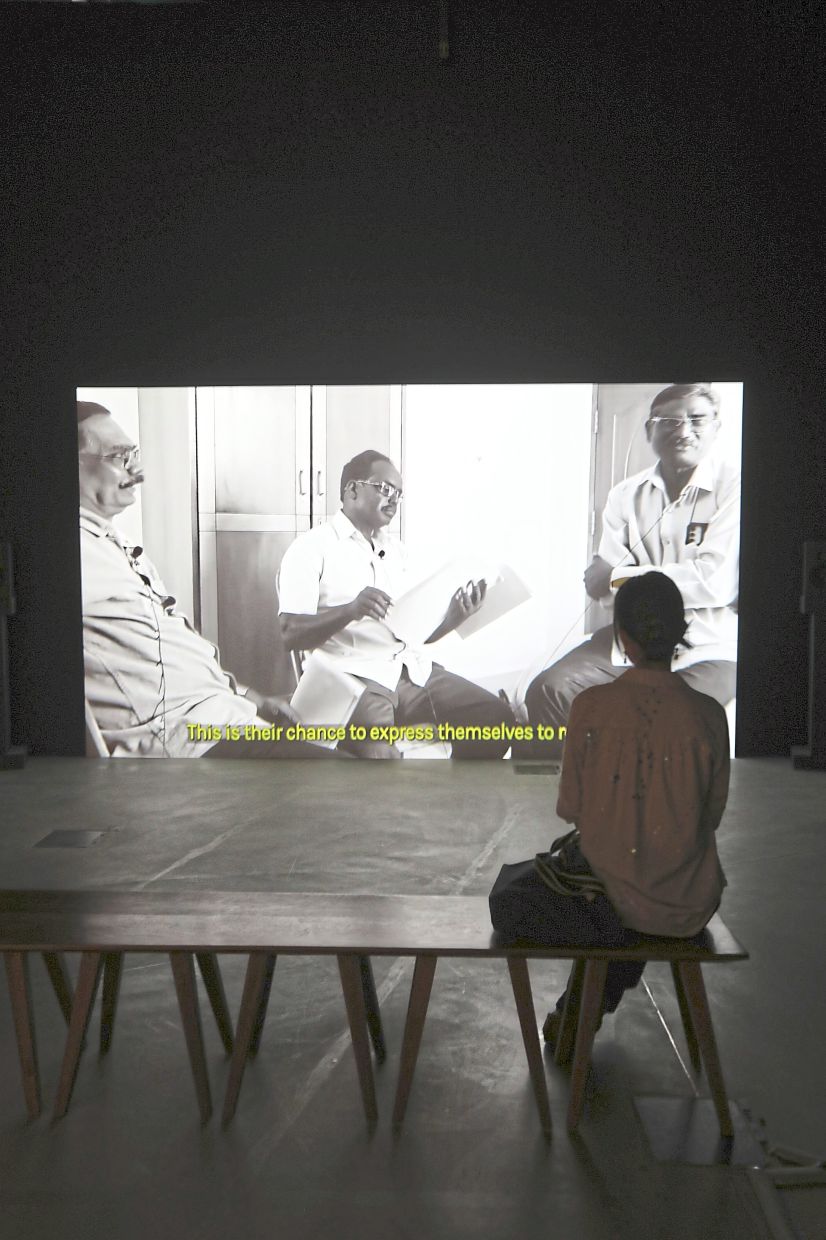
It began as a dream to bring to life Tamil folk songs from a songbook compiled by Dr R. Dhandayutham and published in 1998.
With passion and public support, that vision has grown into Araro Ariraro, now one of the year’s most resonant cultural projects, using music and film to recover the long-muted voices of Tamil plantation workers in Malaya.
Led by filmmaker Gogularaajan Rajendran, the musical documentary – set for release in early 2026 – was first encountered through previews and live performances at exhibitions in Kuala Lumpur in 2025, including The Plantation Plot show at Ilham Gallery.
The project traces the revival of lost Tamil folk songs, reconstructed through archival research, oral histories and collaborations with musicians and scholars in Tamil Nadu.
Araro Ariraro, as an independent project, has also found a following far beyond the Tamil-speaking community. Its crowdfunding campaign, which exceeded its target, reflected a strong, multiracial public desire to see this Malaysian project completed.
By highlighting counter-narratives and rediscovering history beyond textbook summaries, Araro Ariraro reaffirmed the arts as an important platform for the expansion of Malaysia’s shared cultural memory.

Reflections on belonging
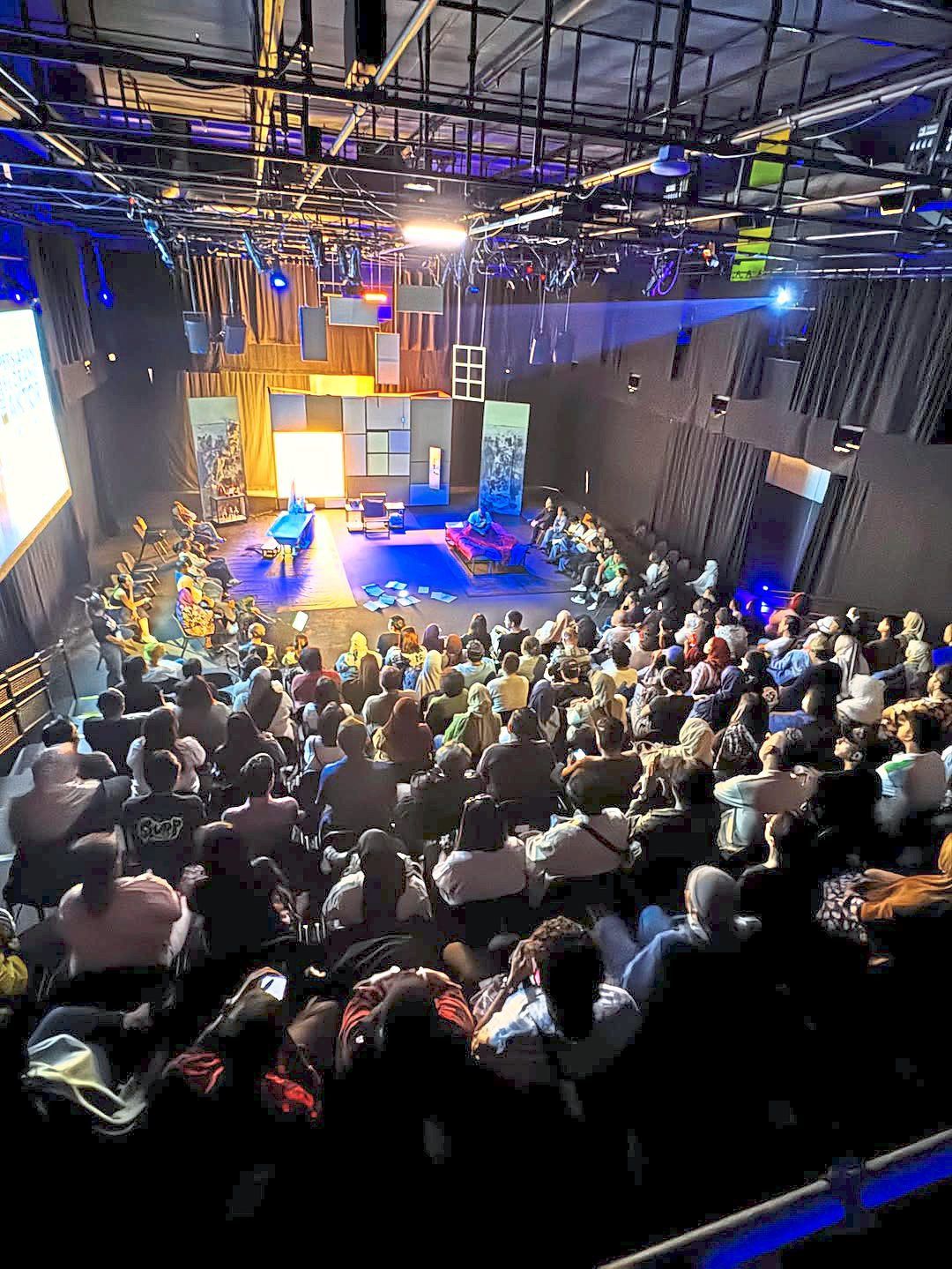
Teater Untuk Semua, a trailblazing collective of disabled, deaf, and neurodivergent artistes, brought its debut production to the KL stage in November.
Siapa Cacat? was a cheeky, emotional and eye-opening glimpse into the lives of the disabled, challenging the stereotypes and assumptions that they often face in Malaysia.
In the production, which is set at a bus stop, each person is waiting for “Bus 801” – a new public service ride said to be accessible to people of all abilities. Through a series of scenes and monologues written and performed by the ensemble – which included the deaf, blind, wheelchair-using, and neurodivergent – they each shared moments of humour and vulnerability, reflecting on what it means to truly belong and be accepted in society, as they are.
Siapa Cacat? points to a path the stage can take in Malaysia’s future, offering an inclusive approach that embraces diverse voices and perspectives.
Thirst for real stories
Persiapan Seorang Aktor last July stood out as a sharp, self-reflective theatre work that pulled audiences behind the curtain to examine the cost of artistic obsession.
Written by Saat Omar and directed by Syahrul Musa, the Bahasa Malaysia production follows a celebrated actor whose pursuit of perfection strains his identity, marriage, and sense of reality, anchored by grounded performances from Aloy Paradoks and Fazleena Hishamuddin.
Its return run at PJPAC, following a sold-out staging in Shah Alam (in 2024) and recognition at the Boh Cameronian Arts Awards 2025, reaffirmed the appetite for honest storytelling rooted in lived experience.
Beyond the stage, the production became a case study for Syahrul, a UiTM Shah Alam lecturer, who plans to use its packed houses and audience feedback to research how indie theatre can scale and meaningfully impact viewers.
For the Klang Valley theatre scene, the show also highlighted how strong university-linked performing arts ecosystems help foster tight-knit communities, where artists can critique, satirise, and gently poke fun at their own peers while deepening collective reflection.
A reimagined path for theatre
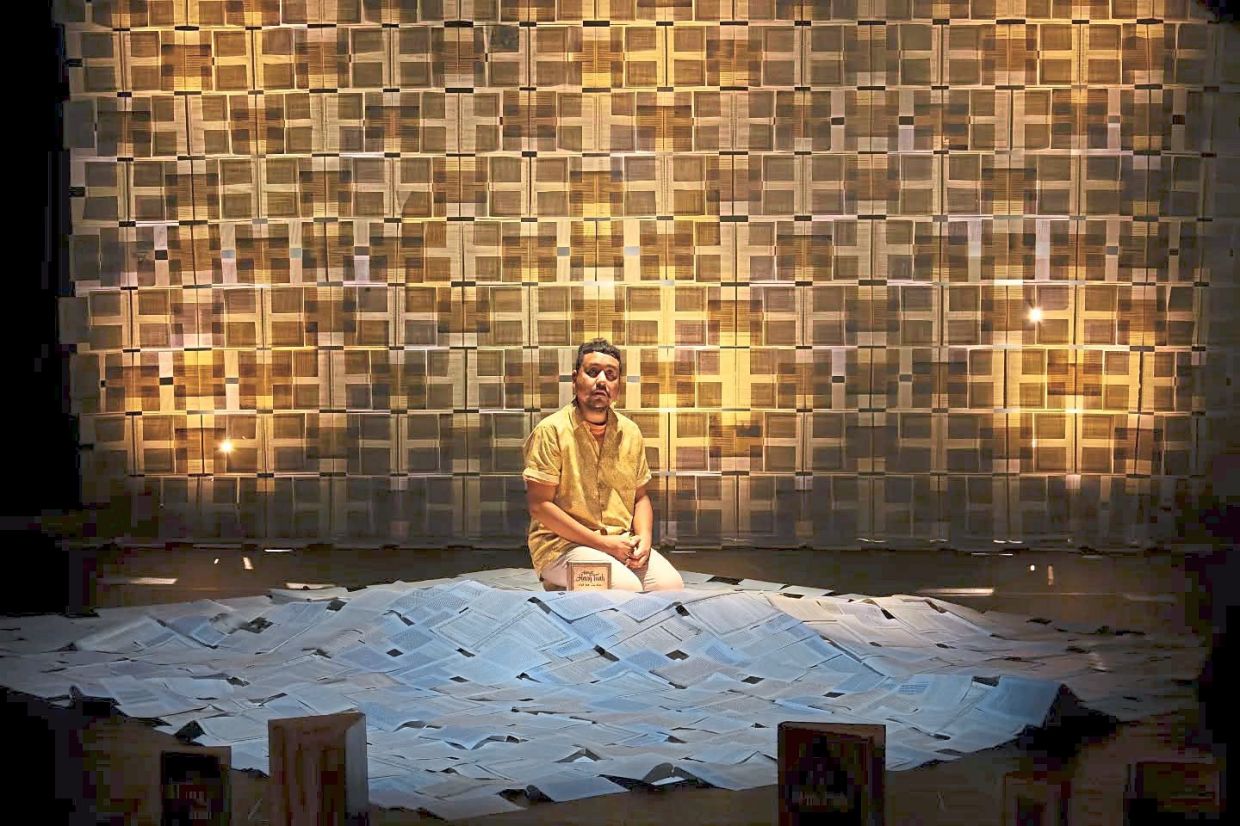
Across 10 shows at KLPac in August, Five Arts Centre’s Fragments Of Tuah made clear that documentary theatre has come into its own in Malaysia, finding an audience open to its questions and ways of seeing.
In many ways, it was also Five Arts Centre, in its brave and bold element at home – an arts company often seen on the global festival circuit, yet not always so easily within reach of local audiences.
Fragments Of Tuah may have felt like the coolest history lecture in town, but that would be selling the work short. The performance was the result of more than three years of research and development, beginning as a video essay and slowly finding its way to the stage.
Actor Faiq Syazwan Kuhiri brought Hang Tuah, Malaysia’s legendary hero, to life as a figure both familiar and intriguingly complex, while the stage came alive around him – video, lighting and music converging to heighten every turn of the story.
Beyond the usual arts crowd, Fragments Of Tuah also drew audiences who returned for repeat visits and lingered for post-show conversations – added on due to popular demand – a response that revealed something deeper than simple curiosity.
The reaction suggested not only a public ready for this work but also a space for further experimentation, as co-creators Mark Teh and Faiq, with the Five Arts Centre team, chart a theatre that is grounded, thoughtful, inventive and awake to the moment.