
CENTURY egg tofu is a cold appetiser that brings together two ingredients of ancient lineage, making it a fitting, if understated, addition to the Chinese New Year table.
Despite its antique-sounding name, the century egg, or pidan, is not literally centuries old.
Sometimes referred to as a “thousand-year egg”, it has a history in China stretching back several hundred years, most often associated with Hunan and neighbouring regions.
Originally developed as a preservation method, it transformed fresh duck eggs into something deeply savoury, aromatic and long-lasting, qualities once prized for festive and ceremonial occasions.
Tofu, of course, predates it, having been part of the Chinese dining table for more than two millennia.
Its mild flavour and pale colour have long symbolised purity and simplicity, making it a familiar presence in celebratory meals that balance richness with restraint.
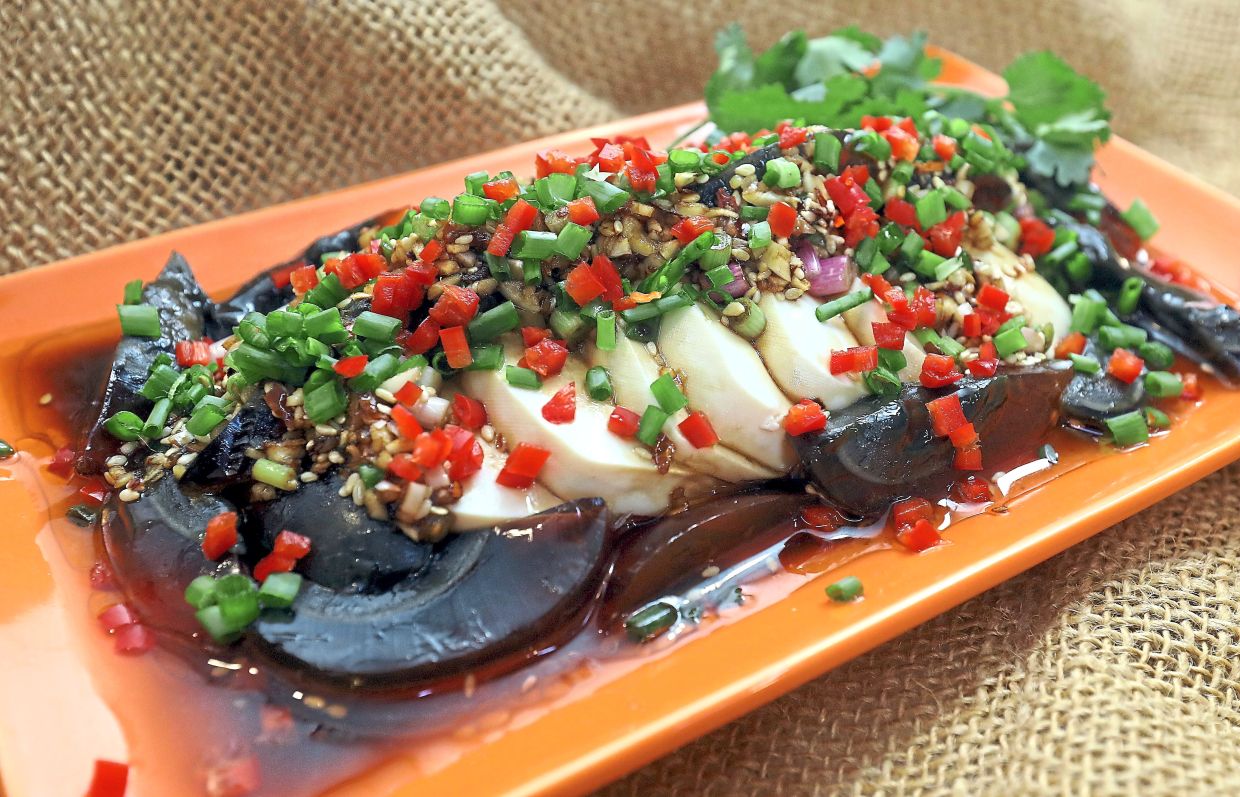
However, century egg tofu itself is not a traditional home-style classic.
The dish emerged only in the 1990s, particularly in Hong Kong and Taiwan, influenced by the visual restraint of similar cold tofu dishes found in Japanese and South Korean cuisines.
This pairing reflects the restaurant-driven Cantonese and Taiwanese dining culture of the late 20th century, where cold appetisers became increasingly refined and visually composed.

Requiring no cooking, the dish relies almost entirely on ingredient quality, which makes it suitable for both banquet menus and casual eateries.
Often, a simple dressing of soy sauce, sesame oil and chilli oil, finished with a scattering of spring onions, is all that is needed.
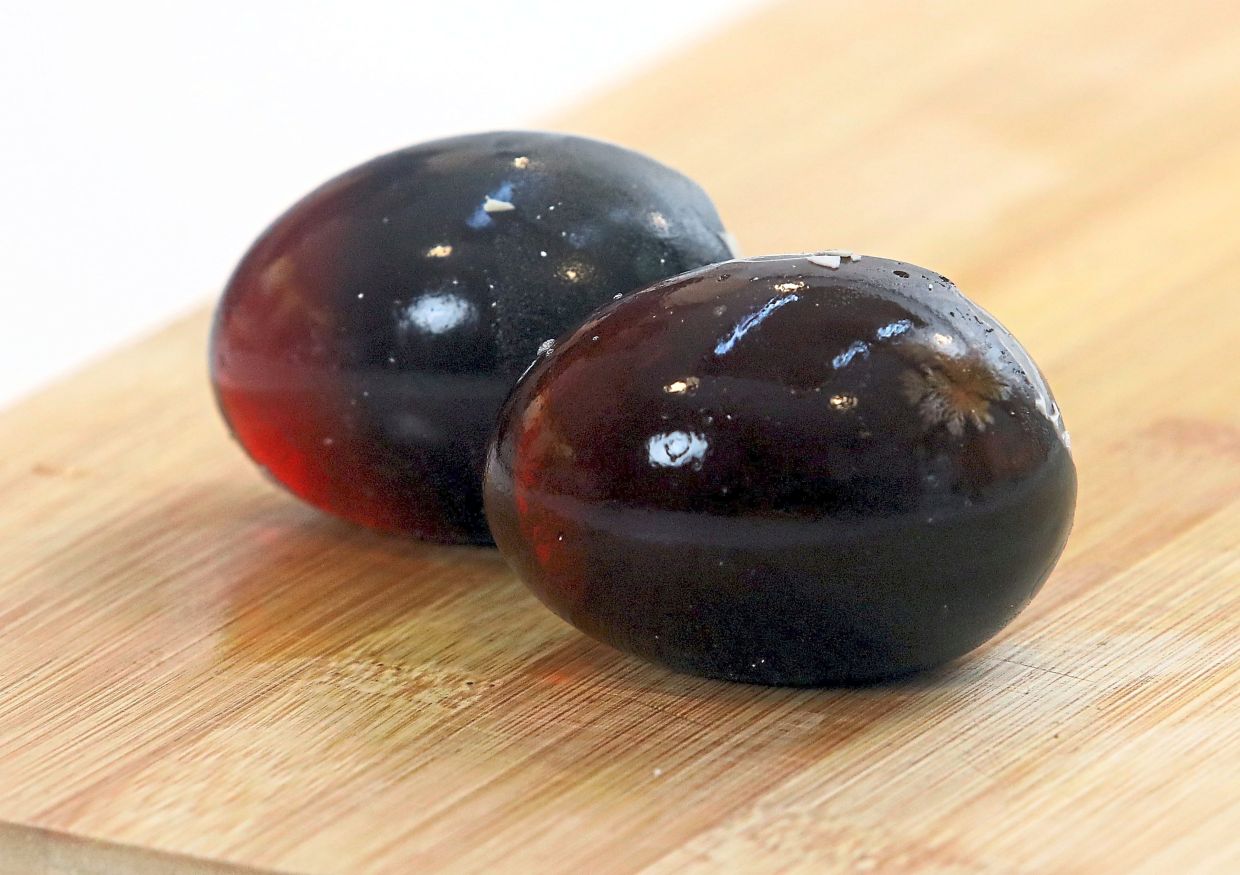
One modern preference is for fresh century eggs that have not fully set, their yolks remaining creamy or even gently flowing.
If you are fortunate enough to find them at the wet market, these eggs are best cut into wedges, as they are too soft to dice neatly.
As for the tofu, I prefer traditional medium-soft blocks with a delicate skin, though these must be consumed extremely fresh.
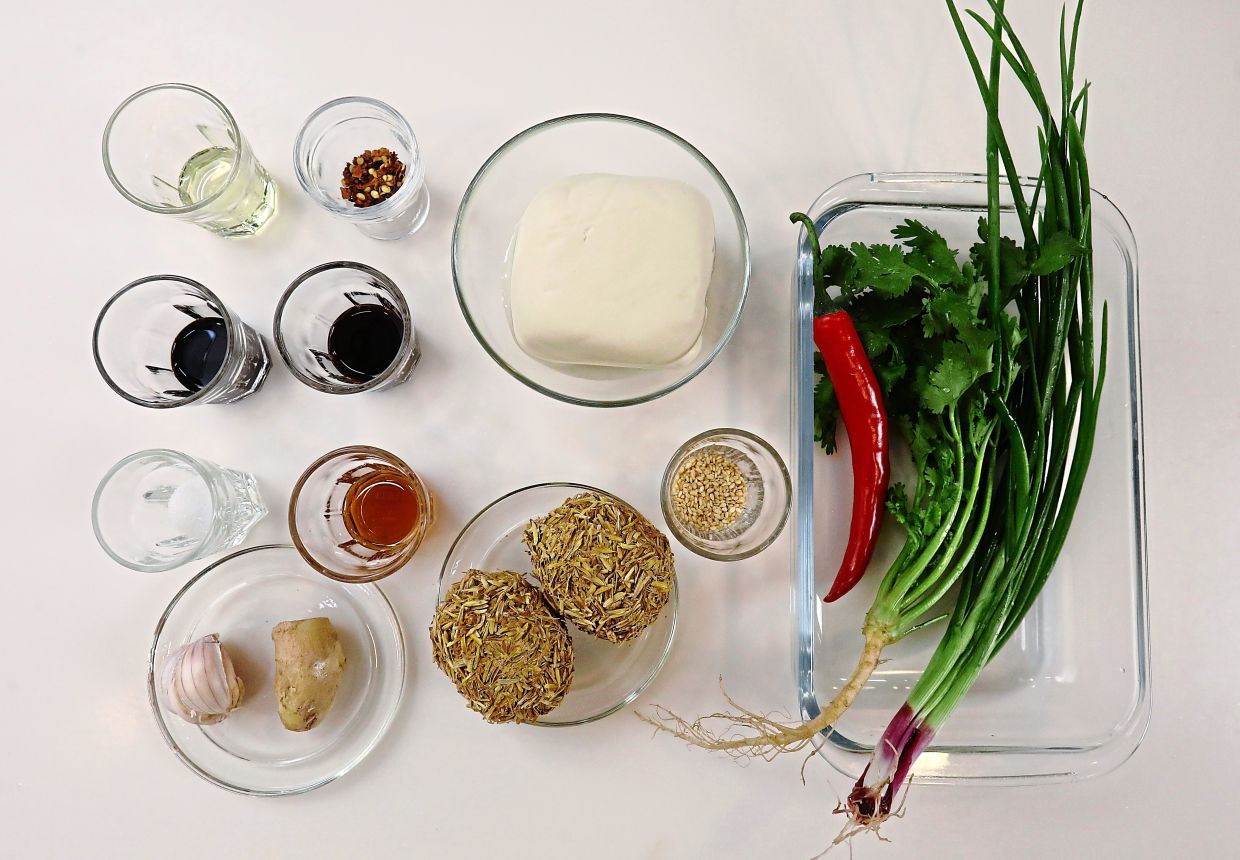
When unavailable, boxed silken tofu is a practical and commonly used alternative.
While the dish feels timeless, its origins are decidedly modern.
It is best described as an appetiser born of urban dining rooms rather than village kitchens – old ingredients, but newly acquainted.
Simple, elegant and quick to prepare, it makes a light, cooling start to a Chinese New Year meal, where balance and harmony matter as much as abundance.
Century egg tofu
Ingredients
1 block medium-soft tofu
2 century eggs
Dressing
2 cloves garlic, minced
1 tbsp ginger, minced
1 tsp sesame seeds, toasted
1 tsp chili flakes
1 tbsp cooking oil
2 tsp sesame oil
3 stalks spring onions
1 tsp granulated sugar
1 tbsp light soy sauce
1 tbsp Chinese black vinegar
Garnish
1 pod red chili, diced
1 sprig coriander
Directions
Cut the tofu into 1cm-thick slices and arrange on a serving plate.
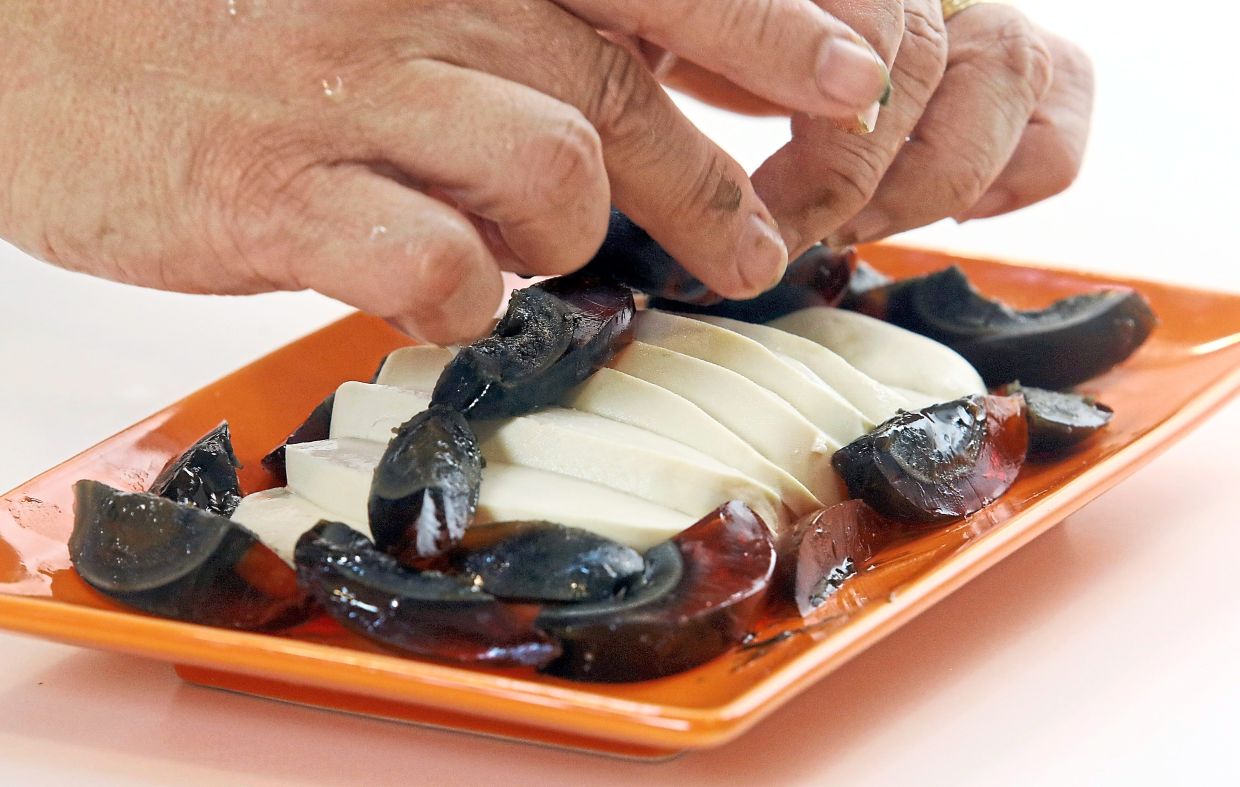
Peel the century eggs and cut each into eight wedges.
Arrange the century egg wedges around the tofu slices.
Finely chop the spring onions, separating the whites from the greens.
In a small bowl, combine garlic, ginger, sesame seeds and chilli flakes.
Heat the cooking oil and sesame oil in a small pan until smoking hot.
Carefully pour the hot oil over the aromatics to release their flavours.
Once the sizzling subsides, stir in the spring onion whites, soy sauce, vinegar and sugar.
Drizzle the dressing over the tofu and eggs. Garnish with spring onion greens, chilli and coriander.
Serve cold with steamed rice or congee.