
IF you are drawn to understanding why people think, feel and behave the way they do, you have likely considered psychology or counselling – and wondered what truly sets them apart.
Both fields focus on human behaviour and mental well-being, attracting students who are empathetic, curious and motivated to make a difference. While they share this common ground, they lead to distinct career paths and experiences.
Knowing the difference can help you choose a path that aligns with your strengths, interests and career goals. Here is what you need to know:
Behavioural insight
A degree in Psychology is fundamentally academic in its orientation.
It explores the full spectrum of human behaviour: cognition, emotion, personality, social dynamics, forensic psychology, organisational behaviour and more.
It equips students with strong analytical, critical-thinking and research skills that are valuable across a wide range of industries – from human resources (HR) and education to marketing, policy, research and clinical settings.
At the University of Cyberjaya (UoC), the three-year Bachelor of Psychology (Honours) prepares students for careers spanning clinical psychology, human resources, research, marketing, education and public policy.
If you are someone who is fascinated by human behaviour but not yet certain which professional direction to take, psychology gives you both the knowledge and the flexibility to find your path.
Purpose driven
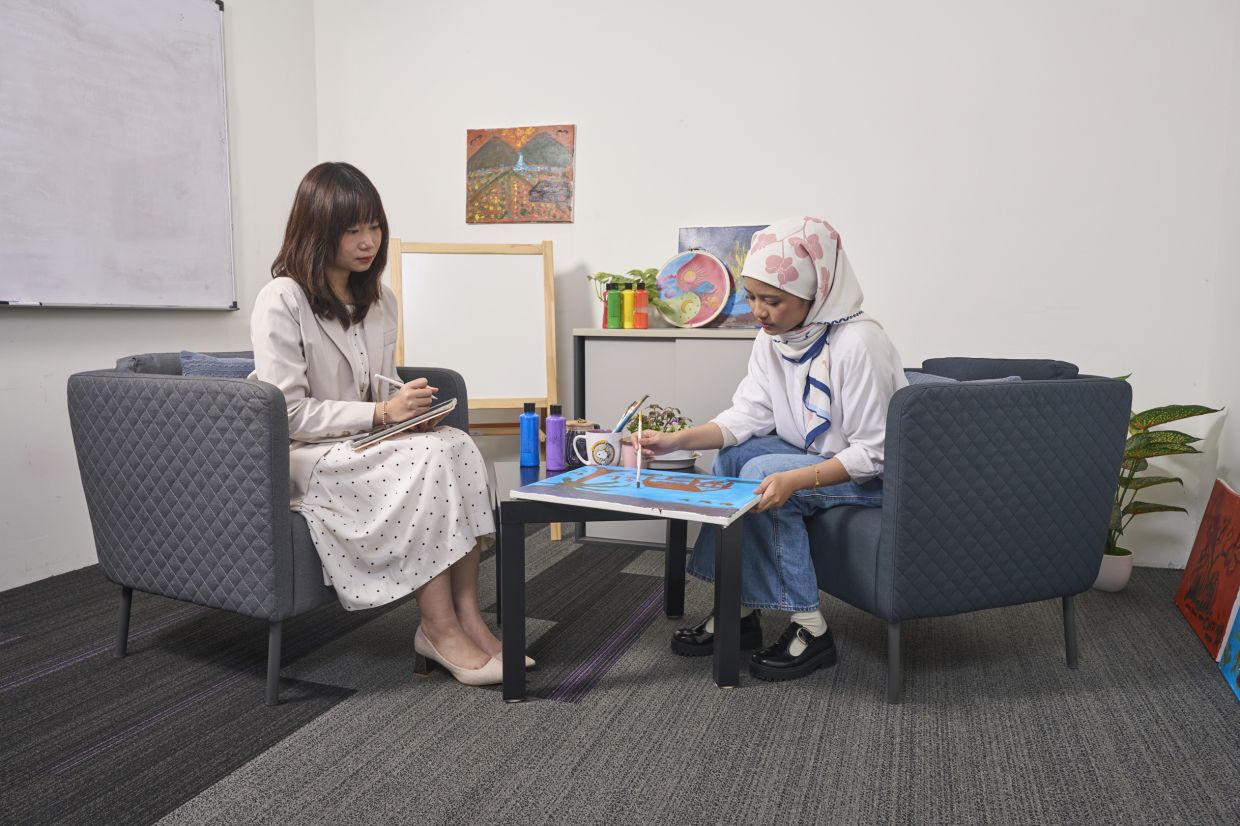
Counselling is a professionally defined pathway with a clear goal: to become a licensed and registered counsellor.
The Bachelor of Counselling (Honours) at UoC is a three-year-five-month professional programme designed to prepare students to work directly with individuals and communities in a therapeutic context.
The curriculum blends theory with extensive practical training. Students complete practicum hours at the UoC Health and Psychology Clinic and then undertake internships across settings such as hospitals, non-governmental organisations, schools, corporate offices and government agencies – gaining hands‑on experience under the supervision of licensed counsellors.
This focus on supervised practice means counselling graduates are prepared to support clients through life challenges and well-being issues from day one, making it a direct pathway into professional practice.
Typical career destinations include roles in counselling centres, mental health facilities, educational institutions, community agencies and corporate well-being teams.
Choose wisely
Not sure which degree to commit to just yet? UoC’s one-year Foundation in Arts is the ideal starting point.
The Humanities specialisation introduces you to psychology, human development, sociology and communication – building the academic groundwork you need to progress confidently into either the psychology or counselling degree.
Intakes are available in February, April and September, giving you flexibility no matter where you are in your post-Sijil Pelajaran Malaysia (SPM) planning.

Headhunted talent
Whichever path you take, you will be studying at a university that prioritises real-world readiness from day one.
At UoC, industry engagement is embedded into the learning experience, ensuring students graduate with both knowledge and practical skills.
Within the Faculty of Psychology and Social Sciences, students gain exposure to real working environments through collaborations with schools, clinical and mental health services, special needs centres and therapy-based organisations.
These experiences are designed to build confidence, professional competence and a clear understanding of how theory translates into practice.
The question is not whether a UoC degree leads somewhere, but rather which direction you want to go.
Discover both programmes and explore your options at the university’s Info Day on April 25 and 26. Register at https://cyberjaya.edu.my/info-day-2026.