THE Gig Workers Bill 2025 was passed following a voice vote in the Dewan Rakyat on Thursday (Aug 28). It was approved after 23 MPs debated its second reading.
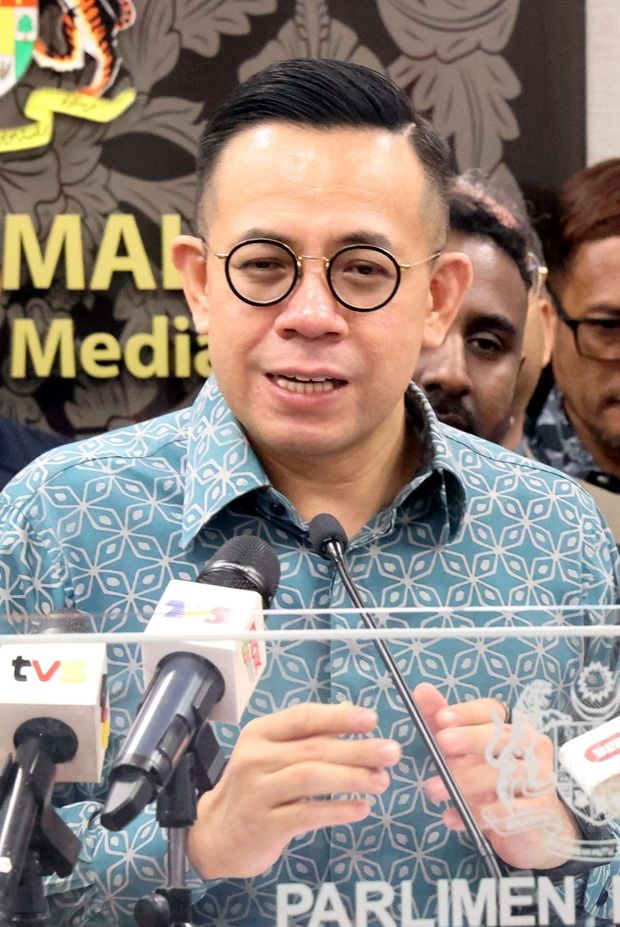
Human Resources Minister Steven Sim told the media that the Bill not only protects the welfare of gig workers but also boosts the economy and its competitiveness.
“The progress of a nation is not measured by how much wealth we can add to those who are already wealthy, but by how much we can give to those in need,” said Sim during a press conference at the media centre in Parliament.
“As our country pursues economic prosperity and progress, we want to make sure that companies, investors and workers can prosper here too. With the Bill, investors will see Malaysia as a nation that respects international labour standards and protects its workers.”
He added that this landmark legislation marks a historic moment, as it concludes years-long efforts to protect and support gig workers.
“The drafting of this Bill didn’t just start with this current administration—it has been in the works for years before this. But, finally, we have succeeded in making history today by ending the long wait for gig workers,” said Sim.
“I would like to thank all my colleagues at the Human Resources Ministry (Kesuma) and all stakeholders who have worked tirelessly to make this bill a success. Now, the gig community have a mechanism in place to defend themselves.”
He explained that the Bill will also equalise the playing field in the sector, enabling more opportunities for gig workers.
“With this clear, legal framework, we will provide a sense of certainty, clarity and transparency to the sector. All platforms, big or small, will have to abide by these laws,” he said.
Sim shared that Kesuma will conduct roadshows nationwide to educate all affected stakeholders on the Bill’s contents and how it affects them.
Ending a century-long struggle
Several stakeholders also attended the press conference and shared their joy at the Bill’s approval.
Malaysia e-Hailing Coalition (GEM) chief activist Jose Rizal said he is overjoyed by the decision.
“Our new chapter begins now. This new beginning will go down in history as proof of the gig community’s solidarity, as we stood firm against the tide for justice for all gig workers,” he said.
Malaysian Professional Film Workers Association (Profima) president Khalil Salleh said the Bill ends over a century of suffering for film professionals.
“I feel a mixture of emotions: happiness, sadness and gratitude. The film industry has been around for more than 100 years, even before the time of the great Tan Sri P. Ramlee,” he said.
“This suffering has been long and far-reaching. For all of the hardships we have faced, now, we are finally protected and have rights.”
Malaysian Bumiputera Makeup Artists Association chairman Datin Rosnawati said that after years of nowhere to turn to, now her community is finally recognised as official gig workers.
“Today is the most historic day for our community. Makeup artists are not limited to aspects of beauty alone but also include the fashion, entertainment and tourism industries, as well as professional image development sectors,” she said.
“With this official recognition, we are empowered to pursue our careers with more enthusiasm, to elevate the gig economy.”
A pride to showcase at ILO
Uni Malaysia Labour Centre (Uni-MLC) vice president and TV3 Employees Union president Khairuzzaman Mohamad said that the Bill will also protect freelance media practitioners, many of whom—almost 6,000 professionals—were among those who lost their jobs during the Covid-19 pandemic.
“Gig workers are not just e-hailing riders, they are also media professionals—journalists, photographers, videographers, presenters and more,” he said.
“This entire time, freelance media professionals were not protected, but this Bill will ensure that we build the best future for everyone.”
North South Initiative founder Adrian Pereira praised Kesuma for its transparency in drafting the Bill.
“It has been a long journey, but I am proud to say that Kesuma has set a very high standard, which I hope will be the gold standard for Malaysia, especially in the formulation of laws and regulations,” he said.
“Most of the time, these processes are done in secrecy and behind closed doors. But, with more transparency, there is more accountability, and we have more checks and balances.”
Despite some MPs debating for the Bill to be postponed, Malaysian Trade Union Congress (MTUC) president Datuk Abdul Halim Mansor said that “it is better to have a roof over your head than nothing at all”.
“In my 40-year career, I have been involved in the drafting of many Bills and Acts. What people need to know is that nothing is set in stone. It will always be amended, refined and improved over time to address any gaps,” he said.
Malaysian Employers Federation (MEF) president Datuk Dr Syed Hussain Syed Husman described the Gig Workers Bill as a source of pride for Malaysia.
“Most of the provisions in our current Act are aligned with the International Labour Organisation (ILO) principles of decent work, human rights, social justice and the commitment that no one should be left behind.
“As a member of the ILO Governing Body, I am proud that Malaysia is the first country to implement such a comprehensive framework for gig workers, which I can now showcase to the ILO Global Board as an example for the world.”
Content creator platform, Colla Tech Sdn Bhd’s founder and chief executive officer, Henry Tye, said that this is the perfect Merdeka gift for the gig community.
“This initiative represents the joint commitment to ensuring that independent professionals have the security they need to succeed,” he said.
“The gig workforce is large, and growing, and its contribution to the country is undeniable. This collaborative effort is the best way to improve the safety and protection of our nation’s talent.”
Persatuan Perpaduan Rakan Penghantar Malaysia advisor Bryan Ng Yihh Miin said that the long-awaited Bill ensures that potential issues are resolved in a fair and equitable manner.
“For years, gig workers have faced numerous issues, without anyone to stand up for them. But with these laws and the establishment of the tripartite Gig Workers Tribunal, I believe that all issues can be resolved safely, peacefully and efficiently,” he said.
Troopers Innovation Sdn Bhd co-founder Joshua Tan said that the Bill not only protects gig workers but also enables them to earn an income in a safe, dignified and fair ecosystem.
“It paves the way for better safety and sustainability for all Malaysians who rely on flexible work to support their families,” he said.
“This is the beginning of a new era, and we must continue to fight for economic inclusion and social justice for all in the gig community.”
The Gig Workers Bill 2025 was tabled for its first reading at Parliament on Monday (Aug 25).
It was drafted with a focus on four main pillars: to state a clear definition of a gig worker, workers’ rights to be involved in income issues negotiations, dispute resolution mechanisms and social protection.