KUALA LUMPUR: VTAR Institute’s newly launched Chargeman A0 programme has already filled all of its 25 places in its first full-time intake, reflecting growing demand for qualified electrical personnel as Malaysia’s industrial and energy sectors expand.
The full-time programme, which takes two years, will begin its intake in October.
It also offers a part-time route for those already working in the electrical, maintenance and facilities sectors.
The part-time programme takes seven months and is intended for those with relevant industry experience.
VTAR chief executive officer Tan Cheng Liang said the programme is aimed at providing the competency, practical experience and future-ready skills required by industry.
She said electrical systems are becoming increasingly complex with the growth of manufacturing, data centres, electric vehicles and smart technologies while demand for electricity continues to rise.
“This means that future professionals will need to master not only traditional electrical technologies but also continuously learn and adapt to new energy technologies, smart electrical systems and modern energy management technologies,” she said in her welcoming speech when launching the new programme at the institution here yesterday.
Tan noted that VTAR is among the few private vocational institutions in Malaysia offering the Energy Commission-approved PW2, PW4 and Chargeman A0 programmes.
The Chargeman A0 competency covers low-voltage electrical systems without aerial lines and power stations, with the Energy Commission requiring certified competent personnel to meet relevant safety and operational requirements.
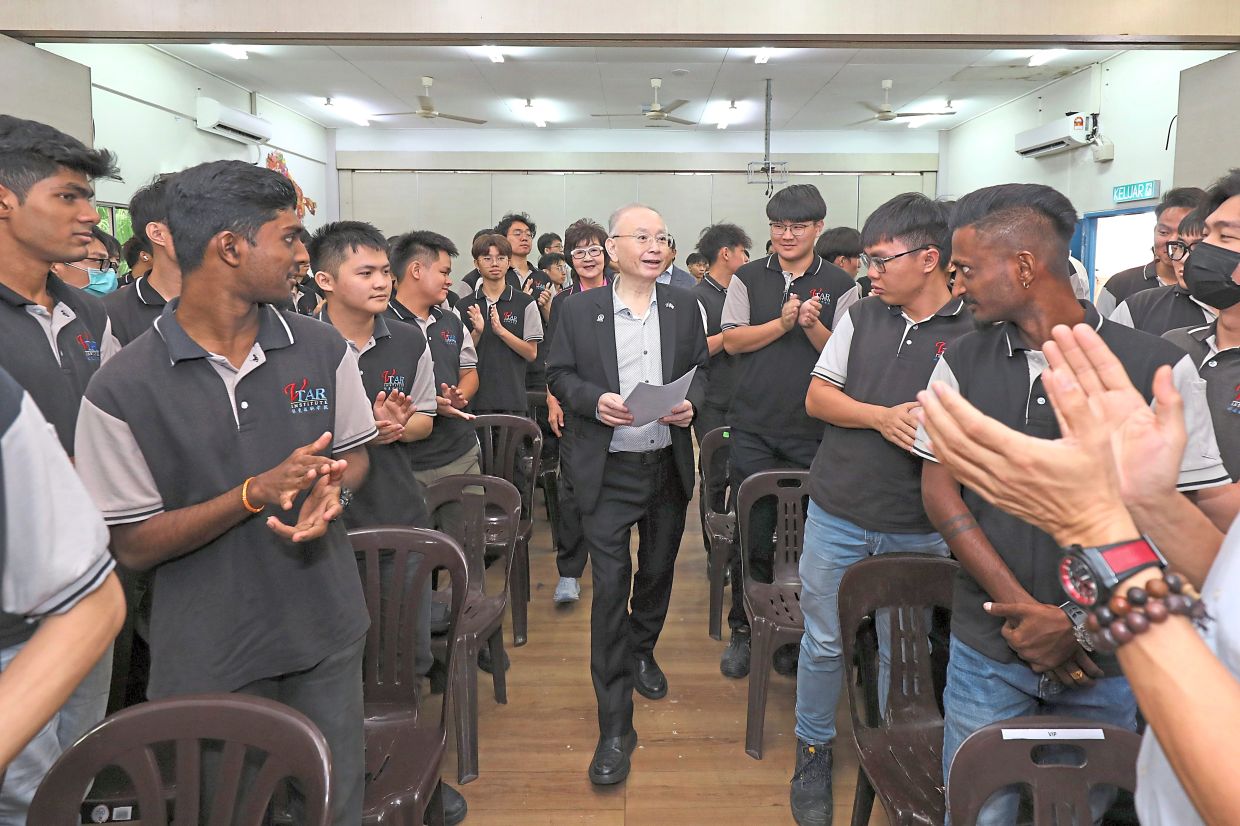
MCA president Datuk Seri Dr Wee Ka Siong, who launched the programme and the VTAR Institute Chargeman Building, said the strong response to the first intake reflects demand for the qualification.
“In the market, we are facing a shortage of chargemen. It’s a highly sought-after profession,” he told reporters after the launch.
Dr Wee said the need for competent electrical personnel is becoming more pressing with the growth of green technology and data centres, which could have substantial electricity consumption.
“You cannot try your luck. You need someone who is professional and has the competency to deal with electrical (systems),” he said, stressing the importance of safety and the ability to respond to electrical incidents.
While the 25 full-time places have been taken up, the part-time programme, which also offers 25 places, is still available.
Dr Wee encouraged technical workers to continue upgrading their qualifications, saying skills training could provide a pathway to better employment.
“TVET is no longer an alternative pathway; it is a primary engine of national economic growth,” he said.
Also present were VTAR chairman Soon Mon Huay, director Lim Kit Siong, TARC Education Foundation Board of Trustees member Datuk Seri Yew Teong Look, UTAR representative Prof Dr Ting Chen Hunt, TAR UMT representative Prof Dr Yeo Kwok Shien, the Electrical and Electronics Association of Malaysia vice-president Lee Kok Chong, honorary treasurer Datuk Andy Tan Boon Hin, Government-Industry TVET Coordination Body CEO Jamil Bakri and VTAR CNC Machining Programme collaboration partner Chew Cheong Loong.