
KUALA LUMPUR: Most single Malaysians still aspire to marry and have children, but financial and economic pressures are making it increasingly difficult for many to realise those aspirations.
National Population and Family Development Board chairman Datuk Seri Rohani Abdul Karim said a survey conducted in conjunction with World Population Day last year found that 90.9% of single respondents intended to marry in the future.
The survey involved 3,625 Malaysians aged 18 and above.
She also said the global demographic landscape is changing rapidly, with declining fertility, ageing populations and evolving household structures.
“Young people are taking longer to secure stable employment, housing and financial independence before forming families.
“Unlocking the full potential of younger generations requires massive investment in inclusive quality education and training.

“Closing the skills gap can help create decent jobs and sustainable livelihoods at scale,” she said in her speech at the World Population Day 2026 celebration on Tuesday (July 14).
The survey also found that 91.1% of respondents wanted to have children in the future.
Meanwhile, among married respondents, 33.8% wished to have a child or another child, with the average desired family size standing at 2.8 children.
However, 17.6% said they were unable to achieve their desired number of children due to insufficient household income, rising living costs, demanding work schedules, fertility difficulties and health concerns, she said.
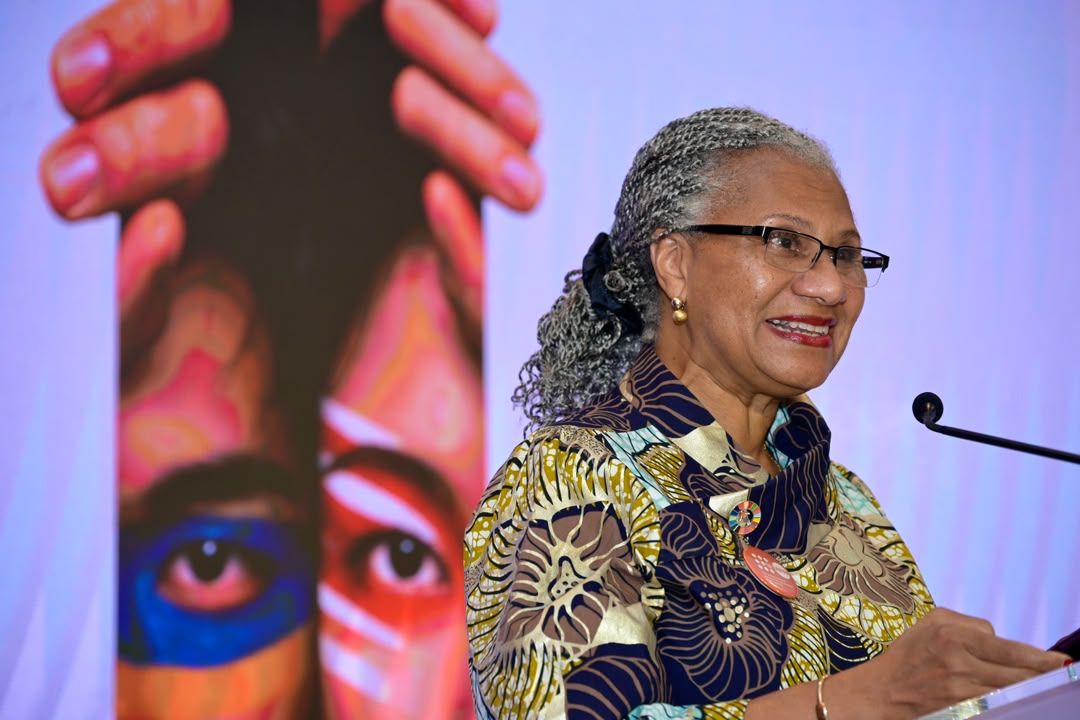
She said the findings echoed those of the United Nations Population Fund’s (UNFPA) 2026 Demographic Futures Survey, which found that while most young people still desired marriage and parenthood, economic realities were delaying or preventing them from achieving those goals.
“These findings reinforce UNFPA’s call for countries to invest in young people’s aspirations by removing the barriers that prevent them from building the lives and families they desire.
“This requires quality education and training, decent work, secure employment, affordable housing, accessible reproductive and fertility health services, stronger social protection, affordable childcare, parental leave and flexible working arrangements,” she said.
According to the UNFPA survey involving more than 100,000 adults aged between 18 and 39 across 73 countries, more than two-thirds hoped to marry or live with a partner, while about 90% wanted at least one child.
Rohani said the findings underscored the need for governments to create conditions that enabled young people to build the families they aspired to have.
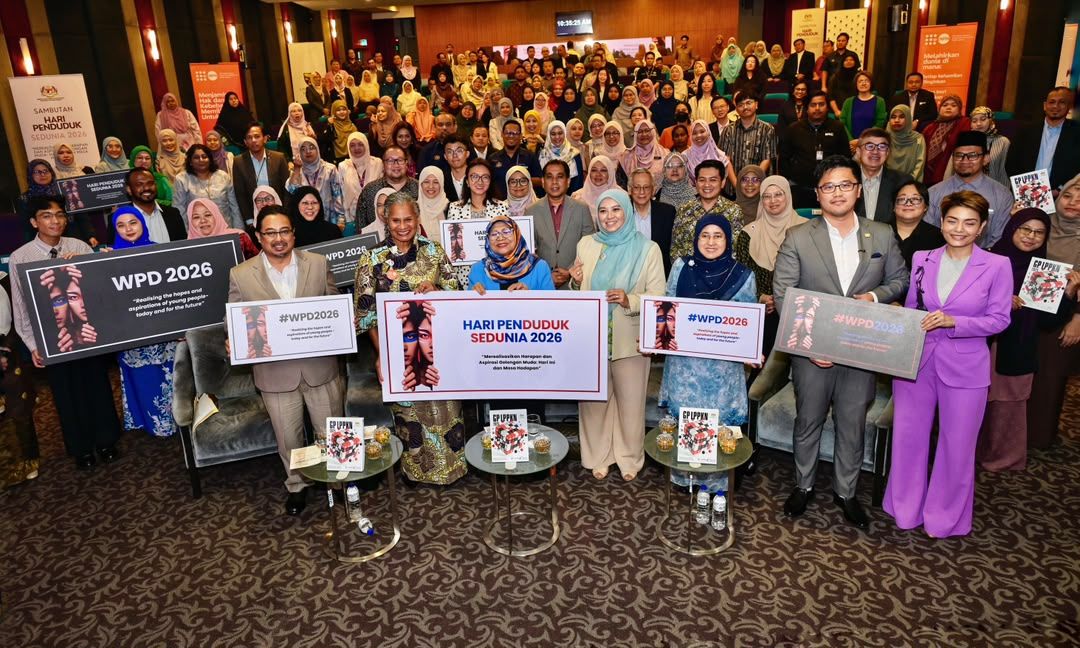
She added that Malaysia is strengthening these efforts through the National Family Policy (Dasar KASIH Keluarga Negara) and the National Family Action Plan 2026-2030, which aim to reinforce marriage, family planning, parenting and family support across all stages of life.
“The government will continue to strengthen a family-friendly ecosystem to ensure young people have better opportunities and support to marry, build families and have children, in line with their aspirations and the country’s development needs.
“Our young generation still appreciate the need to get married and have a family, but they need a convincing environment to realise their aspirations.
“As such, the government’s responsibility is not to determine their family choices, but to ensure that every decision is made with adequate information, free from pressure, and supported by fairer economic and social opportunities,” she said.