PETALING JAYA: Beyond triggering dry spells, El Nino can also influence the spread and activity of viruses.
Emeritus Prof Datuk Dr Lam Sai Kit, who led the team that discovered the Nipah virus in the late 1990s, said there was strong evidence of the virus outbreak in Malaysia being influenced by El Nino.
“A strong El Nino contributed to drought and widespread forest fires that disrupted bat habitats and food sources.
ALSO READ: Antimicrobial resistance linked to climate change
“Fruit bats, the natural reservoir of Nipah virus, were more likely to forage near agricultural areas, increasing opportunities for virus transmission to pigs and subsequently to humans.
“El Nino was not the main or sole cause, but it likely played a contributing role,” said the medical virology and public health expert from Universiti Malaya and senior fellow at the Academy of Sciences Malaysia.
He said temperature changes can affect viruses indirectly by altering the ecology of their hosts and vectors.
“Warmer temperatures, droughts, floods and other climate-related changes can influence the distribution, behaviour and abundance of animals, mosquitoes and other organisms that carry viruses.
“These environmental shifts can increase opportunities for viruses to spill over into human populations or change patterns of disease transmission,” he said.
Prof Lam said while a super El Nino can increase the risk of certain infectious disease outbreaks, the effects vary by region and type of disease.
“Potential concerns include mosquito-borne diseases such as dengue and malaria, waterborne diseases following floods, and zoonotic diseases if wildlife habitats are disrupted.
“El Nino does not automatically cause outbreaks, but it can create environmental conditions that make outbreaks more likely, highlighting the importance of enhanced disease surveillance and public health preparedness.”
Sustainability and climate change specialist Dr Renard Siew said El Nino conditions, which bring shifts in rainfall and temperature across regions, have long been associated with changes in infectious disease risk.
While not a direct cause of outbreaks, such climate anomalies can influence ecosystems in ways that increase human exposure to disease, he said.
“Extreme climate events such as El Nino can act as risk multipliers. They can disrupt ecosystems, alter wildlife behaviour, affect migration patterns and increase human-wildlife interactions.”
Siew added that droughts and heat stress may push animals closer to human settlements, while flooding can contaminate water supplies and create breeding grounds for disease vectors.
Looking ahead, he noted that health systems should integrate climate forecasting into disease surveillance, particularly as stronger El Nino conditions are anticipated.
“Climate resilience needs to become a core component of public health planning.
“Preparedness should go beyond responding to outbreaks and focus on anticipating risks,” he said.
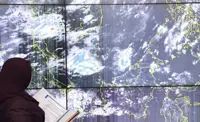
According to a MetMalaysia forecast, El Nino is expected to develop in June or July with a peak expected at the end of the year.
Temperatures during El Nino are expected to reach 37°C to 40°C in some areas.
The World Meteorological Organisation has also predicted of an 80% probability of the El Nino occurring in June to August.