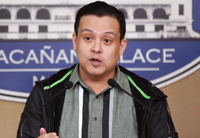
KUALA LUMPUR: The government will not introduce abrupt or sudden changes to fuel subsidy policies despite mounting pressure from geopolitical tensions in the Middle East, says Datuk Seri Fadillah Yusof (pic).
The Deputy Prime Minister gave his assurance that any policy decisions would be guided by comprehensive data analysis rather than rushed measures.
Fadillah said the government recognises that the conflict in the Middle East could persist for one to two years, but any action taken will prioritise protecting the majority of Malaysians.
"This is a challenge we are aware of, and we must rely on data to determine the necessary steps to ensure energy supply remains secure, the people are protected, economic growth continues, and industries receive the support they need," he said in an appearance on Bernama Radio's exclusive interview on how geopolitical crisis drives Malaysia's energy transition at Wisma Bernama here Tuesday (April 21).
Fadillah, who is also Energy Transition and Water Transformation Minister, said the government will maintain fuel subsidies despite a sharp rise in costs driven by the global energy crisis.
He said monthly subsidy spending has surged to between RM6bil and RM7bil, but stressed that support for the people would continue without derailing economic development plans.
"Existing subsidy policies, including for RON95 petrol and diesel in Sabah and Sarawak, will be maintained based on current data to ensure sudden increases in living costs do not burden people," he said.
He noted that the National Economic Action Council (MTEN) would also continue to engage with industry players and stakeholders to develop balanced policy responses.
On the outlook for the crisis, Fadillah said the government is preparing for worst-case scenarios if disruptions persist for up to three years, particularly following supply chain shocks linked to the Strait of Hormuz, which handles about a quarter of global energy supply.
In fact, he said PETRONAS has taken proactive steps to secure alternative supplies from the Asia-Pacific, Australia, South America and Africa to ensure domestic stability.
At the same time, Fadillah said the government is strengthening enforcement to curb leakages and smuggling of subsidised fuel at the borders.
"This cannot be done by the government alone. Public cooperation is crucial. If there is abuse, report it so supplies benefit our people, not others.
"Equally important is the prudent use of energy and water. If we act together, we can ensure supply security is sustained over the longer term," he said. - Bernama